
Geopolitics of the Taiwan KMT Leader China Visit
Cheng Li-wun stepped off the plane in Shanghai on April 7, 2025, and every government in the region took notice. A sitting Kuomintang (KMT) chairman had not visited mainland China in a decade. The Taiwan KMT leader China visit was not a goodwill trip. It was a political gamble with real consequences for Taiwan's defense funding, its alliance with the United States, and the island's upcoming elections.
As outlined in reports by Reuters and Taiwan News, the six-day delegation runs from April 7 to 12 and covers Jiangsu, Shanghai, and Beijing. The stakes stretch far beyond a diplomatic photo op.
The Strategic Timing of the Taiwan KMT Leader China Visit
Scheduling a peace mission right before a US presidential summit turns local diplomacy into a race to control the global narrative. Cheng moved through Shanghai, then Nanjing, and finally arrived in Beijing. That sequence was deliberate. He needed to show authority across multiple major mainland hubs before higher-level international talks begin.
The Looming Presidential Summit
Donald Trump is scheduled to arrive in Beijing on May 14 and May 15. The mainland wants to present a smooth, cooperative front before those business negotiations start. By hosting the KMT chairman now, Beijing visually softens the urgency of Taiwan's defense needs right before Trump sits down at the table.
A bipartisan US delegation landed in Taipei just last week, reaffirming American support for Taiwan. Cheng's sudden departure to China made for a jarring contrast. The ruling Democratic Progressive Party (DPP) called it out immediately on Tuesday, arguing that the Chinese Communist Party fully dictates the excursion schedule.
The KMT says it is simply reducing regional friction. But the timeline shows a calculated move to shape international talks and shift domestic opinion before election season heats up.
Bypassing Official Channels for Cross-Strait Relations
Routing diplomacy through an opposition leader gives a foreign government the power to negotiate on national security while ignoring the elected authorities.
Beijing cut off direct cross-strait communication with the Taiwanese government back in May 2016. As noted by Reuters, the mainland considers Taiwan a breakaway province, rejects any form of independence, and retains the threat of military force as a tool for unification.
The Willful Diplomatic Conduit
Because Beijing refuses to talk to the DPP, the mainland pushes all meaningful dialogue through sympathetic opposition channels. Cheng accepted that role willingly. He embraced the mainland summons and positioned himself as the primary diplomatic conduit between Taiwan and Beijing.
What is the KMT strategy for cross-strait relations? According to a Reuters report, the KMT pursues closer economic and cultural ties with the mainland to lower military tensions, while arguing that improving relations with Beijing does not mean abandoning ties with the United States. Cheng points to shared cultural and genetic heritage to justify his Chinese self-identification.
The DPP Counterattack
The DPP sees this posture as subordination to mainland authorities. They argue China is the one actively disrupting regional peace, through repeated military aircraft and vessel mobilizations near the island. In their view, negotiating under these conditions directly rewards military intimidation.
Derailing the Massive Defense Budget Proposal
Slashing military spending under the guise of fiscal responsibility dismantles a vital international defense alliance from the inside.
The Taiwan KMT leader China visit happens against the backdrop of a serious financial dispute. As reported by AP News, the Taiwanese government wants to pass an NT$1.25 trillion defense budget, including a proposed $40 billion earmarked for U.S. arms procurement and local defense development.
The $40 Billion Legislative Delay
The government fears Cheng's trip serves as a deliberate tactic to disrupt necessary US arms sales. The KMT is actively stalling that $40 billion (roughly £30 billion) in special defense funds inside parliament. Cheng wants a reduced NT$380 billion alternative instead. He rejects the idea that Taiwan should act as a cash dispenser for foreign military contractors.
How does the Taiwan defense budget affect US military relations? A substantial budget signals to Washington that Taiwan is committed to self-defense, which motivates the US to approve and deliver advanced weapons packages quickly.
The Reality of Military Procurement
A $11 billion US military sales package cleared approval in December. China responded immediately with joint live-fire drills. Cheng insists he supports strong military capabilities but refuses to make a binary choice between Washington and Beijing. Notably, moderate senior figures within the KMT privately push for higher military spending, recognizing how exposed Taiwan becomes with an underfunded military.
The True Beijing Objective Behind the Taiwan KMT Leader China Visit
Welcoming a domestic rival with open arms allows a foreign power to argue that military alliances are unnecessary provocations. Beijing has a clear strategic goal for this visit. Expert Wen-ti Sung notes that the mainland wants to project the image of a friendly opposition summit to the international community. If China shows peaceful dialogue with the KMT, it directly undermines the rationale for deep US-Taiwan military collaboration.
Subverting the American Alliance
The KMT wants to use this situation for an election advantage. They promise voters a meaningful reduction in cross-strait tension. Cheng claims the trip demonstrates a genuine pursuit of harmony, where both sides work together rather than trade unilateral demands.

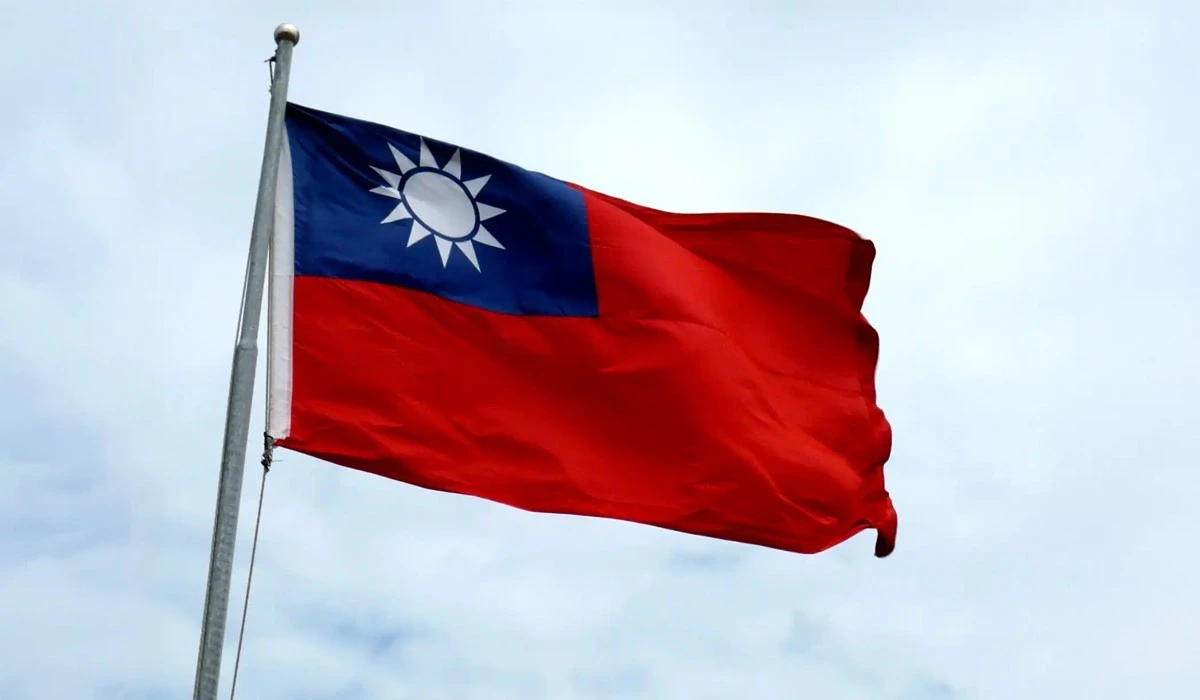
Image Credit - by KOKUYO, CC BY-SA 4.0. via Wikimedia Commons
The Struggle for the Status Quo
The DPP keeps redirecting public attention to China's military behavior near the island. Both parties know the Taiwanese public strongly prefers the current status quo. Citizens view Taiwan as a sovereign nation and reject both full independence and immediate unification. The Taiwan KMT leader China visit tries to convince moderate voters that diplomatic dialogue offers a safer path than military deterrence.
The Political Opportunism of Cheng Li-wun
A politician who moves from independence advocate to unification sympathizer over two decades reveals a career built on adaptation, not ideology. Born in 1969, Cheng has an unusual political history. He was an active DPP member from 1996 to 2000. During that period, he pushed openly for Taiwanese independence.
The Radical Shift in Loyalty
Cheng joined the KMT in 2005. He now sharply criticizes what he calls "Taiwan independence fascism" and openly supports the 1992 Consensus, which forms the baseline requirement for any mainland negotiations. He ascended to the KMT chair position just last year. His rapid rise shows he reads political conditions accurately and adjusts accordingly.
Prioritizing Self-Preservation
Expert Chong Ja-Ian assesses Cheng as a pure pragmatic opportunist, noting a complete absence of core political tenets throughout his career. He prioritizes self-preservation above everything else. That adaptability lets him navigate the complicated terrain of cross-strait politics and shape his messaging to fit the immediate needs of his party.
Navigating Domestic Anxiety and Election Strategy
Running a campaign built on peace requires voters to genuinely believe the current government is steering the island toward conflict. The KMT relies on a careful balancing act to win over voters. Expert Miao Zong-Han evaluates the strategy's success based on one factor: Cheng must build a dialogue framework that maintains mainland communication while calming domestic public anxiety.
The Ukraine Comparison
Cheng warns against Taiwan accepting the role of a geopolitical pawn. He stresses avoiding a Ukraine-style outcome. The government counters that Cheng's actions signal weakness on the global stage. What is the US stance on defending Taiwan? The US maintains strategic ambiguity, supplying defensive weapons to Taiwan while declining to confirm outright military intervention in a crisis. That ambiguity feeds voter anxiety and gives the KMT an opening.
Domestic Skepticism and American Politics
Journalist William Yang traces current domestic US skepticism back to Donald Trump's unpredictable Middle East policy and his ambiguous signals on cross-strait defense during his first administration. The KMT hopes their diplomatic outreach shows they can manage the mainland threat better than the DPP, and reduce reliance on unpredictable American political leadership.
The Historical Precedent of the Taiwan KMT Leader China Visit
Repeating a controversial diplomatic move from the past forces voters to judge whether a party learned from its previous electoral failures. This trip carries real historical weight. A decade has passed since a sitting KMT chief visited the mainland. The historical timeline of KMT mainland outreach follows a clear pattern:
Following Past Predecessors
2005: Lien Chan opened the door for modern KMT-Communist Party dialogue.
2016: Hung Hsiu-chu made a high-profile trip right as cross-strait tensions surged.
Today: Cheng attempts to revive that same diplomatic approach.
Cheng insists the trip has no connection to the ongoing weapons procurement debate and frames the six-day visit as a peace mission for ordinary citizens. The DPP rejects that framing entirely. They highlight the risk of letting the Communist Party control the entire schedule and public narrative.
When Cheng follows the exact path of his predecessors, he bets his party's local election hopes on a polarized electorate. Voters will decide whether this outreach is genuine diplomacy or a concession to an aggressive neighbor.
The Final Assessment of the Diplomatic Gamble
Outsourcing national security dialogue to an opposition party forces the elected government to fight a war on two fronts simultaneously.
The Taiwan KMT leader China visit represents a significant risk for the KMT. Cheng Li-wun has placed his political survival and his party's election prospects in Beijing's hands. The mainland is using this trip to fracture domestic unity and stall critical defense funding. The delayed $40 billion parliamentary budget shows exactly what that political division costs in practice.
Voters now face competing stories about military readiness, economic stability, and national sovereignty. Cheng is selling peace through dialogue. The government is preparing for conflict through deterrence. The outcome of this Taiwan KMT leader China visit will shape Taiwan's defense strategy and its relationship with the United States for years to come.
Recently Added
Categories
- Arts And Humanities
- Blog
- Business And Management
- Criminology
- Education
- Environment And Conservation
- Farming And Animal Care
- Geopolitics
- Lifestyle And Beauty
- Medicine And Science
- Mental Health
- Nutrition And Diet
- Religion And Spirituality
- Social Care And Health
- Sport And Fitness
- Technology
- Uncategorized
- Videos

