
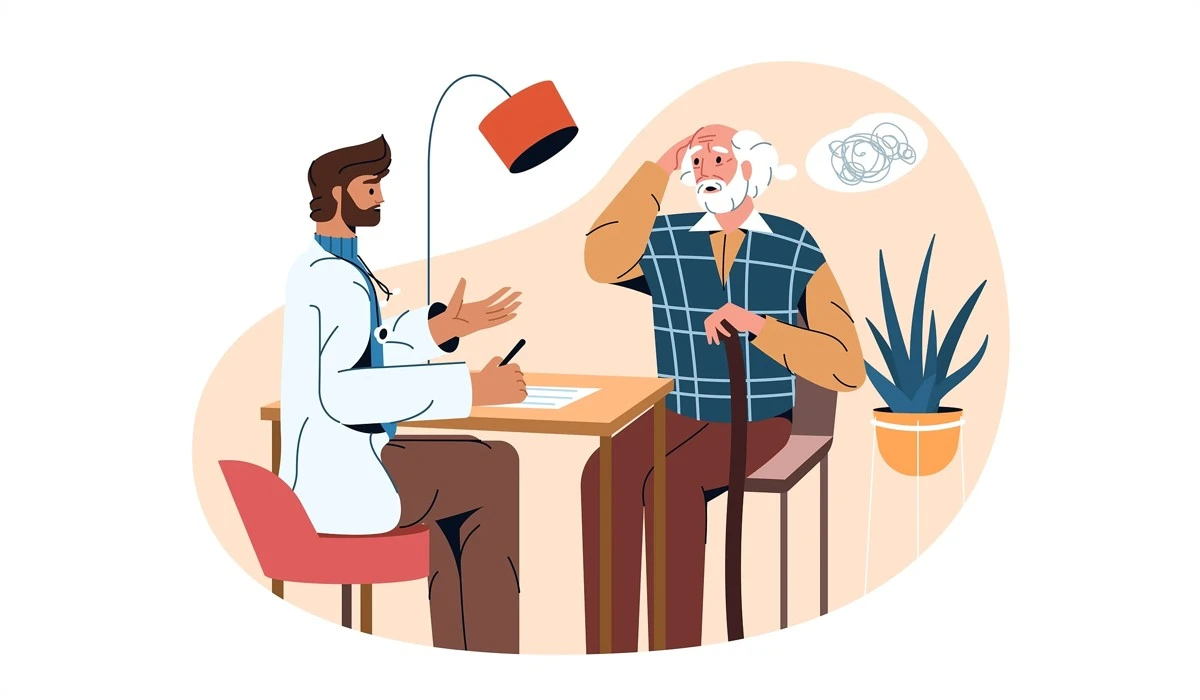
Geriatric Psychiatry to Reduce Senior Agitation
Families often watch a kind grandfather suddenly scream or a gentle mother push a caregiver away. They assume old age naturally turns people angry or mean. This mistake leaves families exhausted and seniors isolated in their most vulnerable years. In reality, physical shifts in the brain cause these outbursts.
Geriatric Psychiatry acts as a bridge between the physical brain and the emotional mind. It treats these outbursts as medical symptoms rather than behavioral choices. Focusing on elderly mental health allows doctors to find specific ways to stop the cycle of distress. This field moves families away from constant crisis and toward a calm, predictable daily life. It addresses the root of aging neurocognitive disorders to restore dignity to the golden years. Specialists provide answers when general care falls short.
Why Geriatric Psychiatry Offers Real Relief for Agitation
General doctors often overlook the specific needs of the aging brain. They might see a senior’s anger as a normal part of getting older. Specialists in Geriatric Psychiatry know better. These experts understand how the locus coeruleus, the brain’s alarm system, wears down over time. When this area degrades, it disrupts the body’s "fight or flight" response. This damage causes the hyper-arousal that families see as sudden aggression.
Identifying the Physiological Causes of Outbursts
The aging brain processes stress differently than a younger one. Seniors often lose the ability to filter out loud noises or bright lights. A busy room feels like an attack to someone with a damaged sensory system. What causes sudden agitation in the elderly? According to a systematic review from ResearchGate, individuals with dementia frequently suffer from untreated pain because they lose the ability to verbally communicate their discomfort. Sudden agitation frequently stems from this root physical discomfort, such as a urinary tract infection or localized pain. Doctors use tools like the PAINAD scale to find these unseen physical pains. Treating the physical source often stops the emotional outburst immediately.
The Limitations of General Medicine for Seniors
Standard family doctors usually manage high blood pressure or diabetes well. However, they often lack the training to handle the specialized drugs used for aging neurocognitive disorders. According to a study in PMC (PMC10961769), polypharmacy poses a major concern for older patients affected by dementia due to their high vulnerability to adverse drug reactions. This high volume of pills leads to a "prescribing cascade" where one drug’s side effect requires another medication to fix it. A specialist cleans up these lists to ensure the brain functions at its best without unnecessary chemicals.
How Geriatric Psychiatry Restores Calm in Neurocognitive Decline
Doctors in this field focus on the chemical balance within the brain. They look at how dopamine and serotonin fluctuate in older adults. When these chemicals fall out of balance, a person becomes irritable or paranoid. Geriatric Psychiatry uses targeted interventions to steady these levels. This process requires a delicate touch and constant monitoring.
Balancing Neurotransmitters in the Aging Brain
Aging leads to a natural decline in acetylcholine, which helps the brain process information. At the same time, dopamine receptors become oversensitive. This combination creates a "perfect storm" for paranoia. Research published in JAMA Neurology demonstrates that cholinesterase inhibitor therapy can significantly reduce delusions and hallucinations in conditions like Alzheimer’s and Parkinson’s disease. Specialists use these inhibitors to prevent the breakdown of these vital chemicals, helping the senior stay grounded in reality. Better chemical balance leads to fewer nocturnal outbursts and more peaceful afternoons.
Targeted Medication Management vs. Over-Sedation
Many facilities use heavy sedatives to keep seniors quiet, but this often leads to falls and further confusion. Experts follow the "start low and go slow" rule. They want to stabilize the mood without erasing the person's personality. Research published in PMC (PMC6653648) notes that there is still no FDA-approved medication specifically to treat agitation and aggression among older adults with dementia, meaning future studies are needed, and current prescribing must be highly cautious. Is agitation a sign of dementia? While agitation often signals progressing dementia, it also points to reversible conditions like medication side effects or severe vitamin deficiencies. Specialists distinguish between these causes to avoid unnecessary over-medication.
Evaluating Elderly Mental Health Beyond Memory Loss
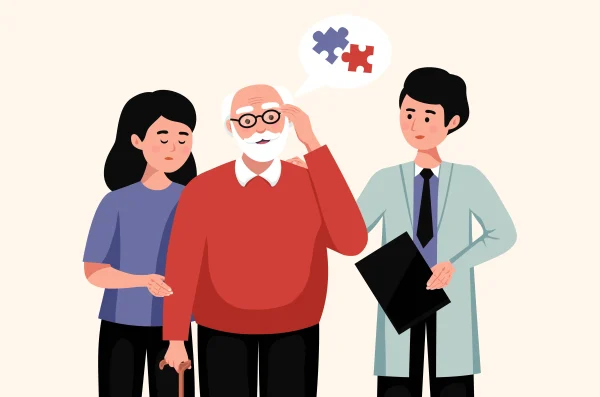
Many people assume dementia entirely revolves around forgetting names or losing keys. As noted by a Fast Fact guide from mypcnow.org, behavioral and psychological symptoms of dementia span far beyond memory loss, encompassing agitation, depression, anxiety, delusions, and sleep disturbances. Chronic anxiety and deep-seated fears often mask themselves as forgetfulness. Specialists look past the memory issues to see the whole person. They evaluate how the senior interacts with their surroundings.
The Unseen Intersection of Depression and Aggression
Late-life depression presents differently from depression in younger people. Instead of crying or staying in bed, a senior might pace constantly or snap at loved ones. Doctors call this "pseudodementia" because the person appears cognitively impaired when they are actually suffering from a treatable mood disorder. Specialized care identifies these symptoms early. Treating the root depression often clears up the memory problems and stops the aggressive behavior.
Screening for Sensory Impairments and Delirium
Vision and hearing loss create environments filled with shadows and muffled sounds. This isolation leads to intense fear and confusion. Specialists screen for these issues alongside aging neurocognitive disorders. They also watch for delirium, which is a medical emergency. Unlike the slow decline of dementia, delirium happens fast and fluctuates throughout the day. Catching these differences saves lives and prevents permanent brain damage.
Managing Aging Neurocognitive Disorders with Precision Care
Every type of brain decline requires a different plan. A plan that works for Alzheimer’s might fail for someone with vascular issues. Doctors use MRI data to see where the brain is thinning. For example, thinning in the anterior cingulate cortex directly correlates with higher levels of agitation. Knowing the exact location of the damage helps doctors choose the right therapy.
Distinguishing Between Alzheimer’s and Vascular Changes
Vascular changes often follow a "stair-step" pattern. A person stays stable for months and then drops suddenly after a tiny, unnoticed stroke. Alzheimer's usually moves in a smoother, downward slope. Specialists use these patterns to predict future needs. They also look for Lewy Body Dementia, which makes people highly sensitive to standard antipsychotics. Avoiding the wrong medication is equally important as finding the right one.
Non-Pharmacological Interventions That Work
According to Fast Facts from mypcnow.org, non-pharmacologic therapies and environmental adjustments serve as the primary, first-line treatments for behavioral symptoms in dementia. Specialists introduce Snoezelen rooms, which use controlled lighting and textures to lower a person's heart rate. They also teach Validation Therapy. This method encourages caregivers to agree with the senior’s feelings rather than arguing over facts. How do you calm an agitated person with dementia? To calm an agitated senior, use a low, soothing voice, maintain eye level, and redirect their attention to a familiar, comforting task. These techniques reduce the need for pills and increase daily joy.
The Role of a Geriatric Psychiatry Specialist in Care Teams
A specialist does not work alone. They act as the captain of a larger team. This team includes neurologists, nurses, and social workers. Each person looks at a different piece of the puzzle. Together, they create a safety net for the senior. This collaborative approach ensures that no symptom goes ignored.
Building a Multidisciplinary Support System
The psychiatrist coordinates with the neurologist to track physical brain changes. Meanwhile, they work with social workers to help the family find resources. This team approach stabilizes elderly mental health more effectively than any single doctor could. It ensures the senior has a consistent environment and a clear medical plan.
When to Seek an Immediate Professional Consultation
Families should look for specific "red flags" before a crisis hits. Sudden changes in sleep patterns or a refusal to eat often signal a psychiatric shift. If a senior starts seeing things that aren't there or becomes physically violent, they need an expert immediately. Early intervention prevents hospital stays and keeps the senior in their home longer.
Environmental Causes and Clinical Interventions
The physical environment heavily influences how a senior feels. A cluttered room or a loud television can spark a meltdown. Specialists help families "senior-proof" the home environment. Creating a space that feels safe and easy to navigate takes priority over simply removing rugs to prevent falls.
Structuring a Failure-Free Environment
A failure-free environment removes tasks that frustrate the senior. For example, replacing complicated clothing fasteners with Velcro reduces morning stress. Reducing "sundowning" also requires environmental shifts. Keeping the house brightly lit in the late afternoon prevents the confusion that comes with shadows. These small changes lead to much calmer evenings for everyone.
The Importance of Routine and Sensory Regulation
Predictability acts as a shield against anxiety. Seniors with aging neurocognitive disorders thrive on strict schedules. Eating, bathing, and sleeping at the same time every day lowers cortisol levels. When the environment feels confusing, a routine provides a sense of control. This stability reduces the urge to pace or scream out of frustration.
Sustainable Recovery and Quality of Life Improvements
Proper care changes the lives of both the patient and the family. A report from ResearchGate highlights that aggressive and agitated behaviors severely diminish the quality of life and cause significant distress for both patients and their caregivers. When the senior feels calm, the entire household breathes easier. Geriatric Psychiatry focuses on improving the quality of life, alongside extending it. Stability allows for meaningful moments, like sharing a meal or looking at old photos.
Reducing Caregiver Burnout Through Clinical Support
Caregivers often suffer from high rates of heart disease and depression. Watching a loved one struggle with agitation takes a massive toll on the body. When a specialist stabilizes the senior, the caregiver’s health improves by nearly 40%. Professional support provides the family with the tools they need to stay resilient. It changes the role of the caregiver from a "crisis manager" back to a son, daughter, or spouse.
Setting Realistic Goals for Behavioral Stability
Recovery looks different in late life. It might mean three days without an outburst rather than a total "cure." Celebrating these small wins keeps the family motivated. Specialists help set these goals based on the specific stage of the disease. They focus on the "Dignity of Risk," allowing the senior to do as much as possible while staying safe.
Restoring Peace with Geriatric Psychiatry
Agitation does not have to define the final years of life. While brain changes cause distress, modern medicine and specialized techniques offer a way out of the chaos. Geriatric Psychiatry provides the expertise needed to navigate these difficult waters. It turns fear into understanding and anger into peace.
Families deserve to enjoy their time together without the constant shadow of an outburst. Addressing the physical and emotional roots of aging neurocognitive disorders helps specialists restore a sense of calm to the home. Seeking professional help is the first step toward reclaiming a dignified life for your loved one. Specialized care turns a difficult process into a manageable one, ensuring every senior receives the respect and stability they deserve.
Recently Added
Categories
- Arts And Humanities
- Blog
- Business And Management
- Criminology
- Education
- Environment And Conservation
- Farming And Animal Care
- Geopolitics
- Lifestyle And Beauty
- Medicine And Science
- Mental Health
- Nutrition And Diet
- Religion And Spirituality
- Social Care And Health
- Sport And Fitness
- Technology
- Uncategorized
- Videos