
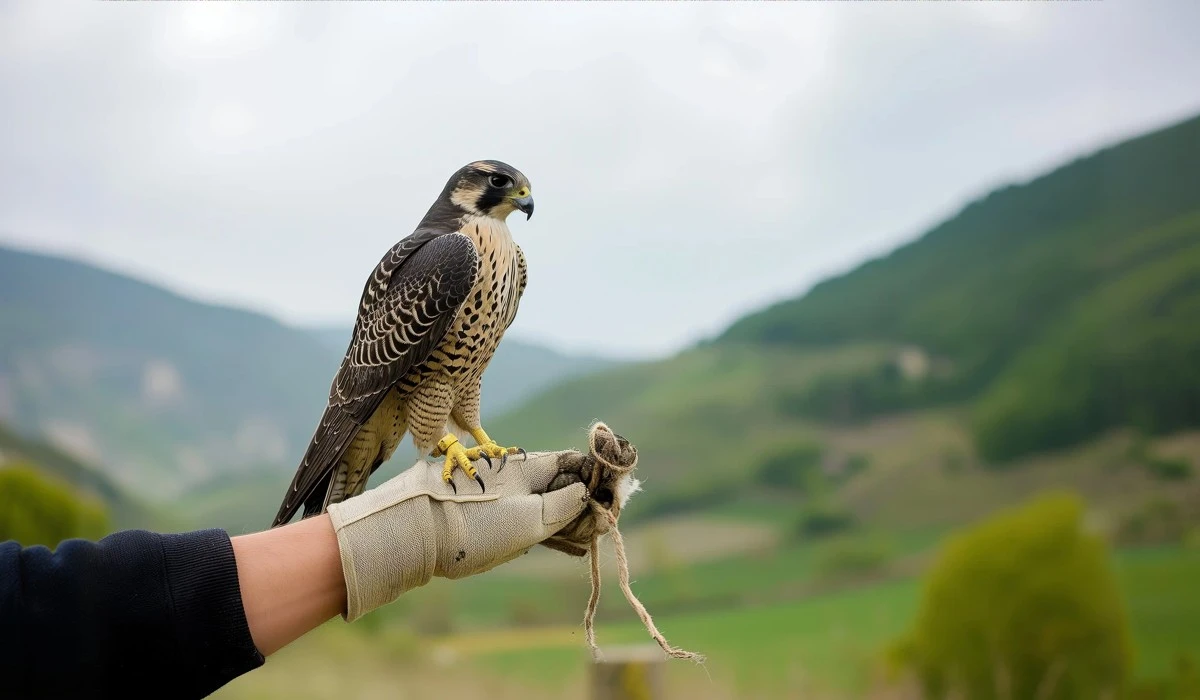
Falconry: Building Stronger Bonds Through Husbandry
When you unhood a hawk, you release a wild predator that owes you nothing. This bird does not recognize your authority or feel a sense of loyalty. It views you as a part of its world.
The bird stays with you because it views your presence as a benefit. If you neglect the perch, the bird finds its own path in the woods. Successful Falconry thrives only when the bird chooses you over the open sky.
This choice happens long before the hunt. It starts in the mews during the quiet hours of the day. You earn the right to fly a raptor through the work you do when no one is watching.
Every interaction either builds or breaks the bird's confidence in you. Attentive care creates the bond that allows for a successful hunt. This effort ensures the bird returns to your glove time after time.
Why Modern Falconry Starts with Mutual Trust
The sport of Falconry once relied on keeping birds in a state of high hunger to force cooperation. Modern handlers understand that a stressed bird is an unpredictable one. We now focus on a partnership where the bird feels secure.
The Psychology of the Raptor Brain
A raptor interprets its world through the lens of safety and survival. High levels of the stress hormone cortisol make a bird flighty and aggressive. You must act as a predictable element in its life to lower these levels.
Holy Roman Emperor Frederick II noted this in his 13th-century text. He observed that birds react to calm, steady movements. As translated by Casey Wood in a historical archive, because sudden movements can alarm the wild bird, a handler must use calming phrases rather than rushing or shouting to gain the trust of a hawk or falcon.
Reliability through Routine
Consistency serves as a "safe harbor" for the bird. When you feed, clean, and carry the bird at the same time each day, you remove the element of surprise. The bird learns that you are a reliable source of stability.
A predictable schedule makes the bird more willing to return during free flight. It knows that your glove represents safety and a guaranteed meal. This routine forms the backbone of a successful season.
Refine Bird of Prey Husbandry to Build Reliability
Superior bird of prey husbandry encompasses a comprehensive system of health and mental management alongside routine cage cleaning. A healthy bird is a focused bird that wants to work with you.
Nutrition and Weight Management as Communication
Precision is everything in weight management. You must record the bird's weight in grams every single morning. While exact percentages vary, a falconry guide published by the New York State Department of Environmental Conservation highlights that a raptor's weight dictates its appetite and responsiveness, meaning even a minor variation can change how the bird responds to your signals in the field.
You are looking for the "sweet spot" where the bird is physically strong but mentally keen. Beginners often ask, Is falconry hard to learn? The learning curve is steep due to the biology and laws involved, but disciplined daily care makes the process intuitive.
Feeding a variety of whole-carcass prey prevents nutritional gaps. You must avoid a diet of only frozen-thawed meat. According to the MSD Veterinary Manual and related neurological research on thiamine deficiency, a lack of Vitamin B1 leads to "stargazing," a condition where the bird suffers from seizures and loses its sense of balance, which is why daily supplementation is advised for birds on restricted diets.
Mews Maintenance and Physical Comfort
The "mews" or housing must be a sanctuary. It needs enough room for the bird to fully extend its wings without touching the walls. As outlined by the MSD Veterinary Manual, poor ventilation concentrates spores from contaminated material, meaning proper airflow prevents the growth of dangerous molds that cause gasping or respiratory failure from fungal infections like aspergillosis.
Effective bird of prey husbandry includes using diverse perch surfaces. According to the Association of Avian Veterinarians, padding perches with varied materials like natural bark or specialized turf helps prevent Bumblefoot. A related article by VCA Animal Hospitals adds that this inflammatory condition often results from improper perching or standing on hard, unpadded surfaces, which can end a bird's hunting career if the feet develop sores.
Implementing Raptor Training Techniques for Field Success
Moving a bird from a wild state to a hunting partner requires specific raptor training techniques. You are shaping the bird's instincts to include you in its hunting process.
Manning and Desensitization
Manning is the process of habituating the bird to human environments. You carry the bird on your glove for several hours a day. This exposes the raptor to cars, dogs, and people in a controlled way.
The goal is to avoid "flooding" the bird with too much stress at once. You watch for signs of relaxation, such as the bird preening its feathers or standing on one foot. These small signals show that the bird is becoming comfortable in your presence.
Shaping Behavior with Positive Reinforcement
We use operant conditioning to reward the behaviors we want to see. When the bird flies to the glove, it receives a high-value piece of meat. We use a whistle as a "bridge" to tell the bird exactly when it did the right thing.
This method replaces force with incentive. You can even use "jump-ups" to build the bird's muscles. Having the bird fly vertically from the ground to your glove builds the pectoral strength needed for high-speed chases.
The Daily Discipline of High-Level Falconry
Success in Falconry is won through the repetition of small, boring tasks. These daily chores keep the bird alive and the equipment safe. A single equipment failure can lead to the loss of your bird.
Equipment Checks and Safety Protocols
You must inspect your jesses, leashes, and swivels every time you move the bird. Leather wears down over time and can snap during a sudden movement. This check protects the bond of trust by preventing accidents.
Modern systems like the Aylmeri jess provide an extra layer of safety. This two-part system uses a leather cuff and a removable strap. If the bird gets lost, it can pull the straps out and avoid getting tangled in a tree.
The Ritual of the Daily Health Inspection
The daily "once-over" is your best diagnostic tool. You check the eyes for clarity, the feet for heat or swelling, and the feathers for damage. This physical contact reinforces your bond and helps you catch illnesses early.
During this time, you might wonder about the financial commitment. People ask, How much does a falconry bird cost? While the price of the bird itself varies by species, the real cost lies in the high-quality food and specialized gear required for its health.
You also look for the "casting" each morning. This is the pellet of fur and bone the bird spits up. Research published by the New Zealand Department of Conservation notes that sick or dehydrated raptors may retain their casts, indicating that monitoring the color and texture of this pellet helps tell you if the bird's digestive system is working correctly.
Environmental Stability as a Pillar of Falconry
The environment around the bird dictates its mood and health. You must manage where the bird spends its time when it is not hunting. External factors like the sun and wind play a massive role in the bird's feather quality.
Managing Weathering and Sun Exposure

"Weathering" means placing the bird outdoors in a safe, fenced area. This gives the raptor access to fresh air and sunlight. Sun exposure is vital for Vitamin D synthesis, which keeps bones strong.
A shallow bath of clean water should always be available. Raptors love to bathe to keep their feathers clean and aligned. A bird with dirty or broken feathers cannot fly with the precision needed for a successful hunt.
Territory Familiarization
Before you hunt, you must introduce the bird to the field. You start by sitting with the bird in the new area without asking it to fly. This allows the raptor to scan the horizon and identify potential threats like eagles or hawks.
Once the bird is calm, you can begin short flights. This gradual introduction ensures the bird stays focused on you instead of panicking. It builds the confidence the bird needs to chase quarry in unfamiliar territory.
Refining Communication Skills in Professional Falconry
Advanced Falconry requires you to read the bird's body language like a second language. You must know what the bird is thinking before it takes action. This level of communication prevents lost birds and missed opportunities.
Deciphering Body Language and Vocalizations
A "keen" bird stands tall and watches the bushes for movement. A frustrated bird may scream or "bate" off the glove toward its mews. You must learn to see the difference between a bird that is ready to hunt and one that is stressed.
Understanding these signals is a legal and ethical requirement. Newcomers often ask, Do you need a license for falconry? Based on guidelines from the Texas Parks and Wildlife Department, aspiring permit holders in the United States must practice under a sponsor for a two-year apprenticeship and correctly answer at least 80 percent of the questions on a state exam to hold a permit.
When a bird enters a state called "Yarak," it is in a peak state of readiness. Its feathers are slightly puffed, and its grip on the glove is firm. This is the ideal moment to release the bird for a hunt.
The Role of Lure Work in Recovery
The lure is a weighted leather pad decorated with feathers and meat. It serves as a safety net if the bird refuses to return to the glove. Swinging the lure creates a visual signal that is impossible for the bird to ignore.
Lure flying is also an excellent way to provide aerobic exercise. It forces the bird to make tight turns and high-speed stoops. This conditioning ensures the bird has the stamina to succeed when it finally chases live quarry.
The Ethics of Longevity in Falconry
Your goal is to keep your bird healthy and hunting for as long as possible. Many raptors can live for over twenty years in captivity with the right care. This longevity is a testament to the quality of your husbandry.
Avoiding Over-Conditioning and Burnout
Raptors need rest days just like human athletes. Pushing a bird to hunt every single day can lead to physical exhaustion and mental burnout. You must recognize when the bird needs a day of "high-feeding" to recover its energy.
The annual "molt" is another time for rest. The bird drops its old feathers and grows new ones, which requires a massive amount of calories. During the molt, you focus on high-fat diets and minimal stress to ensure the new feathers are strong.
Mentorship and Ongoing Learning
Avian science is always changing. A responsible falconer stays updated on new medical treatments for diseases like Frounce or Aspergillosis. You should never stop learning from other experienced handlers.
Mentorship is a core part of the culture. Sharing observations about raptor training techniques helps the entire community. This collective knowledge ensures that every bird in the sport receives the best possible care.
Cultivating a Lifelong Partnership in Falconry
True success in this field is measured by the health of your bird and the reliability of its return, rather than the amount of game you catch. You are a provider and a partner to a wild creature that has no reason to stay except for the value you provide.
The fusion of advanced raptor training techniques and strict bird of prey husbandry creates a bond that lasts for years. This partnership allows you to witness the raw power of nature from a front-row seat. It is a privilege that you must earn through discipline every single day.
Take a moment to look at your current routines. Check your weight logs, inspect your mews, and evaluate your training schedule. Small improvements in your daily habits will lead to a deeper bond and more successful flights in the sky of Falconry.
Recently Added
Categories
- Arts And Humanities
- Blog
- Business And Management
- Criminology
- Education
- Environment And Conservation
- Farming And Animal Care
- Geopolitics
- Lifestyle And Beauty
- Medicine And Science
- Mental Health
- Nutrition And Diet
- Religion And Spirituality
- Social Care And Health
- Sport And Fitness
- Technology
- Uncategorized
- Videos

