
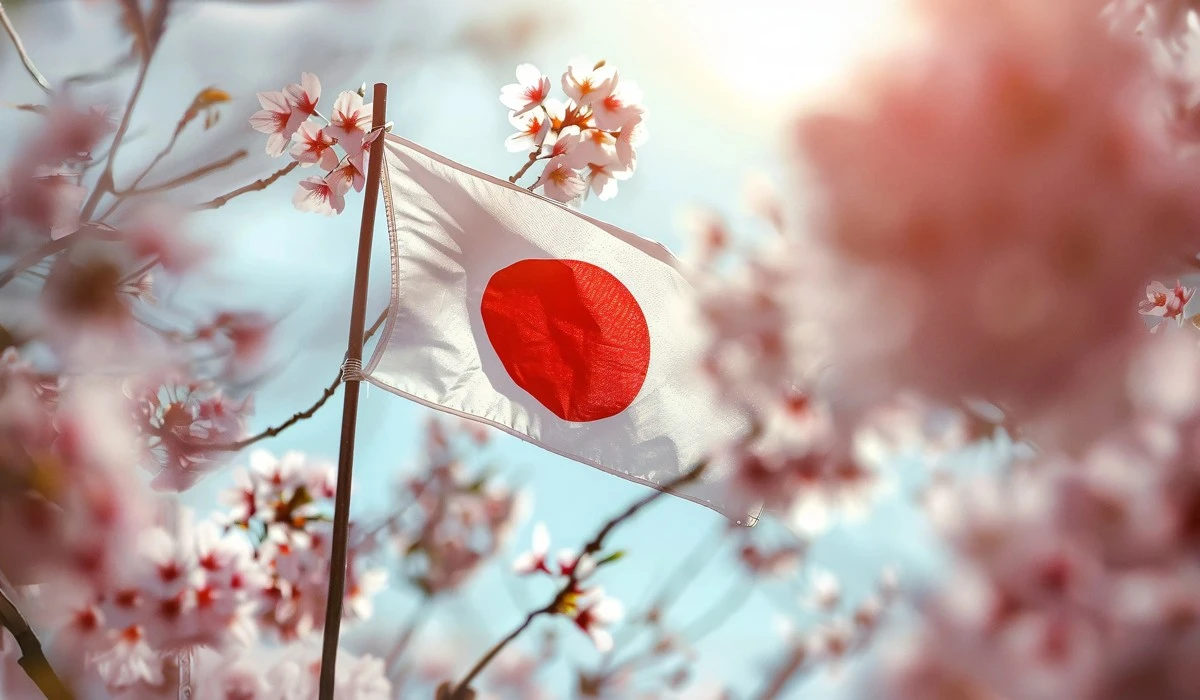
Japan Surname Law: 1800s Rule Breaking Couples
When a government forces couples to share one last name, some singles start filtering potential partners by what their ID card says.
As reported by both AP News and Reuters, the Japan married surname law requires every newlywed couple to adopt the same surname at the time of marriage, forcing them to collapse two family names into one. One person keeps their legal identity. The other files paperwork to legally erase theirs.
This late-1800s civil code creates serious friction for modern couples. According to data published by Nippon, 95.3 percent of Japanese married couples were using the husband's surname as of 2020. That lopsided reality sparks breakups, legal battles, and headaches for executives doing business internationally.
So, some singles stopped waiting for politicians to act. They started targeting partners with identical last names on dating profiles, cutting out the legal conflict before the first date even begins.
The Dating Market's Strange New Filter Under the Japan Married Surname Law
On a Friday evening in a Tokyo venue, a very specific matchmaking event takes place. Thirty attendees rotate through 15-minute speed-dating rounds. Everyone in the room shares a common romantic goal. They also share the exact same last name.
Advocacy group Asuniwa and Shinjuku Ward-based matchmaking company IBJ designed this event together. They scheduled four matchmaking sessions running from March 27 to April 1, capping attendance at 30 people per session to keep things focused.
The events specifically targeted the most common last names in IBJ's client database, including Suzuki, Tanaka, Sato, and Ito.
Corporate Sponsorship for Same-Name Romance
The private sector showed up to support this workaround. Thirty-seven same-name companies sponsored the initiative. Suzukien provided premium chocolate for attendees. Suzuki Shuzoten Nagaigura supplied sake for the speed-dating rounds.
Asuniwa event designer Yuka Maruyama organized the sessions to draw attention to how much friction Japan's mandatory name-change rule creates in everyday life. She chose a lighthearted approach so the message could reach a wider audience. Couples who already share a last name face zero friction at the local registry office, and pairing them up makes the problem visible in a way that feels approachable rather than political.
Why the Japan Married Surname Law Causes Breakups
The dating app Pairs recently surveyed 2,500 users in their 20s and 30s, and the results show how deeply this law cuts into people's willingness to marry. Among respondents, 46.6 percent of men said they strongly resist changing their name. Meanwhile, 36.6 percent of women said the same.
Why does Japan require the same married surname? The government enforces Article 750 of the 1898 Civil Code to establish single-household marital integration. Over 7 percent of Pairs survey users said a disagreement over the surname law would end a relationship entirely. That confirms the Japan married surname law actively breaks up otherwise healthy couples.
The Personal Cost of the Japan Same Surname Law
Event participant Taisho Suzuki acknowledged that many women feel strongly about keeping their birth name. He also admitted his own strong resistance to giving up his name after marriage. For him, finding a partner who already shares his surname feels like the most secure path forward, since it sidesteps the legal fight entirely.
That said, Suzuki stayed open to the idea of partnering with someone who has a different last name. When couples do go that route, the name decision often carries real emotional and logistical weight that can strain the relationship before it even gets started.
The Corporate Backlash Against Japan's Married Surname Law
What starts as a paperwork issue at the local registry office can quickly turn into a business problem that crosses borders.
Japan's business lobby has pushed aggressively for legislative reform. A recent Keidanren survey found that 82 percent of female executives strongly support a dual-surname system. Research published in PubMed notes that women who adopt their husband's surname face significant professional setbacks under current registry rules. Female academics, for example, lose the connection between their published research and their new legal name, which can set their careers back considerably.
Executives also report friction with international partners who struggle to keep track of Japanese counterparts who suddenly change their last names on corporate documents and email addresses.
Workplace Complications Tied to the Single Surname Law in Japan
Event participant Hana Suzuki said she doesn't personally feel attached to her birth name. Her frustration instead lands squarely on the professional disruption that name changes cause. Updating email addresses, company directories, and corporate identities takes real time and effort, and it signals instability to external partners.
Under a hypothetical dual-surname system, her main concern shifts to children. When parents carry different legal names, couples still need a clear process for how to register their children.
Political Roadblocks Around the Japan Married Surname Law
Conservative politicians have fought hard against any move toward optional dual surnames. Conservative leader Sanae Takaichi has been one of the most vocal opponents. She argues that a shared family registry entry remains essential for keeping parents and children legally linked. Supporters of the 19th-century civil code also worry that separate surnames will confuse children and weaken the traditional family structure.
Takaichi prefers allowing people to use their birth name informally rather than legalizing dual surnames outright. The government compromise so far has been to expand document flexibility, allowing birth names to appear on passports and driver's licenses without fully legalizing separate surnames for married couples.

A High-Profile Surname Flip
Takaichi experienced this law firsthand. She ended her first marriage to Yamamoto through a widely publicized 2017 divorce. The couple later reconciled and remarried in 2021. During that remarriage, her husband legally took the Takaichi surname, making it a rare case of a male name change in a public political figure's life.
The Regression of Modern Equality Initiatives Under the Same Surname Law
During the Yoshihide Suga administration, political pressure stalled meaningful social progress. The government originally set a 30 percent female leadership target for the year 2020, then pushed that goal back to the late 2020s. The administration also dropped a heavily debated sexual minority equal rights bill entirely.
That political environment left couples with no clear path forward under the Japan married surname law, and it signaled that the base structure of the family registry was not going to change anytime soon.
The Legal Loophole in the Japan Married Surname Law
Japan's single-surname rule has a clear geographic exception. Can foreigners keep their last name when marrying in Japan? Yes, as noted by Nippon, foreign national spouses receive an exemption because international marriages allow different surnames.
This creates a visible inconsistency. Japanese couples face a firm national prohibition on separate surnames at marriage, while the legal system readily recognizes separate-surname marriages involving a foreign national, processing them without requiring domestic family registry inclusion.
That gap angers many Japanese citizens. They watch international couples bypass the exact hurdle that complicates their own relationships, while the Japan married surname law applies full pressure only to domestic couples.
The Legal Battles Challenging Japan's Single Surname Law
Couples have taken the Japan married surname law to the highest courts, and the courts have not budged. In 2015, a 15-member grand bench of the Supreme Court ruled against three separate couples who challenged the single-surname requirement, firmly upholding the 19th-century civil code.
The Soda and Kashiwagi Dilemma
A more recent case involves Kazuhiro Soda and Kiyoko Kashiwagi. The couple married in the United States in 1997, and on January 16, the Tokyo Family Court ruled their foreign marriage legally valid. But Judge Yukiko Suguri upheld the Chiyoda Ward's rejection of their registry application, stating that surname selection falls outside the core requirements of marriage. The ward's rejection remains fully lawful under Japanese Civil Law.
Soda criticized the decision directly. He pointed out the wide gap between how modern relationships actually work and how rigid local bureaucracy continues to operate. He holds a legally valid marriage, yet faces registry exclusion simply for refusing to give up his name.
What the Future Holds for the Japan Married Surname Law
Young adults are not sitting around waiting for the government to catch up. According to the Pairs app survey, 57.1 percent of users feel strongly invested in the surname debate. Another 5.9 percent said they would delay marriage entirely until the law changes.
Will Japan change its single surname law? The government shows no immediate signs of amending the Civil Code, so advocacy groups continue pressing for reform on their own terms. Asuniwa's Naho Ida openly acknowledged that their matchmaking project has only a minor direct effect on the broader legal situation. Still, she stressed that giving couples the freedom to choose their surnames is a social necessity, not a niche preference.
Ida advocates for proactive, joyful action rather than waiting out political stagnation. Couples maneuver around the Japan married surname law through personal creativity, whether by finding same-name partners or filing extensive lawsuits. A report by The Japan Times also notes that 30 percent of people in de facto marriages have not filed for marriage registration because they or their partners do not want to change their surnames.
A System Running Out of Time
The tension between a 19th-century statute and modern romantic life keeps growing. When single adults filter potential spouses by their legal last name before even going on a first date, the social and legal system clearly needs an update.
The Japan married surname law corners everyday people. They fight the courts, delay their unions, or organize hyper-specific speed-dating events to work around a law that has not changed in over 100 years. Politicians offer expanded passport options as a compromise, but the public increasingly demands permanent legislative reform. Until the government rewrites the registry requirements, singles will keep outsmarting the Japan married surname law one matching surname at a time.
Recently Added
Categories
- Arts And Humanities
- Blog
- Business And Management
- Criminology
- Education
- Environment And Conservation
- Farming And Animal Care
- Geopolitics
- Lifestyle And Beauty
- Medicine And Science
- Mental Health
- Nutrition And Diet
- Religion And Spirituality
- Social Care And Health
- Sport And Fitness
- Technology
- Uncategorized
- Videos