
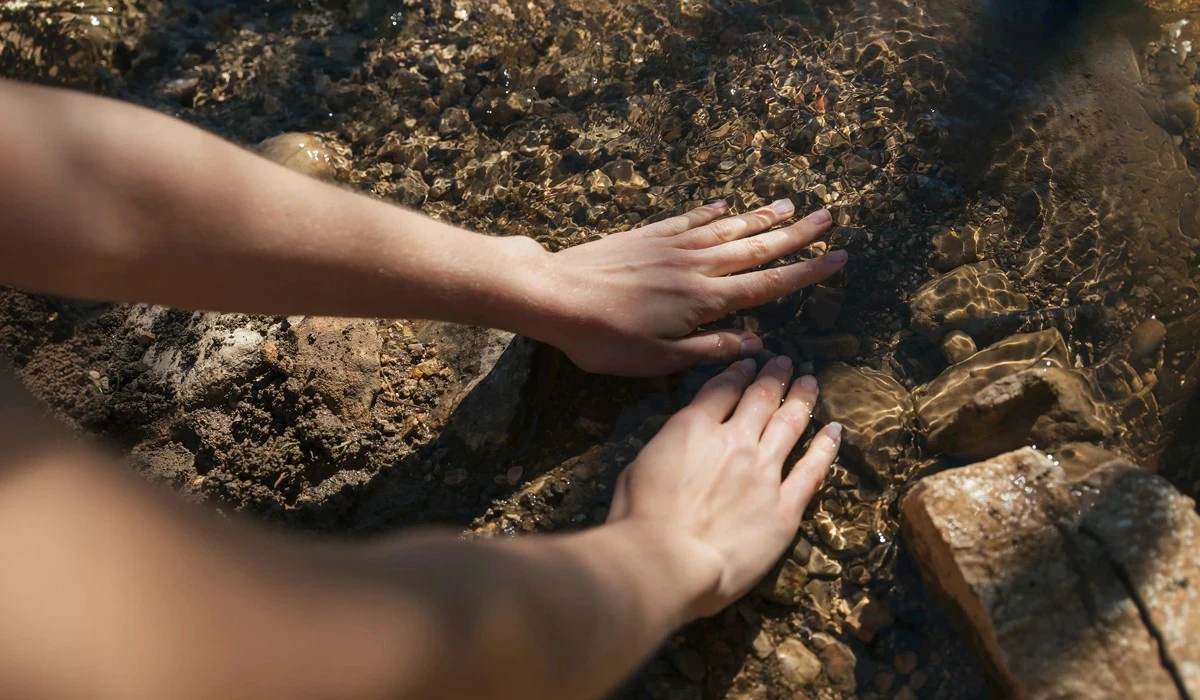
Rewilding: Healing Our Soil via Natural Growth
People treat soil like a dead stage for plants. They view it as a brown backdrop that requires chemicals and heavy steel to stay productive. In reality, a single teaspoon of healthy dirt holds more living things than there are humans on Earth. We break this living skin every time we drag a plow through it. We starve these life forms when we spray synthetic salts onto the land.
Rewilding changes how we see the ground beneath our feet. This approach treats the land as a living body that knows how to heal itself. We often ignore the detailed relationships happening under the grass. Choosing ecosystem species restoration brings back the biological actors that build the earth.
Nature uses a specific set of rules to keep the planet fertile. We disrupt these rules with intensive management. Shifting back to natural processes repairs the damage we have done over centuries. Using habitat conservation tactics allows the soil to breathe and grow once again. This phase starts with understanding how the ground recovers when we step out of the way.
The Science of Soil Rebirth through Rewilding
Rewilding follows the "3-C Framework" developed by Michael Soulé and Dave Foreman. This model focuses on Cores, Corridors, and Carnivores. While most people think of big animals, this framework directly affects the dirt. Predators keep herbivores moving, which prevents them from overgrazing and exposing bare earth to the sun.
Healthy soil creates a substance called glomalin. Arbuscular mycorrhizal fungi produce this "biological glue." It accounts for nearly 27% of all soil carbon. When we leave the land alone, these fungi thrive. They bind soil particles together, which creates a stable structure that resists wind and rain.
Rebuilding the Micro-Ecosystem
Mycelium acts as a giant communication web under the trees. These fungal networks trade nutrients with plant roots for sugar. Rewilding protects these networks from the destructive blades of a plow. Tilling slices through these webs and kills the tiny organisms that feed the plants.
Without chemical fertilizers, the soil shifts its balance. Modern farms have bacterial-dominant soils because of heavy disturbance. A wild system moves toward fungal dominance. This shift allows the ground to store more carbon and hold more nutrients for the long haul.
Achieving Resilience via Ecosystem Species Restoration
Native plants offer benefits beyond their appearance; they act as biological pumps. According to information published in ScienceDirect, plants release up to 40% of their photosynthates through their root systems into the soil. These secretions feed beneficial microbes, creating a rich zone of life around every root tip.
How does rewilding improve soil quality? The reintroduction of keystone species naturally aerates the earth and cycles nutrients, reversing compaction and replenishing depleted organic matter. These living things turn dead leaves into rich black earth without any help from humans.
Ecosystem species restoration also brings back native legumes like vetch and clover. As explained in Frontiers in Sustainable Food Systems, these legumes improve soil fertility through a symbiotic relationship with rhizobia that fix atmospheric nitrogen. Research published in Agriculture, Ecosystems & Environment indicates that a wild field can fix between 50 and 300 kilograms of nitrogen per hectare annually. This natural process replaces the need for factory-made urea.
Deploying Proven Habitat Conservation Tactics
Effective land repair requires the use of habitat conservation tactics that prioritize the soil seed bank. Every patch of earth contains thousands of dormant seeds waiting for the right conditions. The establishment of "no-go" zones gives these seeds a chance to wake up. These plants eventually form a thick carpet that protects the topsoil from erosion.
We also use the "4 per 1000" initiative as a guide. As noted in a report by the UK Government’s Natural Capital Committee, an annual 0.4% increase in soil carbon stocks could help offset total human carbon emissions. Rewilding provides the most reliable way to hit this target. It uses the land's natural capacity to suck carbon out of the sky and bury it.
Strategic Non-Intervention and Buffer Zones
Non-intervention involves prioritizing natural succession rather than taking no action at all. We create buffer zones around sensitive areas to keep heavy machinery away. These zones act as a filter for pollutants and a nursery for new life.
Ironically, "untidy" borders protect the land better than clean ones. Thick brush and fallen logs catch blowing dust and organic debris. This material breaks down and creates new layers of topsoil. These habitat conservation tactics build a resilient barrier against the changing climate.
Keystone Species as Rewilding Architects
Earthworms act as nature’s construction crew. According to the Soil Association, earthworms produce vermicast, a waste product containing five times more nitrogen and seven times more phosphorus than standard soil. Ecosystem species restoration focuses on bringing these worms back to compacted fields.
Which animals are best for soil restoration? Earthworms, dung beetles, and large roaming herbivores are essential because they mechanically mix the soil and distribute nutrient-rich organic matter across vast distances. These animals do the work that tractors used to do, but they do it for free and without fossil fuels.
Dung beetles play a massive role that most people miss. They bury animal waste deep into the root zone. This prevents nitrogen from escaping into the air as a gas. It also moves organic matter into the lower layers of the soil, where it can stay for centuries.
The Connection Between Rewilding and Water Retention
Healthy soil acts like a giant sponge. Research from the USDA highlights that a 1% rise in organic matter allows the ground to retain an extra 25,000 gallons of water per acre. This happens because Rewilding creates pores and channels in the earth. When rain falls, it sinks in instead of washing away the topsoil.
Deep-rooted plants like wild chicory act as biological drills. They punch through hard layers of clay that once blocked water. This process hydrates the deep subsoil and keeps plants alive during long dry spells. Ecosystem species restoration ensures that the terrain remains green even when the rain stops.
Increasing Porosity through Natural Growth

Water infiltration rates tell the true story of soil health. At the Knepp Estate in the UK, researchers found a shocking result. Rewilded scrubland absorbed water 60 times faster than fields grazed by sheep. The natural growth creates a network of tunnels that direct water exactly where it needs to go.
These deep roots also perform "hydraulic lift." At night, they pull water from deep underground and release it into the dry upper layers. This keeps the soil microbes active even in the middle of a drought. This natural irrigation system maintains the health of the entire terrain.
How Rewilding Benefits Modern Agriculture
Rewilding helps farmers by creating a "spillover effect." Wild borders house predatory mites and beetles. These insects migrate into crop fields and eat pests. This reduces the need for toxic sprays that kill the life in the dirt.
Can rewilding work on farmland? Yes, through the use of habitat conservation tactics like wild corridors and silvopasture, farmers can restore natural fertility and significantly reduce their reliance on expensive synthetic inputs. These methods combine the best of nature with the needs of food production.
Silvopasture is a powerful tool in this shift. It mixes trees with grazing land. The trees provide shade for animals and deep roots for the soil. Studies show that these systems store five to ten times more carbon than standard treeless pastures.
Overcoming Barriers to Ecosystem Species Restoration
The biggest obstacle to land healing is our obsession with "neatness." We have a "Shifting Baseline Syndrome" where we think a mowed lawn is healthy. In reality, a manicured park is a biological desert. Ecosystem species restoration requires us to embrace a bit of messiness.
Fallen leaves and dead wood provide the fuel for new soil. When we "clean up" the woods, we steal the nutrients that the trees need. We must teach people that a thick layer of leaf litter is actually a functional skin for the planet.
Shifting the Cultural Model of "Neatness"
We often penalize farmers for having "unproductive" scrub on their land. Many government subsidies only pay for land that looks like a clean slate. This policy forces people to destroy the very habitats that restore the Earth.
Rewilding is a long-term investment in the value of the land. It builds real fertility that survives for generations. A move away from short-term chemical fixes ensures that our children will have healthy ground to stand on. This shift requires courage and a new way of looking at the wild.
Why Our Future Depends on Rewilding
We cannot survive on a planet with dead soil. Our food, our water, and our climate all depend on the living organisms under our feet. Rewilding offers the most direct path to fixing the damage we have caused. It moves us away from the role of a conqueror and into the role of a partner with nature.
We must commit to ecosystem species restoration on a massive scale. This means letting the worms, the fungi, and the wild herbivores do their jobs. It means protecting the ground from the heavy hand of industrial management.
Our survival depends on adopting habitat conservation tactics today. Every acre we return to nature becomes a carbon sink and a water reservoir. We have the tools to heal the earth’s skin. We only need to give the land the space it needs to breathe again.
Recently Added
Categories
- Arts And Humanities
- Blog
- Business And Management
- Criminology
- Education
- Environment And Conservation
- Farming And Animal Care
- Geopolitics
- Lifestyle And Beauty
- Medicine And Science
- Mental Health
- Nutrition And Diet
- Religion And Spirituality
- Social Care And Health
- Sport And Fitness
- Technology
- Uncategorized
- Videos

