
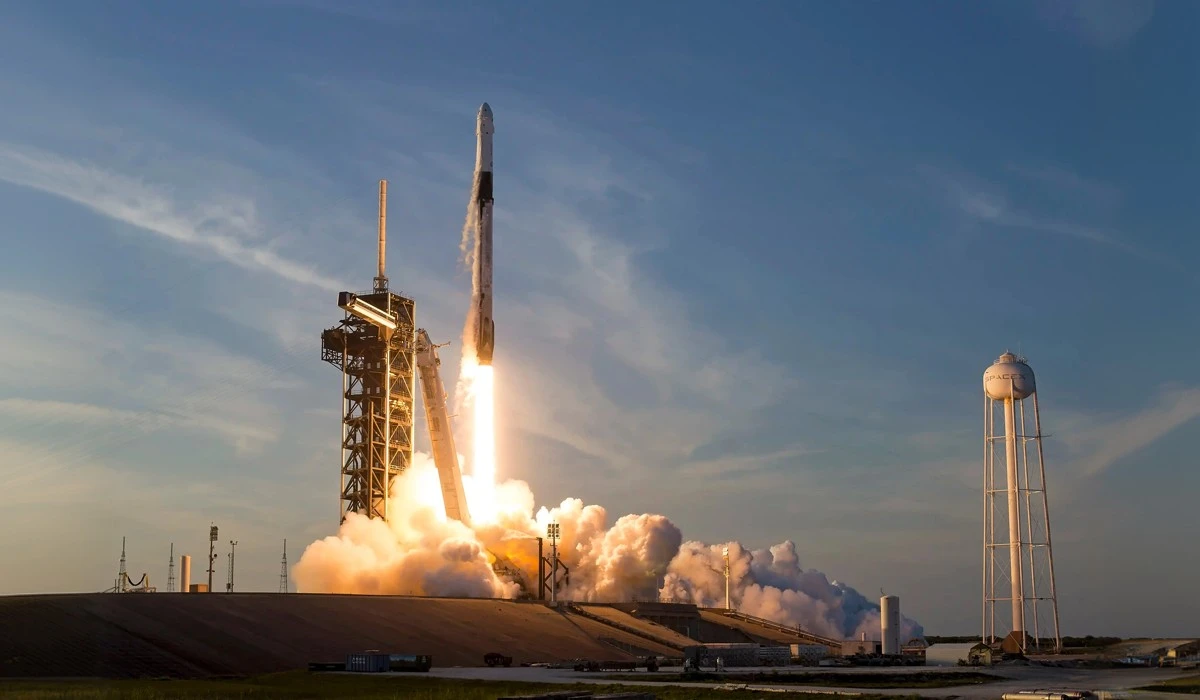
SpaceX IPO 2026 Could Create a Trillionaire
Elon Musk has spent the last decade quietly building a financial structure that almost no one saw coming. He merged Tesla's cash, xAI's computing power, and SpaceX's rockets into one system where each company props up the others. Now that structure is about to go public. The SpaceX IPO, expected in June 2026, could turn Musk into the world's first trillionaire and give everyday investors their first shot at buying into a company that already dominates orbit. This is not just another tech listing. It is the biggest financial event the stock market has seen in years, and the numbers back that up.
Musk Fuses Separate Companies to Control SpaceX Research Costs
Elon Musk fuses his separate companies into one unit to manage the true cost of research and development across his empire. Resources move between Tesla, xAI, and SpaceX without outside interference. According to a Reuters report, SpaceX filed for an IPO in early 2026 after acquiring the AI startup xAI in an all-stock deal, valuing xAI at $250 billion. Before that merger, Tesla had already funneled more than $2 billion into xAI. Emily Zheng from Pitchbook points to the xAI integration as clear evidence of cost reduction, noting that it proves Musk can shift resources between organizations with ease. This merger makes SpaceX a launch provider that also controls massive computing power and AI development.
The high cost of compute power and energy infrastructure demands enormous capital, and Musk merges these entities to prepare for the scaling requirements of the next decade. He recently highlighted the collaborative success of his companies, stating they achieved objectives previously thought impossible. How much is SpaceX worth? Following the merger with xAI, internal assessments value the combined company at approximately $1.25 trillion. That figure sets a new standard for private aerospace firms, placing SpaceX above most publicly traded tech giants before it has even listed a single share. The company now builds AI data centers alongside its rocket manufacturing plants. That diversification moves the business away from a single-product model and creates a structure that operates across both orbital and digital markets.
The Official SpaceX IPO 2026 Timeline
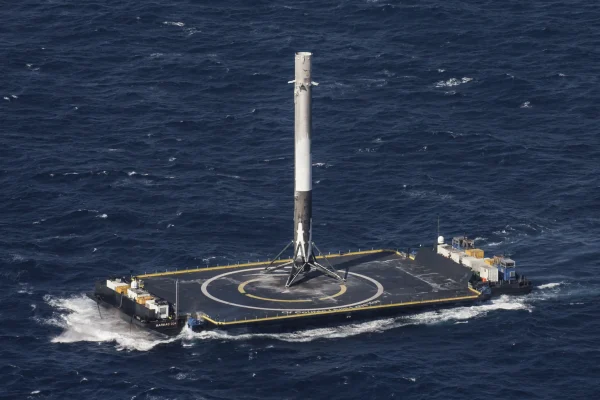
The road to the public market forces a historically secretive company to reveal its finances to the world. SpaceX started in a small El Segundo warehouse in 2002. It took four years to land an initial NASA contract through the COTS program, which gave the company the funds to develop cargo resupply systems. By 2008, the Falcon 1 Flight 4 became the first private liquid-fueled rocket to reach orbit. That success pulled the company back from the edge of bankruptcy and set the stage for a decade of dominance. Progress accelerated sharply after 2015, when the Falcon 9 Flight 20 successfully completed the first vertical booster landing, changing the economics of space travel permanently.
In 2019, SpaceX launched its first batch of Starlink satellites. In 2020, the Dragon 2 mission carried NASA astronauts to the International Space Station. Now the company prepares for its biggest financial step yet. Reuters reports that SpaceX submitted a confidential IPO filing to the US SEC with an expected launch in June 2026, though some analysts point to July 2026 as a fallback date. This timing allows the company to finalize the xAI merger and stabilize its 2025 revenue reports. The SpaceX IPO aims to raise more than $50 billion in capital from public shares. That money will fund energy-grid expansion and high-power computing centers necessary for Musk's broader plans.
Frequent Starlink Launches Give the SpaceX IPO Its Revenue Foundation
Frequent satellite launches provide the steady cash needed to build experimental rockets that often explode on the pad. Starlink currently generates more than 50% of total SpaceX income. A Reuters analysis of the company's finances shows revenue grew 51% to $13.1 billion in 2024, with most of that money coming from providing internet to remote areas and government agencies. That steady stream allows SpaceX to maintain a launch cadence of one to three rockets per week. The Starlink network acts as the financial engine for the Starship program. Starlink pays the bills today while Starship represents the future. Together they create a balance between a proven product and a high-risk bet that investors find hard to ignore.
The company moved its headquarters to Brownsville, Texas, in August 2024 to stay close to its Starbase launch site. That move also placed the company in a state with lower taxes and fewer regulations than California. Who owns SpaceX right now? Elon Musk remains the majority owner of the private company, but several venture capital firms and employees hold significant equity stakes. The public listing will let these early investors finally sell their shares for a profit and opens the door for retail investors to buy in for the first time. Going public also means SpaceX must report quarterly earnings, showing exactly how much profit Starlink generates compared to the cost of building new rockets.
Regulatory Hurdles Stand Between SpaceX and a Clean IPO
Government agencies serve as both the company's best customers and its most serious legal opponents. While NASA relies on SpaceX for nearly every mission, other agencies focus closely on environmental compliance. SpaceX faces several EPA and TCEQ violations regarding industrial wastewater discharge, and these agencies have issued fines the company must resolve before it goes public. OSHA has also flagged the company for safety penalties at various manufacturing sites. These legal issues create a complicated relationship with the federal government that SpaceX must address head-on as the listing approaches. The company also faces scrutiny over financial ties to foreign nations.
Reuters reports that investigators are examining whether Chinese-linked funds entered SpaceX through offshore entities in the Cayman Islands and British Virgin Islands. National security experts flag those funds given SpaceX's role in US defense contracting. Can you buy SpaceX stock yet? No. You cannot buy official shares on a public exchange until the 2026 IPO, though some private secondary markets allow accredited investors to trade equity. The public will have to wait until the June 2026 launch date to participate. To minimize its tax burden before then, SpaceX uses a strategy involving $5.4 billion in deferred losses, allowing the company to pay zero federal income tax while it continues scaling operations. That financial structure keeps more cash available for the expensive Starship development program.
SpaceX Builds Its Own Chips and Infrastructure for the IPO Era
SpaceX builds its own components to avoid the delays of a global supply chain. In Giga Texas, the "Terafab" project serves as a joint semiconductor mega-fab. This facility produces the AI chips needed for both xAI and the Falcon rocket computers. Making its own chips reduces SpaceX's dependence on outside vendors and cuts the cost of sourcing critical hardware from third parties.
This approach ensures the company can continue to build even if global trade slows down, which matters enormously for a business planning to maintain weekly launch rates and run some of the world's most energy-intensive AI training clusters at the same time. The full picture of this vertical integration strategy includes consolidation of Tesla, xAI, and SpaceX resources; internal production of semiconductors at the Terafab; direct control over energy grids and data center cooling; and reduced reliance on traditional aerospace subcontractors. Each piece of this structure removes a potential point of failure and keeps more of the profit margin inside the company rather than flowing to outside suppliers.
Financial Giants Fight for a Role in the SpaceX IPO
Banks are fighting for a role in this deal because this single event will define stock market activity for years. The IPO lead banks include Barclays, Bank of America, Citigroup, Goldman Sachs, JPMorgan, and Morgan Stanley. These banks coordinate share orders and underwrite the entire process, targeting a valuation above $1 trillion. Bloomberg and Wall Street Journal sources suggest the valuation could climb as high as $1.75 trillion depending on market conditions. Angelo Bochanis from Renaissance Capital points out that stock value depends heavily on public confidence in Musk. Investors have a massive appetite for exposure to the space industry.
Because SpaceX has no real competitors in the heavy-launch market, it holds a monopoly that banks find very attractive. Kat Liu from IPOX suggests that the company's operational maturity now stands apart from Musk's public image. The business stays profitable and holds a massive technical lead over companies like Boeing or Blue Origin. The fundraise amount remains debated. The primary goal is $50 billion, but some projections suggest the company could seek up to $80 billion, which would rank it among the largest public offerings in history. The banks will earn hundreds of millions in fees for managing this transaction. Their involvement signals that Wall Street views SpaceX as a stable long-term bet rather than a speculative startup.
Government Dependency Gives SpaceX IPO Investors a Hard Moat
The US government currently has no viable alternative to the Falcon 9 rocket. That dependency gives SpaceX real advantage in every contract negotiation and makes the company nearly impossible for competing governments to simply cut out of the market. SpaceX handles the majority of the world's satellite launches, and that dominance extends to national security missions and deep-space exploration. SpaceX provides the only American vehicle for human spaceflight to the ISS. The Starshield program offers dedicated satellite services for the military. NASA's Artemis program relies on a modified Starship to land humans on the moon. The company's launch frequency already exceeds that of entire nations combined, and no competitor on any continent has matched the cost structure that reusable boosters make possible. For investors looking at the SpaceX IPO, that government dependency acts as a built-in floor under the company's revenue.
Engineering Failures Shape SpaceX IPO Investor Confidence
Public test failures directly affect how much investors are willing to pay for future missions. The Starship program has delivered both spectacular successes and costly setbacks. Flight 5 succeeded in catching a booster with the launch tower "chopsticks." Flight 6 successfully relighted an engine in space. According to a Reuters report, Flight 7 ended when the rocket broke up in space minutes after launching, which delayed the flagship program. These tests happen in front of the whole world. Unlike traditional defense contractors who keep failures private, Musk puts every test on public display. That transparency builds a powerful brand but also creates sharp swings in the company's perceived value heading into the SpaceX IPO.
In March 2026, Musk updated the Mars mission timeline, giving a 50-50 probability of success for an uncrewed attempt later that year. That level of uncertainty does not push investors away. Instead, it creates urgency. Internally, SpaceX president Gwynne Shotwell recently oversaw staff terminations following unauthorized company-wide surveys. That internal pressure reflects a culture of total focus as the listing approaches. Leadership wants to show Wall Street that the company can handle the shift from a private "move fast and break things" culture to a public company with fiduciary duties to shareholders.
The SpaceX IPO Cements a Global Financial Shift
If SpaceX hits its target valuation in 2026, Elon Musk will likely become the world's first trillionaire. His wealth currently sits in private company stock. A public listing makes that wealth liquid and verifiable, giving him the capital needed to fund a city on Mars without relying on government grants. While the Mars mission remains his stated goal, recent company documents focus more on Earth-based services and AI infrastructure. That shift makes SpaceX more appealing to traditional investors who prioritize quarterly profits over multi-planetary colonization. The gap between Musk's long-term vision and investor expectations creates real tension as the listing date approaches.
The SpaceX IPO also changes how the company interacts with its employees. Many early workers hold stock options that will make them millionaires overnight. That wealth creation helps SpaceX recruit top engineers in the world. At the same time, it introduces the risk of a mass exodus once shares vest. Leadership must find ways to keep the team focused on the long path to Mars even after many have reached personal financial freedom. The SpaceX IPO does not just move money. It marks the point where experimental private spaceflight becomes a full-scale industrial operation. When the opening bell rings in June 2026, the financial world will watch closely to see whether this trillion-dollar bet on rockets and AI pays off for everyone who believed in it early.
Global Competition and the Chinese Factor in the SpaceX Story
SpaceX does not operate without rivals. Other nations are racing to catch up with its reusable rocket technology. China is developing its own versions of the Falcon 9 and Starlink. The presence of Chinese equity in SpaceX, even if minor, complicates the company's role as a US defense contractor. China's "G60 Starlink" aims to compete for global satellite internet dominance. Europe's Ariane 6 struggles to match the cost-effectiveness of reusable boosters. Blue Origin continues developing the New Glenn rocket to challenge the heavy-lift market. SpaceX uses its $5.4 billion in tax credits to outspend these competitors in R&D, which keeps its technical lead intact for now. The public listing will decide what this unified system is actually worth, and that number will define the pace of human expansion into the solar system for every competitor watching from the sidelines.
Recently Added
Categories
- Arts And Humanities
- Blog
- Business And Management
- Criminology
- Education
- Environment And Conservation
- Farming And Animal Care
- Geopolitics
- Lifestyle And Beauty
- Medicine And Science
- Mental Health
- Nutrition And Diet
- Religion And Spirituality
- Social Care And Health
- Sport And Fitness
- Technology
- Uncategorized
- Videos