
Smart Glasses Help Blind Runners Navigate New Paths
Clarke Reynolds laces up his shoes, puts on a pair of glasses, and starts running alone. No rope. No partner. No waiting for someone else's schedule. A stranger in Virginia or Jordan watches through his camera and tells him what's ahead. That's how a 45-year-old artist from Portsmouth is training for the Brighton Marathon with Retinitis Pigmentosa and almost no usable vision. Smart glasses for blind runners aren't a future concept. They're what Reynolds uses every week on a 0.7-mile training loop, and they're changing what independence looks like for people with vision loss.
Moving from Physical Guides to Virtual Vision
For years, blind runners depended entirely on human guides. When the guide canceled, the run didn't happen. When the guide slowed, the runner slowed. Reynolds lived that reality after losing vision in his left eye 13 years ago. He gave up his driving license and adjusted to a narrower life. Three years ago, he finished the London Marathon with a traditional physical guide.
He covered all 26.2 miles, but the experience made one thing clear: holding a tether meant handing over control. He didn't want someone else setting the pace. So he found a different way. He started using Ray-Ban Meta AI glasses paired with the Be My Eyes app, connecting him to a global network of sighted volunteers. The question people ask most often is: can blind people run marathons without guides? The answer is yes. Reynolds does it on his training loop every week. He still gets guidance, but now it comes through a headphone, not a hand.
How Smart Glasses Replace the Human Tether
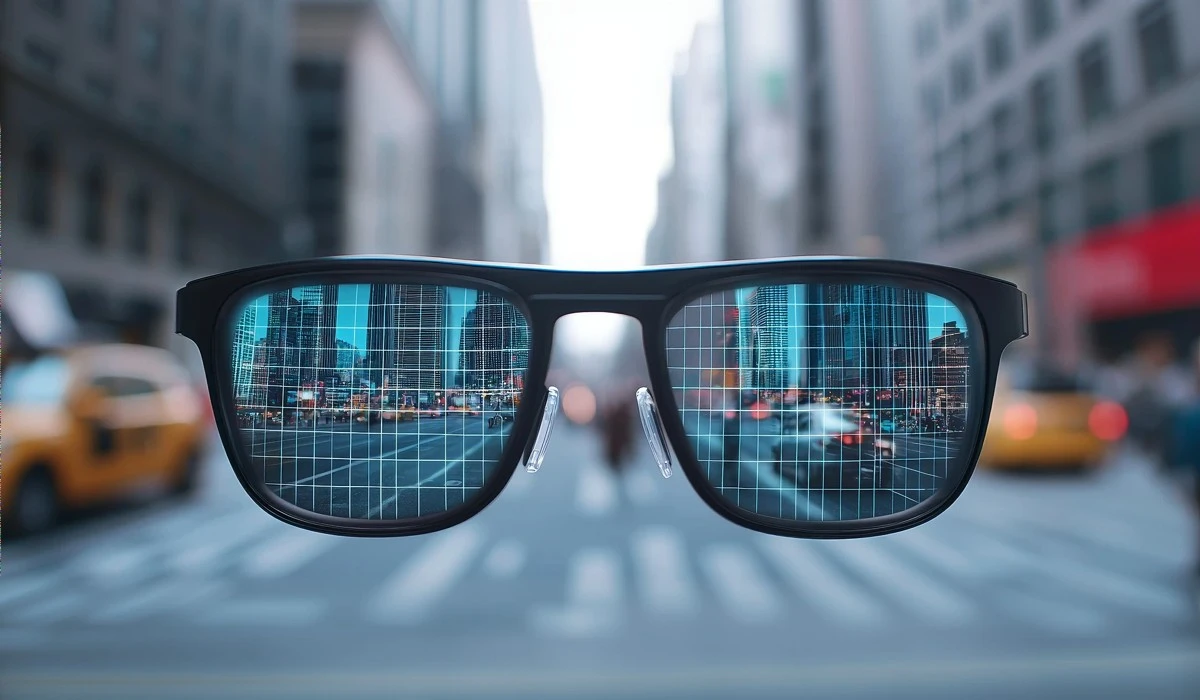
The Ray-Ban Meta AI glasses have a built-in camera that streams live video to a volunteer through the Be My Eyes app. Reynolds says "Hey Meta" to activate the connection, and within seconds someone picks up the call. According to a report by The Independent, volunteers have joined from Virginia, Thailand, Canada, and Jordan. One might be a retired naval officer in North America. Another might be sitting at home in the Middle East. They all see exactly what the camera sees.
When something's in his path, they say so. Smart glasses for blind runners work because the guidance is immediate and specific. A volunteer doesn't say "be careful." They say "branch at head height, two steps ahead" or "bin on your right, move left." That's the level of detail Reynolds needs to run at his own pace without stopping. The glasses don't replace his judgment. They give him information fast enough to act on it himself.
The Global Network of Volunteers
More than 100 volunteers across the world have helped Reynolds during training. That number matters because it solves a problem that no single guide can solve: availability. Reynolds trains when he wants. He doesn't wait for a guide to be free. He puts on his glasses, opens the app, and someone answers. Because his volunteers are spread across time zones, there's always someone awake. This 24/7 coverage turns running into something Reynolds controls completely. He picks the time. He picks the route. He sets the pace. The volunteers follow him, not the other way around. For smart glasses for blind runners to work in real life, this kind of on-demand access is essential. Reynolds' setup proves it's achievable today, not in some future version of the technology.
Overcoming Physical Obstacles in Real-Time
During a run, Reynolds' volunteers scan ahead for anything that could cause a fall. As reported by ITV News Meridian, they warn him about low-hanging branches, parked cars, uneven pavement, and bins left on the sidewalk. The voice command "Hey Meta" activates the hands-free connection, which matters when he's moving fast and can't stop to fumble with a phone. The volunteers provide a steady audio stream, so he knows what's coming before he reaches it.
This is where smart glasses for blind runners outperform a white cane. A cane tells you what's there when you hit it. A volunteer tells you what's there three seconds before you reach it. That gap is the difference between a clean stride and a bad fall. Reynolds has learned to process the audio quickly and adjust his line without breaking pace. The more he runs, the better the communication gets between him and each new volunteer.
The Technical Workaround for Retinitis Pigmentosa
Reynolds describes his vision as looking through water. He sees shadows and shapes, but not detail. ITV News Meridian reports that he has Retinitis Pigmentosa, an inherited disorder that breaks down the retina over time. He first noticed it in his right eye at age six. By his early thirties, it had taken his left eye too. Today, he can pick out silhouettes and some basic hues, but the fine detail of the world is gone.
What are the best smart glasses for the blind? Right now, devices like the Ray-Ban Meta AI glasses stand out because they combine a live camera feed, voice activation, and app integration that connects users to real human volunteers. For Reynolds, the glasses provide a functional workaround, not a cure. He doesn't want a cure. He accepts his identity as a blind man and uses technology to adapt his environment to his needs. His target for Brighton is under six hours. He's training to hit it.
Comparing AI Navigation to Human-Assisted Remote Vision
Thomas Panek, CEO of Lighthouse Guild, ran the NYC Half Marathon using custom AI software. His system used a smartphone camera to follow a line on the ground and feed him audio cues. It worked well on a controlled path with clear markings. Reynolds takes a different approach by keeping humans in the loop. His volunteers make judgment calls that current AI can't reliably make, especially in unpredictable urban environments where a parked car blocks half the footpath or a delivery driver leaves a trolley on the pavement.
Both systems aim for the same result: a blind runner moving through the world without a physical companion. AI navigation excels in predictable, marked environments. Human-assisted remote vision handles the unexpected better. Reynolds believes his method also creates something the AI model doesn't: connection. People in Jordan or Canada aren't just running a process. They're helping a specific person cross a finish line. Reynolds sees that as proof that the blind community brings value to the world, not just receives it.
Beyond the Race: Smart Glasses in Daily Life
The marathon gets the attention, but Reynolds uses his glasses every day for smaller things. He scans kitchen shelves to identify grocery items. He finds misplaced keys. He reads the buttons on his TV remote. Is Retinitis Pigmentosa a total blindness? Research published by the National Library of Medicine notes that it typically begins with night blindness and gradually narrows the visual field into tunnel vision.
Reynolds still has some perception of light and shadow, and he uses that in combination with the audio from his glasses to build a mental map of wherever he is. Smart glasses for blind runners translate directly into smart glasses for blind people navigating daily life. The same technology that helps him avoid a branch at running pace helps him avoid a grocery cart in an aisle. Reynolds calls himself a professional artist and athlete. He doesn't accept the label of "superhero" or "victim." He uses what's available to him and gets on with his life.

The Art of Braille and Changing Social Perceptions
Reynolds creates art under the name "Mr. Dot." The National Research and Training Center on Blindness and Low Vision highlights that he makes innovative Braille art, work that viewers experience through touch rather than sight. He argues that Braille art deserves the same professional recognition as any other medium. He's not making craft projects. He's making high-level art that challenges how the world thinks about vision loss.
Next year, he plans to open a major installation called the "Braille Shop." It will simulate vision loss conditions for sighted shoppers and highlight the near-total absence of Braille on retail packaging. He describes the potential effect as a "Tracey Emin moment," a phrase that signals serious cultural ambition. Running with smart glasses proves he can move through the physical world on his own terms. His art pushes for the same recognition in the cultural world.
Fundraising and Future Milestones in Sight Loss Research
Reynolds runs Brighton to raise money for Fight for Sight, a charity that funds research into eye conditions and vision loss. He started with a fundraising target of £750. As his story spread, he raised that goal to £2,000. Celebrity Victoria Coren Mitchell donated £250, which helped push his profile further. Eleanor Southwood from Fight for Sight notes that Reynolds' approach stands apart from a standard charity run. His global volunteer network makes the fundraising feel personal to people thousands of miles away. Someone in Jordan who guided him past a bin on a Tuesday morning isn't just a donor. They're already part of the story. Reynolds sees social inclusion as a right, not a reward. He believes access to technology like smart glasses for blind runners creates real career and social opportunities for the entire blind community, not just for athletes with media coverage.
A New Standard for Independence
The Brighton Marathon is a test of Reynolds' legs, but it's also a test of a model. If a blind man with Retinitis Pigmentosa can run 26.2 miles guided only by volunteers watching through smart glasses, then independence for people with vision loss is a question of access, not biology. Smart glasses for blind runners make that access real and available today. Reynolds doesn't want to be seen as exceptional. He wants his methods to become standard. He wants blind children to grow up knowing they can run, make art, and move through the world on their own terms. When he crosses the finish line in Brighton, a global network of strangers will have helped him get there. But every stride will be his own.
Recently Added
Categories
- Arts And Humanities
- Blog
- Business And Management
- Criminology
- Education
- Environment And Conservation
- Farming And Animal Care
- Geopolitics
- Lifestyle And Beauty
- Medicine And Science
- Mental Health
- Nutrition And Diet
- Religion And Spirituality
- Social Care And Health
- Sport And Fitness
- Technology
- Uncategorized
- Videos

