
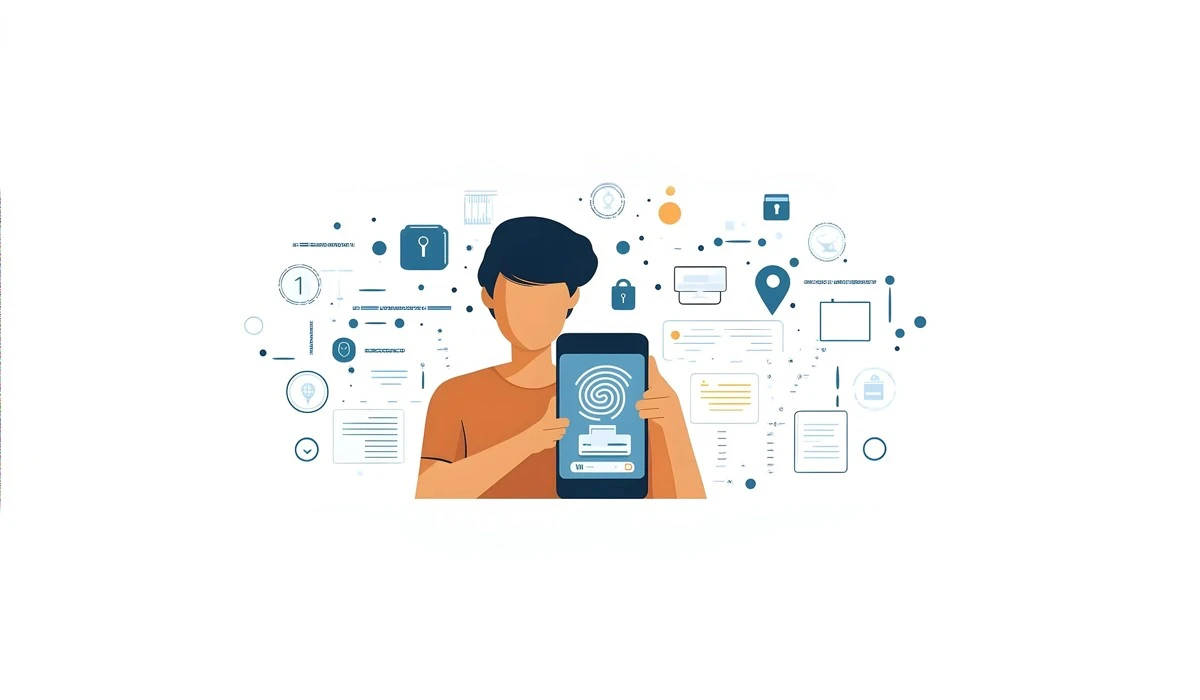
Why iOS 26.4 Age Verification Changes iPhone
Apple now uses your credit card history to decide how much of the internet you deserve to see. This shift turns a piece of personal hardware into a gatekeeper that demands legal proof for basic browsing. The rollout of iOS 26.4 across the United Kingdom marks a massive change in how people use their mobile devices. According to a report by The Guardian, millions of Apple customers in the UK must now use a credit card or scan their ID to access specific device features.
As noted by Ofcom, this update follows the 2025 Online Safety Act, which requires tech services to use strong age checks to protect children from adult material. While regulators see a victory for household safety, others see the end of digital autonomy. The update forces a choice: hand over sensitive documents or accept a restricted version of the web. This logic changes the relationship between a user and their device. Users no longer simply own the phone; they must prove their age to use it. As Ofcom prepares a major report for January 2027, this new reality for UK residents highlights a growing tension between privacy and protection. iOS 26.4 creates a digital border inside your pocket.
The New Reality of iOS 26.4 Age Verification
Your smartphone now functions as a digital checkpoint where your legal identity determines your access levels. This update moves beyond simple passwords and uses government-backed data to categorize users. Apple launched the iOS 26.4 update yesterday, bringing immediate changes to millions of devices in the UK. This version targets the protection of minors by mandating maturity confirmation for various features. Users 18 and older must verify their age to avoid automatic restrictions.
How do I verify my age on iPhone? Users must upload a scan of a driving license or use a credit card on file within the Settings menu to confirm their adulthood. This process allows Apple to check existing payment profiles or scan new documents to satisfy the requirements of the Online Safety Act. The system relies on specific criteria to confirm a user’s status. Apple looks at account history and the duration of account ownership to build a profile of the user. Apple Support documentation states that the software automatically turns on web content filters and communication safety tools for children, teenagers, and any adults who haven't confirmed their age. This creates a situation where the hardware itself acts as a filter for the internet. If the device cannot confirm the user is over 18, it restricts Safari and Chrome browsing.
Protecting the Digital Household
Ofcom describes this rollout as a significant triumph for minors and households. They believe these measures provide a defense against dangerous media. Apple complies with the spirit of recent safety rules when they integrate these checks into the operating system. This initiative forms a necessary part of a larger youth safety push across the country.
The Scope of the Rollout
The current restrictions apply specifically to the United Kingdom and South Korea. While the US uses Digital IDs via Passports in the Apple Wallet, those features focus on convenience rather than mandatory web filtering. In the UK, the focus remains on preventing underage access to adult material across all browsers.

How Apple Uses Your Wallet to Verify Your Identity
Apple trusts your financial history more than your self-reported birth date to confirm your adulthood. The type of card in your digital wallet now acts as a primary key for internet freedom. The verification process accepts credit cards but rejects debit cards. This distinction exists because credit card providers perform more rigorous identity checks during the application process. If a user lacks a credit card, they must provide a driving license or a National ID scan.
Why does Apple need my ID for iOS 26.4? Apple requires these documents to comply with safety regulations and to ensure that adult content remains behind a maturity wall. Ironically, the system generally does not support passports or gift cards for this specific verification. This creates a hurdle for users who do not hold a license or a credit card. Can I use a debit card for Apple age verification? No, the system currently rejects debit cards and requires a credit card or a government-issued photo ID instead. This specific technical requirement limits who can easily verify their account.
Document Storage and Security
Apple Support states that the system only stores ID documents temporarily. Users can choose to complete the verification later via the Settings menu if they skip the initial prompt. However, successful confirmation requires the latest software update. This ensures that the device supports the latest encryption and safety protocols.
The Role of Account History
The system also analyzes how long a user has owned their Apple ID. A long-standing account with a consistent payment history provides another layer of confirmation. This helps the system distinguish between genuine adult users and new accounts created by minors trying to avoid the rules.
Turning Personal Hardware into Juvenile Devices
A single software update can change a high-end professional tool into a restricted device designed for children. This transformation happens automatically if the user refuses to share their private data with the manufacturer. Privacy advocates, such as Silkie Carlo from Big Brother Watch, criticize this shift. She describes the update as a stranglehold on British digital liberty. She compares the requirement to extortion software because it forces users to trade their privacy for device functionality. In her view, this update transforms personal hardware into juvenile-only devices. It erases the digital autonomy that adults expect from their electronics. Many Reddit users express a similar sentiment. They intentionally avoid these intrusive checks and demand situational choice. These users reject the idea of mandatory proof just to use a browser they already paid for. They see the requirement as a violation of the boundary between a private company and a citizen's personal life.
The Erosion of Autonomy
When a device requires a government ID to function fully, the owner loses a degree of control. The hardware no longer serves the user unconditionally. Instead, it serves the regulator's requirements first. This shift changes the device from a neutral tool into a monitored gateway.
The Effect on Millions
With millions of UK iPhone and iPad users affected, the scale of this change is unprecedented. Every user over 18 must now decide if they value their browsing freedom more than their document privacy. This creates a friction point that did not exist in previous versions of the software.
The Technical Gap Between Apps and Browsers
The current safety system blocks the front door to the internet while leaving the side windows wide open. This creates a situation where your browser is more restricted than the apps you download. A major contradiction exists in how iOS 26.4 handles different types of content. For example, a user can often download an adult-rated app like Tinder without immediate ID verification. However, if that same user tries to access an adult website like Pornhub on Safari, the system blocks them.
This happens because the Online Safety Act targets websites directly, but app stores and operating systems often fall under different legal exemptions. This gap reveals a flaw in the current strategy. While the browser remains under heavy surveillance, the App Store operates with more flexibility. This creates a confusing experience for the user. They might find themselves restricted on one part of their phone while enjoying full access on another.
Browser Filtering Logic
The automatic web content filters apply to both Safari and Chrome. This means the restriction happens at the operating system level in addition to the app level. Apple enforces these rules to ensure that unverified users cannot accidentally or intentionally view harmful material.
App Store Variable Access
App Store downloads remain variable and only partially restricted. Some apps require their own internal age verification, while others rely on the age set in the Apple ID. This lack of consistency makes the mandatory device-level ID scan feel even more intrusive to some users.
Ofcom and the Future of Digital Safety
Regulators use voluntary compliance from big tech companies to establish new norms before they even pass final laws. This partnership allows the government to test safety measures on a mass scale. Ofcom views the Age Verification rollout as a basis for future anti-abuse measures. They emphasize that regulations must remain flexible to keep up with technical evolution. Ofcom creates a safety context when they collaborate with Apple, which they hope will protect the next generation of internet users. They plan to release a comprehensive report on app store and OS safety regulations in January 2027. This timeline suggests that the current rules are only the beginning. The 2025 Online Safety Act set the stage, but the full effect will take years to materialize. Regulators want to see how these device-level checks perform in the real world before making them even stricter.
A Collaborative Effort
Apple’s strategy involves voluntary compliance with the spirit of the law. Apple avoids harsher potential mandates later when they implement device-level verification now. This proactive approach helps them maintain a relationship with UK regulators while appearing as a leader in digital safety.
The 2027 Milestone
The upcoming 2027 report will likely dictate the next decade of smartphone usage in the UK. Ofcom will analyze data from this rollout to determine if it successfully reduced minor exposure to harmful content. This report will decide if mandatory ID scans become a permanent fixture of all digital devices.
The Conflict Between Safety and Privacy
Research published by MDPI and Oxford Academic suggests that the effort to shield children often leads to the collection of data that adults prefer to keep private. MDPI reports that this causes the widespread deployment of privacy-invasive tools, while Oxford Academic notes that age assurance poses a high risk to the rights and freedoms of users. Apple’s mandate for maturity confirmation requires credit cards or document scans. For many, this is a bridge too far. The risk of personal data leakage remains a top concern for digital rights groups.
Even if Apple only stores the documents temporarily, the act of scanning a National ID creates a digital trail that did not exist before. The system also creates a divide based on financial status. Since the system accepts credit cards but not debit cards, it favors users with specific financial backgrounds. This adds a layer of social difficulty to what should be a simple technical update.
Protecting Minors vs. Adult Freedom
The primary objective remains the protection of minors from adult or harmful digital material. Most people agree with this goal, but they disagree on the method. When the method requires every adult in the country to register with a central system, the cost of safety becomes a loss of privacy.
The Trial of 300 Teenagers
Before the mass rollout, a trial involving 300 UK teenagers helped shape these safety features. This small group provided data on how minors attempt to bypass filters. Apple used these insights to tighten the Age Verification system, making it harder for children to masquerade as adults.
Navigating the Family Sharing System
An announcement from the Apple Newsroom explains that family groups on Apple devices now follow a hierarchy where child accounts for those under 13 must link to a parent or guardian's account. This system enforces age limits by linking child accounts to verified adult accounts. For children under 13, the guardian requirement is absolute. These users cannot bypass filters even with a guardian's permission in some cases. The iOS Age Verification system integrates deeply with Family Sharing to ensure that children remain within a "walled garden" of age-appropriate content. Parents can manage these settings, but the operating system provides the basic structure. This means even if a parent wants to give a teenager more freedom, the system might still block certain websites based on the UK’s safety rules. The device effectively overrides parental choice to comply with national standards.

Setting Up a Child Account
When a parent creates a child account, the system automatically applies the strictest filters. These filters stay in place until the user reaches 18 and completes their own ID verification. This ensures a constant chain of protection from childhood through early adulthood.
The Guardian's Role
Guardians must keep their own accounts verified to maintain control over the family group. If the primary adult account lacks verification, the entire family group may face restrictions. This forces the head of the household to comply with the ID scan requirement to manage their children's devices effectively.
Final Thoughts on Digital Identity
The implementation of Age Verification signals a shift in how we interact with technology. Our devices are no longer neutral tools that simply obey our commands. They have become active participants in law enforcement and social regulation. Apple changed the definition of device ownership in the UK when they required a credit card or a government ID to access the full internet. This system creates a world where safety and surveillance are two sides of the same coin. While it may succeed in keeping harmful content away from children, it also forces adults to surrender their anonymity. As we move toward the 2027 Ofcom report, the success of this initiative will likely determine the future of the global internet. For now, UK users must decide if the trade-off is worth the cost. The iOS 26.4 Age Verification system is here to stay, and it has forever altered the digital environment.
Recently Added
Categories
- Arts And Humanities
- Blog
- Business And Management
- Criminology
- Education
- Environment And Conservation
- Farming And Animal Care
- Geopolitics
- Lifestyle And Beauty
- Medicine And Science
- Mental Health
- Nutrition And Diet
- Religion And Spirituality
- Social Care And Health
- Sport And Fitness
- Technology
- Uncategorized
- Videos

