
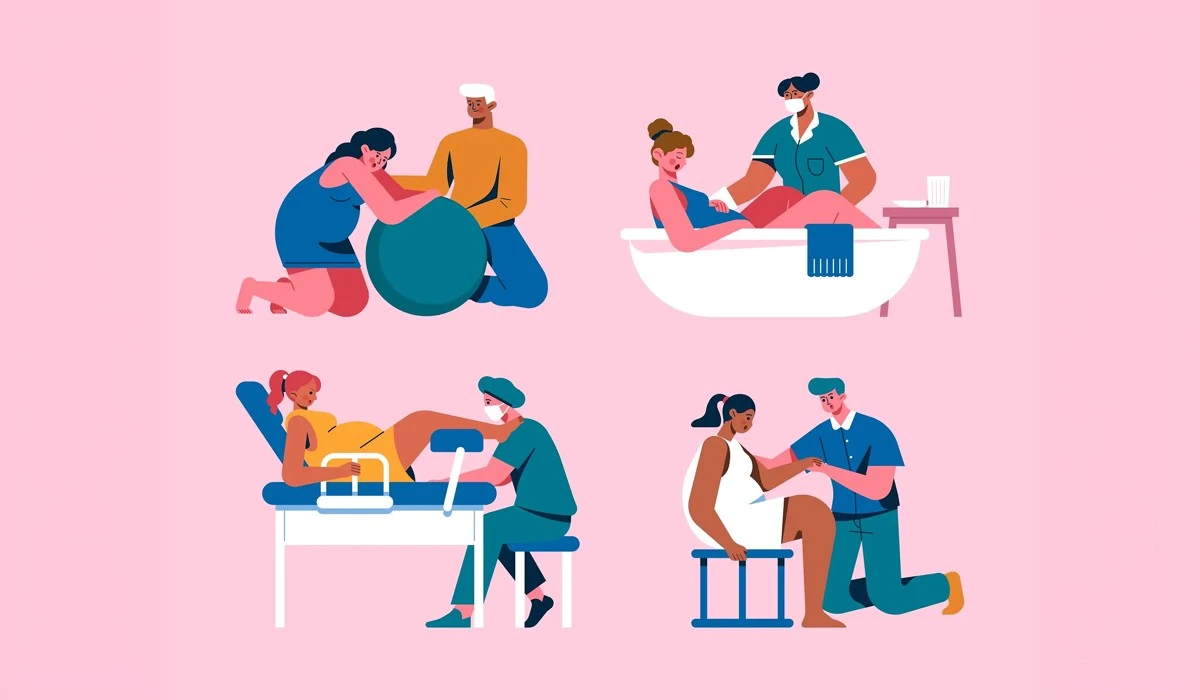
Male Midwives Changing the Face of Births
A job title defines the patient. It ignores the gender of the person providing care. While the public often links birth only to women, 194 men currently hold registration as midwives in the United Kingdom. These professionals navigate a system designed for a different group, yet they maintain high clinical standards. This small group of men challenges long-standing assumptions about who belongs in the delivery room. Their presence shows a change from traditional gender roles toward professional empathy and skill. We must look at the history of the profession and the modern realities of the NHS to see how these men fit into the workforce. This article explores the path of male midwives, the obstacles they face, and their effect on families across the country.
The Lone Pioneer of Northern Ireland
Fraser Morton ended a long period of single-gender midwifery in Northern Ireland when he returned to practice in 2004. His career began in 1981 during his training in nursing in Scotland. At that time, men could not legally practice as midwives in the UK. According to records in Hansard from the House of Commons, the government lifted the gender-based hiring restrictions in midwifery before September 1, 1983. Morton moved to Northern Ireland in 1988 but did not enter the midwifery sector there immediately. His return to practice in 2004 marked the end of a time when no men worked in Northern Ireland’s delivery suites. Morton recently moved toward retirement after 45 years in healthcare. He spent 21 of those as a midwife.
His retirement announcement sparked a massive reaction online, receiving over 180 comments and 50 dms. Many former patients, like Laura Rooney, praised his work. She noted that his presence improved the atmosphere of the ward and provided a sense of calm for everyone involved. People often wonder, can a man be a midwife? Yes, men have had full legal right to practice midwifery in the UK since the 1983 policy change, and they help the workforce significantly. Morton believes that character defines a good midwife. He prioritizes the mother’s experience over his own identity. His daughter, Rebecca, noted that the community feedback revealed stories of her father going well beyond his standard duties to help families.
The Math Behind Male Midwives in the Modern NHS
Statistical disparities in the workforce show how slowly gender representation changes in specialized medical fields. The September 30, 2025, NMC registration data says that the UK has 53,479 female midwives. In contrast, only 194 male midwives appear on the registry. This number includes 144 registered midwives and 50 dual-registered nurse-midwives. The gap widens in Northern Ireland. Only 6 men work as midwives there, compared to 1,660 women. Research published on ResearchGate states that the proportion of male midwives remains small across the world. The study adds that among 37 countries with available data, the median proportion sits at just 0.63%.
These numbers show that men represent a tiny fraction of the total workforce. Dale Betts, a delivery suite coordinator at ESNEFT, stands as the only man among 318 midwives in his department. He entered the field through the clearing process after a rejection from medical school. His experience mirrors many others who found their passion for midwifery later in their education. Many students ask, what is the number of men in the UK midwifery workforce? Current NMC registration data lists exactly 194 men in the profession across the country. This small group provides vital services despite their low numbers. Arnel, a midwifery student in Australia, notes that men make up about 1.5% of the sector there as well. These figures suggest a global pattern of low male participation in the field.
Breaking the Legal Barriers of 1983
Legal changes often precede cultural shifts by decades, leaving practitioners to bridge the gap in the meantime. Before the 1983 authorization, the UK viewed the idea of men in midwifery as an "experimental" scheme. Authorities tested whether men would be acceptable to women receiving intimate care. These early trials took place in Scotland and England to gauge public reaction. The eventual authorization of men midwives opened the door for men like Dave Farmer to join the profession.
Farmer, the Head of Midwifery at WUTH, moved from a paramedic role in 1985 before qualifying as a midwife in 2002. He advocates for a gender-blind professional philosophy. He focuses on job terminology and ignores the gender of the person doing the work. The word "midwife" literally translates to "with woman." This definition emphasizes the service provided to the mother rather than the practitioner's gender. The 1983 law change allowed men to work and redefined midwifery as a professional service available to any qualified individual. This shift highlighted competence over biology.
Why Ward Uniforms Reveal a Gender Gap
Standard hospital supplies often reflect the physical traits of the majority, creating daily friction for those who do not fit the mold. For many male midwives, the struggle starts in the locker room. Most midwifery uniforms feature "bust darts," which are small folds of fabric designed to fit a female chest. The lack of male-cut uniforms serves as a constant reminder of the gender imbalance in the field. This issue persists because the system expects a female workforce. Beyond clothing, men in this field face other systemic hurdles.
In 2020, major healthcare recruitment drives aimed at men largely ignored the midwifery sector. These campaigns focused on nursing and other roles, leaving midwifery out of the conversation. Dale Betts recalls facing mockery at career exhibitions when he expressed interest in the job. People often have gendered perceptions of certain roles, viewing some jobs as "female" and others as "male." Despite these barriers, young practitioners like Dan Minton continue to join the field. Minton, a 23-year-old in Manchester, completed 11 solo deliveries in his first year. He was the only man in his 25-person cohort. He finds that patients often show astonishment when they meet him, but he works hard to build mutual understanding and help the women in his care.
Improving Clinical Outcomes Through Diverse Perspectives
A diverse staff brings a wider range of problem-solving techniques to a clinical environment. Bev O’Connor, the Head of Midwifery at MFT, argues that having different perspectives benefits the entire team. A varied workforce understands the diverse needs of the community more effectively. This inclusion leads to well-rounded clinical care. For example, Arnel in Australia focuses heavily on engaging male partners during the birth process. Fathers often feel like outsiders in the delivery room. A male practitioner can sometimes bridge that gap and help the partner feel more involved.
Dan Minton also prefers supporting natural births and finds that his role allows him to offer a unique form of encouragement. The presence of men midwives can lower anxiety for some families. Laura Rooney mentioned that Fraser Morton's kindness directed toward all patients—not just the mothers—made a significant difference. Some people wonder, what does midwife mean? The term literally translates to "with woman." This term highlights the service provided and ignores the practitioner's gender. An emphasis on the "with woman" aspect ensures that the mother remains the center of attention, regardless of who is delivering the baby.
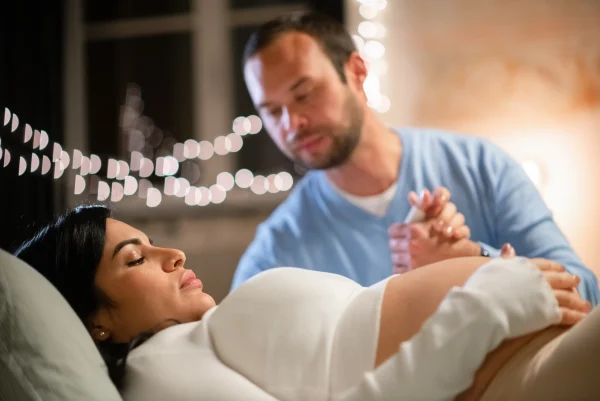
The Reality of Patient Preference in the Delivery Suite
Professional standards must balance patient choice with the reality of a modern, diverse workforce. As noted in a report by The Guardian, many women have accepted male midwives, and some patients even prefer them. However, research published on ResearchGate suggests that some women still prefer female midwives. These patients sometimes express doubts about a man's ability to provide care or feel embarrassment showing their bodies to a man other than their partner. Hospitals must respect these refusals while still supporting their male staff.
Research published on PubMed notes that the RCOG recommends that staff offer a chaperone to every patient for an intimate examination. The RCN also maintains this standard. Interestingly, the RCM lacks specific guidance on this issue. This creates a situation where individual hospitals must set their own rules. Dave Farmer recognizes the hardships women face in industries dominated by men. He applies this understanding to his own role, ensuring that the mother and infant remain the priority. The goal is to provide gender-neutral excellence. While some patients might hesitate initially, practitioners like Dan Minton find that clear communication usually resolves any tension.
The Future of Gender-Based Midwifery and Global Recruitment
Staffing shortages drive the healthcare system to look beyond traditional recruitment pools to find talent. The UK currently faces a global midwife shortage. This crisis might lead to an increase in male midwives arriving from other regions, such as sub-Saharan Africa, where men more commonly work in this role. The profession continues to evolve. Morton is not fully retiring; he plans to stay active and work part-time. He believes he has several productive years remaining. He maintains that his identity as a midwife comes first, his gender second, and his Scottish heritage third. Dr. John Pendleton, a researcher in the field, found that many practitioners dislike the descriptor "Male Midwife." They feel it marks them as outsiders. They prefer the simple title of "Midwife." As the workforce becomes more diverse, these labels may eventually disappear. The focus remains on providing the best possible patient experience.
Building a Professional Legacy of Care
The presence of males in midwifery challenges the idea that gender dictates the ability to provide care. Fraser Morton’s 45-year tenure proves that a commitment to service lasts longer than any social trend. The 194 male midwives currently in the UK represent a shift toward a more inclusive healthcare system. They overcome physical barriers like poorly fitting uniforms and social barriers like "othering" titles to support families during their landmark moments. A focus on the "with woman" philosophy ensures that empathy and skill remain the primary requirements for the job. As recruitment patterns change and the workforce diversifies, the focus will continue to move away from the practitioner's identity and toward the quality of the care they provide. This evolution ensures that the next generation of midwives, regardless of gender, can focus entirely on the mothers and infants who need them.
Recently Added
Categories
- Arts And Humanities
- Blog
- Business And Management
- Criminology
- Education
- Environment And Conservation
- Farming And Animal Care
- Geopolitics
- Lifestyle And Beauty
- Medicine And Science
- Mental Health
- Nutrition And Diet
- Religion And Spirituality
- Social Care And Health
- Sport And Fitness
- Technology
- Uncategorized
- Videos