
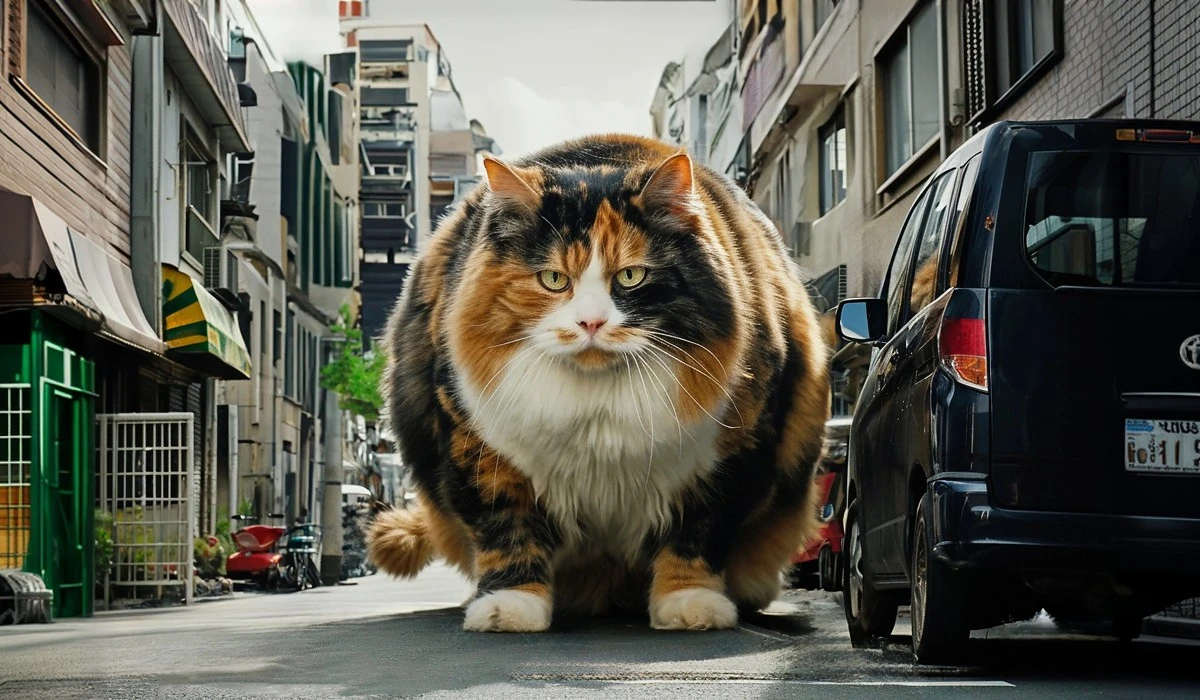
Pet Health Crisis: Canine And Feline Obesity
We often view a round cat or a stocky dog as a sign of a well-loved life. We treat extra kibble as affection and table scraps as a bonding ritual. In reality, that extra weight functions like an internal chemical leak. It slowly damages the organs from the inside out. Canine and Feline Obesity is a medical crisis and should not be viewed as a mere cosmetic flaw. When a pet carries too much weight, their body enters a state of permanent alarm.
This constant stress wears down the heart, lungs, and joints long before their time. To give them more active years, we must prioritize animal metabolic health over the temporary joy of a treat. Focusing on pet weight management changes the trajectory of their life. It stops the slow decline and restores their natural vitality.
The Obscure Medical Toll of Canine and Feline Obesity
Adipose tissue is an active endocrine organ and does not merely sit under the skin. This means fat cells constantly release chemicals. Research published in PMC6731618 suggests that obesity in cats is specifically associated with changes in adipokines, including interleukin-6 and tumor necrosis factor-alpha. According to a study in PMC9878458, these pro-inflammatory cytokines maintain the body in a state of chronic, low-grade inflammation. This persistent biological fire damages healthy tissue every single day.
Chronic Inflammation and Joint Degradation
Excess weight creates a double-threat for the skeletal system. First, the physical load crushes joint cartilage and strains ligaments. Second, the hormones released by fat cells, such as leptin, directly degrade joint tissue through biochemical reactions. This process accelerates osteoarthritis and makes standard pain management less effective.
How can I tell if my pet is overweight? As noted by VCA Hospitals, you can generally tell by feeling for the ribs—which should be easily felt but not seen—and checking for a clearly visible waistline from above. This simple manual check provides immediate feedback on their current status. Failure to recognize these signs allows joint decay to progress until the pet loses their mobility entirely.
Cardiovascular Strain and Respiratory Function
Extra fat requires more blood flow, which forces the heart to work much harder. While research in PMC5508341 has analyzed blood pressure levels in overweight animals, this increased workload often leads to vascular hypertension and secondary heart issues. Meanwhile, fat deposits in the chest and abdomen physically restrict the lungs. As described in Vetlexicon, this condition is known as Pickwickian Syndrome, a term from human medicine that explains why animals are prevented from taking deep breaths.
Obese pets often suffer from chronic hypercapnia, which means they have too much carbon dioxide in their blood. They struggle to stay cool during summer because they cannot pant effectively. Every breath becomes a chore and is no longer a natural reflex.
The Biological Foundation of Animal Metabolic Health
Weight control relies on the knowledge of how hormones regulate energy. We cannot simply look at "calories in versus calories out" as a complete solution. According to a report in PMC6067794, hormones like insulin, leptin, and ghrelin provide the signals that dictate whether the body burns fat or stores it. When these hormones fall out of balance, the body actively resists weight loss.
Insulin Resistance in Cats vs. Dogs
Cats are obligate carnivores with unique liver chemistry. Research in PMC5753635 and PMC3847661 clarifies that healthy cats lack the glucokinase enzyme activity necessary for processing high carbohydrate loads. Because of this, high-carb diets often lead to persistent high blood sugar in felines. Studies found in PMC10812123 and PMC11132260 suggest that this metabolic environment drives obesity and increases the risk of Type II Diabetes by up to four times.
Dogs experience metabolic shifts differently. According to PMC3514388, they frequently develop a condition mirroring human metabolic syndrome, characterized by insulin resistance and elevated fats in the blood. While they might not become diabetic as quickly as cats, the metabolic strain still damages their internal organs and reduces their energy levels.
The Role of the Microbiome in Metabolism
The gut houses trillions of bacteria that influence how a pet extracts energy from food. As noted in PMC7329990, the gastrointestinal microbiome is responsible for breaking down food and managing this energy extraction. An imbalanced microbiome sends signals to the brain that increase hunger and slow down metabolism. PMC6067794 further notes that beneficial bacteria produce short-chain fatty acids through the fermentation of fiber, aiding in glucose regulation. Supporting animal metabolic health is achieved when owners feed the beneficial bacteria that keep the metabolism functional.
Professional Assessment and Pet Weight Management Goals
Guesswork often leads to failure in weight loss efforts. Clinical data provides the only reliable roadmap for success. A veterinarian uses objective tools to determine how much fat a pet needs to lose and how quickly they can safely do it.
Using the Body Condition Score (BCS) Scale
The Body Condition Score is a 1-to-9 scale that functions like a human BMI but focuses on fat coverage. The World Small Animal Veterinary Association (WSAVA) provides guidelines for using this 9-point scale, and these standards specify that a score of 4 or 5 is the ideal target for most pets. According to the Association for Pet Obesity Prevention, scores of 8 or 9 indicate clinical obesity, where the animal carries 30% or more excess weight. This scale helps owners move past the "fat gap," where the Association for Pet Obesity Prevention reports that only 17% of dog owners and 28% of cat owners acknowledged their pets were overweight.
Setting Realistic Weight Loss Milestones

Safe weight loss happens slowly. Guidelines from the American Animal Hospital Association (AAHA) recommend that dogs lose 1% to 2% of their total body weight per week, while cats should lose between 0.5% and 2%. For a cat, losing weight too fast can lead to Hepatic Lipidosis, a life-threatening liver condition. Slow, steady progress ensures the pet loses fat rather than essential muscle tissue. Success in pet weight management requires patience and consistent monitoring over several months.
Precision Nutrition to Reverse Canine and Feline Obesity
Standard pet foods often prioritize shelf-stability and cost over metabolic precision. Many contain "filler" ingredients that spike blood sugar without providing long-term satiety. Shifting to a nutrient-dense, calorie-restricted diet changes the chemical environment inside the pet.
The Importance of High-Quality Protein and Fiber
Protein is the most important nutrient during a weight loss plan. It preserves Lean Body Mass (LBM), which is the tissue that actually burns calories. High-fiber ingredients provide bulk in the stomach. This bulk stimulates the vagus nerve to tell the brain the pet is full, which prevents constant begging.
What is the healthiest way for a dog or cat to lose weight? The safest method is a gradual caloric reduction using a therapeutic diet specifically formulated for weight loss to ensure they don't miss out on essential vitamins. These specialized diets maintain the correct nutrient-to-calorie ratio even when the volume of food decreases.
Weighing Food vs. Using Measuring Cups
Measuring cups are notoriously inaccurate. Depending on how the kibble settles, a "cup" can vary by 20% in calorie count. For a small dog or a cat, 20 extra calories a day can stop weight loss entirely. A digital gram scale ensures the pet receives the exact amount of energy they need. Precision is the most effective tool for reversing Canine and Feline Obesity.
Active Lifestyle Strategies for Enhanced Animal Metabolic Health
Exercise improves insulin sensitivity and also burns calories. Physical activity helps the body move glucose into the muscles instead of storing it as fat. However, we must choose activities that do not punish the pet for its current size.
Low-Impact Exercise for Seniors and Severely Obese Pets
Walking on hard pavement can hurt a heavy dog's joints. Hydrotherapy or swimming offers a weightless environment where they can build muscle without pain. For cats, scent work or "sniffaris" around the house provides mental stimulation that keeps them moving. These low-impact options protect the skeletal system while boosting the metabolic rate.
Environmental Enrichment and Food Puzzles
Feeding from a bowl is a missed opportunity for activity. Food puzzles and "indoor hunting" feeders force the pet to move and think for their meal. This increased effort raises the Thermic Effect of Feeding (TEF). It turns mealtime into a workout and provides the mental engagement needed for long-term animal metabolic health.
Overcoming Common Barriers in Pet Weight Management
The hardest part of a weight loss plan often involves the humans in the house. We associate food with love, making it difficult to say no to a begging pet. To succeed, we must redefine how we show affection.
Managing the "Treat Culture" at Home
Treats often account for 25% or more of a pet's daily intake. This "stealth calorie" load makes pet weight management nearly impossible. Swap high-calorie biscuits for frozen green beans or air-popped popcorn for dogs. Cats may respond better to a play session with a feather wand than to a piece of kibble.
Can obesity in pets cause other health problems? Yes, chronic excess weight is directly linked to an increased risk of kidney disease, certain cancers, and a significantly shortened lifespan due to systemic metabolic stress. These secondary conditions often cost thousands of dollars to treat and cause unnecessary suffering.
Preventing Stealth Calories from Table Scraps
Human food is incredibly calorie-dense for a small animal. A single ounce of cheddar cheese for a 20-pound dog equals the caloric impact of two and a half hamburgers for a human. Accidental spikes are avoided when the pet is kept out of the kitchen during meal prep. Every family member must agree to the "no scraps" rule to protect the pet's progress.
Long-Term Maintenance and Success Monitoring
Once a pet reaches their goal weight, the process does not end. The body often tries to "bounce back" to its previous higher weight. Maintenance requires a permanent shift in lifestyle rather than a temporary diet.
Monthly Weigh-Ins and Adjustments
Check the pet's weight at least once a month. Small fluctuations are easier to fix than a ten-pound gain. If the pet starts gaining, adjust the daily gram count immediately. Vigilance prevents the "yo-yo" effect that can damage animal metabolic health over time.
Celebrating Non-Scale Victories
The number on the scale is only one part of the story. Watch for increased energy levels and a shinier coat. Notice when a dog starts initiating play again, or a cat jumps onto the counter with ease. These improvements in mobility and mood are the real rewards of resolving Canine and Feline Obesity.
A Vibrant Future Beyond Canine and Feline Obesity
Reversing weight gain is the most effective medical intervention an owner can perform. It removes the daily burden of inflammation and joint pain. While the process requires discipline and precision, the result is a companion who can run, jump, and play for years to come. Prioritizing pet weight management leads to more birthdays and more active afternoons.
Commit to a professional plan and stay consistent with the details. Your pet relies on you to make the choices they cannot make for themselves. When you resolve Canine and Feline Obesity, you give your best friend the gift of a lighter, longer, and more vibrant life.
Recently Added
Categories
- Arts And Humanities
- Blog
- Business And Management
- Criminology
- Education
- Environment And Conservation
- Farming And Animal Care
- Geopolitics
- Lifestyle And Beauty
- Medicine And Science
- Mental Health
- Nutrition And Diet
- Religion And Spirituality
- Social Care And Health
- Sport And Fitness
- Technology
- Uncategorized
- Videos