
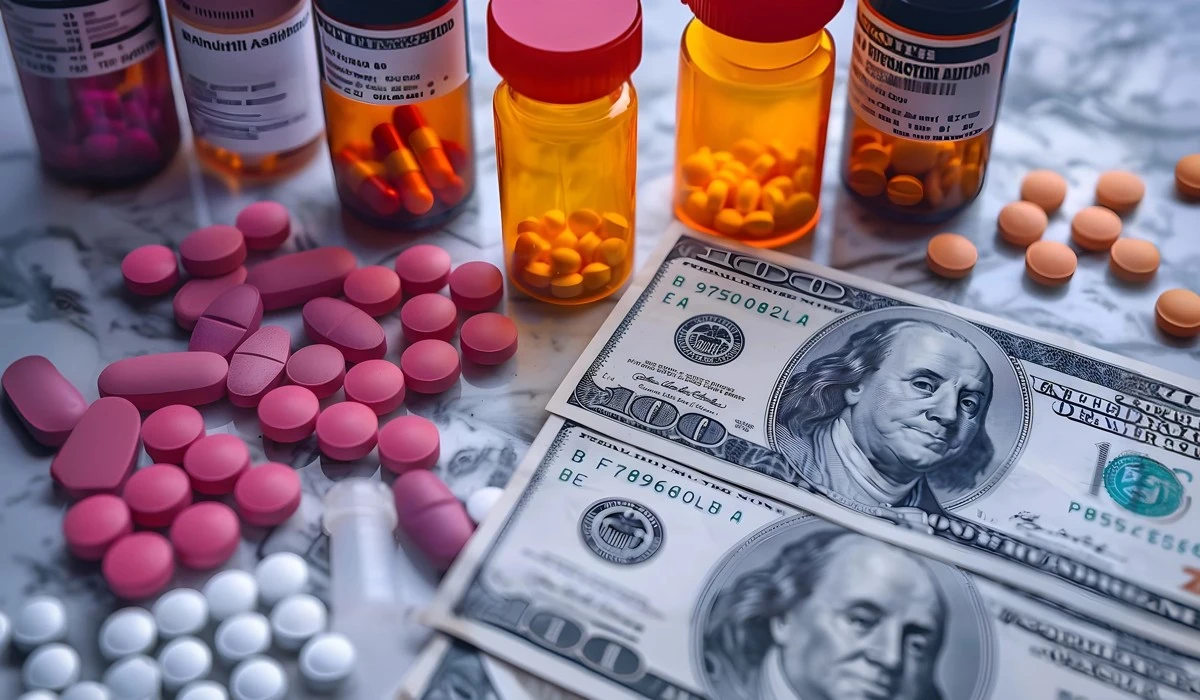
GLP-1 Drug Pricing: How Weight-Loss Costs Work
When pharmaceutical companies slash the cost of a blockbuster injection, they usually do it to outsmart a rival. Today, they drop prices to cut out their own distributors. The explosive rise of obesity treatments has created a massive financial battleground. Nearly 40% of adults in the United States currently classify as obese, creating an unprecedented demand for pharmaceutical intervention. Yet, high financial walls restrict access. Understanding weight-loss drug pricing requires looking past the monthly retail sticker. Corporate maneuvering dictates who gets access and who pays the penalty. Manufacturers bypass pharmacies. Health insurers deny broad coverage. Meanwhile, patients carry heavy out-of-pocket burdens just to maintain their health. The industry frames these medications as medical breakthroughs, while simultaneously treating them as premium retail products. Every dollar a patient spends supports an expansive chain of corporate interests. Examining these profit models reveals exactly how patients fund a massive global healthcare expansion.
Middlemen Markups Dictate High Initial Retail Costs
A drug's retail sticker rarely reflects its actual manufacturing cost. The heavy markup pays for a long chain of corporate intermediaries who never actually touch the product. According to Reuters, when Novo Nordisk launched Wegovy in the US in June 2021, the list price for a four-week treatment stood at about $1,350. Two years later, Eli Lilly introduced Zepbound to the US market with a list price soaring past $1,000 per month. These staggering figures sparked immediate backlash from patients and healthcare providers alike. People naturally ask: Why are weight-loss drugs so expensive? High patient demand and a convoluted chain of pharmacy benefit managers allow manufacturers to maintain heavily inflated initial retail costs. As detailed in a Reuters report, Pharmacy Benefit Managers (PBMs) sit between the manufacturer and the health plan, collecting rebates to incentivize placing drugs on formularies. This structure creates significant pricing opacity.
How Patients Navigate an Opaque Pricing System
Researcher Alison Sexton Ward notes that these traditional supply chains deliberately obscure how companies determine the final cost. Patients bear the brunt of this opacity. Individuals on restricted incomes face impossible choices. Patient Ruth Gonzalez, who successfully dropped 40 pounds on Zepbound, highlights that finding financial relief remains necessary for everyday buyers. To combat these extreme out-of-pocket expenses, some patients secure a combination of insurance coverage and manufacturer coupons. Another patient, Samayah-Thomas, managed to bring her monthly cost down to just $25 using these discount methods. However, these temporary workarounds fail to solve the core issue of weight-loss drug pricing. They simply shift the financial burden temporarily while the core retail price remains unchanged.
Direct-to-Consumer Models Bypass Traditional Gatekeepers
Selling prescription vials directly to patients removes traditional pharmacies from the supply chain entirely. This forces competitors to lower their retail demands or lose market share. According to Reuters, several pharmaceutical companies announced plans to sell drugs directly to patients in the U.S. and offer discounts, shifting the market dramatically. In December 2025, Eli Lilly initiated a major Zepbound vial price reduction, dropping costs by $50 to $100. This move allowed patients to purchase a starting dose of Zepbound vials for $299 per month. A subsequent Reuters report notes that Novo Nordisk followed a similar aggressive strategy, targeting self-pay patients with a Wegovy pill starter dose at just $149 per month.
Reuters also reports that the White House accelerated this trend in February 2026 when President Trump unveiled the TrumpRx.gov website. GoodRx powers the site, which supports direct-to-consumer drug routing and offers discounted prescription medicines by directing patients to external purchasing sites. Ward confirms that this exposure of pricing opacity accelerates the advancement of direct-to-patient models. The removal of PBMs eliminates a massive layer of administrative bloat. United States drugmakers aggressively promote these direct-to-consumer channels. Conversely, Indian regulatory bodies issue strict advisories against direct-to-consumer prescription drug marketing. These conflicting global approaches highlight the aggressive nature of the American pharmaceutical market. Companies use direct sales to lock in a loyal consumer base. Middlemen lose their power, and patients gain slight transparency.
Health Insurance Providers Refuse Long-Term Coverage
Health insurers fund major heart surgery while tightly closing their wallets for treatments that shrink the waistline. They classify severe metabolic conditions as simple lifestyle choices, shifting the cost burden directly onto the patient. This refusal plays a massive role in shaping weight-loss drug pricing. Insurers point to the overwhelming costs of funding these medications for roughly 40% of the population. In January 2026, California Medicaid initiated a total coverage cessation for Wegovy when prescribed solely for weight loss. Private and government insurers heavily resist paying for pure weight treatments. According to Reuters, as insurers restrict coverage, patients face heavy out-of-pocket burdens for injectables that list for about $1,000 per month or more, forcing them to trim costs by stretching doses or skipping vacations.
The Global Struggle for Lasting Coverage
The news agency also reports some progress on the horizon, noting that a new CMS program will launch an interim Medicare GLP-1 demo program in July 2026, with full Medicaid rollout expected by May 2026 and Medicare by January 2027. However, trial coverage offers no permanent guarantee. Tracy Zvenyach points out that direct sales and discount coupons serve merely as temporary fixes. She argues that the primary objective must remain universal insurance inclusion for obesity treatments. In the UK, the National Health Service (NHS) in England restricts eligibility severely.
According to NHS England guidelines, GPs can prescribe tirzepatide to patients only if they have a BMI of 40 or higher, or 37.5 for ethnic minorities, alongside at least four weight-related health conditions such as type 2 diabetes or heart disease. Consequently, the UK market sees private purchase dominance among its 1.6 million users. Private costs range from £100 to £300 per pen. Patients deplete their savings to fund treatments their insurers refuse to cover.
India Patent Expirations Crash Global Valuations
A patent expiring in a single country rapidly deflates a pharmaceutical asset worldwide. Generic manufacturers quickly flood the market with identical chemical formulas before the original creator can respond. In March 2026, the global pharmaceutical market faces a massive shift. As reported by Reuters, the patent for semaglutide, the active ingredient in Novo's drugs, expired in India in March 2026. The news agency notes this expiration opens the door for more than 40 Indian drugmakers to launch over 50 cheaper variants. Patients globally wonder: When will generic Wegovy be available? Generic versions enter the market immediately after the primary patent expires, starting in regions like India right now in March 2026.
This influx of domestic competition completely rewrites the rules of weight-loss drug pricing. A related Reuters report projects that monthly prices for the lowest dose will fall from about 11,000 rupees to between 3,000 and 5,000 rupees, offering discounts of at least 50% to 60% as early generics arrive. India's market growth looks staggering. The user base expanded from 16 million in 2021 to 100 million today. Industry analysts forecast a potential $1 billion domestic market. Namit Joshi highlights the massive overseas trade opportunities for these domestic copycat injectables. He anticipates a multi-billion dollar North American market expansion as these cheaper alternatives bleed across borders. However, Muffazal Lakdawala stresses the essential nature of strict manufacturing oversight for domestic pharmaceutical production. Cheaper drugs require rigid quality control to ensure patient safety.
The Biological Rebound After Stopping Injections
Suppressing appetite chemically trains the human body to expect a permanent caloric deficit. The moment the injections stop, the brain aggressively demands immediate compensation. The industry markets these medications as long-term fixes, while the scientific data shows differing results. These drugs operate through GLP-1 hormone mimicry. They provide appetite suppression, enhance satiety, and regulate metabolism. PubMed trial data shows that tirzepatide achieves a mean percentage weight change of -20.9% at 72 weeks, while semaglutide delivers a 14.9% reduction at 68 weeks. Yet, the physical cost of stopping the medication creates a severe biological crisis.
Do you gain the weight back after stopping Zepbound? The STEP 1 extension study in PubMed indicates that participants regained 11.6 percentage points of their lost weight by week 120 after stopping semaglutide, as cardiometabolic improvements reverted towards baseline. The human body reclaims lost weight four times faster post-medication compared to conventional diet cessation. Dr. Hussain Al-Zubaidi anticipates a heavy body mass return post-treatment for most patients. He stresses that obesity functions as a severe metabolic illness. Rahul Baxi observes a severe and extreme hunger resurgence following medication termination. Patients experience re-emerging extreme food noise that overpowers their willpower. This biological reality keeps patients tethered to the drugs. The fear of rapid weight regain ensures they continue paying high monthly premiums, securely locking in the long-term weight-loss drug pricing models established by manufacturers.
Shrinking Appetites Alter Consumer Retail Spending
A chemically reduced appetite disrupts a weekly grocery budget while shifting other consumer habits. Entire retail sectors shift when millions of people suddenly stop buying alcohol and start replacing their wardrobes. The financial effect of these medications reaches past pharmacy counters and alters consumer markets. Patients modify their core consumer spending shifts almost immediately. Grocery baskets change first. Consumers develop a strong nutrient-dense food preference. They actively avoid processed snacks and sugary beverages. According to a study in Nature Communications, semaglutide correlates with a 50% to 56% lower risk for alcohol use disorder, while a Reuters report highlights a PwC analysis showing alcohol use dropped by 33% among users.
Jonny Forsyth notes the potential medication-driven acceleration of an already existing shift toward alcohol abstinence. Other industries experience unexpected booms. Retailers see a massive clothing replacement surge as patients drop multiple dress sizes. According to the American Society of Plastic Surgeons' statistics, facelifts experienced an 8% year-over-year increase in 2023, and their 2024 report linked GLP-1 medications to more facial volume loss and facelift interest. Some patients hope their dietary cost savings from buying fewer takeaways will offset their medical bills. They quickly realize the math fails. The total financial loss due to high private drug costs vastly outweighs any minor savings at the grocery store. High weight-loss drug pricing swallows up their disposable income, forcing a brutal reallocation of household finances.

Real Structural Fixes Require Systemic Overhauls
Temporary discounts distract patients from the root problem of healthcare funding. The removal of a local pharmacy does not resolve the massive financial burden of lifelong medical treatments. Direct-to-consumer pipelines provide a slight bandage over a gaping financial wound. The current system remains deeply flawed. Market competition will eventually force further price reductions. Impending patent expirations will flood the market with cheaper alternatives. Furthermore, manufacturers plan the imminent introduction of pill-form alternatives.
Pills cost significantly less to manufacture, ship, and store than cold-chain injectable pens. These future innovations will undoubtedly drive down the base cost of production. Yet, Michael Murphy argues that patients require deeper structural fixes for total healthcare expenditure reduction. While direct sales elevate patient knowledge regarding inflated pharmaceutical expenses, they fail to fix the broken insurance frameworks. The elimination of middlemen increases transparency, but it still leaves the final cost sitting squarely on the patient's shoulders. We need massive systemic healthcare cost debates to determine who actually funds the health of a nation.
The Future of Weight-Loss Drug Pricing
Pharmaceutical companies currently hold all the cards. They dictate the starting price, they control the supply, and they decide when to cut out their distributors. The arrival of generic options from India will challenge this monopoly, but the core issue persists. Until national health systems and private insurers formally recognize severe metabolic conditions as vital medical priorities, patients will continue funding this massive corporate expansion out of their own pockets. The reality of weight-loss drug pricing proves that financial engineering moves just as fast as medical innovation.
Recently Added
Categories
- Arts And Humanities
- Blog
- Business And Management
- Criminology
- Education
- Environment And Conservation
- Farming And Animal Care
- Geopolitics
- Lifestyle And Beauty
- Medicine And Science
- Mental Health
- Nutrition And Diet
- Religion And Spirituality
- Social Care And Health
- Sport And Fitness
- Technology
- Uncategorized
- Videos