
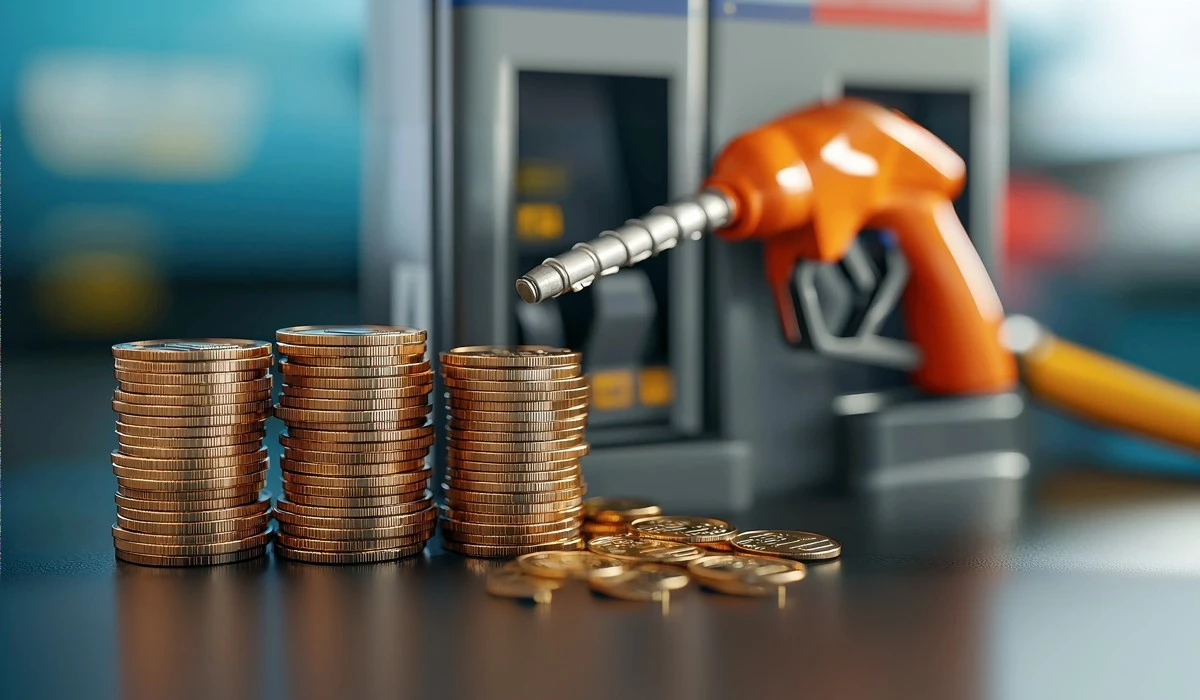
Slovenian Fuel Quotas: Drivers Facing Shortages
A country overflowing with gasoline suddenly forces its citizens to ration every drop. Drivers idle in massive lines, watching the pumps nervously. Government officials insist the national storage facilities sit at absolute maximum capacity. They claim the nation possesses ample petroleum reserves.
According to The Guardian, this drastic emergency action plan makes Slovenia the first EU member state to legally freeze the exact amount of fuel drivers can buy. This strange reality reveals a severe crack in modern distribution networks. The retail pumps run dry while the massive national storage tanks remain completely full. Global disruptions create rippling delays that local infrastructure simply cannot handle.
Station staff suddenly find themselves acting as rationing guards, enforcing strict limits on furious commuters. This sudden shift exposes exactly how fragile a supply chain becomes when international price gaps grow too wide. To understand Slovenian fuel quotas, you must look past the pump and into the tangled web of cross-border economics.
The Illusion of Empty Tanks and Slovenian Fuel Quotas
Massive fuel stockpiles mean nothing when the delivery trucks physically cannot reach the gas stations in time. The core problem stems directly from logistical supply chain bottlenecks. Slovenia holds extensive petroleum reserves. According to a statement from the Government of the Republic of Slovenia, Prime Minister Robert Golob recently confirmed the nation’s storage facilities remain filled to the brim with sufficient fuel. He noted a total absence of impending national deficits. The gasoline exists. It simply sits stuck in transit.
As reported by Reuters, the Slovenian government officially activated a nationwide emergency action plan on Sunday, temporarily restricting fuel purchases to manage localized shortages at the pump. They recognized that distribution infrastructure blockages pose a severe threat to everyday civilian transportation. Why are gas stations running out of fuel despite having reserves? Stations run dry because sudden spikes in consumer demand and clogged transit routes severely delay delivery trucks, making it impossible to refill the underground tanks fast enough.
The state took immediate action and deployed Slovenian Armed Forces transport units. Military drivers now provide essential logistical supply chain assistance. This heavy-handed military intervention highlights the absolute severity of the distribution bottleneck. Soldiers drive commercial tankers just to keep the civilian economy moving.
Navigating the Supply Chain State of Emergency
Designating a logistics network as a crisis zone gives the government absolute authority over private cargo movement. The Ministry of Infrastructure mandated sweeping railway modifications to address the delivery crisis. They officially declared a sector-wide "state of emergency" for the tracks. This aggressive directive prioritizes domestic petroleum cargo over all other standard freight.
Passenger trains and consumer goods now wait on the sidelines. Trains hauling crude oil and refined gasoline take absolute precedence on the rails. The state owns a 32.3% stake in the primary domestic oil distributor, ensuring swift and merciless enforcement of these emergency transit rules. They wield this ownership stake to force immediate compliance across the transport grid.
Retailers must survive under intense, unprecedented government scrutiny. State officials require mandatory nonstop status reports from every single station manager. These frequent supply updates strip local managers of their autonomy. They function entirely as tightly controlled nodes in a stressed national network. These extreme measures aim to flood the gas stations with supply before the weekend rush hits.
Crossing Borders for Cheaper Drops
Artificial price limits in one country automatically create a severe drain from neighboring states with free-market rates. As noted by Newsweek, a massive price disparity currently exists between Slovenia—where the government intentionally capped Euro-super 95 at €1.47 and diesel at €1.53—and Austria.
Meanwhile, Austrian drivers face steep, unregulated costs at home. The same Newsweek report indicates Austrian prices neared €1.80 for gasoline (roughly £1.56 or $2.09) and €2.00 per liter for diesel. This drastic financial difference sparked a massive cross-border phenomenon.
Thousands of Austrian drivers now cross the border exclusively to buy cheap gasoline. Politicians accurately label this aggressive behavior "fuel tourism." According to ANSA, this foreign influx directly strips local Slovenian supplies at an alarming rate, causing several stations near the border to completely run out of fuel. Herbert Kickl, the Austrian Freedom Party leader, expressed deep dismay regarding this domestic economic hardship. He highlighted the sheer necessity of international travel for basic, everyday cost reduction.
The Cost of Artificial Price Caps
The government defends these rigid price caps as a necessary shield against wild global energy fluctuations. State officials released a firm public statement emphasizing the absolute indispensability of direct market intervention during these turbulent times. Without these state-enforced caps, local Slovenian commuters would face ruinous daily travel expenses.
However, this protection comes with a heavy physical toll on the stations. The caps essentially advertise a massive discount to the entire region. The government willingly sacrifices local supply stability to maintain an affordable price point for its voters.
The Strict Math Behind Slovenian Fuel Quotas
Government mandates shift the entire burden of national resource protection onto minimum-wage gas station clerks. The newly implemented Slovenian fuel quotas force a rigid mathematical limit on every single customer. The state restricted the individual daily quota to exactly 50 liters. They allocated a higher commercial and agricultural daily quota of 200 liters to ensure food and cargo keep moving.
Some private companies moved even faster than the government. The major retailer MOL anticipated this severe crisis early. They enforced a stricter pre-existing daily quota of just 30 liters before the state mandate even took effect. The pumps click off mathematically. The attendants offer no exceptions.
This retailer mandate places massive, unfair pressure on station staff. Cashiers now bear the primary responsibility for strict customer quota enforcement. They must monitor pumps, verify limits, and frequently shut off access to incredibly angry drivers. How do gas stations track daily fuel purchase limits? Modern point-of-sale systems monitor the active transaction and automatically shut off the pump once the metered flow reaches the strict legal limit. This digital barrier ensures the quota remains completely intact despite human error or aggressive customers.
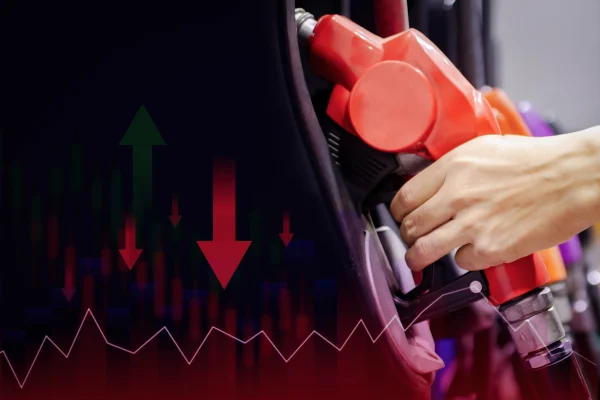
Tuesday’s Ticking Clock and Energy Market Disruption
Setting a specific date for a price hike guarantees a severe supply shortage on the days immediately preceding it. The upcoming Tuesday marks a scheduled, nationwide petroleum cost escalation. Everyone knows the prices will jump drastically. Drivers desperately rush to secure their 50 liters before the strict midnight deadline.
This localized, clock-driven panic accelerates the complete drainage of local stations. The government's decision to announce the hike in advance inadvertently fueled the current chaos. The global energy market disruption adds intense pressure to this localized panic. Middle Eastern geopolitical friction creates immense, daily uncertainty for fuel importers.
The ongoing US-Israeli-Iran conflict keeps crude oil futures highly volatile. Slovenia buys heavily into this chaotic global market, making domestic price stability virtually impossible. How do international conflicts affect local gas prices? Geopolitical disputes threaten global extraction and shipping operations, prompting worldwide markets to raise prices immediately to hedge against future supply drops. Slovenian citizens feel the direct financial blow of these distant conflicts every single time they grab a fuel nozzle.
Corporate Friction and Public Blame
State leaders loudly criticize the very corporations they depend on to fix the crisis. A Reuters report notes that PM Robert Golob recently aimed severe, direct criticism at "Petrol," the primary domestic energy company, launching an official inquiry to investigate them for possible violations and mismanagement. The prime minister expects flawless daily distribution despite the glaring international pressures and physical road blockages.
This aggressive corporate performance critique cleverly shifts public frustration away from government policy and onto private enterprise. The "Petrol" energy company representation pushed back aggressively against the state's harsh claims. They asserted maximum network stabilization efforts across all their retail locations.
Representatives cited their extreme dedication toward network stability in hostile conditions. They highlighted their unwavering corporate commitment to nonstop petroleum availability. The company currently faces an impossible logistical task. They must manage the heavy influx of Austrian drivers, appease angry local residents, and navigate a clogged, panicked transport network. The state acts as both the primary shareholder and the harshest public critic, creating immense boardroom tension.
The Role of Military and Rail Infrastructure
The logistical nightmare required immediate, brute-force physical solutions. The Ministry of Defense recognized that civilian trucks could not handle the surging demand alone. Military drivers currently operate massive commercial fuel tankers to forcefully bypass the standard supply chain blockages.
The railway sector modifications also clear a dedicated, high-speed path for petroleum trains. These drastic measures aim to refill the massive underground station tanks before the next wave of foreign buyers inevitably arrives. The military treats the civilian fuel supply exactly like a battlefield logistics operation.
The Long-Term Reality of Borderless Shopping
Geographic borders exist on maps, but drivers chasing discounts treat them as mere speed bumps. The sheer volume of fuel tourism forces lawmakers to rethink their entire economic pricing strategy. Capping Slovenia fuel prices protects local citizens in theory. In practice, it turns the small country into a massive discount supermarket for neighboring nations.
Austria's incredibly high domestic costs ensure a steady, daily flow of cross-border traffic. The sudden rush of foreign license plates confuses local residents. One commercial truck operator at the Sentilj border reported a complete lack of prior comparable experiences. He admitted his initial, genuine confusion regarding a potential national armed conflict, given the massive, chaotic lines of foreign vehicles idling on the highway.
Local public reaction remains intensely split regarding the Austrian drivers. Some residents feel intense, vocal annoyance over the foreign-caused queues at the neighborhood pumps. Other citizens express deep, genuine appreciation for the resulting economic spillover. They note distinct hospitality and retail boosts from the visiting drivers who buy food and supplies while waiting in line.
Future restrictions on this borderless shopping remain highly probable. The government actively hints at more robust foreign driver purchase limits. They desperately need a legal system that isolates the domestic market from relentless external drainage. The government explicitly encourages gas stations to enforce foreign driver purchase limits right now, further complicating the daily duties of local pump attendants.
The Future of Slovenian Fuel Quotas
The jarring sight of military convoys delivering gasoline to civilian pumps reveals the ultimate fragility of modern distribution. Slovenia holds massive physical reserves, yet logistical bottlenecks forced the nation to rapidly ration its most vital daily resource. Artificial price caps created an irresistible financial magnet for Austrian drivers, turning a local supply challenge into a chaotic cross-border crisis.
State intervention, strict railway prioritization, and emergency military assistance highlight the severity of the bottleneck. Station clerks endure the daily, grueling friction of enforcing strict limits on highly frustrated drivers. The scheduled Tuesday cost escalation guarantees that the panic will persist as citizens frantically rush to beat the clock.
The implementation of Slovenian fuel quotas demonstrates exactly how rapidly a supply chain crumbles under the heavy weight of geopolitical conflict and extreme price disparities. Authorities must eventually find a permanent way to stabilize the retail pumps. Until then, the border remains a highly contested daily battlefield for cheap gasoline.
Recently Added
Categories
- Arts And Humanities
- Blog
- Business And Management
- Criminology
- Education
- Environment And Conservation
- Farming And Animal Care
- Geopolitics
- Lifestyle And Beauty
- Medicine And Science
- Mental Health
- Nutrition And Diet
- Religion And Spirituality
- Social Care And Health
- Sport And Fitness
- Technology
- Uncategorized
- Videos

