
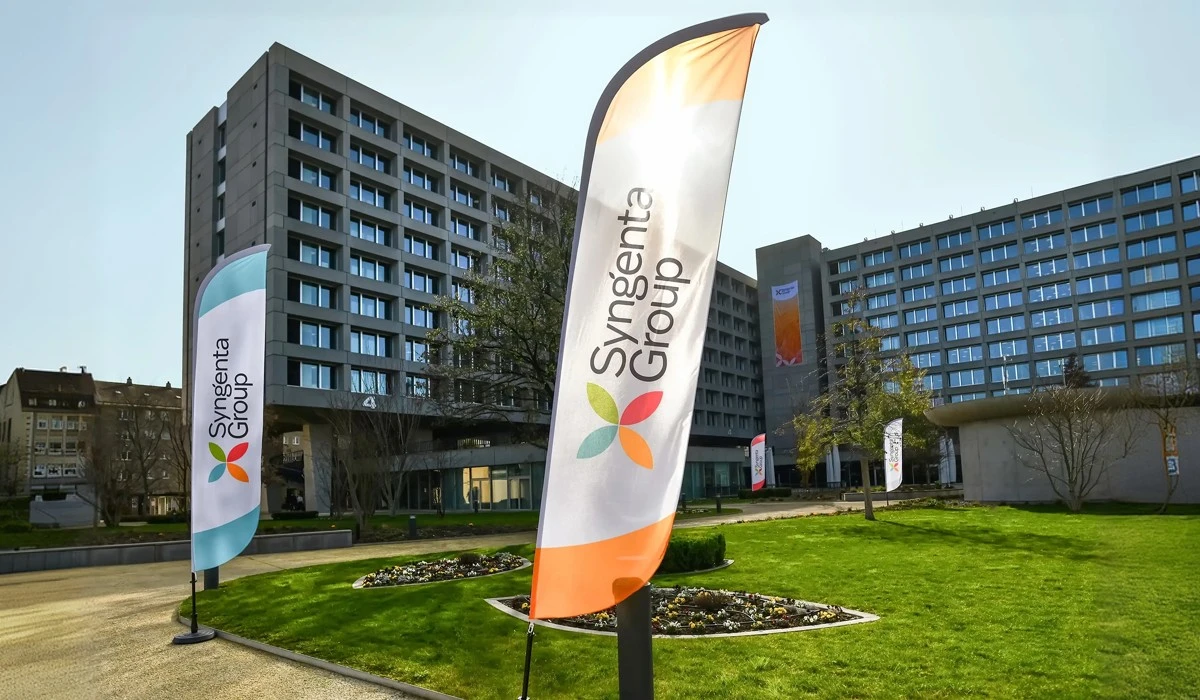
Image Credit - by-Syngenta Group, CC BY-SA 4.0, via Wikimedia Commons
Syngenta UK Investment Defies Pharma Industry Trends
When major pharmaceutical companies pull billions out of a country, people assume the scientific well ran dry. The reality reveals a simpler truth. Capital flows toward sectors with the fastest regulatory green lights. The Syngenta UK investment perfectly illustrates this aggressive shift in corporate spending.
While drugmakers abandon British research sites, Syngenta rapidly commits £100m to build a massive agricultural bioscience hub. This new BioSTaR facility will officially open its doors by 2028. According to a report by The Guardian noting the consolidation of operations into a single building, it will pull 300 expert scientists under a single roof to tackle modern farming challenges. Furthermore, as highlighted in a corporate press release announcing the £100 million Jealott’s Hill expansion, the corporate giant continues to bank heavily on British soil despite fierce global market headwinds and sweeping changes to its legacy product lineup.
This £100m cash injection creates a sharp contrast against a retreating medical sector. Crop science wins critical funding today because farming regulations operate on an entirely different track than human medicine. The disparity in financial health between these two scientific fields exposes the true cost of bureaucratic delays. Corporations simply stop investing when the rules take too long.
Fast Regulatory Lanes Drive the Syngenta UK Investment
Speed beats state subsidies when a corporation decides where to pour its research budget. The pharmaceutical sector recently pulled roughly £2bn in capital from various British projects. Top medical firms cite endless red tape and volatile returns as their primary reasons for leaving. AstraZeneca directly paused a £200m expansion in Cambridge, sending shockwaves through the local scientific community. The Syngenta UK investment moves in the exact opposite direction. Dave Bench, CropLife UK CEO, views this massive capital allocation as a highly positive indicator for the broader agrichemical space amid other sector departures.
As noted in updates from Syngenta and the Agriculture and Horticulture Development Board detailing the Health and Safety Executive's recent approval of the highly demanded Adepidyn fungicide technology, British authorities evaluate agricultural chemicals through an evidence-based pathway. This approach neatly sidesteps the usual friction found in healthcare testing. Companies know they can bring a product to market without fighting a multi-year political battle.
How does post-Brexit regulation affect the Syngenta UK investment? The UK government approves crop products significantly faster than the EU, prioritizing agile, data-driven frameworks. For example, the highly anticipated Adepidyn fungicide secured quick approval in Britain during 2024. Meanwhile, European markets forced ongoing delays for the exact same product. Syngenta specifically chose the new BioSTaR site location because Britain offers this hyper-streamlined regulatory environment. When products clear testing faster, the return on investment compounds rapidly.
Building BioSTaR Without State Handouts
Government praise often masks a complete lack of direct financial support. Farming Minister Angela Eagle happily frames the project as a massive vote of confidence in domestic science. She highlights the sheer scale of the commitment as proof of British excellence. She also quickly points out that the company requires zero state funds for the construction. The government happily claims the public relations victory without spending a single dime on the building itself.
Instead of funding corporate real estate, the government offers a broader £345m grant pool. This separate fund helps local farmers buy eco-friendly equipment and test sustainable growing methods. The state funds the end-user rather than the manufacturer.
Camilla Corsi leads global crop protection R&D for the company. She aims to elevate agricultural output through AI tools and next-generation biological pesticides. She openly admits that the fast-track approval process provides essential governmental assistance. A faster timeline to commercial sales generates far more revenue than a one-time government grant ever could. The new facility will simply expand scientific frontiers using purely private cash.
The Deep Roots of Jealott’s Hill
Legacy locations survive corporate buyouts when the physical real estate holds deep historical research value. Syngenta employs over 2,000 people across six separate British sites today. The Jealott’s Hill campus securely remains the absolute crown jewel of their entire operation. Imperial Chemical Industries originally launched this specific agricultural research station back in the 1920s. Today, it hosts 800 employees and serves as the largest global R&D site for the company.
The site survived decades of corporate restructuring, mergers, and buyouts. It continues to produce elite data because the physical location concentrates generations of institutional knowledge. The new £100m upgrade consolidates these operations even further. The layout brings 300 experts into a single modernized space to streamline their daily workflows.
Anthony Hall, a prominent plant genetics professor, views this capital influx as hard validation of domestic plant science prominence. He expects the localized spending to fortify the surrounding agritech startup scene. When a massive anchor corporation heavily upgrades its facilities, smaller startups naturally flock to the immediate area. They want to absorb the overflow talent and secure lucrative partnership contracts.
The Real Push Behind the Paraquat Phase-Out
Corporate timelines for retiring controversial products usually align perfectly with mounting legal costs. Syngenta will cease global paraquat production completely by the end of June 2026. The official corporate stance strictly credits fierce generic market competition for the impending shutdown. They claim that cheaper generic alternatives simply make the chemical unprofitable to manufacture. Internal documents and massive cash settlements tell a sharply different story regarding this timeline.
Does Syngenta face lawsuits over paraquat? Yes, the company currently faces roughly 5,800 federal multi-district litigation cases linking the chemical directly to Parkinson’s disease. State-level lawsuits add even more pressure to the legal department.
This massive legal pressure heavily affects their long-term corporate strategy. The company already paid a massive $187.5m settlement in 2021 to resolve a large batch of earlier claims. Shifting away from controversial legacy chemicals allows the Syngenta UK investment to focus entirely on advanced, sustainable crop protection.
They need to leave old liabilities firmly in the past to justify their aggressive new spending. Biological pesticides represent the future of their revenue stream. Paraquat represents a burning legal liability.
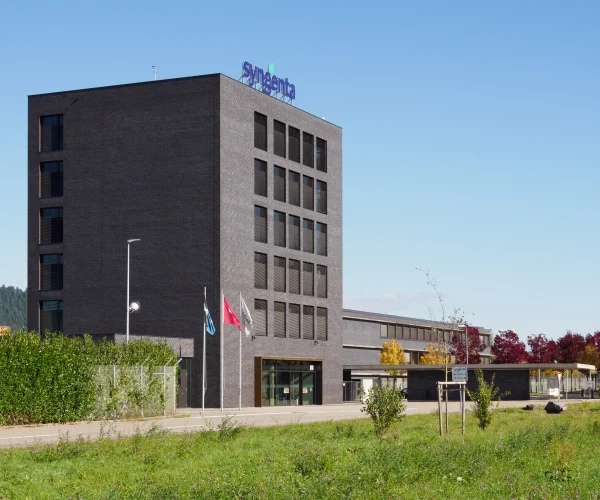
Image Credit - by JoachimKohler-HB, CC BY-SA 4.0, via Wikimedia Commons
Corporate Ownership and Geopolitical Ties
A domestic research facility completely answers to a foreign state-owned enterprise. Syngenta officially operates its global headquarters in Basel, Switzerland. The public face of the company feels distinctly European. The ultimate control actually rests far to the east. The modern Syngenta Group officially formed in 2020 following a massive corporate restructuring effort.
This strategic move aggressively merged Syngenta, Adama, and the agricultural arm of Sinochem under the powerful umbrella of ChemChina. The move consolidated a massive portion of the global agricultural supply chain under one single corporate entity.
Who owns the Syngenta agricultural group? The Chinese state-owned enterprise Sinochem maintains ultimate corporate ownership through its ChemChina division. This massive parent company originally acquired the Swiss firm between 2016 and 2017.
They paid a staggering total cost ranging from $43bn to $44bn to finalize the deal. They successfully executed this purchase shortly after Syngenta formally rejected a $40bn acquisition bid from the American giant Monsanto in 2014. Despite this deep foreign ownership structure, the parent company keeps the raw science securely localized in Britain.
Contrasting Fortunes in Medical and Crop Science
Elite research foundations cannot retain capital if the final product faces unpredictable payment rates. The UK retains a highly respected reputation for elite scientific talent across multiple disciplines. The Association of the British Pharmaceutical Industry still notes chronic deficiencies in basic investor appeal. Joe Edwards points out that volatile compensation rates actively drive medical investors away from British shores.
The government effectively controls domestic drug pricing. They cap potential profits for pharmaceutical giants to protect the national health budget. Medical investors look at these strict price ceilings and quickly move their money to more lucrative, unregulated markets.
Agrichemicals completely bypass this specific financial barrier. Companies sell their commercial seeds and crop protection chemicals directly to private farmers. They completely avoid government health service disputes and rigid price controls.
This structural difference creates a stark divergence in sector health. The Syngenta UK investment thrives precisely because the agricultural market dictates its own prices based purely on crop yield and global food demand. The investors know exactly how they will secure their returns.
Global Sales and The Push for Public Capital
Massive annual revenues do not eliminate the urgent need for a heavy external cash injection. The company generated a staggering $30bn in global revenue for the full year 2024. Despite these incredibly strong numbers, internal data revealed a noticeable dip. They only posted $20.9bn for the first nine months of 2025. The corporation still navigates major financial hurdles alongside the ongoing Syngenta UK investment.
The Federal Trade Commission recently launched heavy legal challenges against their US customer discount programs. This bitter litigation dragged on from 2022 through 2025, costing the company significant legal fees and market momentum.
Global critics also slam the company for maintaining extensive Russian operations amid the ongoing war in Ukraine. The firm aggressively balances this intense ethical criticism against raw profitability. They simply refuse to abandon a highly lucrative agricultural market.
To secure more working capital, Syngenta recently floated the idea of a massive Hong Kong IPO. They aim to sell 20% equity to raise $10bn in fresh public capital. They desperately need this cash to fund their global shift toward biological pesticides and advanced AI farming tools.
The Future of the Syngenta UK Investment
Capital flight rarely signals the end of national innovation. Money simply reroutes to paths of least resistance. The massive Syngenta UK investment thoroughly proves that heavy funding remains available when companies face clear regulations and uncapped markets. The £100m BioSTaR hub guarantees that hundreds of scientists will continue pushing the boundaries of global agriculture from British soil well into the next decade.
Pharmaceutical giants will continue fighting the government over strict drug prices and profit caps. Meanwhile, crop science firms will happily build next-generation facilities and sell their products directly to the global farming industry.
British agricultural science holds immense commercial value. As long as the regulatory lanes stay perfectly clear, the funding will stay local.
Recently Added
Categories
- Arts And Humanities
- Blog
- Business And Management
- Criminology
- Education
- Environment And Conservation
- Farming And Animal Care
- Geopolitics
- Lifestyle And Beauty
- Medicine And Science
- Mental Health
- Nutrition And Diet
- Religion And Spirituality
- Social Care And Health
- Sport And Fitness
- Technology
- Uncategorized
- Videos