

Danish Parenting: Building Truly Confident Kids
Denmark wins the top spot on the World Happiness Report year after year. According to a report by Reuters, while many people look at short work weeks or high taxes to explain this success, these rankings are also linked to factors such as social bonds, personal freedom, and life expectancy. In reality, the foundation starts much earlier inside the home. When parents change how a child sees a mistake, they change how that child sees the world.
This specific approach to Danish Parenting avoids the common hunt for gold stars and trophies to prioritize the development of the "whole child." A focus on character and social skills over test scores helps parents succeed at raising resilient kids who do not crumble under pressure. This guide shows you how to bring these Scandinavian secrets into your own living room to encourage lasting confidence.
The Foundation: Why Danish Parenting Produces Resilient Kids
For over 40 years, Danish society has operated on the belief that children need space to struggle. As noted in The Danish Way, this philosophy traces back to the educational reforms of 1871, which officially recognized play as an essential tool for human development because it was considered vital for growth. When children play without adult interference, they learn to negotiate, solve conflicts, and set their own boundaries. This process builds an internal locus of control. Children who believe they influence their own lives grow up much more confident than those who feel like pawns in a parent’s plan.
The Power of Unstructured Play
Danish parents view play as a child's most important job. They often follow an 80/20 balance where eighty percent of a child’s early years focus on social-emotional growth through free play. Only twenty percent goes toward structured academic instruction. This lack of structure forces children to create their own rules and roles. If a group of children wants to play "forest explorers," they must decide who carries the map and what happens if they get lost. These small decisions build the mental muscles needed for raising resilient kids. When adults step in too quickly, they rob the child of the chance to prove their own competence.
Resilience Over Protection
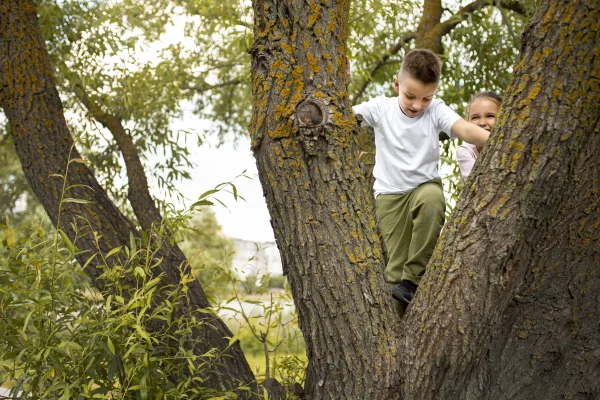
In Denmark, you will often see toddlers climbing high trees or using real woodworking tools in "forest schools." These schools, popular since the 1950s, keep kids outside for ninety percent of the day. Research published by Monstrum indicates that through this exposure to "risky play," children learn the limits of their own bodies and develop spatial awareness as they test themselves within their environment. They learn the reality of gravity and how to assess danger accurately.
What is the secret to Danish parenting? As noted by Jessica Joelle Alexander in a report for CBS News, the secret lies in the "P.A.R.E.N.T" acronym—Play, Authenticity, Reframing, Empathy, No Ultimatums, and Togetherness. This framework creates a balanced environment where children feel both challenged and supported. Small risks allow parents to prevent the "entitlement trap" and prepare their children for a world that does not always provide safety nets.
Learning Reframing to Change Your Child’s Narrative
The way a parent describes a situation eventually becomes the child's inner voice. Danes use a technique called "Omtolkning" or reframing. This involves shifting limiting language into expansive language. Instead of seeing a situation as a permanent failure, they see it as a temporary hurdle. This shift in perspective prevents children from feeling "stuck" in their negative traits. It turns every struggle into a data point for future success.
Avoiding "Labeling" Language
Labels act like cages for a child’s personality. If a parent calls a child "the shy one" or "the naughty one," the child often lives up to that title to please the parent. Danish Parenting encourages describing the behavior rather than the person. For example, a parent might say, "You are being very energetic right now," instead of "You are being annoying." This distinction allows the child to see their behavior as something they can change. If the behavior is separate from their identity, they feel more empowered to improve it.
Growth Mindset in Action
Danish parents avoid person-praise, such as "You are so smart." Research published by the American Federation of Teachers suggests that they know this creates "praise junkies" who fear taking risks because they might lose their "smart" status, as praising intelligence encourages kids to avoid mistakes. Instead, they focus on process-praise. A study published in PMC notes that praising effort encourages children to adopt positive motivational frameworks. The study also suggests that this reinforces the value of effort and persistence. This mindset is vital for raising resilient kids because it makes failure feel less like a threat and more like a lesson. When kids value the process, they tackle new challenges with curiosity rather than anxiety.
The Role of Empathy in Danish Parenting Styles
Empathy is a national requirement in Denmark, rather than being treated as a minor social ability. Since 1993, Danish schools have taught empathy as a mandatory subject for students aged six to sixteen. Parents mirror this at home by teaching children to "read" the emotions of others. This focus on emotional intelligence helps children build stronger social bonds and reduces the likelihood of bullying.
Teaching Emotional Literacy
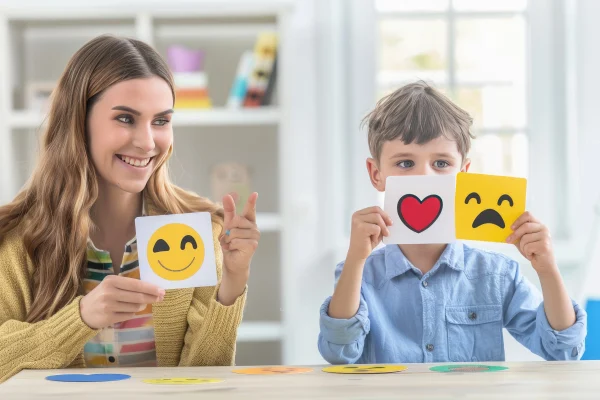
Danes use daily life and literature to expand a child's emotional vocabulary. They often use a "CAT-kit," which is a visual tool that helps kids rank their feelings on a scale of one to ten. When reading stories, parents ask, "How do you think that character felt when they were left out?" This practice turns empathy into a habit. Danish children's books often have bittersweet endings to show that sadness and joy can exist at the same time. This honesty helps kids navigate the "full palette" of human emotion without feeling overwhelmed.
Setting Boundaries with Kindness
The Danish model follows an authoritative rather than authoritarian style. Parents act as the "captain of the ship." They provide a clear direction and firm boundaries, but they do so with a calm and respectful tone. They treat the child as a person with valid rights and opinions.
How do Danes discipline their children? Danish parents avoid physical punishment and ultimatums, opting instead for a democratic approach that emphasizes explaining the "why" behind rules. This builds mutual respect and internal discipline rather than fear-based compliance. When a child understands the reason for a rule, they are much more likely to follow it when the parent isn't watching.
Creating Emotional Safety Through Hygge Parenting
The word "hygge" usually brings to mind cozy blankets and warm tea. In a family context, hygge parenting involves creating a "we" space where the group's comfort takes priority over individual complaints. It is a psychological haven where children feel completely accepted. This sense of belonging provides the emotional security children need to take risks in the outside world.
The Psychological Side of Hygge Beyond Candles
True hygge requires a commitment to togetherness. According to Iben Sandahl and Jessica Joelle Alexander in The Danish Way of Parenting, families often take a "Hygge Oath" before a gathering. As noted by Bookey, this means everyone agrees to leave drama and personal stress at the door to commit to group harmony. For a few hours, the family focuses on shared activities like games, singing, or cooking. This practice teaches children how to set aside their own ego for the benefit of the community. It reinforces the idea that they are part of something larger than themselves, which significantly boosts their self-worth.
Establishing Daily Rituals
You can bring hygge parenting into your home through simple daily habits. One popular Danish tradition is "Klassens tid," or the class's hour. At home, this looks like a weekly family meeting where everyone discusses their week over a "Hygge cake." The cake makes the discussion feel safe and special. These rituals create a predictable rhythm that lowers a child’s stress levels. When kids know they have a dedicated time to be heard and held, they develop a deep sense of stability and confidence.
Why Authenticity Matters for Confident Children
Danish culture values honesty over perfection. This starts with the "Jante Law," a cultural ethos that promotes humility and discourages arrogance. When parents teach kids that they are not better than anyone else, they protect them from the pressure of being perfect. Authenticity allows children to accept their flaws and work through them rather than hiding them.
Honesty About Hard Emotions
Danish parents do not shield their children from the reality of struggle. If a pet dies or a parent loses a job, they explain the situation in age-appropriate terms. They avoid the common trap of saying, "Everything is fine," when it clearly is not. This honesty builds trust. When a parent is honest about their own feelings, the child learns that it is okay to feel sad or frustrated. Using Danish Parenting techniques ensures that kids grow up with a grounded sense of self-confidence because they know they can handle the truth.
Using Realistic Stories and Media
While Britannica identifies Pippi Longstocking as a Swedish literary figure, children in Denmark grow up with similar characters who are messy, loud, and sometimes make bad choices. These realistic portrayals show children that they do not have to be "good" all the time to be loved. Danish media often explores complicated themes like death, divorce, and loneliness. Exposure to these stories prepares children for the ups and downs of real life. When they finally face their own challenges, they have a mental library of examples showing how to persevere through difficult times.
No Ultimatums: A New Way to Handle Conflict
Danish parents view conflict as an opportunity for teaching instead of a battle to be won. They avoid "If you don't do this, then no dessert" style threats. These ultimatums create a win-lose relationship that eventually erodes the parent-child bond. Instead, they focus on finding solutions that respect both parties. This approach teaches children how to negotiate and compromise, which are essential skills for adult life.
Moving Away from Power Struggles
When a parent issues an ultimatum, they create a power struggle. The child either rebels to save face or complies out of fear. Neither outcome builds true confidence. Danes prefer to use the captain of the ship" method. If a child refuses to put on their shoes, the parent might say, "We are leaving in five minutes. You can put your shoes on now, or I can carry them for you, and you can put them on in the car." This offers the child a choice while maintaining the parent's boundary.
The 20-Child Rule
This mindset extends to the classroom through what many call the 20-child rule. If one child in a class of twenty struggles with a task, the other nineteen are encouraged to help. This reduces social competition and encourages a sense of community.
Is Danish parenting effective for toddlers? Yes, because it replaces the "terrible twos" power struggles with empathetic boundary-setting and clear communication. Parents treat toddlers as small people with valid feelings to de-escalate tantrums more effectively. This communal approach to success teaches children that helping others is a form of strength, not a sign of weakness.
Practical Ways to Start Raising Resilient Kids Today
Starting your path toward raising resilient kids does not require a trip to Copenhagen. It requires a shift in how you view your child’s daily experiences. Success in a Danish home centers on being the best version of yourself, rather than being the top student in the class. This shift relieves the immense pressure many children feel today and allows their natural confidence to grow.
Redefining Success in the Home
In Denmark, the Folkehøjskole movement popularized the idea of "education for life." This means parents prioritize life skills like empathy, cooperation, and self-regulation over grades. You can implement this by changing what you ask your child at the end of the day. Instead of asking, "What did you get on your math test?" try asking, "Who did you help today?" or "What was the hardest thing you tried?" This tells the child that you value their character and their effort more than their performance.
Small Daily Shifts for Long-term Confidence
You can start applying Danish Parenting today with a few specific changes. First, let your kids play outside every day, regardless of the weather. As the Danes say, "There is no bad weather, only bad clothing." Second, create a weekly "hygge" night with no phones or distractions. Third, practice reframing a recent "failure" into a learning experience.
Ironically, letting go of the need for perfection is exactly what makes children feel more capable. Consistency is the key to this method. It is not a quick fix but a long-term commitment to building a relationship based on trust. Over time, these small shifts create a home environment where resilience becomes second nature.
Embracing a Happier Future with Danish Parenting
Adopting the principles of Danish Parenting allows you to trade constant power struggles for a deep connection. Prioritizing unstructured play and emotional literacy provides your child with the tools to navigate life's inevitable storms. You do not need to be Danish to value togetherness or to practice reframing negative thoughts. These are universal human skills that encourage a sense of security and self-worth.
The ultimate goal of hygge parenting is to create a bond that lasts long after the child leaves home. When you lead with empathy and avoid the trap of ultimatums, you build a foundation of mutual respect. This trust is the most important ingredient for raising resilient kids. As you embrace these methods, you will likely find that your own stress levels decrease along with your child's. A happier, more confident family starts with the simple choice to see the "whole child" and lead them with a calm, steady hand.
Recently Added
Categories
- Arts And Humanities
- Blog
- Business And Management
- Criminology
- Education
- Environment And Conservation
- Farming And Animal Care
- Geopolitics
- Lifestyle And Beauty
- Medicine And Science
- Mental Health
- Nutrition And Diet
- Religion And Spirituality
- Social Care And Health
- Sport And Fitness
- Technology
- Uncategorized
- Videos