
UK Pothole Debt Reaches 18 Billion Pound Mark
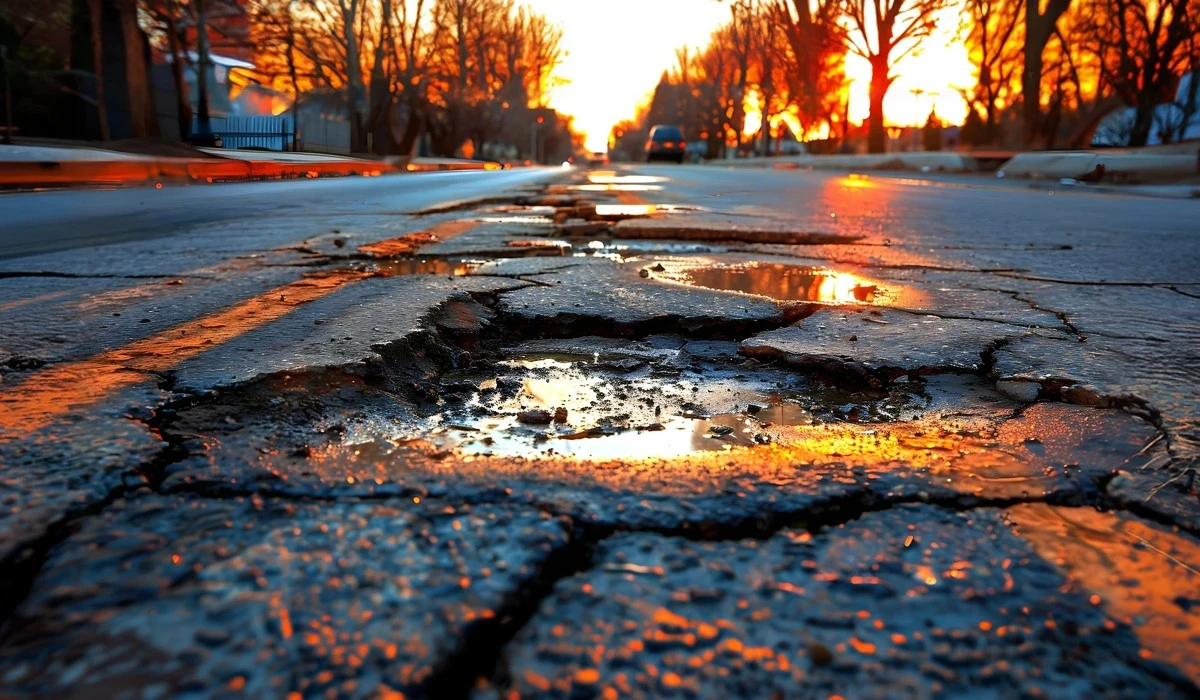
When motorists buy heavy sport utility vehicles to survive deteriorating streets, their massive tires crush the brittle asphalt even faster. The UK pothole crisis stems from this relentless cycle of heavier cars grinding down vulnerable tarmac. As reported by The Guardian, local roads across England and Wales crumble under a record £18.6 billion maintenance backlog, even as councils scrambled to patch 1.9 million craters over the past twelve months. Wet winters push rainwater deep into tiny surface cracks. Freezing temperatures then force that trapped water to expand, blowing open giant cavities overnight.
Authorities pledge billions to fix the damage, yet millions of drivers continue paying for wrecked tires and snapped suspensions. You must trace the flow of local funding and examine the actual lifespan of quick patches to understand this widespread failure. The core issue involves how local authorities deploy limited budgets and how long actual deep-layer repair truly takes.
The Mathematics Behind the UK Pothole Crisis
Pouring money into temporary surface fixes guarantees the same holes will need fixing again after the next heavy rain.
A massive gap exists between the daily road damage and the resources available to fix it. According to an ALARM survey summary published by Agg-Net, work crews executed 1.9 million crater repairs across the nation over the last year, running up a bill of £149.3 million. Yet the overall repair backlog total cost now sits at a staggering £18.6 billion. You might ask, why are UK roads in such bad condition? Wet weather drives water into deep asphalt cracks, and freezing temperatures force the surface apart to create expanding cavities. This seasonal freeze-thaw sequence outpaces the rate at which crews can lay down new tarmac.
Repair Costs Surge as Funding Falls Short
Data presents conflicting views on the overall network health. Some metrics show a 50% good condition road network, while competing data points suggest 51%. Either figure means half of the local streets require urgent, extensive attention. As noted by Construction Enquirer, £16.8 billion is required as a one-off payment to bring the road network to an ideal condition, meaning repair costs have increased by £1.8 billion since 2025 alone. The government previously allocated £1.6 billion for infrastructure maintenance. They recently added £500 million in extra funds, bringing the latest allocation to £1.6 billion.
However, this money struggles to close the massive deficit facing local councils. The AIA report confirms that cavities form far faster than councils can access infrastructure funding. Motorists demand smooth streets, but the raw mathematics of road decay continually outrun the available budgets. Heavy rains wash away cheap fillers within days. Planners struggle to align their massive financial shortfalls with the daily reality of crumbling streets.
A Flawed Maintenance Strategy Wasting Funds
Shoveling loose tarmac into a wet hole only delays the inevitable collapse by a few days.
Authorities rely heavily on superficial patch-and-dash fixes to keep traffic moving. These hasty repairs often fail instantly during severe storms. Nicholas Lyes from IAM RoadSmart notes that these quick interventions ignore the basic structural condition of the streets. Pushing cheap filler into a crack provides temporary visual relief while leaving the foundation entirely compromised. Deep layer care requires extended road closures, heavy equipment, and significant financial investment. Most local authorities lack the immediate capital for this comprehensive approach.
This superficial strategy creates a constant demand for repeat repairs. Workers fix the same stretch of road multiple times a winter. The AIA report explicitly highlights the necessity for deep road maintenance over temporary patching. Crews treating only the top layer accelerate the base structural rot. Without addressing the base layers, the fractional street survival rate continues to drop at an alarming pace.
One in six local roads currently holds under five years of structural integrity. If councils fail to execute deep layer reconstruction, those roads will degrade into unpassable hazard zones. Municipal street conditions now equal a nationwide shame, according to AIA Chair David Giles. He points out the consequences of a recurring harsh climate acting on chronically under-resourced infrastructure. Eventually, the unseen damage manifests as massive surface failures that stop traffic entirely.

The SUV Weight Cycle Worsening the UK Pothole Crisis
Protecting yourself from a broken street inadvertently accelerates the destruction of the entire network.
Drivers directly respond to deteriorating infrastructure through vehicle upgrades. Poor road conditions push consumers to buy heavier sport utility vehicles. Drivers made 2.5 million SUV purchases directly because of poor road conditions. These massive vehicles feature stronger suspensions and thicker tires, protecting the occupants from bone-jarring shocks. Ironically, this logical consumer choice creates a massive problem for the asphalt. Heavier vehicles exert significantly more pressure on weakened surface layers.
This accelerated surface destruction creates a vicious cycle. The UK pothole crisis deepens every time a heavier vehicle rolls over a compromised street. The financial burden on motorists remains immense. Vehicle damage costs UK drivers £1.8 billion annually. Simon Williams at the RAC reports receiving hundreds of daily mechanical failure complaints explicitly referencing crater damage.
Edmund King of the AA points to direct visual and tactile evidence of unprecedented rainfall combining with poor infrastructure to transform streets into makeshift hazard zones. Drivers pay for the broken roads twice. First, they pay through their taxes, and second, they pay through repair bills for snapped axles and ruined alloy wheels. They buy heavier cars to stop paying these repair bills, thereby crushing the roads faster with their increased vehicle weight.
The Ticking Timeline of Local Infrastructure
Local road resurfacing happens at a glacial pace. The average timeline for resurfacing local roads currently sits at once every 97 years. No standard asphalt mix can withstand a century of heavy traffic and severe winter weather. According to ITV News covering the ALARM survey, restoring the local network to ideal conditions would cost £18.6 billion, and as further supported by The Sun, experts estimate that achieving this restoration requires 12 solid years of intensive, uninterrupted labor. Yet councils operate on tight, short-term budgets that prevent long-term planning. Authorities constantly prioritize emergency safety hazards over comprehensive structural renewal. People naturally wonder about the financial toll of this delay. How much does pothole damage cost drivers? Pothole damage currently costs British motorists roughly £1.8 billion annually in direct vehicle repair expenses.
The Department for Transport acknowledges the historic underfunding of the sector. A DfT spokesperson recently stated the AIA report accurately reflects the necessity for infrastructure enhancement. The DfT demands strict municipal oversight and requires councils to formulate forward-looking strategies. Their ultimate goal involves secure and seamless travel for all road users.
Yet one in six local roads will lose all structural integrity within five years. Local authorities face a rapidly ticking clock. They must completely overhaul their maintenance schedules before these critical routes become entirely impassable. The current 97-year replacement cycle guarantees the total destruction of local routes long before work crews ever arrive.
Unpacking the True Cost of Crater Repairs
Assigning billions to a problem on paper fails to clear the repair queues sitting on council desks today.
Breaking Down the Budget Allocation
Understanding the scale of the financial challenge requires looking at local budgets. For the 2025/26 cycle, the average maintenance budget per authority is £30.5 million. This figure represents a 17% year-on-year increase. Councils spend exactly 54% of this expenditure strictly on surface and structure repairs. Even with this budget increase, the gap between funding and necessity remains vast.
The UK pothole crisis forces local authorities to stretch their £30.5 million average budgets to the breaking point. The central government promises a £7.3 billion long-term funding window spanning four years and ending in 2029/30. This unprecedented long-term financial injection aims for total municipal surface renewal.
The Reality of Execution
Industry experts reject the concept of a magical solution for rapid repair queue clearance. AIA Chair David Giles notes a hesitant positivity among municipal infrastructure experts regarding the financial boost. The core problem lies in the delay between allocating funds and breaking ground. Giles points out the long delay before visible public benefits emerge from the full delivery of this extra financial support.
Pouring asphalt requires contractors, equipment, and favorable weather. You cannot rush physical labor simply because a central bank transferred funds to a local council account. In reality, the execution of crater repairs always lags behind the financial headlines. Managing these expectations remains essential as drivers continue navigating dangerous roads while waiting for the promised funds to materialize into fresh tarmac.
The Life and Death Reality for Motorcyclists
A bump that rattles a car suspension easily becomes a fatal trap for someone riding on two wheels.
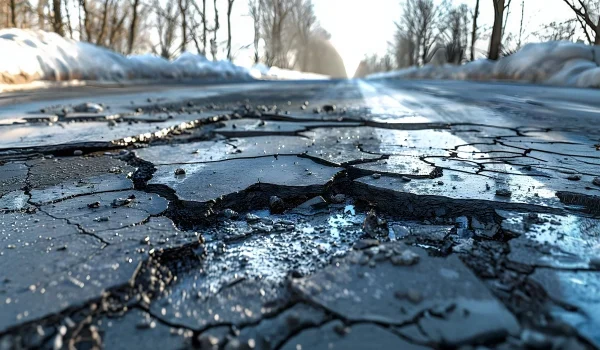
Discussions about road conditions heavily prioritize damaged cars and SUV upgrades. This focus marginalizes a much more severe threat. Motorcyclists face a danger from surface flaws that translates directly into lost lives rather than bent rims. As reported by ITV News, Colin Brown of the Motorcycle Action Group cited government figures showing riders experience a fatality and severe injury risk rate two times higher than car occupants and cyclists when encountering broken tarmac. A front wheel dropping into a deep cavity at highway speeds instantly throws a rider into incoming traffic. The consequences of this chronically under-resourced and deteriorating infrastructure eventually manifest as severe trauma for these vulnerable road users.
He further highlights this lethal discrepancy, stating that biker protests relate strictly to elevated fatality danger from fractured surfaces, entirely unrelated to minor issues like rubber wear. When a driver hits a hole, they call a tow truck. When a motorcyclist hits a hole, someone calls an ambulance. Municipal authorities face intense pressure to fix routes with high two-wheel traffic.
Meanwhile, the sheer volume of broken roads leaves councils playing a dangerous game of prioritization. They must decide which routes present the highest immediate danger while ignoring thousands of other hazardous locations. Protecting riders demands immediate, high-quality surface reconstruction rather than the standard loose-gravel patches that create even more traction issues for motorcycles.
Bridging the Gap Between Financial Promises and Action
Stretching budgets until 2030 leaves current infrastructure vulnerable to immediate winter weather collapse.
The Push for Front-Loaded Capital
The government prefers a gradual monetary expansion up to the year 2030. Industry leaders push aggressively against this timeline. They advocate for immediate, front-loaded financial distribution to tackle the crisis before the next winter. The period from 2024 to 2025 saw a 15% upward shift in preventive works. Councils attempt to seal cracks before the freeze-thaw sequence destroys the road. This proactive approach saves massive amounts of money down the line. Many citizens express skepticism about these efforts. Will government funding fix the potholes? Current financial commitments will help tackle the backlog, but fully restoring the network to optimal condition will take an estimated twelve years.
Avoiding Another Winter of Decay
Tom Hunt from the Local Government Association approves of the financial expansion. He simultaneously demands further municipal efforts toward complete standard achievement. AIA Chair David Giles emphasizes the potential for faster progress via early financial distribution. If councils receive the bulk of the £7.3 billion now, they can execute deep-layer maintenance during the warmer, drier months.
Delaying the funding means councils will face another cycle of patching roads in the freezing rain. Edmund King of the AA issues a severe alert regarding the massive effort requirement for the total elimination of this crater epidemic. Solving the UK pothole crisis demands that funding align with the physical realities of seasonal road repair to achieve any lasting success.
Moving Beyond the UK Pothole Crisis
Motorists face a daily battle against crumbling infrastructure. Drivers buying heavier SUVs to traverse failing roads simply crush the remaining asphalt faster. Local councils struggle to manage an £18.6 billion repair deficit while executing hasty surface patches that wash away in the next storm. The government’s £7.3 billion long-term funding commitment provides necessary financial fuel. Yet, spreading that money over a four-year window guarantees further structural failure in the short term. The UK pothole crisis demands deep surface maintenance and proactive, front-loaded investment rather than reactive, temporary fixes.
Motorcyclists continue to risk their lives on these fractured routes, while drivers absorb billions in vehicle damage. Municipal street conditions require total structural renewal to ensure secure and seamless travel. Authorities must abandon the 97-year resurfacing timelines and commit to intensive, immediate reconstruction. Until councils receive the funds to dig up and replace the rotting foundations of the road network, motorists will keep navigating a hazardous maze of broken tarmac.
Recently Added
Categories
- Arts And Humanities
- Blog
- Business And Management
- Criminology
- Education
- Environment And Conservation
- Farming And Animal Care
- Geopolitics
- Lifestyle And Beauty
- Medicine And Science
- Mental Health
- Nutrition And Diet
- Religion And Spirituality
- Social Care And Health
- Sport And Fitness
- Technology
- Uncategorized
- Videos