
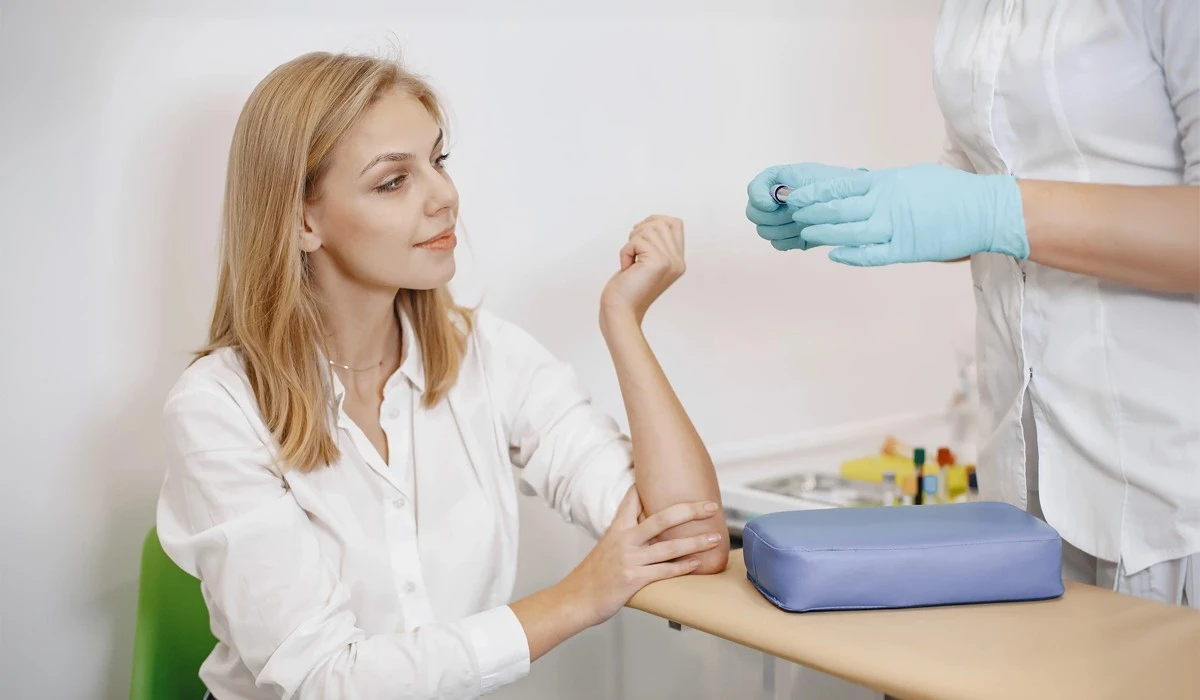
Capillary Blood Collection Methods: Ease The Fear
According to a report by the National Center for Biotechnology Information (NCBI), when a patient sees a silver tray of needles, their body enters a state of high alert, as the brain sends an immediate signal to the blood vessels, causing them to tighten and retreat deeper into the muscle. This physical reaction turns a routine procedure into a difficult hunt for a viable vein. Practitioners often struggle to find a target as the patient’s skin grows cold and the vessels narrow.
Modern healthcare now addresses this physical standoff through a change in the approach to specimen collection. Phlebotomy no longer requires a deep dive into the arm for every single diagnostic test. Instead, clinicians use the peripheral layers of the skin to gather high-quality samples. Utilizing capillary blood collection methods allows practitioners to bypass the deep venous system entirely for many routine screenings, as noted in documentation from the University of Florida (UF) Health Pathology Laboratories. This shift reduces the psychological wall between the patient and the care they need.
Research published in PLOS ONE indicates that while the adoption of less invasive techniques is intended to lower the patient's heart rate and increase their willingness to return for future visits, stress responses in these patients can sometimes remain equivalent to traditional methods. This shift in the field creates a better environment for both the collector and the person in the chair.
Why Phlebotomy Anxiety is a Real Clinical Barrier
The NCBI report also notes that fear activates the sympathetic nervous system, which floods the body with adrenaline and results in vasoconstriction. This narrowing of the veins makes a standard draw nearly impossible on the first attempt. Practitioners often call these patients "hard sticks," but the difficulty stems from a biological defense against perceived pain.
As noted in research published in PubMed, a stressed patient may breathe shallowly or tense their muscles, which can lead to fainting or vasovagal syncope, though actual vasovagal reactions are extremely infrequent. Ironically, the harder a patient worries about the needle, the more likely the procedure will hurt due to restricted blood flow. Is a capillary draw less painful than a venous draw? Research in Clinical Biochemistry highlights that because capillary punctures only penetrate the superficial skin layers, they generally cause significantly less pain and anxiety than traditional venipuncture.
When you remove the sight of a long needle and a large vacuum tube, the patient relaxes. This relaxation keeps the vessels open and improves the success rate of the draw. Phlebotomy practitioners who prioritize this psychological comfort often see higher accuracy in their samples because the patient's body remains in a steady state.
Modern Phlebotomy and the Shift to Capillary Blood Collection Methods
As noted by Medical News Today, the field of phlebotomy began with the Greek concepts of phlebos (vein) and temnein (to cut). The Encyclopedia Britannica explains that for centuries, doctors used "bloodletting" as a way to balance bodily fluids, following the historical theory of humors. Modern science changed this trajectory in the late 19th century. We now view blood as a data source rather than a waste product.
Clinicians increasingly choose capillary blood collection methods for their productive nature and lower effect on the patient. As detailed in Clinical Biochemistry, this shift utilizes the microvasculature found just beneath the surface of the skin and provides a biological mixture of blood from arterioles, venules, and capillaries.
Understanding the Anatomy of a Fingerstick
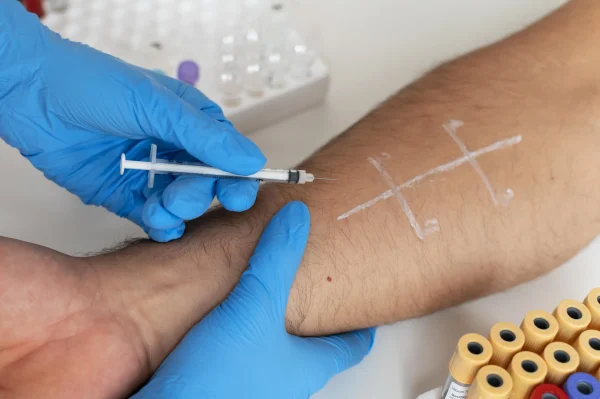
A thorough understanding of site selection prevents injury and ensures a high-volume flow. Guidelines from the Directorate of Health Services (DHS) Kerala recommend that practitioners choose the fleshy, off-center palmar surface of the middle or ring finger on the non-dominant hand. These instructions also advise avoiding the thumb and index finger due to calluses, while the pinky finger is unsuitable because it lacks the tissue depth needed to protect the underlying bone from the lancet.
Specialized Care for Neonatal Patients
In neonatal units, traditional draws often prove impossible due to the small size of the veins. Dr. Robert Guthrie pioneered the use of the heel stick in 1962 to screen for genetic disorders. You must target the lateral or medial plantar surface of the infant's heel. The DHS Kerala documentation also notes that striking the posterior curvature of the heel risks hitting the calcaneus bone, which can lead to neonatal osteomyelitis.
Identifying the Ideal Candidate for Capillary Procedures
Some patients present unique challenges that make venous access a last resort. Oncology patients often have sclerotic or hardened veins from repeated chemotherapy treatments. Geriatric patients frequently have fragile vessel walls that rupture under the pressure of a vacuum tube. For these individuals, capillary blood collection methods offer a way to preserve their "venous real estate" for emergencies.
Patients with severe needle phobia, which affects up to 25% of the population, also benefit from this approach. The small visual profile of a lancet prevents the panic response associated with a large syringe. Can all lab tests be done using capillary methods? While many routine screenings are compatible with these techniques, certain large-volume tests or blood cultures still require traditional venous access for accuracy.
Point-of-care testing also relies heavily on these methods. Whether a patient is managing diabetes at home or a nurse is checking a patient's blood-thinning levels in a clinic, the fingerstick provides immediate data. This speed allows for faster medical decisions without the need for a full lab setup.
Best Practices for High-Quality Capillary Blood Collection Methods
Success in capillary blood collection methods depends on technical precision rather than force. You must manage the site carefully to ensure the sample represents the patient's systemic health. Errors often occur when the practitioner rushes the process or ignores the specific physics of micro-sampling.
The Critical Role of Site Warming
Warming the puncture site to about 42°C for three to five minutes significantly improves the draw. This process, known as arterialization, increases local blood flow sevenfold. The resulting sample closely resembles the chemical composition of arterial blood, which provides more accurate results for certain diagnostic tests.
Avoiding Hemolysis and Contamination
Research in Clinical Biochemistry emphasizes that you must wipe away the initial drop of blood with dry sterile gauze because it contains tissue and intracellular fluids. These fluids can break down red blood cells, a process called hemolysis. The study also warns never to squeeze the finger excessively, as this forces interstitial fluid into the sample and can alter the reported levels of potassium and protein.
Essential Equipment to Support Modern Phlebotomy
Modern phlebotomy equipment focuses on safety and standardized depths. Gone are the days of the "scarificator," a multi-bladed tool used for therapeutic bleeding. Today, we use precision-engineered safety lancets that retract immediately after use. These tools prevent accidental needle sticks for the clinician and ensure the puncture never exceeds a safe depth.
What is the most common site for capillary blood collection? For adults, the fleshy side of the ring or middle finger is preferred, while the lateral plantar surface of the heel is the standard site for infants. Micro-collection tubes often feature color-coded caps that indicate which additives they contain, such as EDTA for hematology or heparin for chemistry.
Clinicians must follow a specific order of draw that differs from venous protocols. You fill the EDTA tubes first to prevent platelet clumping, which happens rapidly once the blood touches the skin. Following this strict sequence ensures the lab receives a sample that they can actually analyze without errors.
Managing Patient Communication to Lower Stress Levels
Effective phlebotomy requires more than technical skill; it requires clear communication. When you explain the steps of the procedure, you strip away the fear of the unknown. A patient who understands why you are warming their hand or wiping away the first drop feels like a participant in their care rather than a victim of it.
Transparency and Procedure Walkthroughs
Tell the patient exactly what to expect. Explain that the fingerstick only reaches the very top layers of the skin. This transparency builds trust and lowers the patient's guard. When a patient trusts their practitioner, their body is less likely to initiate the vasoconstriction that makes draws difficult.
Distraction Techniques and Positioning
Have the patient look away or engage them in a brief conversation about a neutral topic. Positioning the hand below the level of the heart increases blood pressure in the fingertips to use gravity to your advantage, as suggested in Clinical Biochemistry. These small physical and mental adjustments turn a high-stress event into a manageable task.
The Future of Pain-Free Phlebotomy
Innovation continues to push the boundaries of how we collect samples. New vacuum-based devices now allow for blood collection from the upper arm without a traditional puncture. These tools use high-speed micro-needles that the patient can barely feel. This technology moves us closer to a future where the fear of the "needle" no longer prevents people from getting blood work.
Software and hardware now work together to automate the collection process. Some devices use light to map the tiny vessels under the skin before the puncture occurs. These advancements ensure that capillary blood collection methods remain the most patient-friendly option in the diagnostic toolkit.
Proficiency in capillary blood collection methods allows you to provide a bridge for patients who would otherwise avoid the clinic due to fear. You protect the fragile veins of the elderly and ensure the safety of newborns through precise, localized techniques.
The shift toward micro-sampling represents a broader movement toward human-centered care. While traditional phlebotomy remains essential for complicated testing, the fingerstick offers a reliable and less intimidating alternative for routine monitoring. Every successful, low-pain draw builds a patient's confidence in the healthcare system.
Ultimately, the goal extends beyond simply filling a tube with blood to include maintaining the dignity and comfort of the person sitting in the chair. When you prioritize the patient’s experience, you achieve better clinical outcomes and ensure long-term compliance with health screenings. High-quality care and patient comfort are two sides of the same coin.
Recently Added
Categories
- Arts And Humanities
- Blog
- Business And Management
- Criminology
- Education
- Environment And Conservation
- Farming And Animal Care
- Geopolitics
- Lifestyle And Beauty
- Medicine And Science
- Mental Health
- Nutrition And Diet
- Religion And Spirituality
- Social Care And Health
- Sport And Fitness
- Technology
- Uncategorized
- Videos

