
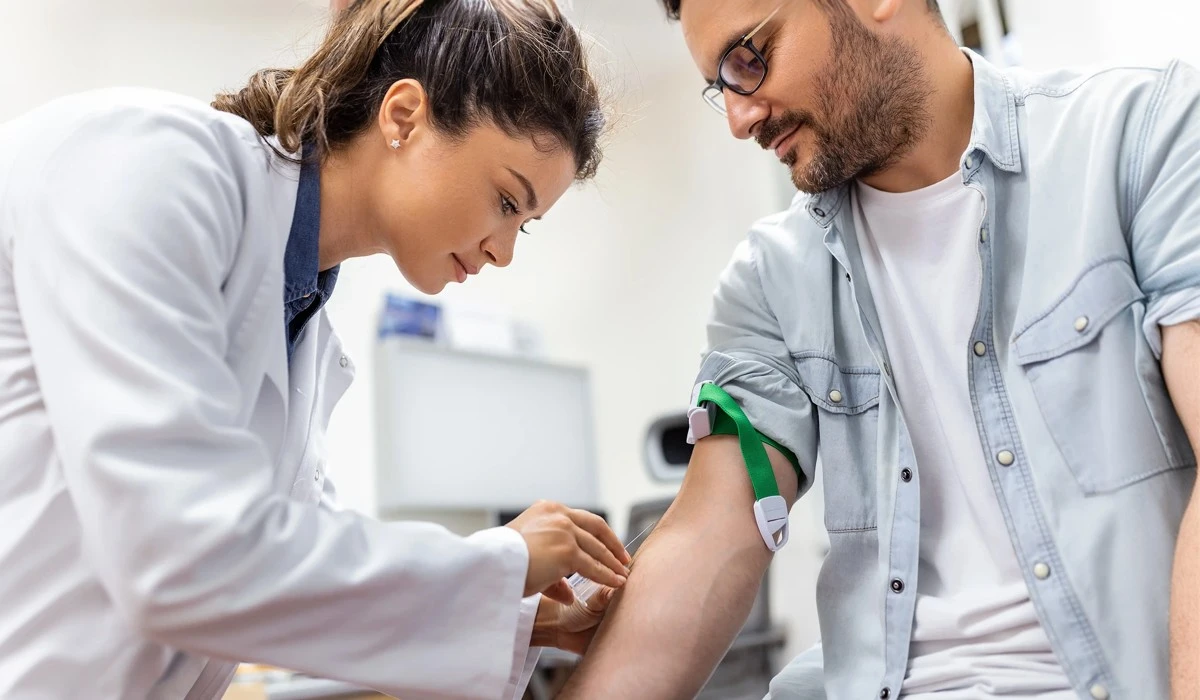
Phlebotomy And The Art Of Finding Hidden Veins
A successful blood draw happens long before the needle touches the skin. Most patients believe the skill lies in the puncture itself. In reality, your eyes and fingers do the heavy lifting during the minutes you spend assessing the arm. If you rush the setup, you increase the chance of a painful miss or a ruined sample. When you become an expert in phlebotomy, you learn that the skin hides an elaborate map of tubes that move, roll, and hide. Your job is to read that map.
The difference between an "easy stick" and a traumatic experience for the patient usually comes down to one thing. That thing is venipuncture site selection. If you choose a vein based only on what you see, you might hit a valve or a nerve. Professional collectors treat every patient like a puzzle. They look for the straightest, sturdiest path to the blood supply. This careful approach protects the patient’s veins for future needs and ensures the lab gets a clean specimen to test.
The Anatomy of a Perfect Phlebotomy Draw
Every arm tells a different story. To succeed, you must understand the basic layouts of the human arm. Most people follow one of two patterns in the elbow area, also known as the antecubital fossa. Knowledge of these paths makes your work much faster.
Primary Targets in the Antecubital Fossa
The "H-pattern" appears in about 70 percent of people. This layout features the median cubital, cephalic, and basilic veins forming a shape like the letter H. People often ask, what are the best sites for phlebotomy? As noted by the National Center for Biotechnology Information (NCBI), the median cubital vein is the preferred choice because it is situated between muscles, making it stable and easy to puncture while remaining away from sensitive nerves. It stays in place when the needle enters, acting as a reliable target for a clean draw.
The "M-pattern" is the other common layout. Here, the veins branch out to look like the letter M. In this case, the median cephalic or median cubital veins are still your best bets. The NCBI also advises avoiding the basilic vein when possible, as an artery and nerve run directly beneath it. If a needle goes too deep in this area, the Merck Manual Professional Version warns that a practitioner risks an accidental arterial puncture or hitting a major nerve, leading to serious complications.
Why Depth and Diameter Matter
A vein you can see isn't always a vein you should use. Some veins look bright blue because they are very close to the surface, but they are often thin and fragile. These "spider veins" usually collapse the moment the vacuum from the tube hits them. You want a vein with a wide diameter.
A thick vein holds more blood and handles the pressure of the draw better. Depth also plays a role. A vein that sits slightly deeper in the tissue is often more stable. It is surrounded by fat and muscle that keep it from rolling away from your needle.
Perfecting Palpation for Phlebotomy Success
Your sense of touch provides more information than your eyes ever could. While a vein might look perfect, palpation tells you if it is actually healthy. You are feeling for a specific bounce that signals a clear path for the needle.
Developing the "Golden Touch"
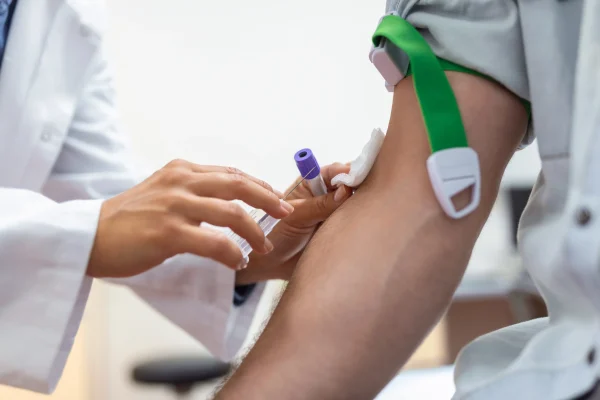
Use your index finger to press down on the skin. Never use your thumb, because your thumb has its own pulse that can confuse you. When you press on a good vein, it should feel like a small, bouncy tube. It should push back against your finger with a spongy resilience.
If the site feels hard or cord-like, avoid it. This often means the vein is sclerotic or scarred from previous sticks. These veins do not allow blood to flow freely. Ironically, a vein that feels too soft might be too superficial and prone to leaking, leading to a bruised arm.
Visual Cues vs. Tactile Confirmation
New practitioners often fall into the trap of "fishing" for what they see. This is a mistake. Many people wonder, how do you find a vein for venipuncture? You apply a tourniquet and press your index finger against the skin to feel for a bouncy, elastic tube that pushes back against you.
A reliance on touch allows you to find veins in patients with darker skin tones or those with deep-seated vessels. It also helps you identify tendons. Tendons feel hard and do not have any "give" when you press them. Arteries, according to a tutorial from WebPath at the University of Utah, will have a distinct pulsating beat and thick, elastic walls. If you feel a pulse, move your search elsewhere immediately.
Essential Tools that Enhance Venipuncture Site Selection
Technology has changed the way we look at the human body. While traditional skills are vital, new tools help remove the guesswork from difficult cases. These items provide a clearer picture of what lies beneath the surface.
Lighting and Vein Visualization Tech
Near-infrared (NIR) devices are becoming common in many clinics. Research published in PubMed states that these handheld lights significantly improve visibility by projecting a map of the veins directly onto the patient's skin. This is useful for phlebotomy when dealing with deep veins that are hard to feel, as the technology clearly shows where the vessel curves or branches.
However, technology serves to assist your skill rather than replace it. You still need to palpate the area to check the health of the vessel. The light might show a vein, but it won't tell you if that vein is scarred or blocked. Use the light to find the general area, then use your fingers to confirm the best entry point.
Tourniquet Tension and Placement
The tourniquet is your most basic but significant tool. Clinical guidelines from Akron Children’s Hospital state that it should be placed three to four inches above the intended puncture site. The same source advises that the tourniquet be released after one minute. If you leave it on too long, the blood chemistry starts to change. This is called hemoconcentration. It can cause false highs in potassium and protein levels, leading to incorrect medical shift decisions based on bad data.
Strategies for Difficult Phlebotomy Scenarios
Not every patient has perfect "pipes." Dehydration, age, and chronic illness can make finding a site feel impossible. You must adapt your technique to fit the person in the chair.
Managing Fragile or Rolling Veins
Older patients often have very little "cushion" around their veins. As we age, we lose the fatty tissue that holds vessels in place. This makes the veins roll like a garden hose on a concrete floor. To stop this, you must anchor the vein firmly.
Use your non-dominant thumb to pull the skin tight about two inches below your puncture site. This stretches the vein and pins it against the underlying tissue. This simple move prevents the needle from pushing the vein to the side, ensuring you get into the lumen on the first try.
Site Selection in Edematous or Scarred Tissue
Areas with swelling or heavy scarring should be avoided. According to procedures from Akron Children’s Hospital, tissue fluid accumulation in edematous extremities can interfere with test results. A tutorial from WebPath at the University of Utah explains that if a needle is inserted into these areas, the fluid mixes with the blood sample, making the lab results useless for the doctor.
Scar tissue is also a problem. It is much tougher than regular skin and requires more force to puncture. This extra force often causes the needle to go too deep, piercing through the back of the vein. Always look for "fresh" territory where the skin is soft and moves easily.
Navigating Alternative Venipuncture Site Selection Areas
When the elbow area fails, you have to look elsewhere. However, moving away from the antecubital fossa requires extra caution and different equipment.
The Dorsal Hand Veins
The back of the hand is a frequent backup site. These veins are very easy to see but can be quite painful for the patient. Because there is very little fat on the hand, the nerves sit very close to the veins.
Use a smaller needle, like a butterfly set, for hand draws. The shallower angle of the hand veins means a standard straight needle is often too bulky. Be sure to anchor the hand veins even more carefully than the arm veins, as they have a high tendency to shift during the stick.
Distal vs. Proximal Logic
Professional phlebotomy follows the "distal-to-proximal" rule. This means you should start your search as far down the arm as possible. If you try to draw from the elbow and fail, that vein might leak or bruise, making it impossible to use any veins lower down on that same arm.
A strategy of starting at the hand or forearm preserves the options above it. If a hand-drawn doesn't work, the veins in the elbow are still available. This strategy is especially important for patients who need frequent blood work or IV therapy.
Preventing Complications Through Precision
Safety is the heart of clinical work. Choosing the wrong spot doesn't just result in a missed draw; it can cause long-term injury to the patient. Most complications are entirely preventable with better venipuncture site selection.
Avoiding Nerve and Artery Proximity
The inner side of the arm, where the basilic vein sits, is a high-risk zone. Major nerves run right alongside this vessel. Some students ask, what happens if a phlebotomist hits a nerve? The patient feels a sharp, electric shock sensation, and you must remove the needle immediately to avoid lasting damage.
To prevent this, always prioritize the median cubital or cephalic veins. If you must use the basilic vein, be extremely careful with your depth. Never "dig" or probe with the needle if you don't get blood right away. Probing is the most common way to nick a nerve or puncture an artery.
Reducing the Risk of Hematomas
A hematoma is essentially a large bruise caused by blood leaking under the skin. This happens if the needle goes all the way through the vein or if the hole is too large for the vessel. Choosing a vein that is too small for the needle gauge you are using is a common cause.
When you select a site, make sure the vein is large enough to "swallow" the needle bevel entirely. If the bevel is only halfway in, blood will escape into the tissue. Proper site choice ensures the needle sits securely in the center of the vein, keeping the blood where it belongs—in the tube.
Future-Proofing Your Phlebotomy Skills
Becoming an expert is a lifelong process. The best technicians never stop refining their touch and their mental checklist. Success is a habit built on top of small, repeatable steps.
The Effect of Proper Positioning
How the patient sits changes where the blood pools. Always make sure the patient's arm is supported and slightly angled downward. This uses gravity to help fill the veins, making venipuncture site selection much easier. If the arm is tucked in or bent, the veins can become compressed and harder to find.
Your own position matters too. If you are hunched over or reaching at an odd angle, your hand won't be as steady. Take the extra five seconds to adjust the chair or your stool. A comfortable phlebotomist is a precise phlebotomist.
Building Patient Trust Through Expertise
When you spend time carefully feeling for a vein, you show the patient that you are an expert. This lowers their anxiety. High anxiety causes the body to undergo vasoconstriction, where the veins actually shrink and become harder to hit.
Explain what you are doing. Tell them why you are choosing one arm over the other. When they see you are focused on finding the best possible spot, they relax. A relaxed patient has better blood flow, which makes your job easier and your success rate much higher.
Elevating Your Phlebotomy Practice
Clinical excellence is defined by how well you prepare for the moment of contact instead of the speed at which you stick a needle. A focus on the details of human anatomy and the subtle feel of a healthy vessel turns a stressful procedure into a routine task.
Every successful draw begins with a smart choice. Slow down during the assessment phase. Use your fingers to see what your eyes cannot. When you prioritize better phlebotomy habits, you protect your patients and ensure the highest quality of care. Refine the skill of finding the right path, and the rest of the procedure will fall into place.
Recently Added
Categories
- Arts And Humanities
- Blog
- Business And Management
- Criminology
- Education
- Environment And Conservation
- Farming And Animal Care
- Geopolitics
- Lifestyle And Beauty
- Medicine And Science
- Mental Health
- Nutrition And Diet
- Religion And Spirituality
- Social Care And Health
- Sport And Fitness
- Technology
- Uncategorized
- Videos