
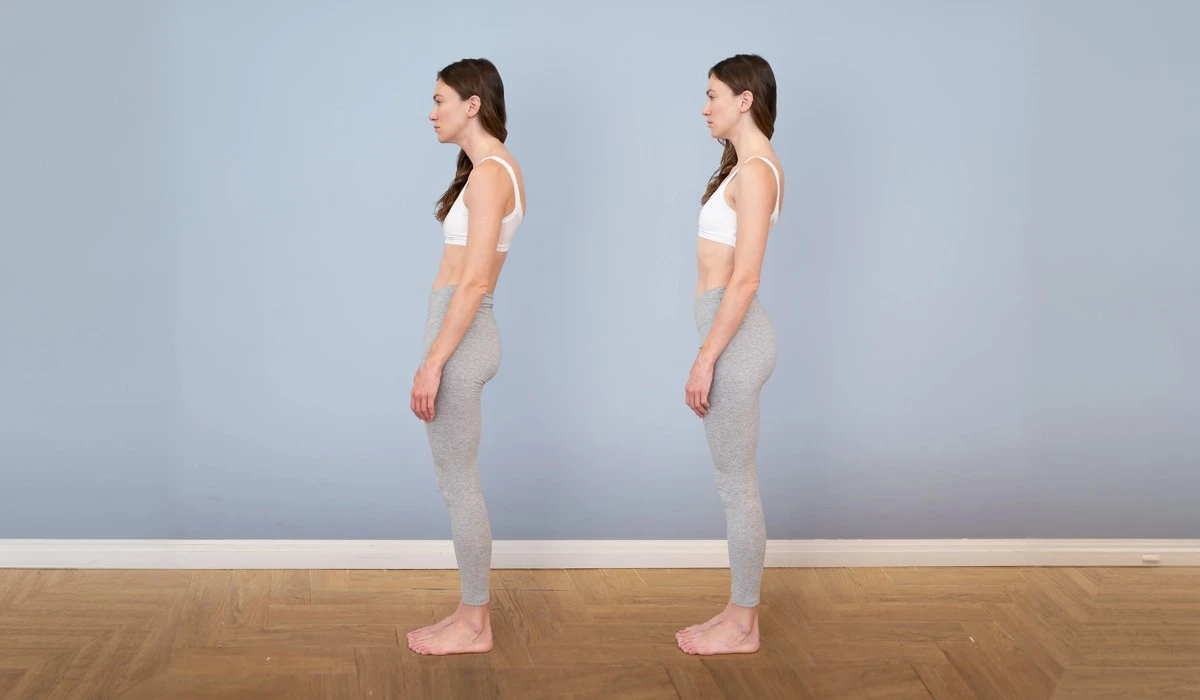
Alexander Technique: Gain Total Poise
Most people try to fix their posture by pulling their shoulders back or sticking their chest out. Ironically, this creates more tension than the slouching it aims to cure. You end up fighting your own muscles, feeling heavy and stiff because you add effort to a body that already works too hard. As noted in Physiopedia, this occurs because the technique involves a process of re-educating your postural and spatial awareness. You think you are standing straight, but you are actually just tightening different muscle groups.
The Alexander Technique changes this by moving the focus away from "correct" positions. Instead, you learn to stop the harmful habits that cause strain in the first place. You find a natural lightness by practicing inhibitory control in movement training. According to an article from Alexander Technique Science, the core of the practice is developing a healthy control over your reactions. This specific skill allows you to pause before you move, giving your nervous system a chance to choose a better path. The removal of interference from old habits allows your body to return to its basic structural balance.
Beyond Posture: Defining Poise in the Modern World
We often mistake poise for a rigid, military-style stiffness. Real poise involves an active readiness that allows you to move in any direction without hesitation. Modern life works against this state. We spend hours hunched over smartphones or collapsed in office chairs. These daily habits erode our natural coordination and make simple tasks feel draining. Using the Alexander Technique helps you recognize these physical ruts before they cause permanent damage.
The "tech-neck" phenomenon provides a perfect example of how we lose our poise. As you lean toward a screen, your neck muscles tighten and pull your head down onto your spine. Research in PubMed indicates that forward head posture causes physical changes that decrease respiratory function and place heavy pressure on the vertebrae. You might try to sit up "properly" for a few minutes, but your muscles soon tire, and you collapse again. True poise does not require this kind of exhausting effort. It comes from releasing the grip of your outer muscles so your internal structure can support you.
When you practice the Alexander Technique, you view your body through a different lens. You stop trying to force yourself into a shape. Instead, you look for where you are holding unnecessary tension. Once you let go of that grip, your body naturally expands. This expansion feels like a lightness in your limbs and a lengthening in your spine. It alters how you navigate the world, making moving feel like a choice rather than a chore.
The Mechanics of Inhibitory Control in Movement Training
Change begins with a pause. Most of our movements happen as automatic reactions to the world around us. When the phone rings, you grab it. When you see a chair, you sit. These reactions happen so fast that you don't notice the tension you create during the process. Inhibitory control in movement training teaches you to put a gap between the stimulus and your response. This gap gives you the power to stay poised even when you are busy.
This process targets the brain as much as the muscles. You are essentially retraining your nervous system to stay quiet. How does the Alexander Technique improve posture? A study published in the National Library of Medicine explains that the technique improves posture by helping people consciously change their automatic physical responses and tonic muscular activity. Stopping these unconscious contractions prevents the slouch before it even starts. This creates a foundation for smooth movement that lasts throughout the day.
Neurologically, inhibitory control in movement training helps rewire your brain’s motor maps. If you always sit down by collapsing your lower back, your brain thinks that is the only way to sit. When you pause and refuse that old path, you force your brain to find a more effective way to move. This active mental engagement keeps your coordination sharp. It prevents the "autopilot" mode that leads to chronic pain and repetitive strain.
Why the Alexander Technique Prioritizes the Mind-Body Connection

F.M. Alexander found that we cannot separate our thoughts from our physical state. According to Harvard Health, a stressful event can cause the heart to pound and muscles to tense. The National Library of Medicine further observes that the startle reflex causes the head to jolt forward and the shoulders to flex. The Alexander Technique treats the person as a single, unified system. You cannot fix a physical problem without addressing the mental impulse that created it. This understanding is what makes the technique so effective for long-term change.
Identifying the Startle Pattern
Stress causes a universal physical reflex known as the startle pattern. When something surprises or upsets you, you instinctively pull your head back and down. Your shoulders hunch, and your breath becomes shallow. While this reflex protects you in a real emergency, most people live in a mild version of this state all day. The Alexander Technique teaches you to spot this pattern early. Once you notice your neck tightening, you can consciously choose to release it, preventing a full-blown stress response from taking hold of your body.
The Concept of Primary Control
Alexander identified a specific relationship between the head, neck, and back that he called Primary Control. As documented by Mouritz, this name describes the neck-head-back relationship. The Atlantic notes that the average human head weighs between 10 and 12 pounds, similar to a bowling ball. If you pull it back and down, you compress your entire spine. If you allow it to balance freely, your whole body follows that lead and lengthens. This relationship acts as the "engine" of your poise, governing how every other joint in your body functions.
Practical Strategies for Developing Inhibitory Control
Moving from theory to practice requires a shift in how you view goals. Alexander called the habit of rushing toward a result "end-gaining." Rushing toward a result often means sacrificing your physical well-being to get there. To counter this, you focus on the "means-whereby." In doing so, the focus shifts to the quality of your movement during every step of a task. This focus is the heart of inhibitory control in movement training.
Think about the last time you reached for a heavy bag. You likely tensed your neck and held your breath before you even touched the handle. This is end-gaining. Instead, you could use the Alexander Technique to pause. You check in with your neck, ensure your breath is free, and then move toward the bag with a clear plan. Can you teach yourself the Alexander Technique? While self-observation is helpful, working with a certified teacher is the most effective way to identify the subtle, unseen habits you are currently unaware of.
The Research Behind Gentle Manual Guidance
Teachers use gentle hands-on guidance to help you find this new state of ease. Reuters reports that the technique does not involve spinal manipulation, so teachers do not "fix" or "crack" joints. Instead, they use their hands to communicate a sense of release to your nervous system. According to research published in the British Medical Journal and archived by the National Library of Medicine, one-to-one lessons from registered teachers provide long-term relief for chronic back pain.
Reuters reports that after a year, patients who received 24 lessons reported only three days of pain, compared to 21 days for the control group. This helps you experience what it feels like to move without your habits. Through the use of mental "directions," you learn to recreate this feeling on your own. You might tell your neck to be free or your back to lengthen and widen. These thoughts eventually become your new way of moving.
Integrating the Alexander Technique into Daily Movement
The true value of this work shows up in your everyday life, not just in a classroom. You don't need a yoga mat or special gear to practice. You simply apply the principles of the Alexander Technique to whatever you are already doing. Whether you are washing dishes, typing an email, or walking the dog, you have an opportunity to practice poise.
Sitting and Standing with Ease
Most people treat sitting and standing as two separate, difficult positions. In reality, they are part of an unbroken flow of movement. When you sit down using the Alexander Technique, you don't "drop" into the chair. You use your joints—hips, knees, and ankles—while keeping your spine long. You find your sit-bones, which provide a stable base for your torso. This prevents you from leaning on your lower back for support, which often leads to the common "slump" that causes so much pain.
Walking with Ease
Walking should feel like a series of controlled falls that propel you forward. However, many people "push" themselves along with a stiff back and tight legs. To walk with more ease, allow your spine to stay long and your head to lead the way. Instead of gripping the ground with your toes, let your feet meet the floor softly. When you apply inhibitory control in movement training to your gait, you stop the habit of bracing your hips. This allows your legs to swing freely from your pelvis, making your walk feel light and effortless.
The Concealed Benefits of Physical Ease

The rewards of the Alexander Technique extend far beyond looking better. When you stop compressing your torso, your internal organs have more room to function. Many students report that their digestion improves and their breathing becomes much deeper. This happens because you are no longer squeezing your ribcage or collapsing your diaphragm. Your lungs can expand fully, which increases the oxygen flow to your brain and muscles.
This ease also has a direct influence on your mental state. It is difficult to feel calm when your body is "shouting" in pain or feeling constantly restricted. A reduction in physical tension lowers your overall level of physiological arousal. What is the goal of the Alexander Technique? The ultimate goal is to restore our natural, effortless coordination by eliminating the physical interference we’ve accumulated over a lifetime. This restoration leads to greater mental clarity and a more sturdy nervous system.
You also become much more resistant to repetitive strain injuries. Most office-related pains, like carpal tunnel or shoulder impingement, come from how you use your tools. If you type with "locked" elbows and a tight neck, you are straining your small tendons. Through the use of inhibitory control in movement training, you learn to use your whole arm and back to support your hands. This distributes the work across larger muscle groups and protects your joints from wear and tear.
Navigating the Path to Lasting Poise
Acquiring the Alexander Technique is a process of finding out rather than a quick fix. You are undoing decades of habits, which takes time and patience. You will likely find yourself falling back into old patterns many times. This is a normal part of the process. Rather than aiming for perfection, the goal is to increase awareness. Every time you notice yourself tensing up, you have an opportunity to practice a new choice.
Consistency matters more than intensity. Spending five minutes a day in constructive rest—lying on your back with your knees bent—can do wonders for your coordination. This practice allows your spine to decompress and helps you reset your nervous system. As you get better at inhibitory control in movement training, these moments of ease start to blend into your regular activities. You stop "doing" the technique and simply start living with more poise.
Experienced practitioners often find that the technique becomes a lifelong skill. It provides a toolkit for managing the physical tolls of aging and stress. Staying curious about how you move helps you maintain your mobility well into your later years. This goes beyond learning to sit better; it involves living with a sense of freedom and agency over your own body. This sense of control is the ultimate reward of the work.
Rediscovering Your Natural Elegance
You were born with an innate ability to move with grace and ease. Watch a young child sit or run, and you will find a body that is perfectly coordinated and free of unnecessary strain. Over time, life's pressures and sedentary habits bury this natural elegance under layers of tension. The Alexander Technique does not give you something new; it helps you find what you have lost.
Through the embrace of the power of the pause and the practice of inhibitory control in movement training, the cycle of self-interference stops. You allow your body’s natural support systems to take over. This shift from "doing" to "allowing" is the secret to lasting poise. It is a quiet change in how you inhabit your own skin, leading to a life of greater comfort and presence.
Take a moment right now to stop what you are doing. Notice the contact of your feet on the floor or your body against the chair. Avoid the urge to fix anything or pull yourself into a better position. Simply observe where you might be holding a little extra weight in your neck or jaw. The act of making this one small observation without judgment means you have already begun your process with the Alexander Technique.
Recently Added
Categories
- Arts And Humanities
- Blog
- Business And Management
- Criminology
- Education
- Environment And Conservation
- Farming And Animal Care
- Geopolitics
- Lifestyle And Beauty
- Medicine And Science
- Mental Health
- Nutrition And Diet
- Religion And Spirituality
- Social Care And Health
- Sport And Fitness
- Technology
- Uncategorized
- Videos