
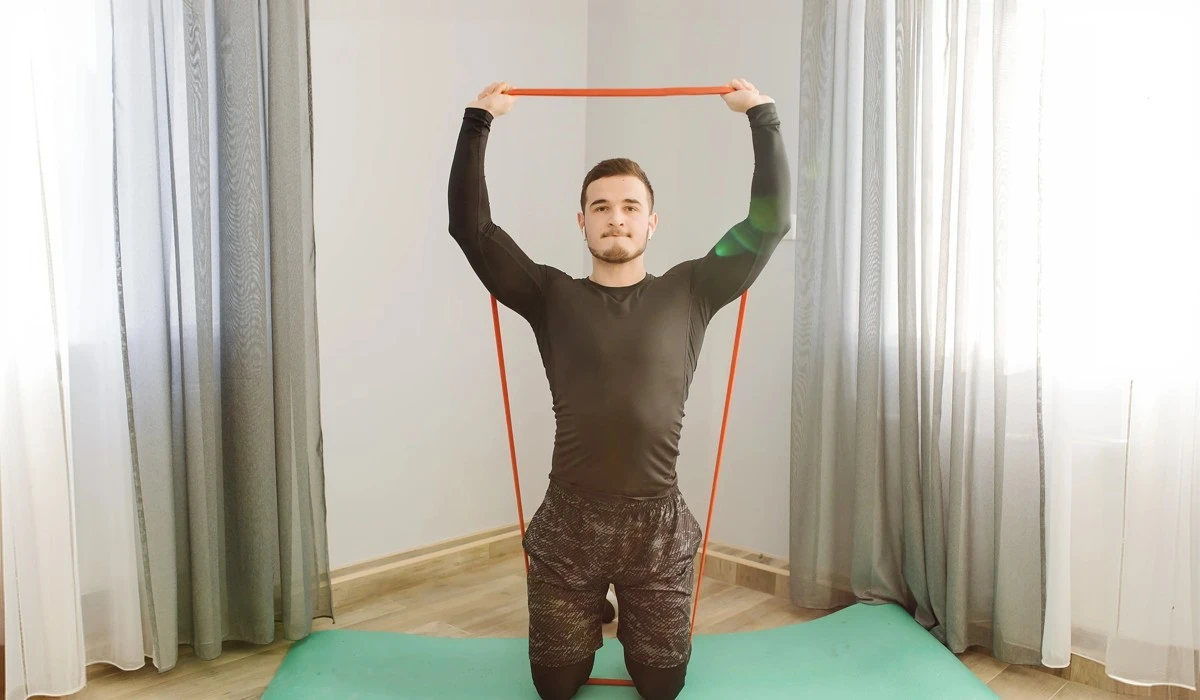
Alexander Technique Helps Restore Natural Height
Alexander Technique restores your natural height
You might notice that your clothes fit differently by the end of a long workday. Your neck feels shorter, and your shoulders seem to crawl toward your ears. Most people assume that gravity simply wins as we age. We accept a loss of height as an unavoidable part of getting older.
Actually, your body reacts to stress by pulling inward and downward. You collapse your own frame without realizing it. Every time you squint at a screen or tense up during a commute, your muscles tighten and squeeze your spine. This constant pressure effectively shrinks you.
According to the NHS, the Alexander Technique provides a path away from this physical slump because this postural reeducation method improves how a person carries themselves and moves. It teaches you to stop the habits that shorten your stature. Through this approach, you reclaim the space between your joints and stand at your full, intended height.
Why Your Spine Compresses Over Time
Gravity exerts a constant downward force on every human body. However, the way you respond to that force determines your physical shape. Most people meet gravity with a heavy, slumped posture that burdens the skeleton. This reaction turns a natural force into a destructive one.
The Consequence of Modern Sedentary Life
Sitting at a desk for hours creates a specific type of physical ruin. Research published in PMC6942109 notes that adults experiencing neck pain often show an increase in forward head posture when compared to those without symptoms. As detailed in a study from PMC1888420, this physical alignment causes the fluid-filled discs between bones to compress and experience "creep." Findings published in PMC7331160 suggest that over many years, such compression results in a lasting stoop caused by spinal malalignment and curvature. Your body forgets how to expand because it spends all day shrinking into a chair.
Muscle Over-Activity and Shortening
Many people believe they need "stronger" muscles to stand up straight. They try to fix their posture by pulling their shoulders back with force. This extra effort actually adds more compression to the system. You create a tug-of-war between different muscle groups.
Unnecessary muscular effort pulls the body downward and inward. When you grip your thigh muscles or tighten your lower back, you shorten your overall length. This postural reeducation method reveals that your height loss comes from doing too much, rather than doing too little.
Rediscovering Freedom with the Alexander Technique
F.M. Alexander, an Australian actor, noticed these principles over a century ago. Records from Alexander Technique International state that he repeatedly lost his voice during shows, and while doctors recommended rest, the problem returned as soon as he performed again. When he stopped this habit, he saved his voice and improved his entire physical health. The NHS website explains that the Alexander Technique functions as a way to "unlearn" harmful movement habits. It helps you identify the moments when you compress yourself so you can choose a different path.
Regarding whether the method increases height, a review in NBK259303 clarifies that while it cannot grow bone, it helps regain length by easing the muscle tension that pulls vertebrae together. You simply stop squandering the height you already possess. While this change feels like growing, you are actually just uncollapsing.
Moving Beyond "Standing Up Straight"
Traditional advice tells you to "stand up straight" by tensing your chest and pulling your shoulders back. This creates a rigid, military-style posture that causes even more pain. It locks your joints and prevents natural movement.
The Alexander Technique offers a more fluid alternative. Instead of adding tension to fix tension, you learn to let go of the "scrunch" that pulls you down. This postural reeducation method focuses on poise rather than positions. You find a sense of upward direction that feels effortless rather than forced.
The Primary Control: How Your Head Placement Dictates Height
As reported by Medical News Today, the head of an average adult weighs between ten and twelve pounds. The way you balance this weight on top of your spine determines the tension in your entire body. Alexander called this relationship the "Primary Control." It acts as a primary reflex for your coordination.
When your head balances easily, your spine follows that upward lead. If you pull your head back and down, you send a signal of compression through your whole back. This immediate contraction shortens your stature by fractions of an inch in seconds.
Releasing the Jaw and Neck
The atlanto-occipital (AO) joint sits right between your ears. This is where your skull meets the very top of your spine. Most people hold immense tension in this specific spot. They clench their jaws and lock their neck muscles without even knowing it.
Tension in the AO joint creates a downward pressure on the entire spine. This tension acts like a heavy weight pressing down from the top. Through releasing the jaw and neck, you allow the head to move forward and up. This release signals the rest of the spine to lengthen.
Restoring Your Length with Alexander Technique Exercises
You cannot simply "do" good posture. Instead, you must learn to stop the habits that cause bad posture. This requires a mental shift more than a physical workout. You start to pay attention to how you prepare for movement.
The Power of Inhibition
In the Alexander Technique, "Inhibition" means stopping a habitual response. When the phone rings, your habit might be to jerk your head forward to look at it. Inhibition allows you to pause for a microsecond and choose a different movement.
When you stop the "scrunching" response to stimuli, you prevent the spine from compressing. You stay long and wide even while performing busy tasks. This conscious pause protects your height throughout the day.
Constructive Rest for Spinal Decompression
Documentation in NBK259303 highlights that "Constructive Rest," which uses a semi-supine position, is a central tool of this reeducation method. You lie on your back on a firm surface with your knees bent and your feet flat. You place a few thin books under your head for support.
Although it is not noted in major NHS guidelines, many practitioners report feeling significantly lighter and "taller" after their very first guided session, though permanent structural change takes consistent practice. A study in PMC1888420 indicates that this position allows the discs to rehydrate by using specific joint angles to help fluid return to the intervertebral space. This allows the discs to recover after a day of sitting.
Breaking the Slump: Unlearning Destructive Movement Habits
We lose most of our height during simple actions like walking, sitting, or reaching for a cup. According to the Hilary King glossary, many people "end-gain," focusing entirely on a final result while losing sight of the steps taken to get there. We collapse our frames just to get a task done faster.
The Alexander Technique applies to every movement you make. It teaches you to stay present in your body while you navigate the world. You learn to move with a sense of "means-whereby," focusing on the quality of the action rather than just the result.
Walking with Upward Direction
Many people walk by "heavy-footing" or dragging their weight along the ground. This sends a jarring shock through the ankles, knees, and hips with every step. Over time, this repetitive force contributes to joint compression and height loss.
Instead, you can learn to use the ground to "ascend." As your foot meets the floor, think of the energy moving up through your legs and spine. This keeps your joints open and prevents the heavy collapse that usually accompanies walking. You move through space with a sense of buoyancy.
Why Expansion Involves More Than Physical Height
Reclaiming your height changes your appearance and other health factors. A lengthened spine provides more room for your internal organs to function. When you stop collapsing your torso, you stop crowding your heart and lungs.
Improving Respiratory Capacity

A collapsed torso limits the movement of your diaphragm. It forces you to take shallow breaths using only the upper part of your chest. This creates a state of low-level anxiety in the body because you aren't getting enough oxygen.
Data from a RESNA report shows that a slumped posture notably reduces the capacity of the lungs. As you stop pulling your chest down, your lungs find the space to expand fully. You breathe deeper and more naturally without any extra effort. According to a Cochrane review of the technique, there is little direct evidence that improved breathing leads to better energy levels throughout your day, despite common reports.
Stress Reduction and the Nervous System
A report in NBK541120 explains that constant tension keeps the body in a "fight or flight" state by setting off the sympathetic nervous system's stress response. By releasing this tension through the Alexander Technique, you signal to your brain that you are safe.
The NHS suggests the method is a useful option for managing back pain because it addresses the habits that lead to discomfort. You stop the internal friction that causes inflammation and pain. This leads to a calmer mind and a more resilient body.
Integrating Poise Into Your Modern Lifestyle
You don't need to go to a gym to practice these principles. You practice them while you are washing dishes, driving your car, or typing an email. The goal is to make poise a permanent part of your life rather than a temporary exercise.
Mindful Ergonomics
Even the most expensive office chair won't fix your posture if you use it poorly. You must bring your own awareness to the workstation. Use the Alexander Technique at a computer to identify when you are leaning into the screen.
Notice when your hand grips the mouse with unnecessary force. Check if your feet are crossed or tucked under your chair. Maintaining an upward direction while you work helps you avoid the "Tech Neck" that steals your height and causes headaches.
Finding a Certified Teacher
While you can learn the basics from books, hands-on guidance remains the gold standard for this postural reeducation method. A certified teacher uses their hands to gently guide your body toward a state of release. They help you feel the difference between "doing" and "letting go."
Rules from the Society of Teachers of the Alexander Technique specify that teachers must complete at least 1,600 hours of training over three years. They can spot the tiny habits of compression that you are blind to. This external perspective accelerates your progress and helps you find your natural height much faster.
Reclaiming Your Stature for Life
Your "lost" height hasn't disappeared forever. It is simply masked by years of habitual tension and physical collapse. You have the power to stop the downward pull and reveal the length you had as a child. This isn't about a quick fix or a temporary stretch; it is about a significant shift in how you inhabit your body.
The Alexander Technique gives you the tools to maintain physical space and poise regardless of your age. It is a lifelong skill that protects your joints and clears your mind. You don't have to accept a future of shrinking and pain.
The NHS indicates that while evidence for a "taller future" is limited, with the application of the Alexander Technique, you are choosing a path of expansion over contraction for better physical health. You can walk back into the world with your head held high and your spine at its natural, full length. Reclaiming your height is the first step toward reclaiming your overall vitality.
Recently Added
Categories
- Arts And Humanities
- Blog
- Business And Management
- Criminology
- Education
- Environment And Conservation
- Farming And Animal Care
- Geopolitics
- Lifestyle And Beauty
- Medicine And Science
- Mental Health
- Nutrition And Diet
- Religion And Spirituality
- Social Care And Health
- Sport And Fitness
- Technology
- Uncategorized
- Videos

