
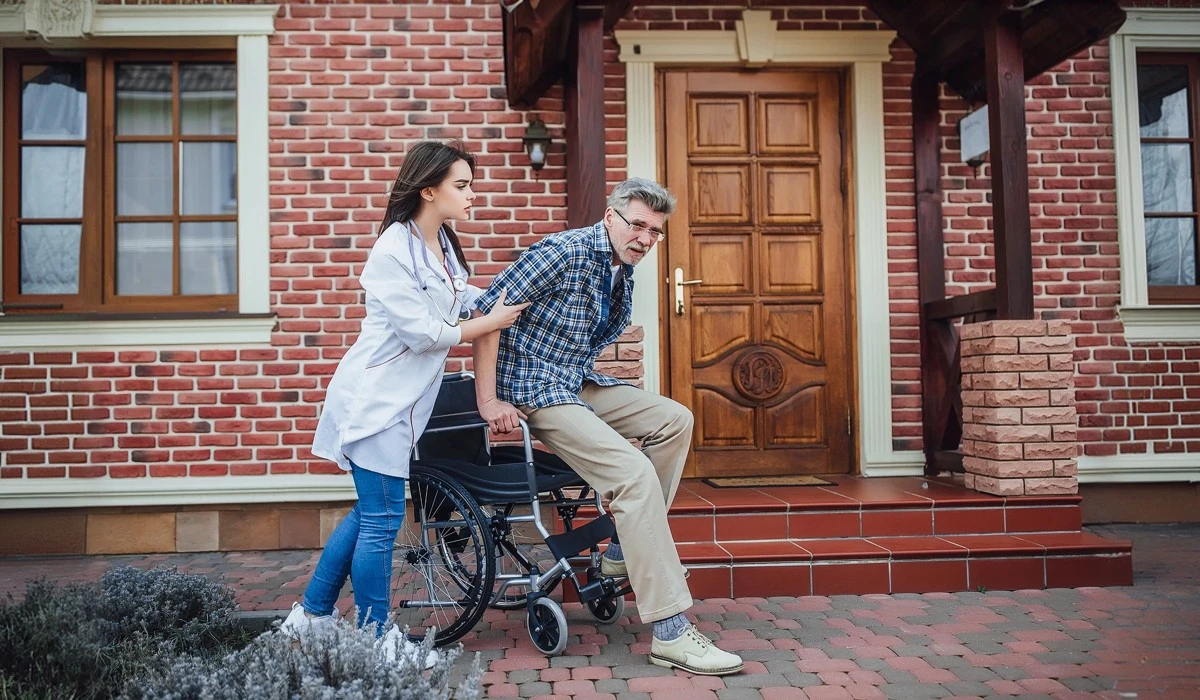
Reablement Care Reduces Need for Long-Term Support
When a loved one returns home from the hospital, family members often rush to do everything for them. They cook the meals, wash the dishes, and help them dress. Kindness of this type comes from a good place, but it often creates a trap of permanent weakness. The body and mind quickly adapt to doing nothing. Muscle fibers shrink, and confidence fades when someone else takes over every daily task. This well-meaning help actually trains the person to stay dependent.
Reablement stops this cycle before it becomes a permanent lifestyle. This approach treats the home as a gym instead of a hospital ward. It turns every cup of tea made and every shirt buttoned into a victory for independence. Instead of accepting a slow decline, this model pushes for a full return to self-sufficiency. This short-term rehabilitation care acts as a bridge between a medical crisis and a normal life. It ensures that a temporary illness does not turn into a permanent move to a nursing home.
How Reablement differs from traditional home care
Traditional home care relies on a "compensatory" model. In this setup, a carer visits the home to perform tasks that the individual finds difficult. If the person cannot reach the top shelf or struggles to stand at the stove, the carer does the work for them. This keeps the house running, but it does nothing to improve the person's physical state. Over time, the person loses the ability to perform those tasks at all.
As explained in research published in Health & Social Care in the Community, this service differs from traditional home care because it is usually time-limited and focuses on maximizing personal independence rather than just having a carer perform tasks for you. The focus remains on a person's abilities instead of their limitations. Staff members stay in the room while you try to complete a task yourself. They provide encouragement and safety, but they do not take over. This short-term rehabilitation care empowers you to take charge of your own routine.
The philosophy of active recovery
Active recovery means you participate in your own healing every single hour. You do not just wait for a therapist to arrive once a week. Instead, you practice reaching, standing, and walking during your normal day. This constant practice keeps the brain engaged with the body. How long does reablement last? Most programs typically last for up to six weeks, depending on the individual’s progress and specific recovery goals.
This philosophy stems from the late 1990s in the United Kingdom. Early projects in Leicestershire showed that people who worked on their own skills stayed out of the hospital longer. They regained their dignity by learning to handle their own environment. When you learn to navigate your own kitchen again, you prove to yourself that you still own your life.
The primary goals of short-term rehabilitation care
The main objective of this service involves reaching a state of "functional independence." This means you can live safely without needing a professional in the room. The program measures success through small, measurable wins. For some, success means walking to the garden gate. For others, it means making a sandwich without feeling dizzy.
According to a study in Cureus, physicians and therapists use the Functional Independence Measure (FIM), which is a validated and objective way to assess functional status, to track these goals. Experts at Strokengine note that this tool assesses six functional areas, including self-care, mobility, and communication. The team ensures the care remains focused on your specific needs when they focus on these metrics. This keeps the recovery moving forward every day.
Restoring motor skills and cognitive confidence
Physical strength represents half of the battle, while cognitive confidence is equally important. As reported in the journal Ageing, many people fear falling so much that they restrict their activities, which results in reduced strength and balance and a higher risk of falls. This fear creates a "safe" but tiny world where they only sit in one chair. This short-term rehabilitation care breaks that fear through the practice of safe movements.
To assist those with mild memory issues, therapists utilize "errorless learning." As described in Neuropsychological Rehabilitation, this principle is used to teach new information or skills to people with cognitive impairments by creating simple, repeatable routines for taking medication or using the microwave. These habits become second nature over time. As the person learns these steps, their anxiety drops. They start to trust their body again.
Why Reablement is the best defense against residential care
The slide into a nursing home often starts with a single fall or a bad flu. Without the right support, the person never recovers their original strength. This leads to a loss of mobility and a higher risk of falls. Reablement interrupts this downward spiral through early intervention. It provides the intensity needed to rebuild muscle before permanent damage occurs.
Evidence from Denmark supports this intervention. Their "Fredericia model" shifted budgets toward intensive support. Ironically, by spending more on help early on, they saw a 40% reduction in the need for long-term care hours. People stayed stronger for longer and stayed in their own beds.
Breaking the cycle of frailty
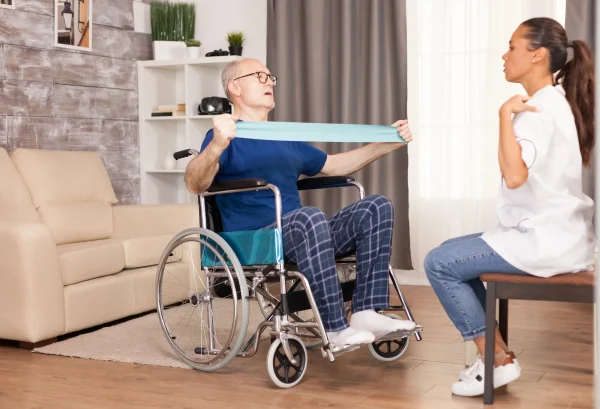
Frailty is not an unavoidable part of aging. Research in Frontiers in Nutrition indicates that much of it comes from sarcopenia, the loss of muscle mass caused by inactivity, and notes that even one week of bed rest leads to significant muscle atrophy. Furthermore, a study in the Journal of Applied Physiology found that for older adults, ten days of bed rest can cause a loss of leg strength and torque of approximately 11% to 12% per week.
When the program forces the muscles to work during the first six weeks of recovery, it reverses sarcopenia. This makes the person's body strong enough to handle daily life without a permanent carer.
The financial and emotional benefits of staying home
According to the National Institute on Aging, the vast majority of older adults prefer to stay in their own homes as they age. Familiar surroundings provide a sense of identity and peace that a clinical facility cannot match. There is a psychological power in owning your own front door. Being surrounded by your own photos, pets, and memories speeds up the healing process.
Staying home also makes financial sense for families. Data from CareScout shows that residential care is expensive, with assisted living median costs rising to $6,200 a month and nursing home daily rates reaching approximately $315. Once a person enters a facility, they rarely leave. This drains life savings and limits future options. Using short-term rehabilitation care saves money by preventing that move.
Avoiding the high costs of long-term placement
Research from the University of York shows the significant value of this approach, noting that it can delay subsequent needs for services by up to two years and reduce social care costs by 60%. Families avoid the massive bills associated with private nursing homes.
The initial investment in an occupational therapist pays for itself within months. The individual removes the need for a 24-hour staff when they regain the ability to cook and bathe. This preserves the family's assets and the individual's freedom.
The psychological power of your own front door
Clinical environments often lead to "institutionalization." People begin to act like "patients" rather than "people." They wait for someone to tell them when to eat and when to sleep. At home, you remain the boss. You decide when the kettle boils. This sense of control is the best medicine for the depression that often follows a health crisis.
The core components of a successful Reablement plan
A good plan starts with a professional assessment. An Occupational Therapist (OT) visits the home to find the roadblocks. They don't just look at the person; they look at the environment. They might notice that a rug is a trip hazard or that a chair is too low to stand up from easily.
As highlighted in the journal Trials, the team then builds a strategy based on "Activity Analysis," where therapists use their skills to break down an activity into its distinct component parts. If you want to make tea, the OT might suggest a perching stool or a lighter kettle. These small changes make the impossible feel possible again.
Individualized assessments and goal setting
Success looks different for everyone. Some people want to return to their hobby of gardening, while others just want to use the stairs. The program uses Goal-Directed Care (GDC) to keep the motivation high. You set the target, and the staff helps you hit it. According to guidance from the Local Government Association, this service is frequently provided free of charge by local authorities for the initial six-week period to encourage a safe return home.
The staff also integrates the OTAGO exercise program. As noted by the UNC School of Medicine, these exercises focus on leg strength and balance and are proven to reduce falls by 35%. You build the specific strength needed for your own home when you practice these movements in your own hallway.
Who benefits most from short-term rehabilitation care
This service is intended for those with recovery potential rather than those with advanced, permanent disabilities who need lifelong support. Instead, it targets those who have the potential to get better if given the right push.
The ideal candidate has a "can-do" attitude and a desire to remain at home. They understand that the first few weeks will be hard work. They are willing to try things their way, even if it takes longer than having someone do it for them.
Recovery after surgery or sudden illness
Research in the journal Medicine suggests that those recovering from strokes or sudden illnesses show significant potential for improving their motor functions and daily living skills through these home-based programs. A new joint needs movement to heal properly. Reablement ensures the patient doesn't baby the limb too much.
Respiratory infections also leave people very weak. After a bout of pneumonia, even walking to the bathroom feels like a marathon. This short-term rehabilitation care builds up stamina slowly. It prevents the person from becoming bedbound by providing a safe way to increase activity every day.
Taking the first steps toward a safer home life
If you believe a family member needs this support, you must act before they leave the hospital. Once they go home with a standard care package, the "dependency habit" starts to form. You need to advocate for a restorative plan immediately.
In many places, the law requires local authorities to offer preventative services. The UK Care Act 2014, for example, makes it a duty for councils to provide services that keep people out of long-term care. Knowing these rights helps you get the best possible support for your loved ones.
Communicating with hospital discharge teams
Talk to the social worker or the discharge coordinator at the hospital. Ask them specifically for a "reablement assessment." Do not settle for a generic home care plan if the patient has the potential to recover.
Ask the team if they include an occupational therapist in the plan. Find out if the staff is trained in the "doing with" model. Ensure the plan includes a 91-day follow-up to check on the patient's progress. These steps ensure the short-term rehabilitation care actually delivers on its promise of independence.
Reclaiming your future through Reablement
Independence is the most valuable asset any person owns. It provides the freedom to choose your own meals, set your own schedule, and live with dignity. Health crises often threaten that freedom, but they do not have to end it. Reablement offers a path back to the life you recognize.
Choosing this path requires effort and a shift in mindset. It means trading the comfort of being waited on for the hard work of self-recovery. However, the reward is a life lived on your own terms. When you invest in short-term rehabilitation care, you protect your future and ensure that your home remains your sanctuary for years to come.
Recently Added
Categories
- Arts And Humanities
- Blog
- Business And Management
- Criminology
- Education
- Environment And Conservation
- Farming And Animal Care
- Geopolitics
- Lifestyle And Beauty
- Medicine And Science
- Mental Health
- Nutrition And Diet
- Religion And Spirituality
- Social Care And Health
- Sport And Fitness
- Technology
- Uncategorized
- Videos

