
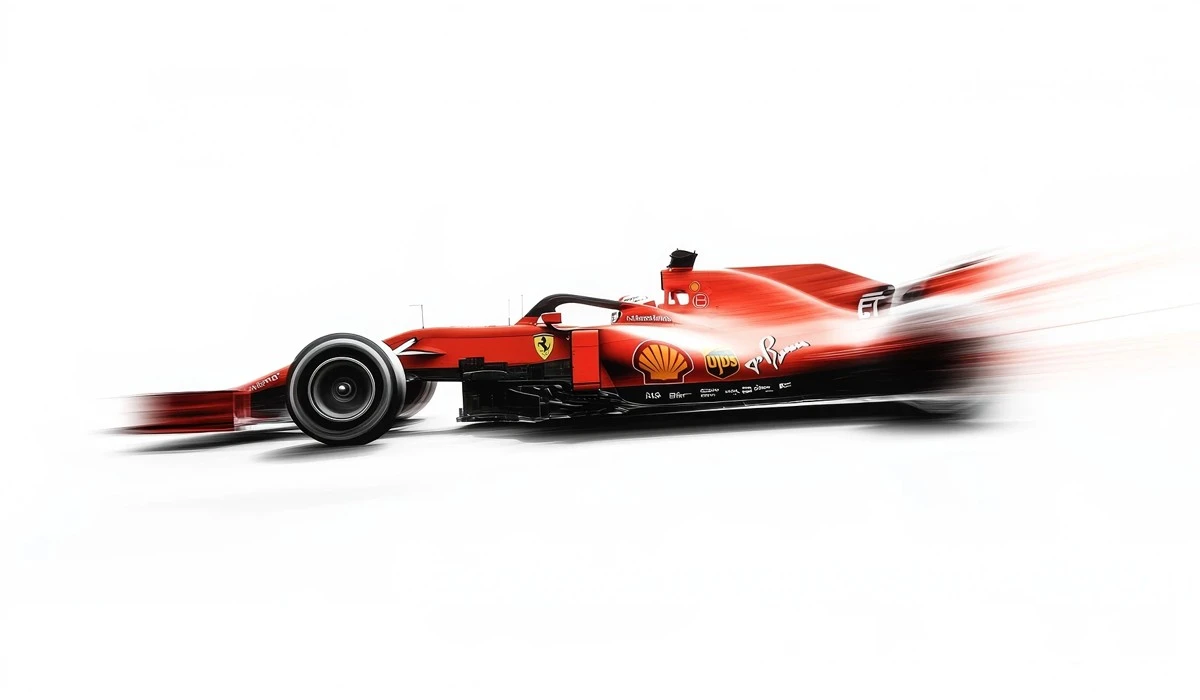
F1 2026 Regulations Could Change Racing Danger
When half a race car's power suddenly comes from electricity, drivers abandon traditional duels to fight the battery. Formula1.com notes the sport eliminated Venturi tunnels that generated aerodynamic grip, while a Reuters report explains the addition of a push-button boost mode delivering maximum engine and battery power anywhere on the track. These changes created a track where cars moving at normal speeds suddenly fall behind rivals traveling 50 kilometers per hour faster. This extreme velocity gap turns routine overtakes into high-speed guessing games.
The F1 2026 regulations aimed to level the playing field. These rules ultimately produced a frantic, segmented competition where energy deployment dictates every single steering input. Drivers must learn the boost button to survive the straights. Miss the timing, and you instantly become a sitting duck. According to News.com.au, the Australian Grand Prix demonstrated this brutal new reality, with the season opener turning into a chaotic battlefield featuring exactly 125 overtakes. Fans watched drivers struggle with heavy braking, heavy boosting, and massive speed differences. The opening race finalized the podium with George Russell taking first place, Kimi Antonelli grabbing second, Charles Leclerc in third, Lewis Hamilton in fourth, and Lando Norris finishing fifth. The new rules achieved maximum entertainment value for the television audience. They also introduced severe safety concerns for the men inside the cockpits.
How F1 2026 Regulations Shifted Grid Power
As outlined by Reuters, balancing electric and internal combustion power evenly forces drivers to monitor a strict energy allowance and avoid carelessly mashing the throttle pedal. The new F1 regulations mandate a strict 50/50 division between internal combustion and electrical power sources. Cars now generate a massive 350kw, equivalent to 470 brake horsepower, strictly from the electrical battery pack. This heavy reliance on stored power completely rewrites standard racing strategies. Drivers now treat their cars like giant mobile phones, conserving charge for the exact moment they need a violent burst of speed.
Why did F1 change engine rules in 2026? F1 changed the rules to increase reliance on electrical power and sustainable fuels, splitting the power source equally between internal combustion and electric motors. Charles Leclerc stated this constant battery management necessitates a total overhaul of track combat tactics. The physical cars reflect this new time of power delivery. Engineers shaved off 30 kilograms of weight and narrowed the chassis by 10 centimeters. They also completely stripped away the complicated Motor Generator Unit-Heat. The grid completely abandoned traditional gas-guzzling configurations and now runs entirely on sustainable materials for fuel. This change forces teams to extract maximum fuel economy from a vastly simplified internal combustion engine paired with a highly aggressive electrical unit.
The Overload of Passing and Synthetic Racing
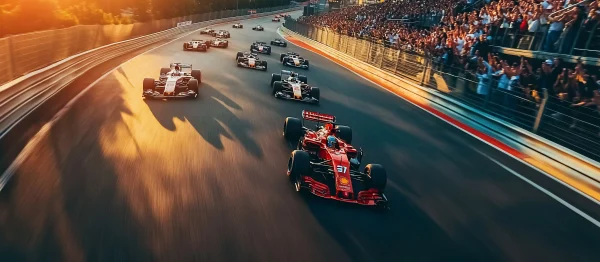
A sudden spike in track position changes often signals a loss of genuine defensive driving skill while masking stagnant driver talent. The season opener at the Australian Grand Prix delivered an astonishing 125 overtakes. Last year, the exact same track saw only 45 passes during the entire race. Fans watched cars swapping places repeatedly at specific braking zones. The most frequent overtake locations included:
- Turn 1
- Turn 3
- Turn 9
- Turn 11
This sheer volume of action sparked fierce debate regarding the authenticity of the sport. Many observers immediately compared the constant position swapping to video game rules. Andrea Stella labeled the competition somewhat synthetic. Drivers discharge their batteries at the exact same spots, creating identical energy patterns across the grid. Once a driver uses their sustained boost deployment, they face immediate temporary vulnerability. They struggle to separate from the pack. The sport replaced the old Drag Reduction System with a raw Overtake Mode that relies entirely on an electrical power burst. This creates a strange viewing experience. Fans easily see the rear wing flap open as a clear visual cue, but the television broadcast data obscures the heavy electrical energy deployment.
F1 Regulations and the Velocity Gap
Pushing a sudden electrical surge through the drivetrain creates temporary rockets navigating around slow-moving obstacles. This exact scenario defines the extreme danger inherent in the current regulations. A PlanetF1 report highlights Andrea Stella's request for simpler power units to prevent these drastic speed gaps, noting that when one driver engages the 250KW super clipping limit and another runs out of charge, the speed differential potential reaches 30, 40, or even 50 kilometers per hour on the main straights. The Guardian quotes Lando Norris describing the track conditions as pure mayhem, warning that massive collisions remain a strict inevitability due to these extreme velocity differences.
George Russell experienced this exact threat firsthand during his initial duel with a Ferrari rival. He called the encounter extremely hazardous. Russell later admitted a personal error regarding his boost button activation caused the dangerous closure rate. The racing forces drivers to react to rapidly changing gaps. What happens when F1 cars have a large speed difference? Large speed differences create dangerous closure rates, giving defending drivers virtually no time to react safely to faster approaching cars. Drivers face severe safety fears because defensive moves at these extreme speeds easily result in catastrophic crashes. The grid currently survives on near-misses. Andrea Stella insists these near-misses are absolutely insufficient for relief, stating proactive hazard prevention remains mandatory.
Extreme Polarization Across the Grid
Earning massive success under a previous rule set almost guarantees harsh criticism from a driver facing a radically different challenge. Driver sentiment reveals extreme polarization regarding the 2026 regulations. Lewis Hamilton finds maximum enjoyment in the new format. He reports immense entertainment from the cockpit perspective. In stark contrast, Lando Norris offers fierce criticism of the entire format. The reigning two-time Constructors Champions McLaren fell violently from the top of the grid. Norris complained bitterly about moving from peak race cars to the absolute lowest quality vehicles.
Max Verstappen also voiced his preference for an alternative competition style. Mercedes team principal Toto Wolff views these complaints calmly. He attributes the drivers' frustration to pure nostalgia bias. Wolff believes audience satisfaction serves as the primary metric for the sport's success. Frederic Vasseur supported this view, praising the unprecedented opening laps over the past decade. The debate ultimately hinges on physical handling characteristics. Hamilton noted the massive handling differences. He explicitly stated that lower downforce combined with higher torque will cause extreme difficulty during wet conditions.
Adapting to the New Aerodynamic Reality
Stripping away traditional ground effect forces drivers to wrestle the car through corners using sheer mechanical grip and raw nerve. The 2026 regulations removed the highly effective venturi-underbody, eliminating the intense vacuum effect that formerly glued cars to the asphalt. Engineers replaced these static elements with movable front wings and movable rear wings. Drivers now physically adjust their downforce mid-lap using new aerodynamic features. How do movable aerodynamics work in F1? Movable wings let drivers manually adjust flap angles on the straights to reduce drag and increase top speed.
This massive loss of traditional aerodynamic grip heavily affects lap times. Qualifying speed reductions frequently exceed 50 kilometers per hour near fast corners. Drivers approach tight turns entirely differently compared to previous seasons. They brake earlier, slide more noticeably, and struggle to carry speed through sweeping bends. The cars now rely heavily on corner exit speeds to maximize their electrical boost down the long straights. This shift severely punishes any driver who miscalculates the grip limits. You either learn the mechanical slide or you end up in the gravel trap.
Early Casualties and Technical Failures
According to a live race report from The Guardian, introducing radically new powertrain components inevitably turns the initial races into high-speed testing grounds for unproven parts. The publication noted technical gremlins plagued the grid from the first practice session, with Oscar Piastri becoming a high-profile pre-race casualty after crashing during his installation lap. The season schedule shifted unexpectedly when Middle East conflicts caused the outright cancellation of the Bahrain Grand Prix and the Saudi Arabian Grand Prix.
The Australian Grand Prix suddenly became the season opener. Teams arrived with very little track data. The lack of preparation showed immediately. Throughout the weekend, drivers battled severe mechanical issues. Crash factors included unexpected throttle faults, sudden gearbox malfunctions, and critical battery issues. The new cars demand precise synchronization between the combustion engine and the electrical system. When these components fail to communicate properly, the car violently rejects the driver's inputs. Pushing untested technology to its absolute limit on a fast street circuit guaranteed these early failures. Teams spent hours in the garage frantically analyzing telemetry data to prevent terminal breakdowns.
Refining the F1 Regulations
Freezing rule changes forces teams to actually learn flawed systems and stops them from begging the governing body for quick fixes. Teams constantly lobby for immediate adjustments, but the governing body insists on a deliberate pause for data collection. The 2026 regulations will undergo a massive review, but only after specific milestones. Nikolas Tombazis confirmed a universal agreement on this delay. The sport will wait until after the upcoming Chinese Grand Prix to thoroughly analyze the track statistics. They already have secret backup options ready.
James Vowles strongly argued against premature alterations, warning they lead directly to potential quality degradation. The sport faces a strict potential rule adjustment deadline at the Japanese Grand Prix by the end of March. Officials want a perfectly clear picture of the racing environment before tweaking the formulas. Refining the sport requires strict patience from the teams. Toto Wolff confirmed rule flexibility remains active if the racing becomes too dangerous. Fans will watch closely at the Chinese Grand Prix to see if teams can decode the electrical deployment puzzles. Every team boss knows the clock is ticking on finalizing their setups before the rules lock in for the remainder of the season.
The Final Verdict on the New Format
Racing always walks a tight line between high entertainment and high physical risk. The massive volume of overtakes clearly satisfies the television audience, yet the drivers face genuine danger inside the cockpit. Controlling cars with half their power surging from a battery demands an entirely new skillset from the grid. The staggering velocity differences will keep causing chaos as drivers try to manage their energy reserves against highly aggressive rivals. The sport clearly prioritized showmanship and environmental goals with the F1 regulations. The coming weeks will reveal if the governing body needs to step in to prevent a major disaster, or if the drivers will simply adapt to this volatile new style of combat. The thrill of the chase remains the core draw of the sport, but the cost of a defensive mistake has never been higher. The track demands total perfection, and the battery forgives absolutely nothing.
Recently Added
Categories
- Arts And Humanities
- Blog
- Business And Management
- Criminology
- Education
- Environment And Conservation
- Farming And Animal Care
- Geopolitics
- Lifestyle And Beauty
- Medicine And Science
- Mental Health
- Nutrition And Diet
- Religion And Spirituality
- Social Care And Health
- Sport And Fitness
- Technology
- Uncategorized
- Videos

