
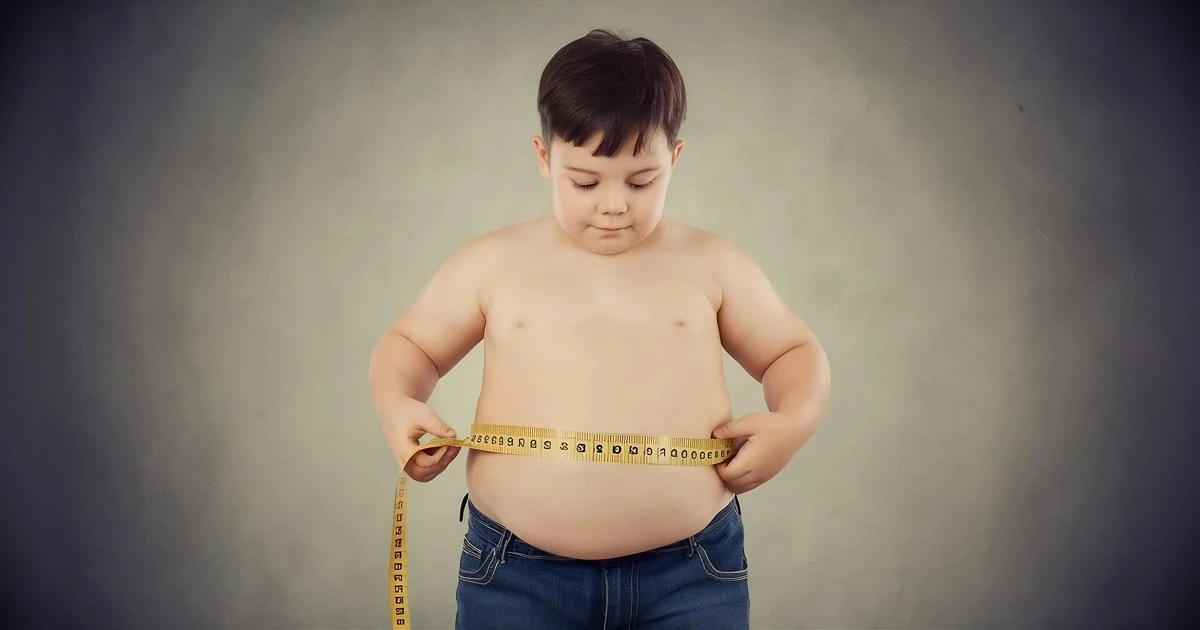
Childhood Obesity Data Warns of 2040 Crisis
Store shelves train human brains to crave illness before children even learn to walk. We treat chronic weight gain as a failure of individual willpower. Meanwhile, multibillion-dollar food companies engineer their products to guarantee dependence. According to a Guardian report, the recent publication of the 2026 World Obesity Atlas exposes the exact scale of this design flaw. The report notes that a severe global childhood obesity crisis currently forces roughly 180 million youth into a life of early disease as of 2025.
Leaders continue pushing simple exercise advice while ignoring the commercial forces shaping daily nutrition. Reversing this trend requires tearing down the policies that allow highly processed food to dominate daily diets. We face an urgent requirement to confront the data, abandon outdated medical assumptions, and implement hostile political action against corporate giants.
The 2040 Statistical Trajectory of the Childhood Obesity Crisis
Predicting public health failures simply requires tracking where processed sugar flows most aggressively. By 2026, the World Obesity Atlas documented a severe reality. The current global childhood obesity crisis traps 180 million youth. By 2040, projections indicate this number will skyrocket to 227 million children and teenagers between the ages of 5 and 19. Furthermore, the World Obesity Federation predicts that over 500 million youth will cross the overweight or obesity threshold during this same period.
People frequently ask about the exact scale of the emergency. How many children are affected by obesity globally? The current data shows 180 million children living with obesity as of 2025, with projections estimating a massive increase to 227 million by 2040.
These numbers translate directly into massive physiological damage. Currently, 120 million children exhibit early signs of chronic disease. This alarming development is driven by a high correlation with elevated body mass index (BMI). We are watching an entire generation march directly toward lifelong medical dependency.
Global Hot-Spots and Heavyweight Nations
Certain nations carry the highest burden of this health emergency. The statistics highlight a massive geographic divide in the prevalence of severe weight issues:
- China: Leads the world with62 million childrenrecording a high BMI.
- India: Follows closely behind with41 million affected youth.
- United States: Ranks third globally with 27 million affected youth, meaning two out of every five American children face weight challenges.
- United Kingdom: Records a historic maximum of3.8 million childrendealing with high BMI, doubling the rates currently seen in France and Italy.
Regional disparities reveal striking global trends. The top ten countries with the highest prevalence cluster primarily in the Western Pacific and the Americas. Growth hot-spots emerge rapidly in low-income and middle-income nations. These developing regions experience the fastest surges in obesity rates globally. The condition severity requires immediate medical attention. Obesity functions as a serious disease, representing a complete global treatment failure.
How Medical Definitions Mask the Danger of the Childhood Obesity Crisis
Standardized diagnostic tools often hide the true severity of a condition by reducing human physiology to rigid, flat numbers. According to a World Health Organization fact sheet, healthcare providers diagnose adult obesity using a standard diagnostic metric of a BMI over 30. The same WHO fact sheet states they diagnose overweight adults at a BMI over 25.
Child measurement requirements rely on vastly different rules. Pediatricians must use age and sex percentiles plotted on specialized growth charts. This complicated tracking system creates a severe disconnect in public understanding. Parents struggle to interpret these specialized growth charts, allowing severe weight gain to progress unchecked for years.
World Obesity Federation Chief Executive Johanna Ralston highlights the grim outcome of this ongoing diagnostic confusion. She points directly to a trajectory of generational doom. She warns that inadequate global seriousness will lead directly to chronic fatal illnesses for millions of youths.
The medical community demands a complete shift in perspective. Treating youth weight gain as a minor phase ignores the data entirely. The early signs of chronic illness already appear in 120 million children worldwide.
The Commercial Engineering Fueling the Childhood Obesity Crisis
Corporations shift blame to consumer choices to distract from the aggressive saturation of sugary products in daily life. Sugary drinks alone account for 17% of total sugar intake for 11 to 18-year-olds. The UK government action plan noted that British teen sugar intake currently ranks as the highest in all of Europe.
Parents often question the root drivers of this health emergency. What causes the childhood obesity crisis? The crisis stems directly from toxic food environments saturated with sugary products and aggressive corporate marketing. Dr. Kremlin Wickramasinghe from WHO Europe explicitly defines the origin of this emergency. He points directly to toxic environments engineered by the food industry.
Dr. Wickramasinghe demands mandatory marketing restrictions to curb this corporate overreach. He stresses the absolute requirement for political defiance against food industry lobbying. The government previously initiated a sugar reduction goal aiming for a 20% cut by 2020. This specific initiative focused strictly on nine primary child food categories. The heavy reliance on sugar creates a dependent consumer base at a young age, locking them into decades of unhealthy purchasing habits.
Wealth Gaps and Generational Transmission in the Childhood Obesity Crisis
Poverty directly dictates physical health long before a child takes their first breath. Deprivation links strongly to severe weight gain. As noted in the NCMP operational guidance, the poorest demographics suffer more than double the obesity rate compared to the most affluent demographics. This wealth gap creates an unavoidable cycle of health inequality that passes down through family lines.
Maternal risk factors play a massive role in this transmission. Currently, 49% of pregnant women enter pregnancy overweight or obese. This establishes a direct correlation to child obesity. The physical health of the mother establishes the metabolic baseline for the infant.
Tracking the UK School Data
A News-Medical report on the UK National Child Measurement Programme (NCMP) 2018-2019 data highlights this progressive worsening throughout early education. The report shows that in Reception, at ages four to five, 22.6% of children register as overweight or obese. It also notes that by Year 6, at ages ten to eleven, this number jumps dramatically to 34.3%.
The school environment clearly fails to reverse the damage inflicted by poor early nutrition. Families require structural support. Health officials must stop casting individual judgment. Lower-income families face the harshest barriers to accessing nutritious foods. This financial limitation forces a heavy reliance on cheap, highly processed calories.
The Economic Burden of the Childhood Obesity Crisis
Governments bleed billions treating the symptoms of a crisis because preventing the root cause offends corporate donors. The economic burden falls squarely on public health systems. In 2014 and 2015, the NHS faced a staggering £5.1 billion cost strictly for obesity-related illnesses. This massive financial drain will only accelerate over the coming decades.
The 2040 projections for UK children reveal terrifying medical outcomes. Experts anticipate 370,000 children will show clear signs of cardiovascular disease. Another 271,000 will exhibit early signs of hypertension.
Katharine Jenner from the Obesity Health Alliance categorizes this entirely as a preventable outcome. She views the future heart disease surge as the ultimate warning signal for modern society. Taxpayers fund the treatment of diseases intentionally manufactured by unregulated food producers.
Politicians debate healthcare budgets endlessly while allowing junk food companies to target youth relentlessly. Treating the symptoms costs billions of dollars annually. Banning the marketing costs nothing.
Legislative Intervention vs. Voluntary Failures
Trusting the junk food industry to regulate its own marketing guarantees the continuation of the problem. Policy enforcement currently suffers from a massive systemic flaw. Authorities place an existing reliance on voluntary healthy rating schemes. They depend on voluntary front-of-pack traffic lights to inform consumers. These voluntary measures fail completely.
Public health officials demand mandatory marketing bans. Only forced compliance alters corporate behavior. According to a peer-reviewed analysis published by the NCBI, the government strategy surrounding the Soft Drinks Industry Levy provides a perfect example of effective intervention. This levy targeted producers directly rather than taxing the consumer at the register.
The analysis notes the result was a rapid shift to healthier product formulas as companies scrambled to reformulate drinks to avoid taxation and reduce costs, leading to a significant drop in household sugar purchases. Furthermore, the government directed the revenue destination from this levy straight into primary physical education and school breakfast clubs.
This macro-environment focus uses taxes and regulations to force rapid change. Real progress requires aggressive policy implementation, entirely replacing weak voluntary agreements that protect corporate profits over public health.
Moving Beyond Micro-Habits in the Childhood Obesity Crisis
Public health campaigns push personal exercise goals to excuse a total lack of structural support. The physical activity deficit remains a major hurdle globally. Only 45% of youth achieve the 60-minute daily exercise guideline. While personal movement matters, governments must attack the commercial environment directly.
Many people seek practical solutions to combat this health trend. How can we prevent childhood obesity? Prevention requires massive government intervention like junk food marketing bans and sugary drink taxes alongside daily physical activity. The UK Department of Health and Social Care (DHSC) spokesperson outlined incredibly aggressive plans to combat the crisis.
These regulatory proposals focus on heavy restrictions:
- A strict pre-9pm television junk food ad ban.
- A total block on junk food advertising online.
- Severe proximity limits preventing fast food shops near schools.
The ultimate goal targets a 7.2 billion calorie deficit nationwide.
The Reality of Pediatric Medical Intervention
An official NHS Hospital Leaflet dispels the myth of an easy medical fix. Surgery suitability remains extremely rare for youth. Pediatric weight-loss surgery happens very infrequently in modern medicine. Successfully navigating this difficult process involves an absolute requirement for a whole-family habit overhaul.
Specialist clinics equipped to handle complicated youth cases remain uncommon. The intervention scope must remain firmly on macro-environment policies like sugar taxes and marketing restrictions. Expecting families to overcome toxic food environments entirely through micro-environment lifestyle shifts guarantees failure. The solution proposals require healthy environments enforced strictly by rigorous laws.
Resolving the Childhood Obesity Crisis
The data from the 2026 World Obesity Atlas leaves absolutely no room for debate or delay. Tracking the numbers from 2025 to the terrifying 2040 projections reveals a clear picture of an abandoned generation. From China to the UK, millions of children face a future defined by preventable chronic illness. The childhood obesity crisis forces us to recognize the direct link between unchecked corporate greed and deteriorating public health.
We possess the necessary tools to reverse this trend immediately. Implementing mandatory marketing bans, expanding sugar taxes, and enforcing strict dietary guidelines will dismantle the toxic environments surrounding our youth. Relying on voluntary corporate compliance or expecting families to out-work bad diets simply delays the inevitable.
Real change requires uncompromising political action. Our leaders must finally decide whether to protect the profits of the food industry or the lives of millions of children.
Recently Added
Categories
- Arts And Humanities
- Blog
- Business And Management
- Criminology
- Education
- Environment And Conservation
- Farming And Animal Care
- Geopolitics
- Lifestyle And Beauty
- Medicine And Science
- Mental Health
- Nutrition And Diet
- Religion And Spirituality
- Social Care And Health
- Sport And Fitness
- Technology
- Uncategorized
- Videos