
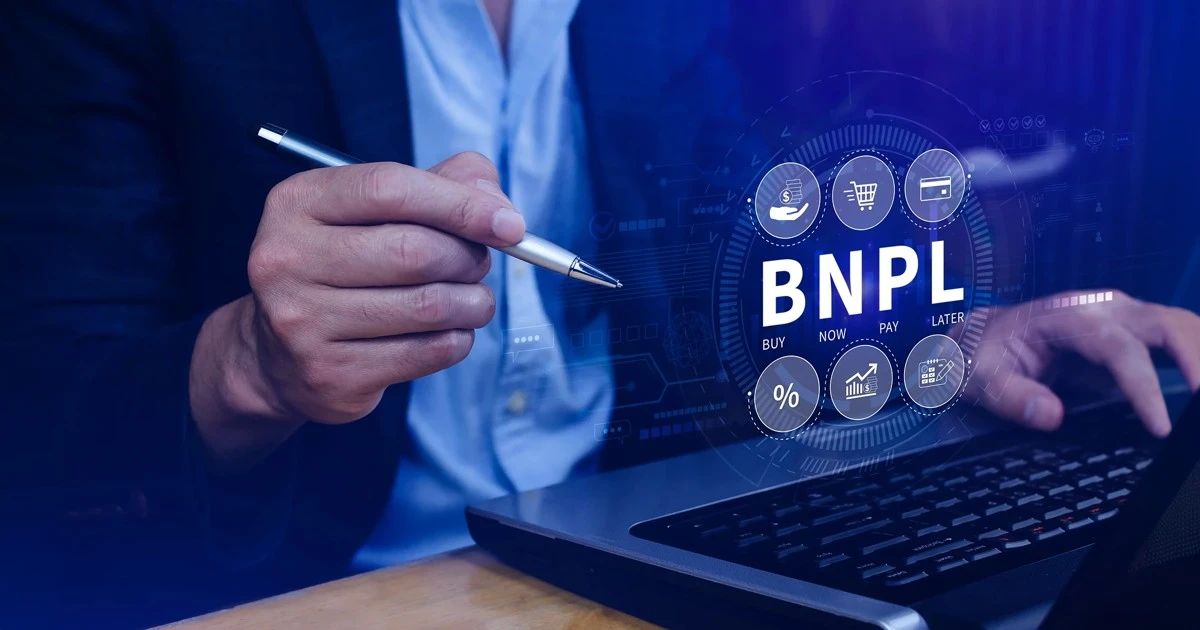
Buy Now Pay Later and the Real Cost of Easy Credit
When you click "pay," your brain usually registers a loss of money, which acts as a natural brake on your spending. Buy Now Pay Later platforms short-circuit this mental safety valve by delivering the product immediately while pushing the pain of payment into the foggy future. This disconnection creates a reality where you feel richer than you actually are.
Over 11 million people in the UK have adopted this payment method, often viewing it as a modern convenience. However, this ease of accessibilty masks a rigid debt structure. You are splitting a bill while entering a binding legal agreement with a third-party lender. The store gets their money instantly and washes their hands of the transaction, leaving you alone with a new creditor.
With major regulations from the Financial Conduct Authority (FCA) set to begin on July 15, 2026, the rules of this game are about to change. Until then, millions of shoppers navigate an environment filled with confusing fee structures and potential credit score traps. Understanding how this system operates is the only way to use it without letting it use you.
The Psychology Behind the Checkout Button
Your brain releases dopamine when you acquire something new, but it triggers anxiety when you part with cash. These services separate the pleasure of acquisition from the pain of payment, creating a window where spending feels free. This gap explains why, according to data from Stripe, merchants see a 14% revenue boost when they offer installment options. They know you are less likely to abandon your cart if the total price tag doesn't hit your bank account all at once.
This setup targets younger demographics specifically. Statistics show that 26% of Millennials and 11% of Gen Z use these tools. These groups often have tighter budgets but high consumption desires. The platform bridges that gap through shifting debt rather than creating wealth. The friction of handing over money disappears, replaced by a simple tap that promises you can deal with the consequences later.
The danger lies in the "stacking" effect. One payment plan of £20 a month feels manageable. But because different providers like Klarna, Clearpay, and PayPal operate separately, you can easily accumulate five or six overlapping plans. Suddenly, that manageable sum turns into a monthly drain that rivals a car payment. The system relies on you focusing on individual purchases rather than your total outgoing cash flow.
How Buy Now Pay Later Actually Works
Most people assume they are setting up a payment plan with the retailer, but the financial reality is quite different. When you choose Buy Now Pay Later at a checkout, you are effectively selling your debt to a third-party company. The provider pays the retailer the entire amount upfront—minus a fee—and takes on the risk of collecting money from you. The retailer exits the picture immediately regarding payment.
Product pages from Klarna and Clearpay show that the standard structure splits your total into 3 or 4 equal chunks. You pay the first slice immediately, and the remaining balance spreads over the next few weeks or months. Ideally, this service remains interest-free. However, this model changes if you miss a deadline. The provider is a business banking on either merchant fees or your failure to pay on time.
While products from banks like Monzo and Barclays have operated under regulation for some time, the broader market has been a "wild west" of lending. This allows for quick approval processes that don't always check if you can actually take-up the loan. You get the product now, but you also get a rigid schedule that doesn't care if your car breaks down or your rent goes up next week.
How does buy now pay later work?
You pay a fraction of the cost upfront, and a third-party lender covers the rest, which you then repay in installments over several weeks.
The Late Fee Trap You Don't See Coming
Free credit remains free only as long as you act like a machine with perfect timing. The business model accounts for human error, and the penalties for slipping up are specific and harsh. While the marketing highlights "0% interest," the fine print contains a different story regarding late fees. These small charges seem insignificant in isolation but become aggressive when applied to lower-value orders.
Information provided by Clearpay states that they operate differently, charging £6 for a missed date and another £6 if you don't pay within seven days. For orders under £24, they cap this at £6, but for larger orders, the fees will never exceed £24 or 25% of the order value. On a small purchase, hitting that 25% cap happens quickly.
These fees serve two purposes. First, they generate revenue. Second, and more importantly, they act as a behavioral corrective. They train you to prioritize these debts over other financial obligations. Sebrina McCullough from Money Wellness notes that a single missed deadline causes immediate stress. The "harmless" appearance of these small payments vanishes the moment you receive a penalty notice, transforming a shopping tool into a source of financial anxiety.
Credit Score Damage and Debt Spirals
A common myth suggests that using these tools has zero effect on your financial footprint. In reality, the interaction between Buy Now Pay Later and credit bureaus is inconsistent and dangerous. A "soft check" might get you approved without leaving a mark, but that does not mean your payment history goes unnoticed. If you fail to repay, the consequences can follow you for years.
Reporting practices differ dramatically across providers. Zilch shares customer activity with all the main credit reference agencies—Experian, Equifax, and TransUnion. Klarna has said it reports payment data to agencies such as Experian and TransUnion. By contrast, Clearpay states on its help pages that it does not report on-time repayments to the major agencies.
This patchwork approach creates a dangerous blind spot. You may assume your credit record is unaffected because one provider doesn’t report, only to see your score fall because another one does.
James Daley of Fairer Finance warns that taking out new borrowing to clear these balances can trigger a debt spiral. These agreements are legally classified as debts—no different from overdrafts or credit cards—so missing payments results in a negative mark on your credit file. That flag signals to other lenders that you present a higher risk. As a result, future applications for a mortgage, car finance, or even a mobile phone contract could be rejected over something as small as an unpaid £50 shirt.

Does buy now pay later affect credit score?
Yes, missed payments can be reported to credit bureaus, which will lower your score and make future borrowing harder.
The Regulatory Shift Coming in July 2026
The time of unchecked lending is rapidly closing. The UK government and the Financial Conduct Authority (FCA) have established July 15, 2026, as the start date for strict regulation. This move admits a systemic failure: the sector grew too fast and posed too much risk to consumers to remain unpoliced. The transition period ends on July 1, 2026, after which all providers must play by banking rules.
The most significant change is the introduction of mandatory affordability checks. Lenders will no longer be able to hand out credit based solely on a soft check and an algorithm. They must verify that you can actually afford the repayments without falling into hardship. This mirrors the checks required for credit cards and loans. Sarah Pritchard from the FCA confirmed that while innovation is good, lending to those who cannot repay is unacceptable.
Another major gain for consumers is the extension of Section 75 protection. At present, paying through a third-party processor can void this safeguard, which makes credit card providers jointly liable when a retailer breaches a contract. Once the new regulation takes effect, Buy Now Pay Later users will also be able to turn to the Financial Ombudsman Service. If a product arrives damaged or a retailer collapses, you’ll have a clear legal route to reclaim your money.
Why Merchants May Benefit Even More Than You
Stores offer installment plans because it transfers risk away from them, rather than out of kindness. When you use these services, the merchant pays a transaction fee to the provider. In exchange, they obtain the full purchase amount immediately. They don't have to worry about chasing you for payments or dealing with fraud. The provider absorbs that headache.
Stripe data indicates that merchants see higher conversion rates and larger cart sizes when they enable these options. The "method" here is friction reduction. Removing the immediate barrier of price encourages impulse buying. You are more likely to add extra items to your basket if the upfront cost only increases by a few pounds, even if the total debt rises significantly.
This situation creates a conflict of interest. The merchant wants you to spend as much as possible. The provider wants you to sign up for as many plans as possible. You, the consumer, are the only one holding the bag. While the store secures their revenue instantly, you are left managing a series of future obligations that restrict your financial freedom for weeks or months.
Managing Returns and Refunds
Returning an item bought on credit introduces a layer of complication that cash purchases avoid. When you return a shirt bought with a debit card, the money eventually reappears in your account. With Buy Now Pay Later, the billing cycle does not automatically pause just because you mailed the package back. You remain liable for the payments until the retailer processes the return and notifies the lender.
This lag time creates a "cash flow trap." You might have to make a scheduled payment for an item you no longer possess to avoid a late fee. Investopedia highlights the difficulty of canceling payments during the refund process. If the retailer is slow, you are stuck paying out of pocket and waiting for a reimbursement later.
This difficulty discourages returns. The hassle of tracking refunds across a third-party app often leads consumers to keep items they don't want, simply to avoid the administrative headache. If you do return items, you must monitor your account closely. Assuming the debt is cancelled the moment you drop the box at the post office is a mistake that leads to surprise fees.
Can I return items bought with buy now pay later?
Yes, but you must keep making payments until the retailer officially processes the return and the lender updates your balance.
Alternatives and Best Practices
The smartest financial move is often the most boring one. Experts like Andy Webb from "Be Clever With Your Cash" argue that if you have the cash available, you should pay immediately. Keeping the transaction simple eliminates the danger of technical errors, forgotten dates, or accidental overspending. Borrowing is unnecessary if your savings can cover the cost without impacting essential bills.
If you want a safety net, traditional options often work better. Many banks, such as First Direct, offer interest-free overdraft buffers (up to £250) that act as a flexible cushion without the rigid structure of installment plans. These overdrafts don't require managing multiple apps or tracking four diverse payment dates for a single pair of shoes.
If you must use these services, treat them as short-term loans, not payment methods. Niall Alexander from Fair4All Finance recommends avoiding multiple simultaneous agreements. One active plan is manageable; five are a disaster waiting to happen. Set up a Direct Debit for repayments to remove the reliance on your memory. If the purchase isn't essential and you can't pay for it today, the safest decision is to wait.
The Debt Disguised as Convenience
Buy Now Pay Later schemes are effective because they hide the friction of spending rather than helping you manage money. They turn the simple act of buying into a complex financial contract. While the upcoming July 2026 regulations will force providers to check your affordability and offer better protections, the core danger remains: spending money you haven't earned yet always carries a cost.
The system is designed to make debt feel weightless until it is too heavy to carry. Treating these platforms as loans rather than checkout features enables you to strip away the marketing gloss and see the transaction for what it is. If you cannot have enough money for the item today, splitting the cost mortgages your future peace of mind rather than making the item cheaper.
Recently Added
Categories
- Arts And Humanities
- Blog
- Business And Management
- Criminology
- Education
- Environment And Conservation
- Farming And Animal Care
- Geopolitics
- Lifestyle And Beauty
- Medicine And Science
- Mental Health
- Nutrition And Diet
- Religion And Spirituality
- Social Care And Health
- Sport And Fitness
- Technology
- Uncategorized
- Videos

