
India’s Mango Crisis Fixed By Genome Sequencing
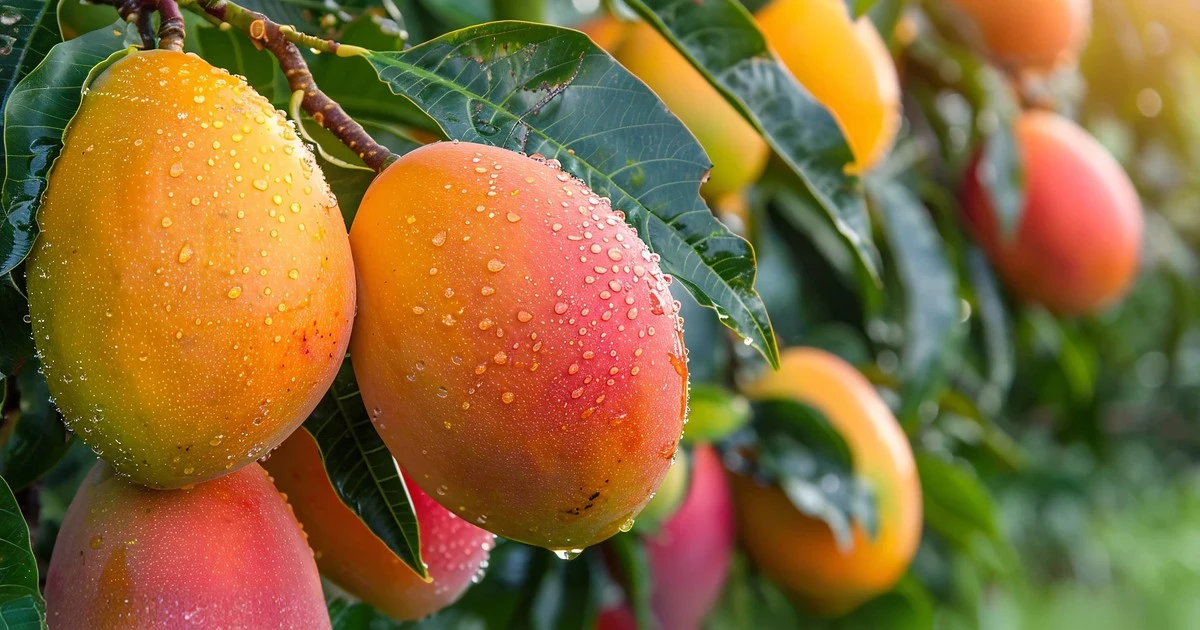
Farming used to be about predicting the rain, but now the weather creates chaos that tradition cannot fix. When seasons stop following the calendar, the only reliable map left is written inside the seed itself. This is where mango genome sequencing shifts the battlefield from the orchard to the lab. According to Global Agriculture, India retains its global leadership in mango production, yielding nearly 23 million tonnes annually across about 700 cultivated varieties. Yet, farmers now face a crisis where blooms die before they become fruit, and reliable harvests are becoming a memory. The solution requires rewriting the biological rules of the tree itself. Scientists and farmers are moving away from trial-and-error methods toward a data-driven approach. Decoding the DNA of varieties like the Alphonso allows researchers to finally understand how to build a tree that survives the modern world.
When the Weather Stops Following the Calendar
You cannot negotiate with a season that refuses to arrive on time. For generations, the flowering and harvesting schedules of mango trees were predictable, but climate volatility has erased those patterns. Upendra Singh, a fourth-generation farmer with a 16-acre orchard, notes that distinct weather patterns have vanished. The heat arrives too early, or cold snaps linger too long. These fluctuations devastate the crop before it even starts.
As reported by FreshPlaza, erratic weather patterns are putting the sector under pressure, where early flowering often leads to crop waste. The Indian Express highlights that unseasonal rains or cloudy skies during the season cause issues such as poor flowering and premature droppings. Furthermore, the National Horticulture Board notes that while dry weather before blossoming encourages profuse flowering, rain during this specific time proves detrimental to the crop. Scientist Hari Shankar Singh points out that the mango crop is highly sensitive to heat. Early blooms often get destroyed by hot winds, while sudden cold spells delay flowering entirely. This mismatch leads to rapid maturity and significant crop waste. Mango genome sequencing offers a way to identify traits that allow trees to withstand these thermal shocks, ensuring that a sudden heatwave doesn't wipe out a year's worth of work.
How does climate change affect mango production? It disrupts flowering cycles and causes early bloom destruction due to heat or wind, leading to massive crop waste.
Mango Genome Sequencing Changes the Game
Breeding a better tree the old way is a slow gamble, but reading its DNA turns luck into engineering. In the past, developing a new mango variety was a multi-decade struggle. A tree grown from a seed takes over six years just to produce its first fruit. Farmers and scientists had to wait nearly a lifetime to see if a crossbreed was successful. The 2016 breakthrough in mango genome sequencing, led by ICAR, changed this timeline forever.
Mapping the genetic code, specifically of the Alphonso variety, enables scientists to identify desirable traits immediately. They don't have to wait for the tree to grow up. Hari Shankar Singh explains that genetic mapping accelerates the identification of characteristics like color, aroma, and resilience. This technology compresses a breeding cycle that once took decades into a manageable 5 to 10-year window. Mango genome sequencing provides the data needed to select the strongest parent trees, ensuring the next generation of mangoes can handle pests and stress better than their ancestors.
High-Density Planting Saves Space and Labor
Treat a fruit tree like a factory unit, and you suddenly produce three times the output on the same patch of dirt. Traditional mango orchards rely on massive trees spaced 10 to 12 meters apart. This old method wastes land and makes harvesting difficult. The modern shift moves toward Ultra-High-Density Planting (UHDP), where trees stand only 2 to 3 meters apart. This density forces the farmer to manage the orchard differently, but the rewards are substantial.
Keeping trees smaller is essential for this system to work. Experts advise that high-density planting necessitates dwarf varieties and strict canopy management. A rejuvenated tree in a modern orchard stands at a manageable 14 to 18 feet. This height allows for better airflow and sunlight penetration, which keeps fungal infections down. It also makes pruning and harvesting much faster. Instead of climbing dangerous ladders to reach fruit, farmers can manage the crop from the ground. This structural change turns a sprawling forest into a precise production line.
Grafting Tricks for Consistent Harvests
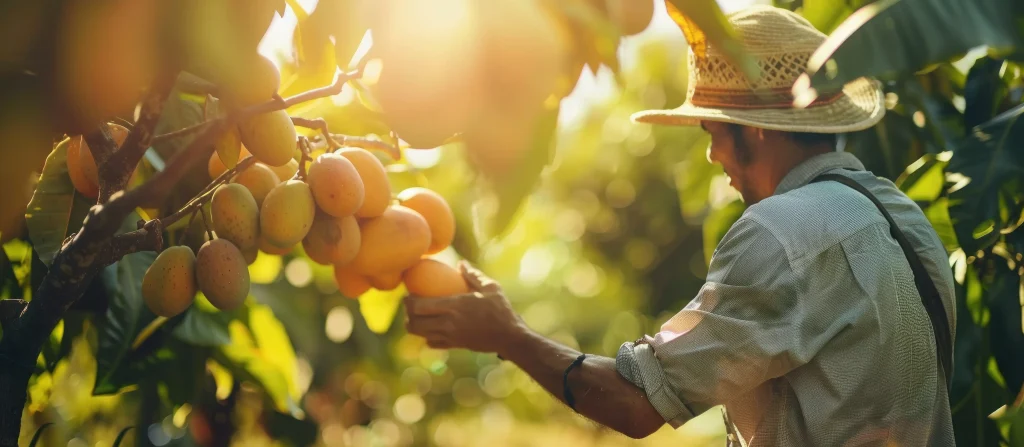
A strong root does not guarantee a sweet fruit, so farmers stitch two different lives together to get the best of both. While mango genome sequencing helps find the best genetic traits, grafting is the tool that delivers those traits to the field. Growing a mango tree from a seed results in a "wild card" outcome where the fruit might not resemble the parent. To fix this, farmers use grafting methods like veneer, softwood, and epicotyl grafting.
This technique ensures that every tree in the orchard produces the exact same quality of fruit. The process involves attaching a branch from a high-quality tree onto a hardy rootstock. This bypasses the long seedling latency period. While a seed-grown tree waits six years to fruit, a grafted tree gets to work much faster. Experts note that planting season in July and August offers the best survival rates for these grafts due to the rain.
What is the best method for mango grafting? Veneer and softwood grafting are top choices because they ensure genetic consistency and faster fruiting compared to growing from seeds.
Precision Watering and Soil Chemistry
Dumping water on a field teaches roots to be lazy, while feeding them drop by drop forces them to be disciplined. Water is becoming expensive and scarce, making traditional flood irrigation a financial mistake. Modern farms use drip irrigation to cut water usage by 50% to 70%. This system also reduces weed growth because water lands only where the tree needs it, starving the unwanted plants between rows.
Feeding the soil is just as difficult as watering it. Neeti Goel, who manages over 1,100 trees, insists that soil analysis is essential. Adding fertilizer without data is just guessing. The ideal soil pH for mangoes sits between 5.5 and 7.5. Experts recommend a specific pit fertilizer mix involving manure, super phosphate, and potash to establish young trees. Furthermore, drip systems allow for fertigation, where nutrients flow directly to the roots through the water lines. This prevents over-fertilization and ensures the tree gets exactly what it needs to support the yield.
The Battle Against Pests and Rejection
The difference between a premium export and a rejected shipment often comes down to a single fly landing on the skin. International markets have zero tolerance for pests. Saravanan Achari, an exporter, highlights that a single fruit fly can cause an entire consignment to be rejected in one of the 13 countries they serve. This financial risk forces farmers to adopt aggressive protection strategies.
Bagging is a simple but critical innovation. Farmers place protective bags over individual fruits while they are still on the tree. T Damodaran from ICAR explains that bagging creates a micro-climate around the mango. It shields the fruit from pests, fungus, and harsh sun damage. Beyond bags, farmers use Integrated Pest Management (IPM). They deploy bio-controls like ladybirds and pheromone traps instead of blanketing the orchard in chemicals. This approach keeps the fruit safe without rendering it toxic or unfit for strict export standards.
Why do farmers put bags on mangoes? Bagging protects the fruit from pests and sun damage while creating a micro-climate that improves color and reduces fungus.
The Financial Reality of Modern Farming
Passion plants the seed, but only cold, hard data ensures the farm survives to see the next harvest. The romantic image of farming contradicts the brutal economic pressure farmers face. Input costs for pesticides and labor are rising, while yields in traditional orchards are declining. Upendra Singh notes that coloured varieties offer superior annual yields compared to traditional types that only bear fruit intermittently. Farmers must chase these higher-margin varieties to stay profitable.
The future points toward even more control. Protected cultivation, such as greenhouses, is becoming inevitable for serious producers. While expensive, these structures block out the erratic rain and wind that mango genome sequencing is trying to breed resistance against. Saravanan Achari warns that rain unpredictability alters pest cycles, making open-field farming risky. Adoption of technology, from soil analysis to genetic data, is no longer a luxury. It is the only way to survive in an industry where nature is no longer a quiet partner but an active disruptor.
The Future is Written in Code
We have moved past the time where a farmer simply hopes for a good season. The chaos of climate change demands a response that is precise, aggressive, and scientific. Mango genome sequencing anchors this new reality, giving researchers the blueprint to build trees that can survive heat, resist pests, and fruit on a reliable schedule. From the microscopic level of DNA to the physical structure of high-density orchards, every aspect of mango farming is being re-engineered.
This shift affects the 20% share mangoes hold in India's fruit market, but it also determines the survival of farmers like Upendra Singh and Neeti Goel. Combining the insights from mango genome sequencing with practical tools like drip irrigation and bagging allows the industry to fight back against uncertainty. The king of fruits will survive, not by chance, but by design.
Recently Added
Categories
- Arts And Humanities
- Blog
- Business And Management
- Criminology
- Education
- Environment And Conservation
- Farming And Animal Care
- Geopolitics
- Lifestyle And Beauty
- Medicine And Science
- Mental Health
- Nutrition And Diet
- Religion And Spirituality
- Social Care And Health
- Sport And Fitness
- Technology
- Uncategorized
- Videos

