
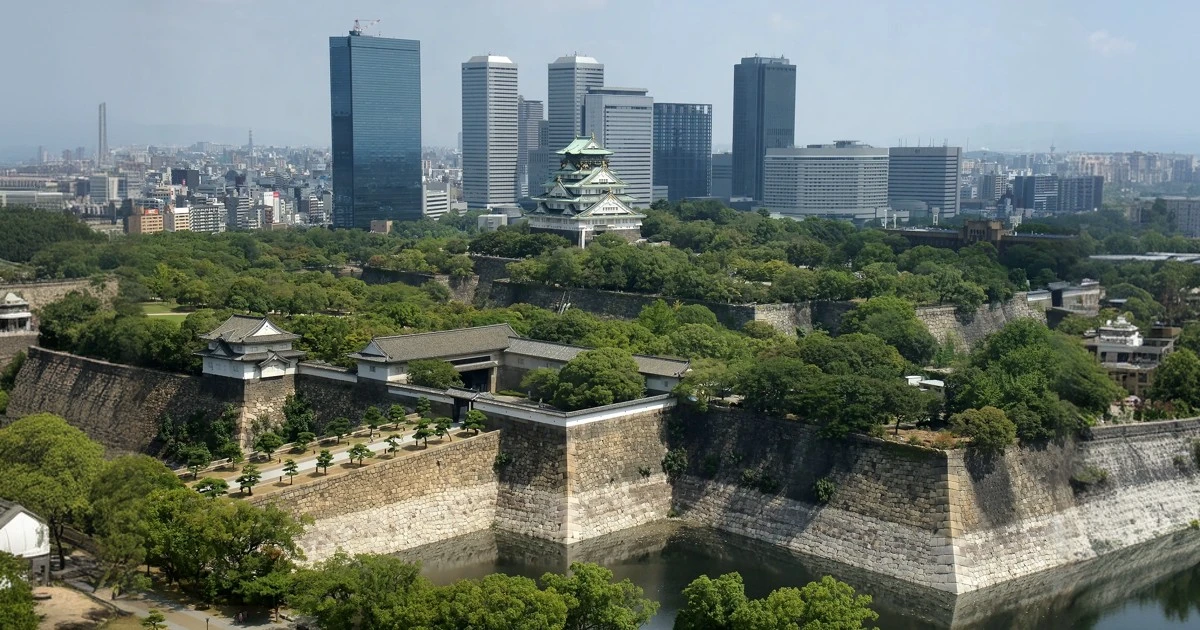
Image Credit - By 663highland, Wikimedia Commons
21kg Gold Gift Saves Decaying Osaka Water Pipes
Cities usually run on taxes, predictable budgets, and slow bureaucracy. When a government relies on a mystery box to keep the taps running, it reveals a crack in the standard operating system. A city does not typically expect a stranger to shoulder the burden of public safety. Yet, a single cardboard box recently arrived in Japan, forcing officials to rethink how they fund essential repairs. This delivery bypassed the usual red tape and offered a direct solution to a growing underground threat.
The package arrived without complaints or demands, holding pure financial power in its heaviest form. This gesture exposes a reality that urban planners often struggle to manage. Infrastructure decays faster than public funds can replenish it. The renewal of Osaka water pipes has become a race against time, and local coffers are running low. A private citizen stepped in where the municipal budget fell short, proving that civic duty sometimes outweighs official planning.
Wealth Moves in Silence
Money usually demands recognition, but true power often prefers to stay in the shadows. A donor recently walked into the spotlight without showing their face. They handed over a heavy inventory of gold bars to the city government. Mayor Yokoyama announced the receipt of this stunning gift during a Thursday press conference. The inventory weighed in at 21 kilograms, or roughly 46 pounds.
Instead of a bank transfer or a check that could bounce, the box contained physical bullion. According to a report by 2News, the total value sits at approximately 560 million yen, which equals about $3.6 million in American currency. The mayor expressed shock at the magnitude of the contribution. He admitted the city was speechless. The donation will go directly toward upgrading the Osaka water pipes that serve millions of residents.
Osaka Water Pipes Face a Funding Crisis
Steel and concrete have hard expiration dates that city planners frequently underestimate. As KOB News points out, most of the nation's main public infrastructure was built during rapid postwar economic growth and has now reached a breaking point. The legal service life for Japanese water mains stands at 40 years. Once a pipe passes this age, the risk of failure spikes dramatically.
Current data shows a worrying trend for the city. Over 20% of the national supply network has already surpassed this 40-year limit. The local Waterworks Bureau faces an uphill battle. A report from 2News highlights that the city needs to renew a total of 259 kilometers (160 miles) of water pipes, but the costs are astronomical, with a mere 2-kilometer segment costing about 500 million yen. Budget restrictions often stall necessary progress. This financial gap leaves the city vulnerable. Who pays for the repairs when the tax revenue runs dry? The anonymous gold creates a bridge over this fiscal gap, allowing maintenance crews to get to work immediately.
The Danger of Neglect
Statistics on a spreadsheet feel harmless until gravity takes over and the ground gives way. Ignoring a rusting tube seems cheap until the cost becomes human life. The Herald Review reported on a sinkhole tragedy in Saitama last year that proved exactly how high the stakes are, noting that a truck driver lost his life when the road collapsed beneath his vehicle.
That incident serves as a grim warning for every major city in Japan. Osaka water pipes require urgent attention to prevent similar disasters. The city recorded over 90 leaks in the 2024 fiscal year alone. Each leak represents a potential catastrophe waiting to happen. The gold donation balances the ledger and actively removes hazards from the streets. This prevents the commercial hub of Osaka from facing the same subterranean collapse seen elsewhere.
A Pattern of Quiet Support
A single act of kindness might be a fluke, but a second act proves a deliberate mission. This donor has a history of stepping in to help the city. Officials confirmed that this is the same individual who previously donated 500,000 yen in cash.
The shift from paper currency to gold bars marks a massive escalation in support. It suggests the donor understands the severity of the infrastructure problems. They watched the situation deteriorate and decided to increase their involvement. This creates a unique relationship between a private citizen and the public utility. The donor provides the resources, and the city provides the labor.
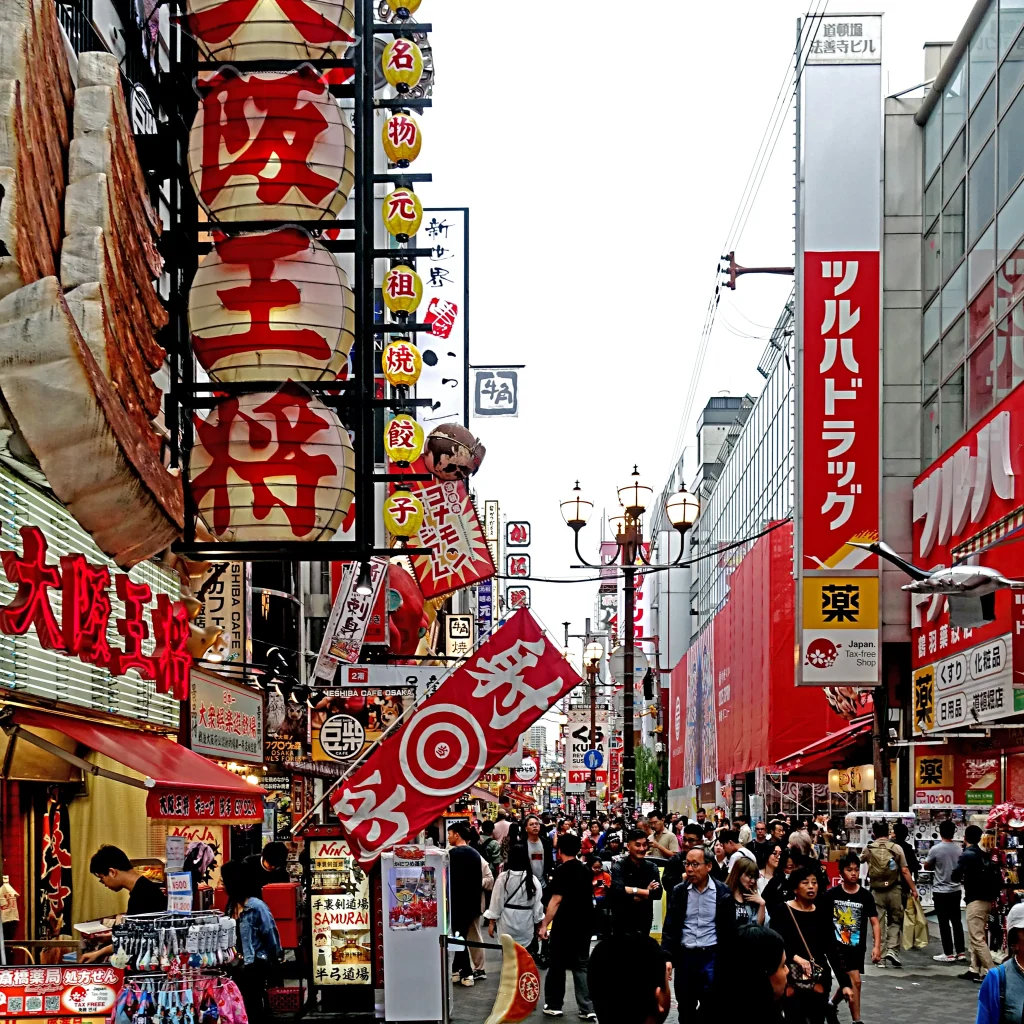
Image Credit - By Pom', Wikimedia Commons
The Weight of Public Trust
People only invest in systems they believe will actually do the work. You do not hand over a fortune if you suspect the authorities will pocket the change. This donation highlights the immense trust the Japanese public places in their local government. In many parts of the world, citizens fear embezzlement or mismanagement.
Here, the donor knows the funds will reach their target. The Waterworks Bureau accepted the gift with a promise to use it strictly for pipe restoration and decay mitigation. Who donated gold to Osaka? As noted by 2News, the donor remains anonymous, though officials confirmed they are the same person who previously gave cash. This anonymity reinforces the cultural value of communal responsibility. The act fills an administrative gap without seeking fame or political favor.
Urban Decay is a Global Reality
Decay ignores borders, but the solutions reveal the character of a nation. Rapid urban expansion puts pressure on subterranean networks everywhere. Osaka is the third-largest city in Japan, acting as a dense commercial hub. The strain on its system mirrors issues seen across the globe.
East African cities like Nairobi and Mombasa face similar infrastructure decay. How much is the Osaka gold worth? The 21kg of gold bars is valued at approximately 560 million yen, or roughly 3.6 million US dollars. Other regions might rely on complicated international bank loans to fix these issues, yet Osaka found a solution within its own population. This contrast shows different approaches to a universal problem. One relies on external debt; the other leans on internal civic pride.
The Logistics of Renewal
Fixing a city requires a steady stream of resources that often exceeds projected budgets. The sheer scale of the work demands more than just good intentions. Replacing old infrastructure disrupts traffic, requires heavy machinery, and takes months to complete.
The 560 million yen injection creates immediate liquidity. It allows the city to bypass some of the bureaucratic hurdles that slow down funding approval. Why are Osaka water pipes breaking? Many pipes have exceeded their 40-year legal service life, leading to over 90 leaks in a single fiscal year. Crews can now prioritize the most dangerous sections of the network. This gold literally paves the way for a safer city, turning a private asset into a public shield against disaster.
A Golden Fix for Osaka Water Pipes
A cardboard box full of gold bars changes the conversation about urban safety. It proves the line between private wealth and public utility is remarkably thin. One citizen saw the cracks in the street and decided to fill them with their own fortune. This act secures the Osaka water pipes against further decay and protects the lives of millions. The city now moves forward with repairs, backed by the quiet strength of an anonymous guardian. This event reminds us that while systems crumble, the sense of duty often remains solid.
Recently Added
Categories
- Arts And Humanities
- Blog
- Business And Management
- Criminology
- Education
- Environment And Conservation
- Farming And Animal Care
- Geopolitics
- Lifestyle And Beauty
- Medicine And Science
- Mental Health
- Nutrition And Diet
- Religion And Spirituality
- Social Care And Health
- Sport And Fitness
- Technology
- Uncategorized
- Videos

