

Is Apitherapy The Best Cure For Joint Issues?
Waking up with arthritis feels like your joints are filled with wet cement. You try to move, but the stiffness pushes back. Most people reach for a bottle of ibuprofen, hoping to dull the ache for a few hours. This cycle of pill-popping treats your body like a broken machine that just needs more grease. According to the NHS, if you have rheumatoid arthritis, your immune system incorrectly directs antibodies to the joint lining, causing it to attack the surrounding tissue instead of identifying it as healthy cartilage.
While pills mask the alarm bells, they rarely stop the fire. This is where Apitherapy changes the conversation. Rather than only quieting the pain, this practice utilizes the bioactive compounds from honeybees to retrain how your body handles inflammation. It relies on a detailed biological interaction that forces your defense systems to stop attacking your joints and start repairing them. This practice is a targeted intervention addressing the biological root of joint decay rather than a folk remedy.
The Science Behind Using Apitherapy for Joint Relief
When a bee stings, it delivers a varied mixture of proteins and enzymes. As detailed in research published in PMC7693387, this delivery primarily consists of proteins, peptides, and enzymes. The most important player in this mix is melittin. This peptide makes up about 50% to 60% of the venom. A study in ScienceDirect highlights that bee venom and melittin suppress the activation of nuclear factor kappa B (NF-κB), which is the signal the body uses to initiate swelling. Through the blockage of this pathway, Apitherapy stops the swelling before it can damage your synovial fluid.
How Melittin Inhibits Arthritis Progression
Melittin doesn't just stop pain; it protects the physical structure of your joints. According to a report in PMC10373173, physical stress can damage joint cells or cause them to create high levels of enzymes known as Matrix Metalloproteinases (MMPs), which break down cartilage. Melittin actively inhibits these enzymes. This means the therapy provides a physical shield for your connective tissue. Ironically, the very thing that causes a temporary sting also prevents the long-term "grinding" sensation that makes walking so difficult for many patients.
Stimulating Cortisol Production Naturally
Your body has its own internal pharmacy, but it often gets sluggish with age or chronic illness. Bee venom contains compounds that signal your pituitary gland to release cortisol. This is the body’s natural steroid. Unlike synthetic steroids that you buy at a pharmacy, this natural cortisol doesn't thin your skin or weaken your bones. It flows through your bloodstream and provides systemic relief to every joint at once.
Essential Apitherapy Treatment Methods for Arthritis
There is no "one size fits all" approach when it comes to hive-based healing. Practitioners use a range of apitherapy treatment methods depending on how far the arthritis has progressed. Does bee venom therapy really help with arthritis? Research found in PMC1062163 indicates that both randomized and uncontrolled clinical trials have shown bee venom therapy to be effective in treating arthritis by reducing joint swelling and pain levels. Some people prefer the traditional direct approach, while others choose modern, needle-based applications that look more like a standard doctor's visit.
Direct Bee Sting Therapy (BVT)
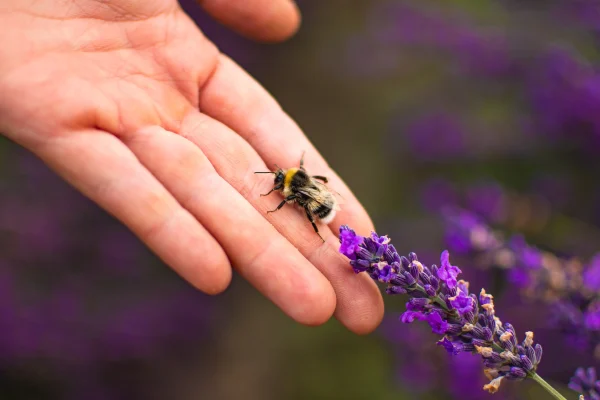
This is the most traditional of all apitherapy treatment methods. A practitioner uses specialized tweezers to hold a live honeybee against a specific application point on your joint. Once the bee stings, the stinger is left in the skin for 10 to 15 minutes. As noted by MDPI, a single sting can inject as much as 0.3 mg of venom into the skin. A study in PubMed 7080045 identifies adolapin as a newly found polypeptide within bee venom that provides anti-inflammatory and pain-relieving properties directly to the affected area.
Injectable Bee Venom Solutions
For those who find live bees intimidating, injectable solutions offer a sterile alternative. This method uses purified venom, often called Apitoxin. It is administered subcutaneously using very thin needles. This approach allows for precise dosing, which is helpful for patients who need a very specific concentration of peptides to see results. It removes the "nature" variable and replaces it with clinical consistency, making it a favorite for those managing severe rheumatoid conditions.
Topical Propolis and Honey Applications
Not every treatment requires a needle or a sting. Some apitherapy treatment methods involve transdermal salves. Propolis is a resin bees use to seal their hives, and it is packed with Caffeic Acid Phenethyl Ester (CAPE). When rubbed into a swollen knuckle, propolis helps inhibit oxidative stress. High-grade honey is also used in massage techniques to pull toxins away from the joint surface and improve local blood circulation.
Preparing Your Body for Apitherapy Interventions
You cannot just show up for a session and expect a miracle if your internal environment is acidic or dehydrated. Success with Apitherapy requires a specific nutritional foundation. The venom puts a temporary stress on your system, which is actually what causes the healing response. To handle this, you need a high intake of Vitamin C, usually between 1000mg and 3000mg daily. Vitamin C supports your adrenal glands, which are the primary engines for the cortisol release the therapy demands.
Hydration is also a non-negotiable part of the process. The peptides in the venom work through the movement of fluids and the breakdown of cellular barriers. If you are dehydrated, your body cannot flush out the inflammatory byproducts that the venom "unplugs" from your joints. Many practitioners suggest drinking twice as much water as usual for 24 hours before and after a treatment session. This ensures that the only thing left behind is the relief, not the lingering soreness.
Comparing Traditional Medicine and Apitherapy
Most arthritis patients are tired of the "pill mill" approach. As documented in PMC8002800, up to 70% of people who take non-steroidal anti-inflammatory drugs long-term develop stomach issues such as ulcers or mucosal damage. Is apitherapy better than ibuprofen for swelling? While ibuprofen provides temporary relief, the compounds in bee products often provide longer-lasting systemic anti-inflammatory benefits without the gastrointestinal side effects of pills. Apitherapy essentially teaches your body how to heal itself rather than providing a chemical crutch that eventually wears out your kidneys.
Traditional steroids like prednisone are productive but come with a heavy price tag of weight gain and mood swings. In contrast, bee venom targets the exact same pathways but through a biological cause. Meanwhile, the relief from a single course of hive-based treatment can last for weeks or even months. Patients often find they can lower their dosage of standard meds once the bee venom begins to reset their immune response.
Safety Protocols for Successful Apitherapy Results
Safety is the first priority when dealing with any bioactive substance. While the media often focuses on the "danger" of bees, the clinical reality is much more controlled. Is apitherapy safe for everyone? It is generally safe for most, but anyone with a known bee allergy must undergo a skin patch test and be monitored by a professional to prevent anaphylaxis. You should never attempt this at home without a professional who carries an emergency kit and understands the chemistry of the venom.
The Importance of Allergy Testing
Before a full treatment begins, a practitioner will perform a "scratch test." They apply a tiny amount of venom to the skin or give you a "micro-sting" on the forearm. They then watch for 20 minutes to see how your body reacts. A little redness and itching are normal and actually expected. However, if your throat feels tight or you get hives elsewhere on your body, your system is too sensitive for this specific path.
Managing the Healing Crisis
Ironically, some patients feel worse before they feel better. This is known as a Herxheimer reaction or a "healing crisis." According to NCBI (StatPearls), a common reaction to these biological changes includes fever and flu-like symptoms that typically resolve themselves within 12 to 24 hours. As the Apitherapy begins to break down inflammatory deposits in your joints, those toxins enter your bloodstream. This is actually a sign that the therapy is working. It means your immune system has finally noticed the "fire" in your joints and is rushing to put it out.
Expected Timelines and Longevity of Apitherapy
Arthritis didn't develop in a day, and it won't vanish in a day either. Most successful protocols involve two to three sessions per week for a period of two to three months. This frequency is necessary to keep the melittin levels high enough in your blood to keep the NF-κB pathway blocked. After this initial "loading phase," many patients move into a maintenance mode where they only need a session once a month.
The longevity of the results is what truly sets this apart from over-the-counter fixes. Findings published in SAGE Journals show that four weeks after the final treatment, patients with osteoarthritis still showed significant improvements in their pain scores. Because the therapy changes how your cells communicate, the "reset" lasts much longer than the four to six hours you get from a standard painkiller. You aren't just chasing the pain; you are changing the environment that creates it.
How to Start Your Process with Apitherapy Today
Starting with Apitherapy requires a shift in mindset. You are looking for a practitioner, not just a beekeeper. Search for professionals certified by organizations like the American Apitherapy Society. When you interview a potential therapist, ask them where they source their bees and how they handle allergy protocols. A good practitioner will always ask for your medical history, specifically looking for any issues with your adrenal glands or kidneys.
Prepare a list of your current medications to share during your first visit. Research in PMC1491970 explains that the use of beta-blockers is linked to a higher risk and increased severity of allergic reactions to bee venom. Once you find a qualified guide, start slow. Your first few sessions will likely involve very few stings or low-dose injections. As your body learns to process the venom, the practitioner will slowly increase the intensity to match your pain levels.
Reclaiming Your Mobility with Apitherapy
Living with chronic pain often feels like a life of constant subtraction. You subtract long walks, you subtract hobbies, and eventually, you subtract your sense of freedom. But your joints are not destined to be a prison. When you choose Apitherapy, you are opting for a biological solution that has worked for thousands of years. It is a way to use the natural chemistry of the hive to silence the internal attack on your cartilage.
These apitherapy treatment methods provide a lasting relief that exceeds a temporary numbing effect. They provide a path back to a life where you can grip a coffee cup or climb a flight of stairs without hesitation. As the inflammation recedes and your mobility returns, you realize that the most potent medicine wasn't in a plastic bottle, but in the focused power of the honeybee. Reclaim your movement and leave the cement-like stiffness of arthritis in the past.
Recently Added
Categories
- Arts And Humanities
- Blog
- Business And Management
- Criminology
- Education
- Environment And Conservation
- Farming And Animal Care
- Geopolitics
- Lifestyle And Beauty
- Medicine And Science
- Mental Health
- Nutrition And Diet
- Religion And Spirituality
- Social Care And Health
- Sport And Fitness
- Technology
- Uncategorized
- Videos