
Humanoid Robots Take Center Stage In China
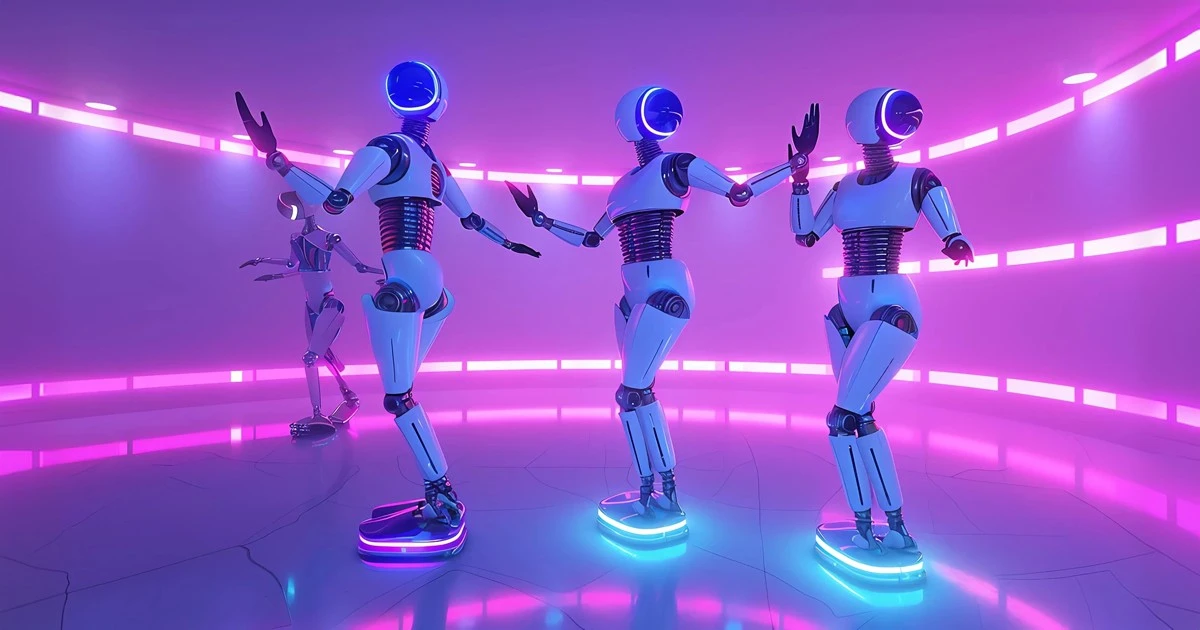
When government synchronizes machinery on a national stage, they manufacture belief alongside applause. The sudden prominence of these machines in a holiday broadcast reveals a deliberate fusion of state policy and pop culture. According to The Guardian, dancing humanoid robots took center stage on Monday, February 16, 2026, during the annual China Media Group’s Spring Festival Gala. This event signaled a shift in how technology leaders communicate power.
As reported by the Daily Dot, millions watched as humanoid robots developed by Unitree Robotics performed kung fu and executed backflips. Le Monde adds that these machines stole the show in the world’s most-watched TV program, captivating over 600 million viewers. The performance proved that humanoid robots have graduated from experimental labs to the spotlight. This broadcast aligns directly with a national push for smart manufacturing dominance. The applause from the audience validates the trillions of yuan poured into this high-stakes sector.
The Strategy Behind the Spectacle
Public spectacles often serve as the final validation step for aggressive industrial policy. The decision to feature humanoid robots alongside dancers and singers exposes the deep connection between Chinese industry and state media. Experts like Georg Stieler note that this uniqueness defines the Gala. The government uses entertainment to accelerate industrial goals.
The timeline proves this coordination. Engineers began preparing for the 2026 performance back in November 2025. By the time the curtain rose, the message was ready. Kyle Chan from the Brookings Institution argues that this strategy aims to dazzle a global audience. While AI models remain unseen inside servers, a robot doing a backflip offers tangible proof of leadership. This visibility acts as a receipt for the country's massive investment in the sector.
Building the Brand
Companies like Unitree, Magiclab, Galbot, and Noetix invested heavily to secure their place in history. These firms paid approximately $14 million (100 million yuan) for their slots in the gala. This financial commitment shows the extreme value placed on attention in the early market.
Reaching the Masses
The broadcast reached 677 million live viewers. Social media platforms recorded 13 billion hits related to the event. This exposure triggered an immediate consumer response. Searches for robots on JD.com jumped 300% after the show. The public interest fuels the narrative that humanoid robots are the next major consumer staple.
A Technical Leap Forward
We often mistake programmed agility for autonomous intelligence. The physical capabilities displayed on stage demonstrate a massive leap in motor control and hardware durability. The robots executed nonstop freestyle table-vaulting parkour and 10-foot aerial flips. One unit even performed a 7.5-rotation Airflare, a move that challenges elite human athletes.
These feats require advanced internal components. As Reuters reports, Unitree robots performed elaborate martial arts routines, demonstrating fault recovery and precise multi-robot coordination. According to CCTV, these robots executed difficult maneuvers like drunken boxing and backward obstacle avoidance while wielding swords and nunchucks. Engineers upgraded the machines with new dexterous hands and high-density motors. A cluster control platform allowed for millisecond synchronization between units. If a robot fell, fault recovery systems enabled it to stand back up instantly. Unitree engineers emphasize that these improvements come from training neural networks on stunt data. The goal is a fusion of traditional martial arts and modern engineering.
The Reality Gap in Manufacturing
A machine that performs perfectly in a controlled loop often fails in a disorderly room. While the gala showcased stability, experts warn against assuming these machines are ready for factory floors. Georg Stieler points out that stage routines differ vastly from industrial durability. A choreographed dance does not require the robot to perceive its environment or make decisions.
Environmental Perception
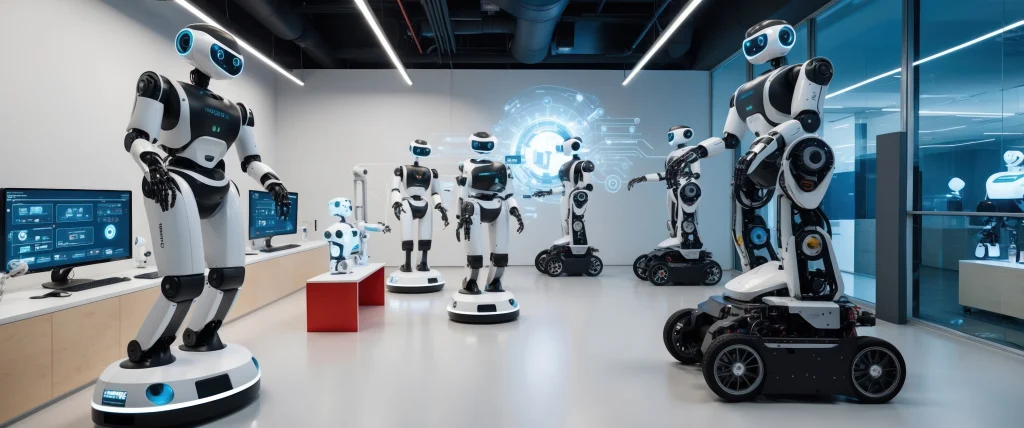
Real-world factories are unstructured and unpredictable. Robots rely on imitation learning to master specific tasks. However, this method struggles when variables change. Are humanoid robots ready for real work? They currently lack the adaptability needed for unstructured environments despite their impressive balance. The stability of joints on a flat stage does not guarantee success on a cluttered construction site.
Navigating Chaos
Supporting sources from Unitree contradict some of this skepticism. They claim the robots used Lidar-based localization for positioning during the show. The "drunken boxing" routine demonstrated real-time balance recovery. These algorithms intend to support future autonomous industrial coordination. The debate continues between the polished image and the gritty reality of deployment.
Financial Muscle Driving the Sector
Capital markets often signal the winner of a race before the participants even cross the finish line. The sheer volume of money flowing into China's robotics sector explains the rapid progress. By the end of 2024, the country registered 451,700 smart robotics companies. Total capital in the sector reached 6.44tn yuan ($932.16 billion).
This financial foundation supports the aggressive growth targets. Morgan Stanley projects a sales increase of over 100% in 2026. Forecasts suggest sales of humanoid robots will exceed 28,000 units by the end of the year. The gala served as a launchpad for this commercial expansion. Poe Zhao describes the robots as a "narrative bundle" combining AI, hardware supply chains, and manufacturing ambition.
Geopolitical Signals and Global Rivals
Technological dominance relies on visibility just as much as capability. The United States and China are locked in a race for supremacy in embodied AI. Ramesh Srinivasan from UCLA interprets the Beijing broadcast as a direct capability signal to US rivals. The message is that China leads in production scale.
The Times of India highlights that Elon Musk has recognized China as Tesla’s only real competitor in the humanoid robot market. He noted that China is significantly underestimated globally and possesses extreme competitor strength. As Tesla pivots toward embodied AI, the rivalry intensifies. Humanoid robots have become the physical avatars of this geopolitical tension. The immense scale of Chinese shipments—90% of the global market in 2025—reinforces this lead.
Inside the Control Systems
Coordination across hundreds of units requires a different brain than a single solo performer. The technology driving the gala went beyond simple remote control. Real-time multi-robot coordination relied on sophisticated cluster control platforms. This system ensured that dozens of units moved in perfect unison.
Lidar and Vision
The machines used Lidar processing to map their immediate surroundings on stage. This sensor data allowed them to maintain formation without colliding. While the environment was controlled, the sensor integration proves that the hardware is present.
Neural Network Training
Engineers trained the robots using neural networks fed with high-level stunt data. This approach allows the robot to learn difficult motor patterns. The "drunken boxing" segment highlighted this balance recovery capability. The machine adjusts its center of gravity in real-time to avoid falling, mimicking human reflexes.
Future Commercial Outlook
The move from prototype to mass production turns scientific marvels into commodities. The industry is shifting focus from low-cost assembly to high-end smart manufacturing. Humanoid robots represent the peak of this shift. The sheer number of registered firms indicates a crowded and competitive market.
Analysts expect the sector to grow rapidly. The forecast of 28,000 units sold in 2026 is just the beginning. Companies use these high-profile events to secure future contracts. What industries will use humanoid robots first? They will likely enter manufacturing and logistics sectors before moving into domestic homes. The attention garnered from the Spring Festival Gala acts as a critical resource for these early market movers.
Embodied AI Has Entered the Arena
A synchronized dance on television acts as a cover for a serious industrial offensive. The 2026 Spring Festival Gala successfully positioned humanoid robots as the new face of Chinese technological might. This event merged state propaganda with private sector innovation to send a clear signal of leadership. While questions remain about the adaptability of these machines in unstructured environments, the capital and political will behind them are undeniable. The world watched a show, but the industry saw a warning. The time of embodied AI has arrived, and it is moving fast.
Recently Added
Categories
- Arts And Humanities
- Blog
- Business And Management
- Criminology
- Education
- Environment And Conservation
- Farming And Animal Care
- Geopolitics
- Lifestyle And Beauty
- Medicine And Science
- Mental Health
- Nutrition And Diet
- Religion And Spirituality
- Social Care And Health
- Sport And Fitness
- Technology
- Uncategorized
- Videos

