
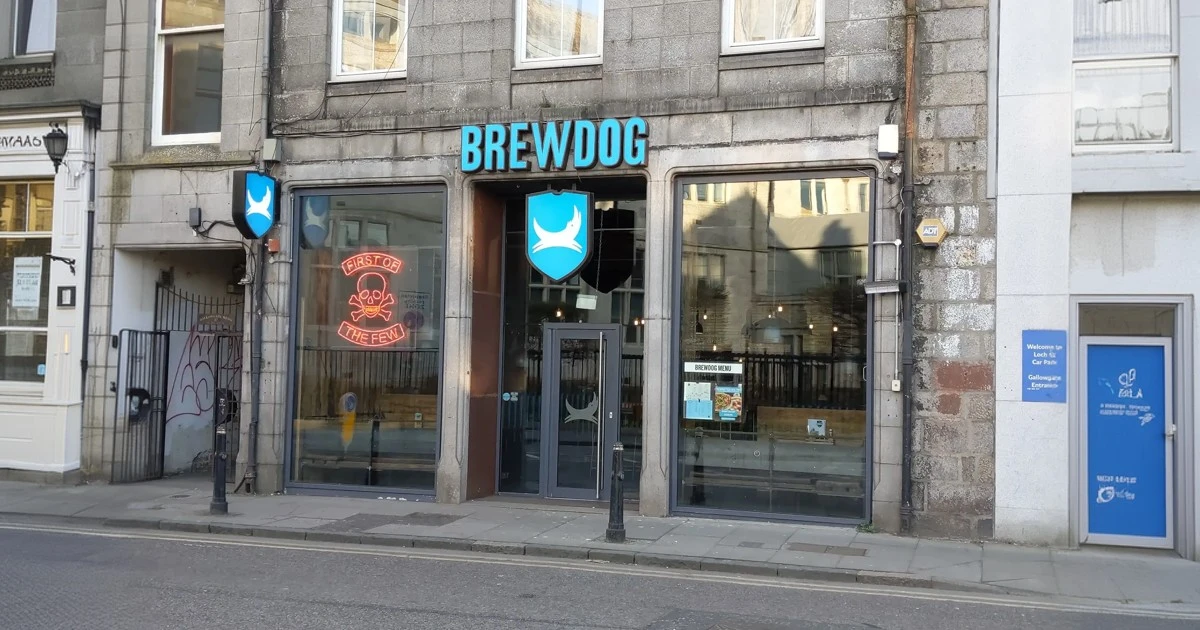
Image Credit - By UltrasonicMadness, Wikimedia Commons
How Equity for Punks Trapped 200,000 Fans
Buying a ticket to a revolution usually means expecting to share in the victory, rather than simply funding the war. Thousands of craft beer fans bought into a "maverick" ethos believing they were securing a financial future alongside a brand they loved. They poured money into a company that promised to upend the stuffy corporate world. But while they supported the mission with their wallets, a different set of rules quietly took over the boardroom. The people who paid for the rebellion now sit at the bottom of the financial pile, watching big institutional players stand first in line for the payout.
Equity for Punks started as a way to crowdfund a brewery, but it morphed into a lesson on the difference between emotional ownership and legal priority. Over 200,000 people invested, hoping for a stock market launch that would turn their small stakes into serious wealth. Instead, they face a reality where their shares may hold little to no value. The gap between the marketing pitch and the financial fine print has left a quarter of a million people wondering where their money went.
The Corporate Ladder Has a False Bottom
Equity for Punks investors thought they were buying the same class of ownership as the founders, but legal structures often protect big money at the expense of the crowd. The story began in 2007 in Fraserburgh, where James Watt and Martin Dickie founded BrewDog. According to BrewDog’s own Equity for Punks blog, they launched the scheme back in 2009 to give people a chance to join their community globally. This went beyond raising capital; they aimed to build a tribe. They sold the idea of a "punk" rebellion against mainstream brewing. For years, this strategy worked wonders. As reported by The Guardian, they raised £75 million across seven rounds from about 220,000 ordinary people who loved the beer and the attitude.
However, the arrival of TSG Consumer Partners in 2017 changed the playing field. This private equity firm bought a 22% stake for £213 million. On the surface, this looked like a victory for the brand. It validated the company's worth. But beneath the headlines, the deal introduced a strict hierarchy. BrewDog’s own securities prospectus confirms that TSG acquired "preference shares," meaning they hold liquidation priority over the Class A and B shares held by founders and the crowd. Analysts cited by The Guardian estimate that TSG can claim up to £800 million from any sale before ordinary shareholders see a single penny.
The crowd investors hold "ordinary shares." In the event of a sale, they only get paid after all debts and preference shares are covered. If the sale price isn't high enough to cover TSG's priority claim, the ordinary shareholders get nothing. This structural reality turns the "punk" investors into unsecured creditors of their own movement.
From Unicorn Ambitions to Dead Assets
A company’s value on paper means nothing if you cannot sell your slice of it. For a long time, the ambition was a massive Initial Public Offering (IPO). Investors like Richard Fisher put in significant sums—£12,000 in his case—believing BrewDog would follow the trajectory of tech giants like Google or Tesla. The company fueled these hopes. They talked about listing on the stock market, where shares could be traded freely and liquidity would flow.
Is equity for punks worth anything?
Most shares have lost significant value since the 2021 peak, with recent valuations dropping from over £25 to around £6.50. The valuation hit a dizzying high in 2021. At that point, the company was valued at roughly £2 billion, and shares were priced at £25.15 each. But markets shift. By 2022, the internal trading platform for shares closed. The valuation collapsed to less than £520 million, dropping the share price to about £6.50. For investors who bought in at the high, their holdings effectively became value-less. The asset has been "dead" for years because there is no way to sell it and no clear path to a public listing anymore.
The Conflict of Interest at the Top
Founders often secure their own fortunes long before their community sees a return. While the crowd waits for a payday that might never come, the leadership has already cashed in. Reports suggest James Watt made approximately £50 million during the initial deal with TSG. He secured his wealth when the valuation was climbing. Meanwhile, the small investors kept pouring money in, driven by the excitement of the brand.

Image Credit - By Jeremy Segrott, Wikimedia Commons
Did James watt make money from Brewdog?
James Watt reportedly made around £50 million during the initial deal with TSG Consumer Partners while crowdfunding continued. This creates a sharp divide. The "Captain" of the ship has already taken a lifeboat to shore, while the passengers remain on board navigating choppy waters. Watt has been rumored to be preparing a buyback bid, but the terms remain unclear. Some forum users have expressed deep disdain, suggesting any buyback should prioritize repaying the "wasted investments" of the crowd first. The tension is palpable at Annual General Meetings (AGMs), where investors like Richard Brooks now vote against Watt purely for personal satisfaction. He views his vote as the only compensation left for his financial loss.
The Perks vs. ROI Trap
Discounts and parties can distract investors from the hard truth that they are losing capital. BrewDog perfected the art of non-financial rewards. Investors received invites to massive AGMs, free birthday beers, and discounts at BrewDog bars. For a typical investor putting in £500, these perks felt like a solid return. If you drink enough beer, the discount seems to pay for the share.
But for those who treated Equity for Punks as a serious investment vehicle, the math does not work. Richard Fisher points out that perks do not equal Return on Investment (ROI) when you have thousands of pounds at stake. Furthermore, the value of the discount itself has eroded. Supermarkets now sell BrewDog products at prices that often match or beat the shareholder "discount" available at bars or online.
Can Brewdog investors sell their shares?
Trading is currently difficult because the internal trading platform closed in 2022 and no public listing exists yet. Chris Huish, another investor, noted that the utility of the discount diminishes when you can buy the same product cheaper at the local grocery store. The "exclusive" benefit is no longer exclusive. The perks served as a way to keep investors engaged and spending money within the brand's ecosystem, effectively clawing back the capital the company had just raised.
Broken Promises and Locked Gates
When communication stops, trust evaporates faster than money. The closure of the "Equity for Punks" scheme to new investors in 2021 marked the end of that chapter. Then came the shutdown of the internal trading day in 2022. Since then, the silence from headquarters has been deafening for many. Forum users complain about learning major news—like the hiring of consultants—through the media rather than direct updates.
The company is currently undergoing a strategic review. They have engaged AlixPartners, a consulting firm often brought in to handle restructuring or sales preparation. This move signals that the "maverick" days are over. The company is tightening its belt. In January 2026, The Spirits Business reported that the distillery closed, and production of brands like Lonewolf Gin and Abstrakt Vodka ceased. Prior to that, in July 2025, ten UK locations shut their doors.
These operational cuts aim to return the business to profitability. Recent financials from June 2025 show a £7.5m pre-tax profit, a significant turnaround from a prior £37m loss. However, for the investor stuck with illiquid shares, corporate profitability does not immediately translate to personal gain. They remain locked out, waiting for a sale that might clear their equity entirely to pay off the priority debt.
The Moral Dilemma of Selling Out
Investors sometimes hold onto losing assets simply because passing them on feels wrong. The collapse in value has created a unique ethical problem. Some investors, like Phil Halsey, realized they missed the exit window 18 months ago. He now feels that selling his shares would be unethical because he knows they hold almost zero value. He refuses to offload "worthless" stock onto someone else.
This sentiment is common among the community. The "punk" ethos attracted people who cared about fairness. Now, those same people are stuck holding the bag because they refuse to scam the next person in line. They are trapped not just by market forces, but by their own moral code. They accept the loss rather than perpetuate the cycle.
Meanwhile, the company explores options. A full sale is on the table, but so is a break-up of the company. The bars, the brewery, and the brand could be sold separately. In a break-up scenario, the complication of the "preference shares" vs "ordinary shares" becomes even more critical. If the assets are sold piecemeal, the proceeds will likely flow to TSG first, leaving the crumbs—if any—for the crowd.
Equity for Punks Facing the End Game
A rebellion eventually has to pay its bills, and the bill collectors do not care about the cause. As of February 19, 2026, BrewDog sits at a crossroads. James Taylor took over as CEO in March 2025, following a brief stint by James Arrow after Watt stepped down. Taylor says operations are continuing unchanged, but the presence of AlixPartners suggests otherwise. The company is dressing itself up for a sale.
The crowd of 220,000 investors watches from the sidelines. They have moved from being the celebrated "punks" who built the brand to being a line item on a balance sheet. The structure of the deal with TSG ensures that the big money gets out safe. The crowd provided the runway for the company to take off, but they may not be on the plane when it lands.
The Cost of Believing
Belief is a powerful currency, but it does not spend on the stock market. Equity for Punks demonstrated that a massive global brand can rise on community support, yet it also showed that finance typically beats fandom. The priority structures built into the company's deals meant that the risks were socialized among the crowd while the security was privatized for the institutional backers.
As the company prepares for a potential sale or restructuring in 2026, the lesson is clear. The "punk" revolution disrupted the beer industry, but it played by the oldest rule in the book: read the fine print. For the thousands who invested their hearts and their savings, the beer might still taste good, but the aftertaste of the investment is bitter. They bought a ticket to the moon, but they are still waiting on the launchpad, watching the flight crew count the cash.
Recently Added
Categories
- Arts And Humanities
- Blog
- Business And Management
- Criminology
- Education
- Environment And Conservation
- Farming And Animal Care
- Geopolitics
- Lifestyle And Beauty
- Medicine And Science
- Mental Health
- Nutrition And Diet
- Religion And Spirituality
- Social Care And Health
- Sport And Fitness
- Technology
- Uncategorized
- Videos

