
Reset Your Brain: Why Sleep Psychiatry Is Essential
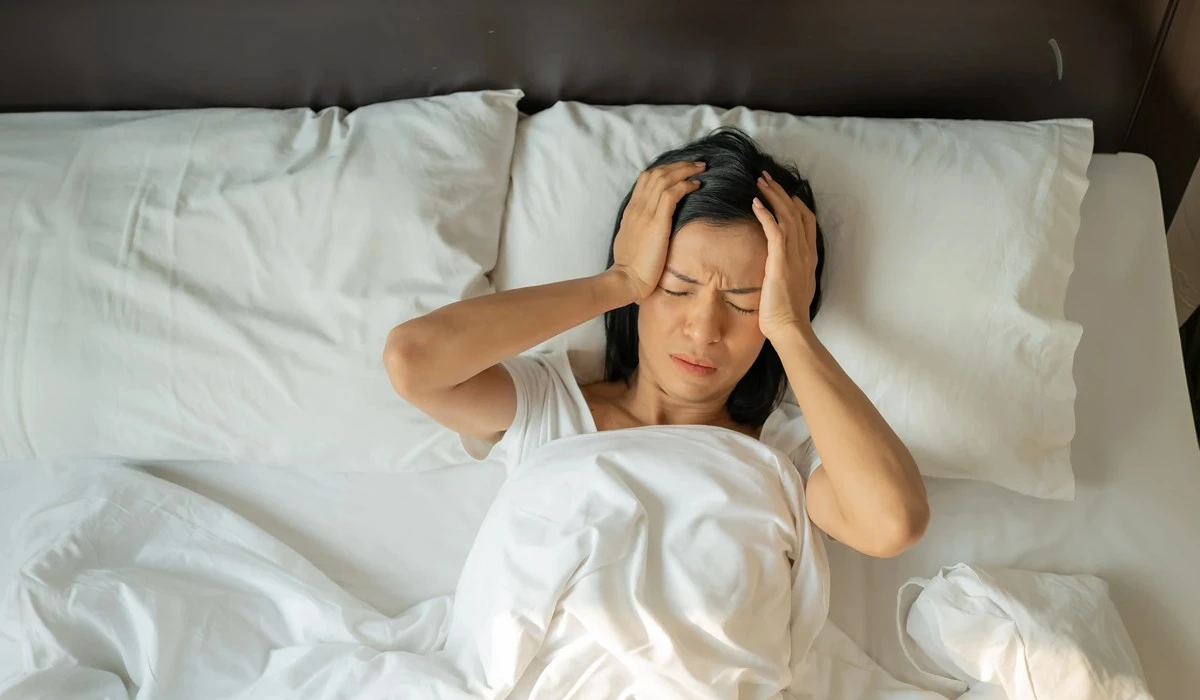
The sun goes down, and your heart begins to race. While the rest of the world prepares to rest, your brain prepares for a fight. You feel "wired but tired," a state where your body demands sleep but your mind refuses to surrender. This happens because your brain views the darkness of your bedroom as a threat. It treats your bed like a battlefield.
When you experience trauma, your internal alarm system breaks. It stays stuck in the "on" position long after the danger passes. You try every standard tip, from avoiding screens to drinking herbal tea, but nothing works. Basic fixes fail to address biological nervous system changes, requiring a specialized medical approach rather than just a routine. Sleep Psychiatry addresses this specific intersection of mental health and rest. Sleep Psychiatry offers a way to dismantle the biological barriers to sleep through its focus on how trauma alters the brain.
Beyond Nightmares: Why Sleep Psychiatry is the Missing Link
Standard sleep advice often feels insulting to a trauma survivor. A person struggling with insomnia in psychiatry cannot simply "relax" their way into a deep sleep. Their brain has learned that staying awake is a survival skill. If you stay awake, you can hear a door creak or a floorboard snap. If you sleep, you are vulnerable.
This state of high alert creates a rift between the body's need for recovery and the mind's need for safety. Sleep Psychiatry recognizes that your insomnia is a physiological defense rather than a lack of willpower. Instead of a generic sedative, a specialist examines how your trauma history dictates your nightly patterns.
Understanding the "Always On" Nervous System
According to research published in PubMed, the sympathetic nervous system, which manages "fight or flight" responses, shows increased activation and higher heart rates during sleep in those with chronic insomnia. In someone with trauma-induced insomnia, this system stays active. This creates "nocturnal hypervigilance," where your ears strain for sounds and your muscles stay tense.
Ironically, your brain thinks it is doing you a favor by keeping you awake. Does trauma cause permanent insomnia? A study found in PMC4450835 notes that after a trauma, sleep issues like nightmares and broken REM cycles can predict if a person will later develop PTSD symptoms. However, these changes are not permanent; through the right clinical intervention, the brain can relearn how to enter deep, restorative stages of sleep. A specialist in Sleep Psychiatry uses this knowledge to help you move from survival mode back into a rest state.
The Biological Connection Between Trauma and Sleep
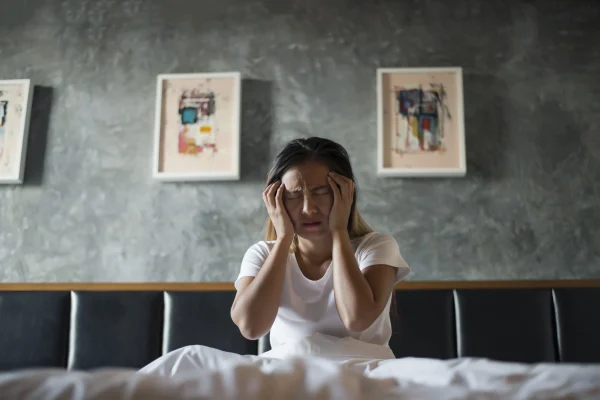
Trauma changes the chemistry of your brain. It alters how you produce hormones like cortisol and adrenaline. As detailed in PMC7747941, cortisol levels usually show strong daily fluctuations, reaching their highest point in the early morning and dropping to their lowest before sleep. In a traumatized brain, research discussed in PMC10264829 suggests that this cycle often flattens, with stress hormones failing to drop properly throughout the day. You might feel a surge of energy at 10 PM because your body is pumping out stress hormones at the wrong time.
This chemical imbalance makes insomnia in psychiatry much more complicated to treat than standard sleeplessness. Your brain's "prefrontal brake" fails to regulate your amygdala, which is the emotional fire alarm of the brain. When this brake fails, the alarm rings all night long. This prevents you from reaching the deep, slow-wave sleep your body needs to repair itself.
Cortisol, Adrenaline, and the Broken Sleep Cycle
Work published in PMC4096196 provides evidence that trauma causes broken REM sleep continuity. High levels of nocturnal cortisol prevent the release of melatonin. Without melatonin, your body never receives the signal that it is time to shut down. This creates a state of "REM fragmentation." You might fall asleep, but you wake up every hour. Each wake-up resets your sleep cycle, meaning you never spend enough time in the restorative phases of rest.
A paper on ResearchGate adds that this fragmentation in PTSD patients causes arousals during REM that interfere with the way the brain handles emotional distress. This process normally happens during REM sleep to remove the painful emotional sting from your memories. When insomnia in psychiatry blocks this process, your traumatic memories stay fresh and painful. You wake up feeling just as distressed as when you went to bed.
Identifying the Specific Patterns of Insomnia in Psychiatry
Not all insomnia looks the same. For some, the struggle is falling asleep. For others, the struggle is staying asleep after a nightmare. Recognizing your specific pattern helps a doctor create a better treatment plan. Trauma survivors often experience "sleep reactivity," which means their sleep breaks down immediately whenever they face a new stressor.
If you struggle with insomnia in psychiatry, you might find yourself pacing the house at 3 AM. This is a clinical condition where your brain associates the night with danger rather than just "bad sleep." Identifying these causes is the first step toward reclaiming your night.
Distinguishing Night Terrors from Bedtime Anxiety
Night terrors and nightmares are different experiences. A nightmare is a bad dream you remember. A night terror often involves physical thrashing or screaming without a clear memory of the dream. Both disrupt your sleep, but they require different psychiatric approaches.
Bedtime anxiety is the fear of the sleep process itself. You might worry about having a nightmare, so you subconsciously force yourself to stay awake. Can a psychiatrist help with sleep issues? Yes, because sleep and mental health are bi-directionally linked, a psychiatrist can treat the base emotional disorder while simultaneously stabilizing the sleep-wake cycle. Addressing both the fear and the physical sleep loss is essential for recovery.
How Sleep Psychiatry Resets the Traumatized Brain
Recovery requires a two-pronged attack. You must treat the brain's chemistry and its behavior at the same time. Sleep Psychiatry uses specific tools to calm the nervous system so therapy can actually work. If you are too exhausted to think, you are too exhausted to heal from trauma.
Specialists often look at the "Flip-Flop Switch" in your brain. This switch should clearly choose between "awake" and "asleep." Trauma makes this switch "leaky," leaving you in a gray zone where you are never fully alert during the day and never fully asleep at night. Sleep Psychiatry aims to sharpen this switch.
The Role of Targeted Pharmacotherapy
Standard sleeping pills often fail trauma survivors. They might knock you out, but they often suppress REM sleep, which you need for emotional processing. As reported in Psychiatry Investigation, the medication Prazosin helps by blocking adrenaline's effects, which significantly decreases the frequency and strength of trauma-related nightmares. Adrenaline blockage at night allows the brain to stay in deep sleep longer. Other medications might target the "orexin" system, which controls wakefulness, rather than just forcing sedation. This specific approach helps restore a natural sleep-wake rhythm.
Specialized Behavioral Protocols
Behavioral changes must be trauma-informed. A standard "sleep hygiene" list might tell you to keep the room dark. However, for a trauma survivor, a dark room might feel dangerous. Sleep Psychiatry adapts these rules to your needs.
You might need a dim light or a specific sound machine to feel safe. The goal is to create a "safety association" with your bed. Guidelines from Sleep Health Solutions Ohio recommend that if you cannot fall asleep within 15 to 20 minutes, you should leave the bed to ensure your brain associates that space with rest rather than wakefulness. Leaving the room after 20 minutes of wakefulness breaks this negative connection.
Targeted Therapies for Insomnia in Psychiatry
Therapy for insomnia in psychiatry goes beyond standard talk therapy. It uses structured protocols to retrain the brain's response to the night. According to the American College of Physicians, Cognitive Behavioral Therapy for Insomnia (CBT-I) is the recommended first-line treatment for adults dealing with long-term sleep issues. When adapted for trauma, it becomes a powerful way to end the cycle of hypervigilance.
Another important tool is Imagery Rehearsal Therapy (IRT). This technique helps you "rewrite" your nightmares. During the day, you sit with a therapist and change the ending of a recurring bad dream to something neutral or positive. Practice of this new version while awake helps your brain learn to play the new "script" while you sleep.
The Power of CBT-I Adapted for Trauma
CBT-I for trauma survivors involves more than just changing thoughts; it also includes managing the physical "startle response." How do you treat insomnia from PTSD? Treatment typically involves a "dual-track" approach that uses trauma-informed therapy to process the event while using sleep-restriction or stimulus-control techniques to rebuild sleep drive.
A study in PMC10002474 explains that sleep restriction therapy is effective because it strengthens the homeostatic sleep drive. Slightly limiting the time you spend in bed helps your body's natural need for sleep become stronger than its fear of the night. Over time, the physical urge to sleep overrides the brain's desire to stay on guard. This is a core approach within Sleep Psychiatry.
Moving from Hypervigilance to Restorative Rest
Restorative rest is the ultimate goal. This is sleep that actually makes you feel refreshed. For a survivor, this feels like a miracle. When you sleep deeply, your brain can finally process the events of your life. This makes your daytime therapy much more effective because a rested brain is more flexible and less reactive.
As you heal, your "sleep reactivity" decreases. Small stresses no longer ruin your entire week of rest. You begin to trust your body again. This trust is the basis of long-term mental health recovery. Sleep Psychiatry principles allow you to move from a state of constant survival to a state of true living.
Rebuilding the "Safety Association" with Your Bedroom
You must reclaim your physical space. This might involve changing the layout of your room or adding security features that help you feel protected. If you feel safer with a heavy weighted blanket, use one. The sensory input can ground your nervous system and signal to your brain that the "danger" is in the past.
The Long-Term Gains of Stabilized Sleep
Stable sleep improves your "executive function." This is the part of your brain that helps you make decisions and control your impulses. Sleep deprivation significantly affects how people regulate emotions, resulting in higher reactivity and less control over impulses, according to PMC12168795. Fixing your sleep allows you to regain control over your daytime emotions. This reduces the risk of relapse and helps you maintain healthier relationships.
Reclaiming Your Life through Sleep Psychiatry
Trauma may have rewritten your past, but it does not have to dictate your nights. Chronic insomnia in psychiatry is a heavy burden, but it is one you can set down. You do not have to settle for "getting by" on four hours of broken sleep. Specialized care can help you rebuild your relationship with rest.
Addressing the biological and psychological roots of your sleeplessness reveals a new level of healing. Sleep Psychiatry provides the tools to quiet the alarm system in your brain. Seeking out a specialist who understands both the mind and the sleep cycle is a massive step toward recovery. You deserve a night that offers peace instead of a struggle. Your path toward rest begins when you recognize that your brain can, and will, learn to feel safe again through the clinical support of Sleep Psychiatry.
Recently Added
Categories
- Arts And Humanities
- Blog
- Business And Management
- Criminology
- Education
- Environment And Conservation
- Farming And Animal Care
- Geopolitics
- Lifestyle And Beauty
- Medicine And Science
- Mental Health
- Nutrition And Diet
- Religion And Spirituality
- Social Care And Health
- Sport And Fitness
- Technology
- Uncategorized
- Videos

