

Stop Adult Acne: Cortisol Control and Beauty Tips
You wake up, look in the mirror, and see a fresh breakout. Because you are thirty rather than thirteen, it feels like a cruel joke. You buy the strongest creams and wash your face twice a day, but the red bumps keep coming back. Your skin actually listens to your brain. Every time you feel overwhelmed at work or lose sleep, your body sends a specific chemical signal to your face. This signal tells your oil glands to flood your pores with thick grease.
While many people treat acne as a hygiene issue, research published in the International Journal of Molecular Sciences indicates that your skin acts like a peripheral brain. The study explains that both the brain and the skin share a common biological origin, as both derive from the same ectodermal layer during embryonic development. When your mind feels pressure, your skin feels the heat. This internal alarm system creates a direct path for blemishes to form, regardless of how often you scrub your face. Managing Cortisol Control and Beauty means you stop fighting your reflection and start managing your internal environment. You can finally break the cycle of adult breakouts as you quiet the alarms inside your body.
Why Cortisol Control and Beauty is the key to clear skin
Your skin houses its own version of a stress center. While your brain manages the big picture, your skin cells handle local emergencies. These cells contain specific receptors that wait for stress signals. When life gets heavy, your body releases corticotropin-releasing hormone (CRH). As noted in a study in PMC, this hormone functions as a primary control for oil glands. It is present in human sebocytes and has been shown to increase the creation of skin lipids.
This process leads to deep, painful cystic acne that feels impossible to treat with soaps. Your skin also creates its own stress hormones independently of your brain, which is an ironic situation. This means even a small local irritation can cause a large oil surge. Does stress cause acne breakouts? High levels of the hormone cortisol cause your oil glands to go into overdrive, which clogs pores and leads to inflammatory breakouts. Focusing on Cortisol Control and Beauty prevents these internal switches from flipping in the first place.
The science of sebum and stress
Your oil glands respond to stress by growing larger and more active. This situation involves more than just having oily skin. Stress hormones actually change the chemical makeup of your sebum. It becomes stickier and thicker. This sludge traps dead skin cells inside your pores, creating a perfect home for bacteria.
Furthermore, research in the Journal of Clinical Endocrinology and Metabolism suggests that stress increases the activity of an enzyme called 3β-hydroxysteroid dehydrogenase. The research found that stress hormones upregulate this enzyme's mRNA levels, which converts weak hormones into strong androgens directly within the skin tissue. These androgens drive your oil production even higher. You end up with "hormonal acne" even if your blood tests show normal levels. Your skin is simply overreacting to the pressure of daily life.
Understanding the long-term stress hormone effects on your complexion

Chronic stress causes a single pimple and also slowly destroys the walls that protect your face from the world. Research in Archives of Dermatology suggests that when you experience long-term stress, your skin loses its capacity to stay hydrated. The study indicated that both sleep deprivation and psychosocial pressure disrupt the natural balance of the skin barrier. High cortisol levels stop your body from making essential fats like ceramides and cholesterol. These fats act as the mortar between your skin cells. Without them, your moisture evaporates, and irritants move in.
This weakened state creates a playground for C. acnes bacteria. Normally, your skin produces its own natural antibiotics called cathelicidins. As reported in PubMed, stress shuts these defenses down by suppressing the antimicrobial peptide cathelicidin. The research indicates that this suppression leaves the skin more susceptible to infections such as S. aureus. Every minor clog turns into a red, angry welt because your immune system is too distracted to fight back effectively.
Inflammation and the skin barrier
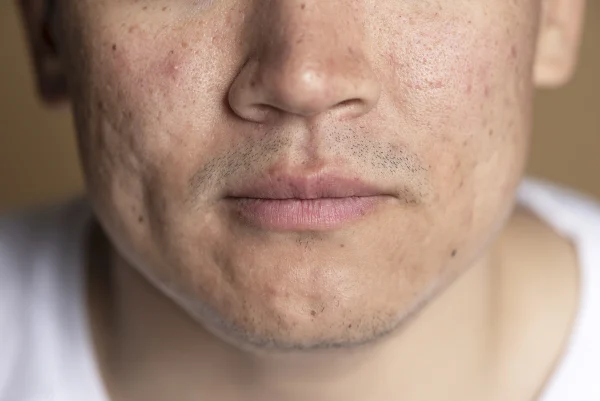
A healthy barrier keeps your face calm and smooth. Research in the Journal of Investigative Dermatology shows that when stress occurs, the body releases a surge of pro-inflammatory chemicals called cytokines. These include Interleukin-1 and Tumor Necrosis Factor-alpha, which increase during high-pressure situations. These chemicals turn a tiny pore blockage into a full-scale war zone. You see this as redness, swelling, and heat.
The damage goes deeper than the surface. Stress prevents your skin from producing lamellar bodies. These small organelles deliver the lipids that keep your skin’s pH balanced. When your pH shifts, your skin becomes a magnet for harmful microbes. You cannot fix this with a heavy moisturizer. You must lower the internal heat to let your barrier rebuild itself.
Delayed wound healing
Have you noticed that a single spot now takes weeks to fade? High levels of stress hormones slow down your skin's repair speed by up to 40%. Your body prioritizes survival over aesthetic work like healing a blemish. This means the red marks left behind by acne stay visible for much longer.
These marks often lead to dark spots because stress causes excess pigment production. Your skin stays in a state of "neurogenic inflammation." As detailed in PubMed, your nerve endings release a substance called Substance P. Research using specialized staining found that nerve fibers containing this substance are positioned directly next to the oil glands. This constant irritation prevents the dermis from closing wounds properly, leading to a cycle of permanent marks and fresh bumps.
How to prevent cortisol skin aging while treating active breakouts
Adult acne often arrives at the same time as fine lines. This happens because the same hormone that causes pimples also eats your collagen. We call this process cortisol skin aging. As noted in a study in PMC, your body stops producing new collagen altogether when cortisol levels remain high. The researchers found that cortisol exposure reduces the expression of Type I collagen within human skin cells.
While you worry about a breakout, the stress from that worry actually accelerates the aging process. It creates a double burden for your skin. You are fighting teenage problems and elderly problems at the same time. Can cortisol make your skin look older? Yes, because chronic elevation of this hormone breaks down collagen and elastin, leading to fine lines and sagging alongside adult acne.
The collagen-breakdown connection
Collagen gives your skin its bounce. When cortisol levels stay high, your body stops making new collagen altogether. It enters a "catabolic" state where it breaks down more than it builds. Your fibroblasts, the cells that build skin structure, actually go to sleep.
This lack of repair leads to thinning skin. Thin skin cannot hold onto moisture and sags more easily. Thin skin also makes acne look more obvious. You lose the cushion that normally hides minor imperfections. Stress management protects the structural proteins that keep you looking young and clear.
Sugar and the aging process
According to research published in the International Journal of Molecular Sciences, stress also raises blood sugar, which binds to skin proteins through a non-enzymatic process known as glycation. This reaction creates "Advanced Glycation End-products" or AGEs. The study notes that these molecules gradually cause collagen to brown and skin to turn yellow, turning flexible fibers into something brittle.
This process makes your skin look dull and tired. It also makes your pores look larger because the skin around them lacks the strength to stay tight. You see this as a "deflated" look. Combatting cortisol skin aging requires you to stabilize your blood sugar and lower your internal stress levels simultaneously.
Nutritional strategies for better Cortisol Control and Beauty
What you eat determines how your body handles pressure. Certain foods act as a buffer between your life and your face. To achieve true Cortisol Control and Beauty, you must focus on minerals that calm the nervous system. Magnesium serves as the guardian for your stress response. If you lack magnesium, your adrenal glands pump out cortisol at the slightest provocation.
Adding zinc to your diet also helps significantly. Zinc acts as a natural blocker for the hormones that cause oily skin. It helps your body heal the wounds left behind by acne. Think of your diet as a toolkit for your hormones. Every meal either fans the flames of inflammation or helps put them out.
Blood sugar spikes and the androgen connection
Eating high-sugar foods causes your insulin to spike. This spike tells your body to produce more androgens. As we discussed, these androgens are the primary cause of adult acne. You end up in a loop where stress makes you crave sugar, and sugar makes your acne worse.
Choosing slow-digesting carbohydrates and fiber breaks this cycle. These keep your energy steady and your hormones quiet. When your blood sugar stays level, your cortisol levels follow suit. This creates a stable environment where your skin can finally clear up.
Anti-inflammatory superfoods
Fatty fish like salmon provide essential omega-3 fatty acids. These fats directly reduce the production of inflammatory chemicals in your skin. They also help repair the moisture barrier that stress destroys. Leafy greens provide the antioxidants needed to fight the "cytokine storm" caused by daily pressure.
Include adaptogenic herbs like Ashwagandha in your routine. Research shows that specific forms of this herb can lower cortisol by nearly 30%. This is a significant win for your skin. It lowers the "stress floor" of your entire body, making it much harder for a bad day to turn into a bad breakout.
Daily lifestyle shifts for lasting Cortisol Control and Beauty
Your daily habits determine your baseline stress. Most people think they need to work harder to look better. You might actually need to slow down. High-intensity workouts can sometimes backfire. If you are already stressed, a grueling hour of cardio might push your cortisol through the roof.
Focus on movement that feels restorative. Walking in nature or practicing gentle yoga can lower your heart rate and your hormone levels. This doesn't mean you stop exercising. Instead, you choose the right intensity for your current state. Balance is the ultimate goal of Cortisol Control and Beauty.
The "Goldilocks" approach to exercise
Heavy weightlifting or sprinting can be great for some. However, if you are currently battling "stress acne," these activities might keep your face inflamed. Your body cannot tell the difference between a deadline at work and a sprint on the treadmill. Both feel like a crisis.
Moderate activity should be the focus until your skin clears. This allows your body to process the stress hormones already in your system without adding more. Once your skin stabilizes, you can slowly reintroduce higher intensity. Listen to your face; it usually tells you when you've pushed too hard.
Mindfulness and the Vagus nerve
How can I lower my cortisol for better skin? A study published in the Journal of Clinical Medicine indicates that deep breathing exercises stimulate your Vagus nerve. Diaphragmatic breathing sends signals to the brain that activate the relaxation response of the parasympathetic nervous system. Consistent sleep habits and daily mindfulness can lower your baseline stress levels, preventing the hormonal spikes that lead to flare-ups.
Even five minutes of deep breathing can change your skin’s chemistry. It improves blood flow to your face, bringing in fresh oxygen and nutrients. This helps flush out the metabolic waste products that gather during high-stress periods. It is the simplest and most affordable beauty treatment available.
Targeted skincare to mitigate stress hormone effects
While internal work is vital, your topical products must support your goals. Avoid harsh scrubs that damage your already fragile barrier. When dealing with stress hormone effects, your skin needs soothing rather than stripping. Look for ingredients that talk back to your skin cells and tell them to relax.
Niacinamide is an effective ingredient for stressed skin. It helps rebuild the lipid barrier and calms redness almost immediately. It also regulates oil production without drying you out. This makes it the ideal ingredient for the adult who still struggles with the occasional pimple.
Niacinamide and barrier repair
A strong barrier is your best defense against bacteria. Niacinamide increases the production of ceramides in your skin. This fills the gaps in your "cellular mortar" and keeps your hydration locked in. It also reduces the effect of environmental pollutants that cause stress responses in the skin.
Maintaining a strong surface prevents external factors from reaching your sensitive nerve endings. This reduces the overall inflammation in your face. Viewing it as a thin layer of armor against the world helps. It allows your skin to focus on healing rather than defending itself.
The role of adaptogens in skincare
The same herbs you eat are now appearing in serums. Ingredients like Reishi mushroom and Rhodiola Rosea work topically to block stress signals. They act as "antagonists" to the receptors in your skin that catch cortisol. This prevents the stress signal from reaching your oil glands.
Using these ingredients creates a calm environment on the surface. They help reduce the "stress flush" and sensitivity that often accompany a busy lifestyle. Combining topical adaptogens with internal management allows you to address the problem from both sides.
Long-term habits to reverse cortisol skin aging
Consistency is the only way to reverse the damage of the past. To stop cortisol skin aging, you must prioritize recovery. Your body does its most important repair work while you sleep. During the REM cycle, your skin increases its production of growth hormones and repairs broken collagen.
If you skip sleep, you skip the only time your skin has to fix itself. You wake up with higher cortisol and lower repair capacity. Over time, this leads to the permanent loss of elasticity. Protect your sleep as if your complexion depends on it—because it does.
The power of restorative sleep
The term "beauty sleep" refers to a biological reality. During deep sleep, blood flow to the skin increases. This allows for the repair of damage caused by UV rays and stress hormone effects. Your body also uses this time to clear out toxins through the lymphatic system.
When you do not get enough rest, your skin stays in a state of emergency. This prevents the "Transforming Growth Factor-beta" pathway from working. This pathway is the primary signal for building new skin. If you sleep seven to nine hours, you give your body the green light to build a smoother, firmer face.
Hydration and lymphatic drainage
Stress makes your body hold onto fluid in all the wrong places. This causes the "puffy" look many people get when they are overworked. To combat cortisol skin aging, you need to move that fluid. Drinking plenty of water helps, but you also need physical movement.
Gently massaging your face can help drain the lymph nodes around your jaw and neck. This removes the waste products that make your skin look dull and gray. It also lowers the pressure in your facial tissues, allowing for better nutrient delivery. A clear path for fluids leads to a clearer path for your glow.
Achieving your glow with Cortisol Control and Beauty
Clear skin is not a mystery or a matter of luck. It is the result of how you treat your internal system and your external barrier. When you prioritize Cortisol Control and Beauty, you address the root cause of adult acne and premature aging. You stop the internal alarms that drive oil production and collagen loss.
Your path to better skin starts with small, daily choices. Choose a calming tea rather than an extra coffee. Take five minutes to breathe deeply before a big meeting. Invest in skincare that builds your barrier rather than tearing it down. These habits add up to a complexion that looks vibrant, rested, and clear. You have the power to change how your skin responds to the world. Start today, and let your internal calm become your external radiance.
Recently Added
Categories
- Arts And Humanities
- Blog
- Business And Management
- Criminology
- Education
- Environment And Conservation
- Farming And Animal Care
- Geopolitics
- Lifestyle And Beauty
- Medicine And Science
- Mental Health
- Nutrition And Diet
- Religion And Spirituality
- Social Care And Health
- Sport And Fitness
- Technology
- Uncategorized
- Videos