

Successful Aging Secrets For The Modern Senior
Most people treat their birthdays like a countdown to a breakdown. They watch their parents and assume their own joints or memory will inevitably fail by seventy. They believe their DNA holds all the cards. This belief actually speeds up the very decline they fear. When you stop challenging your body, your cells assume you no longer need high performance. They stop maintaining the systems that keep you sharp and strong. You can choose how your body responds to the passing years. Using specific aging resilience methods trains your biology to stay durable. This practice turns the aging process into a path of proficiency. Moving past basic survival and focusing on quality of life allows you to achieve Successful Aging.
Redefining Successful Aging for Modern Times
According to a report in Science, John Rowe and Robert Kahn altered our understanding of longevity in 1987. They shifted the focus from merely avoiding disease to maintaining high physical and cognitive function by making a distinction between normal aging and successful aging. Before their work, doctors viewed aging as an unavoidable slide into disability. Now, we recognize that lifestyle choices drive the vast majority of our health outcomes. Active optimization replaces the old idea of passive decline. You build health through deliberate actions rather than hoping for good luck.
People often ask, "What is the secret to successful aging?" Research published in PMC4822264 indicates that the secret lies in a combination of genetic factors (25%) and lifestyle choices (75%) that prioritize cellular health and mental flexibility. You possess far more control over your future than most experts once believed. Choosing high-performance habits separates you from "usual aging," which involves lifestyle-exacerbated decline. You essentially choose which version of your future self you want to become. This proactive approach ensures that your later years remain as vibrant as your youth.
The Biological Foundation of Successful Aging
According to ScienceDirect, biological age often differs from the number on your birth certificate because biological aging involves the actual decline of tissues, while chronological age merely tracks time. A study in PubMed describes how Dr. Steve Horvath created the Horvath Clock to measure this gap through the analysis of DNA methylation. This tool shows how fast your cells are actually wearing out. High-performing individuals often maintain a biological age five years younger than their chronological age. A focus on the basic markers of vitality helps them achieve this.
Metabolic Health and Nutrient Density
As detailed in PMC3836174, scientists identified nine hallmarks of aging that determine your daily energy and long-term health, including factors like telomere attrition and mitochondrial dysfunction. Supplying your cells with high-quality fuel helps combat these issues. Nutrients act as the raw materials for cellular repair. Prioritizing nutrient density gives your mitochondria the energy to clear out cellular waste. This process keeps your metabolism running like a younger person's system.
Sarcopenia Prevention and Functional Strength
Muscle acts as your primary longevity currency. Research in PMC7874106 notes that as you age, you face a challenge called "anabolic resistance," where the body resists the muscle-building effects of your diet. The study suggests countering this loss with specific aging resilience methods, such as utilizing a "leucine trigger" to start the muscle-building process. This requires consuming 3 grams of leucine per meal, which you can find in about 30 grams of high-quality protein. Strengthening your muscles protects your joints and maintains your metabolic health simultaneously.
Cognitive Fortitude and Brain Plasticity
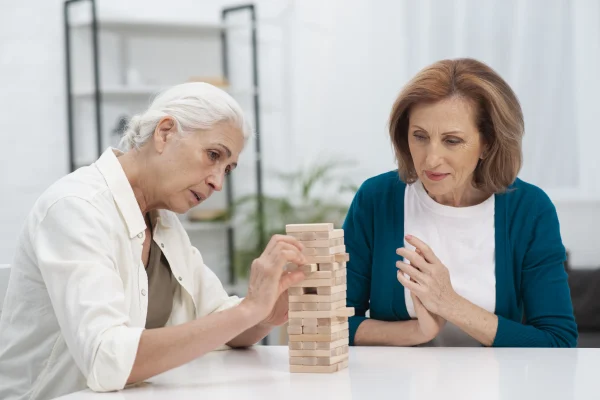
Your brain remains capable of growth well into your nineties. Published in PubMed, Dr. Yaakov Stern’s Cognitive Reserve Theory posits that some people stay sharp by using brain networks more productively. Building a reserve through complicated hobbies and education creates a safety net for your mind. A report in PMC12280729 notes that these protective aging resilience methods lower the risk of clinical dementia by 46 percent. A busy, challenged brain builds more connections between neurons, allowing it to bypass damaged areas easily.
New research shows strong results from brain training. The McGill Rejuvenation Study used speed-of-processing tasks to help seniors stay sharp. This protocol restored brain function to levels typically seen in people ten years younger. A study in PubMed also suggests trying dual-task training to improve mental and physical coordination, which involves physical-cognitive exercises like walking on a treadmill while solving a mental puzzle. This practice strengthens the link between your movement and your executive function.
Learning Specific Aging Resilience Methods for Daily Life
You can strengthen your body by exposing it to brief, controlled stress. This process, called hormesis, initiates your cells to get tougher and more productive. Sauna use provides an excellent example of this methodology. According to a study in JAMA Internal Medicine, using a sauna four to seven times a week is associated with a 40 percent reduction in all-cause mortality. The heat stress forces your body to adapt and improve its internal repair functions.
Research in PubMed explains that heat engages molecular chaperones, which are proteins that act like repair crews to fix or remove damaged cells. You can also boost your energy levels with NAD+ precursors like NMN. These supplements can double your cellular energy in as little as two weeks. People often ask, "Can you improve your resilience as you get older?" Yes, neuroplasticity and physical adaptation remain possible at any age through consistent, incremental challenges to the body and mind. Regular effort keeps your biological systems responsive and durable. These aging resilience methods turn temporary stress into long-term strength.
The Social and Emotional Pillars of Longevity
Biological health depends heavily on your social circle and emotional state. Chronic loneliness damages your body as much as smoking 15 cigarettes every day. As noted in PMC8821117, social isolation increases cortisol levels and drives up markers of inflammation in the blood, which accelerates the aging process.
Deep Community Integration
Strong social ties act as a shield for your heart and brain. In regions known as Blue Zones, people use a method called a "Moai." This involves a small group of friends who commit to supporting each other for an entire lifetime. This constant connection lowers stress and provides a sense of security. Engaging with others keeps your emotional health stable and your body more resilient to external stressors.
Cultivating a Sense of Purpose (Ikigai)
Having a reason to wake up protects your brain from decline. The Rush Memory and Aging Project, as published in PMC2897172, found that people with a high sense of purpose are 2.4 times less likely to develop Alzheimer’s disease. This sense of meaning serves as one of the most powerful aging resilience methods. People often wonder, "How do social ties affect aging?" A meta-analysis in PubMed indicates that strong social connections are linked to a 50% increased likelihood of survival and lower rates of inflammation. Meaningful work or volunteering provides the mental stimulation necessary for a long, healthy life.
Optimizing the Environment for Successful Aging
Your surroundings influence your health every hour of the day. Proper sleep hygiene and morning light exposure keep your internal clock on track. This reduces the total wear and tear on your body, also known as allostatic load. Research in PMC3427038 highlights that the thermal environment is one of the most vital factors affecting human sleep. A dark, cool bedroom and a consistent wake-up time improve your sleep quality significantly. These environmental aging resilience methods create a space where your body can recover and repair itself effectively.
Small changes in your environment also protect your cognitive health. The Lancet Commission found that treating hearing loss is the most effective way to prevent dementia. Hearing loss contributes to nearly 8 percent of all dementia cases globally. You should also follow the MIND diet to nourish your brain. Research in PMC5772164 found that eating leafy greens every day makes your brain function like it is 11 years younger. This combination of sensory protection and nutrition ensures a high level of Successful Aging.
Taking Command of Your Successful Aging Plan
You need to measure your progress to see real results in your health path. Start with the Sitting-Rising Test to check your functional age. Sit on the floor and stand back up without using your hands or knees for support. Each point you gain in this test improves your survival chances by 21 percent. You should also track your VO2 Max to understand your cardiovascular fitness. This number predicts how many years of independent living you have left.
A high VO2 Max remains the strongest predictor of a long life. Men should aim for a score above 18, and women should aim for a score above 15. These numbers represent the minimum threshold for maintaining an active lifestyle. An audit of your current habits allows you to tailor your aging resilience methods to your specific needs. Treat your health like a long-term project that requires regular updates and adjustments. Taking command today ensures you remain mobile and independent tomorrow.
Your Guide for a Resilient Future
Aging does not have to mean a loss of freedom or vitality. You hold the tools to maintain your strength, your mind, and your social joy for decades. Success comes from the daily application of aging resilience methods. Choosing intentional challenges over passive comfort changes your future. Start with one resilience method to learn this week. Whether you choose heavy resistance training or join a new community group, take that first step. You have the power to learn Successful Aging and enjoy a vibrant, high-functioning life for years to come.
Recently Added
Categories
- Arts And Humanities
- Blog
- Business And Management
- Criminology
- Education
- Environment And Conservation
- Farming And Animal Care
- Geopolitics
- Lifestyle And Beauty
- Medicine And Science
- Mental Health
- Nutrition And Diet
- Religion And Spirituality
- Social Care And Health
- Sport And Fitness
- Technology
- Uncategorized
- Videos

