
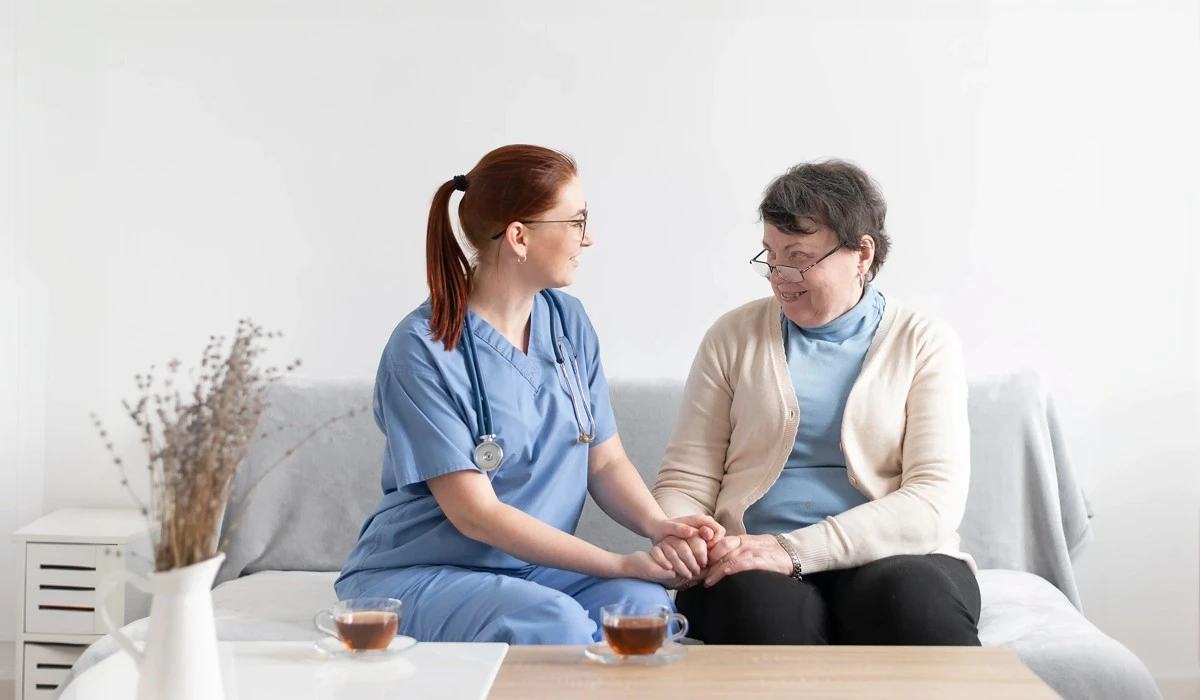
How Holistic Nursing Deepens Patient Insight
Imagine two nurses treating the same patient with high blood pressure. The first nurse checks the chart, sees the numbers are high, administers medication, and leaves. The numbers might drop, but the patient remains anxious and confused. The second nurse notices the patient is clutching a rosary and breathing shallowly. She sits down, asks about the patient’s fear, and finds that he is terrified of leaving his wife alone at home.
The first nurse treated the symptom, while the second nurse addressed the person.
Modern healthcare often fixates on biological data, lab results, scans, and vital signs. While these are important, they only tell half the story. To truly help a patient recover, we must look at the context surrounding the illness. As noted in research published in The Journal of Medicine and Philosophy, this approach shifts away from a strictly biological model of repairing parts, focusing instead on the linked experiences of a patient’s mental and physical health. Nurses reveal perspectives that machines and charts simply cannot see when they prioritize the whole person.
What Sets Holistic Nursing Apart?
The difference between standard care and holistic care relates to the distinction between curing and healing. Curing focuses on eliminating the disease, removing the tumor, or killing the infection. Healing, however, creates a sense of wholeness and peace, regardless of the physical outcome. A patient can be cured but still feel broken, just as a terminally ill patient can be healed and at peace.
According to the American Holistic Nurses Association (AHNA), this type of nursing is categorized as any practice where the primary objective is to heal the entire individual. The AHNA further notes that Florence Nightingale is viewed as the creator of this field, as she instructed nurses to prioritize unity, wellness, and the relationship between people and their surroundings. She believed the nurse’s role was to put the patient in the best condition for nature to act, using elements like light, warmth, and quiet. Later, theorists like Jean Watson expanded this with the "Theory of Human Caring," emphasizing that how a nurse relates to a patient is just as important as the medication they deliver.
When we talk about the scope of this practice, people often ask: What is the main goal of holistic nursing? According to the AHNA, nurses prioritize the physical, mental, emotional, spiritual, and environmental strengths of the individual rather than focusing solely on the illness. This method assists patients in finding balance, which directly supports their physical recovery.
The Framework of a Holistic Patient Assessment
To get this level of insight, you cannot rely on a standard checkbox intake form. You need a holistic patient assessment. This approach expands the data collection process to include the "context" of the illness. As documented by Macmillan Cancer Support, tools like the Holistic Needs Assessment (HNA) assist in identifying concerns that go beyond physical symptoms to ensure emotional and practical needs are met.
Biological and Physical Evaluation
A holistic nurse still checks blood pressure and heart rate, but they look deeper. They observe signs of distress that machines miss. Research published in Scientific Reports suggests that practicing diaphragmatic breathing can lower stress levels as measured by physiological markers; conversely, a nurse might notice a patient engaging in shallow "chest breathing," which often signifies high anxiety. Are they clenching their jaw? Do they guard their body even when not in pain? These physical cues often reveal emotional fatigue or stress that will complicate recovery if ignored.
Psychological and Emotional Screening
Anxiety creates physical symptoms, like tachycardia (fast heart rate). If you only treat the heart rate, you miss the cause. A study in the Journal of Medical Case Reports explains that the "Distress Thermometer" serves as an effective tool for nurses to screen for specific symptoms of emotional strain. Furthermore, research in the Journal of Clinical Nursing highlights that nurses also monitor family caregivers for "compassion fatigue," which is an empathetic stress response that can lead to total exhaustion. By asking open-ended questions about their mental state, nurses can differentiate between a physical cardiac issue and a panic response.
Listening Beyond the Symptoms
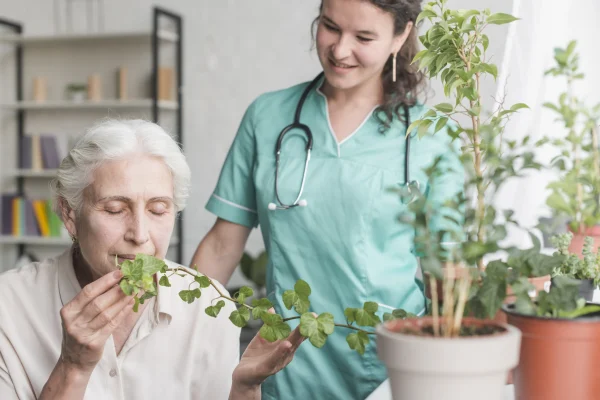
The most powerful tool in Holistic Nursing is not a stethoscope; it is communication. This goes beyond hearing words. A study in the Journal of Holistic Nursing emphasizes that this requires "therapeutic presence," which is a multidimensional intervention involving nurse well-being and intentional communication. Research shows that this focused presence alone can release oxytocin in patients, lowering their blood pressure and pain perception.
Nurses use techniques like "Focusing." This is a body-centered method where the nurse encourages the patient to identify where they feel an emotion physically. For example, if a patient says they are scared, the nurse asks, "Where do you feel that fear in your body?" The patient might realize it feels like a knot in their stomach.
Communication skills are vital here. A common question arises: How does active listening help patients? As reported in the Journal of Healthcare Leadership, active listening establishes trust and commitment between the provider and the patient. This trust encourages patients to share sensitive information and helps nurses identify the root causes of distress. Through the reflection of feelings behind words, such as saying, "It sounds like you're feeling overwhelmed", the nurse validates the patient's experience, often prompting them to reveal information they were holding back.
Integrating Cultural and Spiritual Context
A patient’s background dictates how they view their illness. If you ignore their culture or beliefs, compliance becomes a struggle. According to the University of Minnesota’s Center for Spirituality & Healing, a holistic patient assessment can utilize Kleinman’s 8 Questions, which includes asking patients, "What do you call your problem?"
Assessing Cultural Determinants
If a patient believes their illness is caused by "bad luck" or a spiritual failing, they may not take their medication. This understanding allows the nurse to bridge the gap between medical science and the patient's reality. Cultural background also influences pain perception and diet, which are factors in healing.
Addressing Spiritual Needs
Spirituality is not always religion; it’s about meaning, purpose, and hope. As detailed in the Journal of Pain and Symptom Management, nurses utilize the FICA Spiritual Assessment to evaluate Faith, Importance, Community, and how to address these issues in care. Through the honoring of these beliefs, Holistic Nursing improves patient comfort and trust.
Holistic Nursing Strategies for Chronic Pain
Pain is an involved experience that is physical, emotional, and cognitive. When medication hits its limit, holistic strategies bridge the gap. These are not replacements for medicine but evidence-based partners in care.
One effective method is relaxation-guided imagery. Findings published in PubMed suggest that this technique lowers preoperative anxiety and reduces pain levels following surgery. The brain focuses on the visualization, which dials down the volume on pain signals.
Aromatherapy is another clinical tool. It is not just about nice smells; it’s about chemistry. Clinical trials indicate that Lavender is effective for inducing calm and sleep, while Ginger or Peppermint can significantly reduce nausea.
Yoga and movement therapies also play a huge role. A meta-analysis published by the National Center for Biotechnology Information found strong evidence that yoga is more effective than standard care for improving function and reducing pain in patients with chronic low back pain. Through the integration of these strategies, Holistic Nursing offers patients control over their pain, shifting them from passive sufferers to active participants in their recovery.
Overcoming Barriers to Holistic Care
The biggest barrier to this approach is the "task-oriented" culture of modern hospitals. Nurses are often short on time, managing high patient ratios. It is easy to feel that there is no time for a deep conversation. However, holistic care is about the quality of attention, not the quantity of time.
Nurses can use "micro-interventions" that take less than five minutes. The "Doorway Drill" is a practical technique: before entering a patient's room, the nurse stops and takes one deep breath to center themselves. This "resets" their presence, ensuring they don't carry the stress of the previous emergency into the next interaction.
Another tool is "Box Breathing." If a patient is panicking, the nurse can teach them to inhale for 4 seconds, hold for 4, exhale for 4, and hold for 4. This takes one minute but drastically lowers acute anxiety. These small moments of intentionality allow nurses to apply a holistic patient assessment mindset even in a busy ward.
The Measurable Impact of Holistic Nursing
Holistic care sounds nice, but does it work? The data says yes. This approach moves healthcare toward measurable outcomes.
A 2025 cohort study published in PubMed regarding medical-integrated Holistic Nursing in ICUs revealed that the holistic group saw a reduction in 28-day mortality to 10%, compared to 23% in the control group. Furthermore, ICU readmission rates dropped from 15% to 5%. When nurses address the whole person, patients stabilize faster.
Infection control also benefits. Nurse-led holistic programs that addressed behavior and education reduced hospital-acquired infections by over 30%. When patients feel heard and understood, they are also more likely to follow instructions.
Skeptics often wonder about the tangible benefits. Does holistic nursing improve patient outcomes? Yes, studies confirm that holistic approaches significantly reduce patient anxiety and pain levels, leading to faster recovery times and greater overall satisfaction. A pilot study of oncology patients showed that interventions like Healing Touch and massage resulted in statistically significant drops in anxiety and nausea.
The Future of Patient-Centered Care
Healthcare is evolving. We are realizing that you cannot fix a body if you ignore the person living inside it. Holistic Nursing provides the framework to see the full picture. It blends the best of high-tech medicine with high-touch wisdom.
Through the use of a holistic patient assessment, nurses reveal the data, the fears, the beliefs, and the stressors that often dictate how fast a patient recovers. This depth of insight prevents readmissions, lowers costs, and, most importantly, honors the dignity of the patient. Nurses are not just technicians completing tasks; they are healers. Embracing this holistic mindset is the future of effective, compassionate care.
Recently Added
Categories
- Arts And Humanities
- Blog
- Business And Management
- Criminology
- Education
- Environment And Conservation
- Farming And Animal Care
- Geopolitics
- Lifestyle And Beauty
- Medicine And Science
- Mental Health
- Nutrition And Diet
- Religion And Spirituality
- Social Care And Health
- Sport And Fitness
- Technology
- Uncategorized
- Videos

