
K-Drama Fans Drive Global Seaweed Price Surge
When a country exports its culture too successfully, it unintentionally gentrifies its own grocery stores. You might think rising food costs always come from bad weather, crop failure, or corporate greed, but sometimes the culprit is a viral TikTok video in California. South Korea faces a unique economic dilemma where global popularity actively makes daily life harder for locals. As noted by Aju Press, this shift reveals how international obsession, rather than local hunger, now determines the seaweed price.
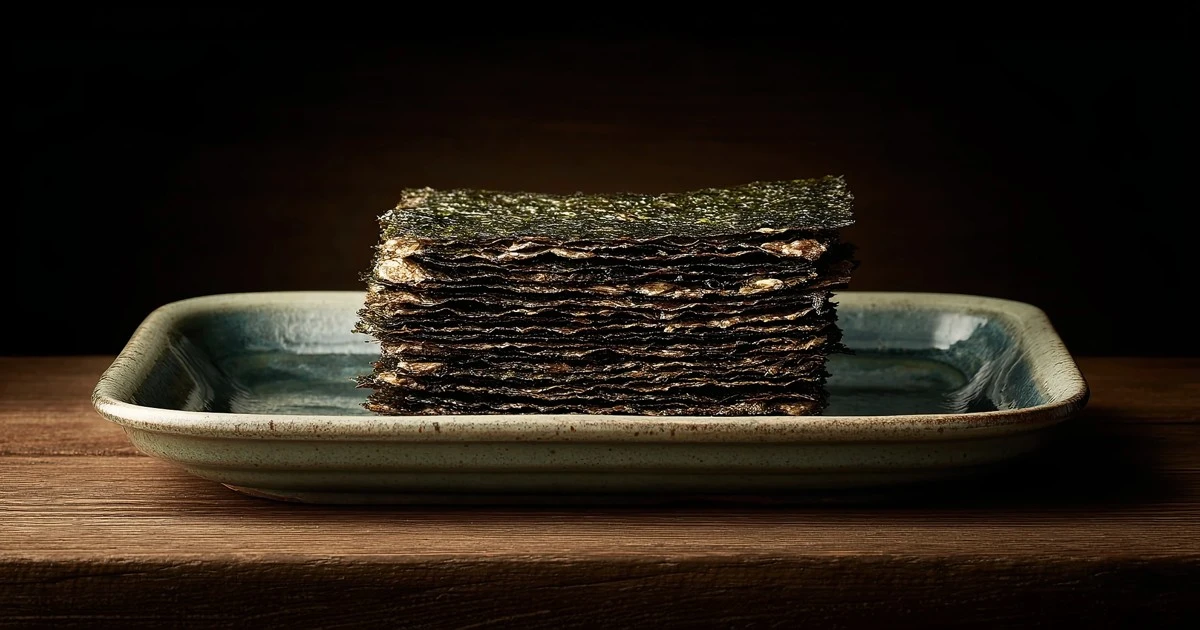
The humble sheet of dried seaweed, once a cheap staple on every dinner table, has transformed into a luxury export item. Foreign fans watch dramas, see the food, and rush to buy it. Market data from Tridge shows that exports to the US and Chinese markets each increased by more than 40%, creating a sudden demand that drains the domestic supply. This forces grandmothers in Seoul to compete with shoppers in New York for the same pack of gim. Success has a price tag, and right now, the average Korean household pays it at the checkout counter.
The "Black Semiconductor" Boom
A simple snack food has quietly become as politically important as a high-tech computer chip. The industry has even earned a nickname: the "Black Semiconductor." This title suggests that dried seaweed now holds the same economic weight as the technology sector. According to The Korea Times, exports for dried seaweed jumped 13.7 percent to hit a record $1.13 billion in 2025. This number represents a massive inflow of foreign cash, but it also creates a vacuum in the local market. The demand explodes rather than simply grows.
Traders prioritize sending their stock overseas because that is where the money is. The turning point arrived quickly. The Korea JoongAng Daily reports that Trader Joe’s released a frozen gimbap roll in the United States, which became a sell-out sensation shortly after its introduction. This singular event proved that Western consumers were ready to eat seaweed as a main course rather than a side dish. Korean producers noticed. They shifted their focus to feeding this new, hungry audience. Consequently, the local supply dwindled, and the South Korean seaweed price began its steep climb.
The Viral Funnel – From Pop Songs to Lunchboxes
Entertainment exports act as a Trojan horse for selling groceries. You rarely buy a foreign product solely for its shelf presence; you buy it after seeing someone you admire holding it. This is the power of the "Hallyu" wave. It starts with a catchy song, leads to a binge-worthy drama, and ends with a craving for the food on the screen. Fans fall in love with K-pop idols first. Then, the algorithms recommend Korean dramas. In those dramas, characters eat specific meals.
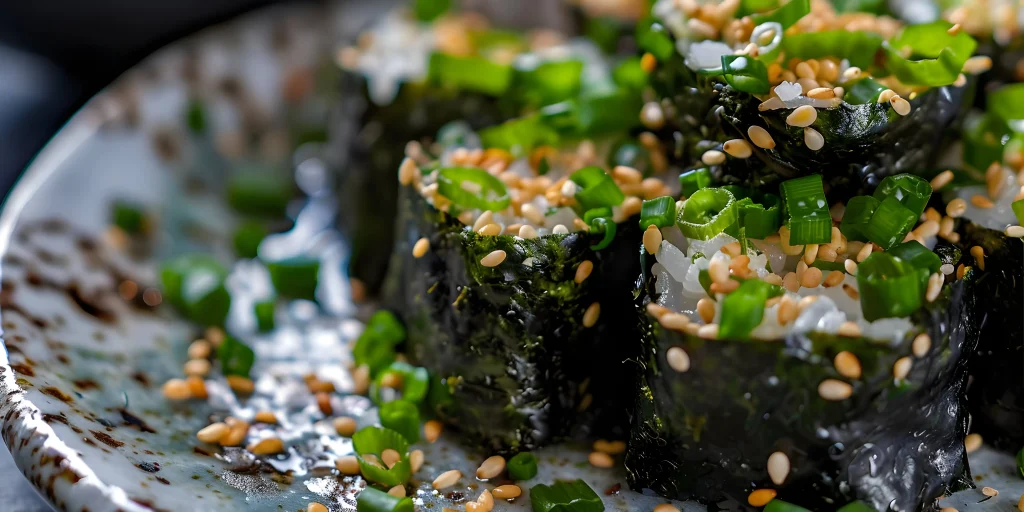
The fan psychology creates a "recommendation engine" where loving the culture means consuming the diet. This funnel turns a viewer in Paris or Brazil into a reliable customer for Korean agriculture. The connection is direct. A fan watching a show sees a handsome lead actor eating a seaweed rice roll. Suddenly, that food represents romance, wealth, and excitement. They want a taste of that fantasy. This cultural crossover explains why a product previously seen as "weird black paper" by Westerners is now a pantry staple. The entertainment industry effectively trained the world to eat Korean food, driving up demand and the price along with it.

The Domestic Price Shock
National profit often feels like a personal loss for the average citizen. While government officials celebrate export numbers, families in Seoul worry about their grocery bills. Data from The Korea JoongAng Daily indicates that while the cost of a standard sheet used to hover around 100 won, late January prices climbed past 150 won per sheet. This increase might seem small to an outsider, but seaweed is a daily essential in Korea. It serves as a daily essential rather than a luxury. When the price of a staple jumps by 50%, budgets break.
The Vendor’s Perspective
Lee Hyang-ran sells seaweed in a local market. She has watched the clientele change in real-time. Years ago, Western tourists looked at her stall with confusion. They saw black paper. Now, they approach with eagerness, wallets open. This tourism boom is good for her daily sales but bad for her long-term regulars.
The Consumer’s Struggle
Kim Jaela, a local shopper, checks online prices constantly. She confirms that the increases are sharp and sustained. Her habit of buying in bulk—usually 500 sheets at a time—is now financially painful. She warns that if inflation persists, restocking her kitchen will become impossible. The clash is clear. The export market drains the supply, leaving locals to fight over what remains. Aju Press highlights that rising exports tighten the domestic supply and fuel broader seafood inflation. High demand abroad means high costs at home.
Western Perception Shift
Branding changes an object's value faster than utility does. For decades, Western markets ignored seaweed. It looked strange. It had an odd texture. People jokingly called it "black paper" and refused to eat it. Today, that same product is a "superfood" and a healthy alternative to potato chips. This rebranding did not happen by accident. It rode the coattails of K-culture. As Korean media became cool, Korean food became desirable. Professor Lee Eunhee notes that cultural familiarity is expanding. The barrier to entry for Western palates is lower than ever. The shift is total. Seaweed is no longer an "ethnic food" stashed in a specialty aisle. It sits front and center in major grocery chains. This normalization benefits Korean soft power while hurting domestic supply stability. The more the West loves gim, the more the seaweed price creates headaches for local mothers.
The Fantasy vs. Reality Gap
The image that sells the product usually contradicts the lifestyle of the people making it. K-Dramas sell a specific fantasy to the world. They show chivalrous, wealthy men sweeping women off their feet. The lighting is soft, the emotions are high, and the romance is pure. Global fans consume this content to escape their own realities. Academic Hye Seung Chung explains that fans seek refuge from Western media, which can feel hypersexualized and cynical. They want the slow-burn romance and the emotional depth found in Korean scripts. However, the reality in Seoul differs.
Fan Marie Namur points out that while the dramas sell a fantasy of wealthy rescuers, real-life dating in Korea is complicated by conservative expectations. The patriarchy remains strong. The desire for traditional housewives clashes with modern economic realities. This disconnect matters because the "fantasy" drives the sales. People buy the seaweed to participate in the dream world they see on screen. They buy a piece of the K-Drama lifestyle along with the snack. Research published in MDPI suggests that parasocial interactions significantly enhance purchase intentions, meaning international fans will keep buying even as costs rise.
Supply, Demand, and Future Fixes
You cannot grow a sea vegetable fast enough to feed a viral algorithm. The ocean has limits. Factory owner Kim Namin admits that his production capacity cannot match the global order volume. He has to choose who gets the product, and right now, export markets win because they pay more. The industry is trying to catch up. The government is monitoring the situation closely, knowing that food inflation leads to unhappy voters. They are looking into land-based R&D centers. The goal is to create year-round harvesting methods that don't rely on seasonal ocean temperatures.
Can Korea grow more seaweed on land?
Scientists are developing land-based farming methods, but scaling them up to meet global demand will take years of investment and construction. According to Schwan’s Company, CJ Foods has worked on land-based aquaculture since 2018, and the government has announced significant investments through 2029. Until production expands, the shortage will persist. The Fish Site reports that supply currently struggles to meet the soaring demand. The South Korean seaweed price will remain a tension point. Expansion is under consideration, but building new infrastructure takes time. Meanwhile, the viral videos keep coming, and the orders keep piling up.
The Origins of the Wave
Pop culture emerged as a calculated government survival strategy rather than a happy accident. To understand why seaweed is so expensive today, you have to look back at the Asian Financial Crisis of 1997. The South Korean economy collapsed. The government needed a new direction. They decided to pivot to "soft power." They invested heavily in pop culture. The logic was simple: if people love your movies, they will buy your cars and phones. A study available on ResearchGate explains that the government shifted its policy in the early 1990s from political control to export-focused development. Giant conglomerates, known as Chaebols (like Samsung and Hyundai), funded entertainment ventures. They aimed for spillover sales in addition to ticket revenue. They wanted the world to view Korea as modern, cool, and high-tech.
When did the Korean Wave start?
The phenomenon known as Hallyu began in the mid-1990s as a direct government and corporate response to the Asian Financial Crisis. The plan worked better than anyone expected. The International Journal of Communication notes that a Chinese newspaper coined the term "Hallyu" in 1999 to describe the sudden popularity of Korean singers. Today, that investment pays off in every sector, from semiconductors to dried seaweed. The entertainment industry created a global fanbase of 220 million people—four times the population of South Korea itself. This massive audience drives the demand that inflates the South Korea seaweed price.
Cultural Hybridization and "Glocalization"
A product spreads furthest when it mixes foreign novelty with local comfort. K-Pop and K-Drama mastered this mix. Professor Suk-Young Kim explains that K-Pop blends local Korean elements with global Western trends. The visuals spark curiosity, but the structure feels familiar enough to keep audiences engaged. This "glocalization" prepares fans for layered narratives. They start with a catchy song, move to a romantic drama, and eventually watch a social satire like Parasite. This ladder of engagement ensures that interest in Korea deepens rather than fades. As the interest deepens, so does the consumption. Fans who start by listening to music eventually want to dress like the stars and eat like the characters. This cultural hybridization is the engine behind the export boom. It turns a listener into a consumer. It turns a digital fan into a physical buyer of goods.
The Future of the "Black Semiconductor"
Success creates new problems that require new solutions. The seaweed industry is now a heavyweight champion of the Korean economy. It brings in over a billion dollars. But the social cost is real. The government faces a difficult balancing act. They want to support the exporters who bring in foreign currency. But they also need to protect the citizens who rely on gim as a daily food source.
Why is seaweed called the black semiconductor?
Industry experts use this nickname because dried seaweed now generates massive export revenue and holds economic importance similar to the tech sector. We will likely see a split market. There may be "premium" export-grade seaweed selling for high prices abroad, and "domestic" grade seaweed subsidized or regulated for local use. The current situation where global demand dictates the local price tag is unsustainable for the average family.
Conclusion: The Price of Popularity
The South Korean seaweed price surge is the direct receipt for the country’s cultural victory. The government spent decades investing in music, movies, and dramas to sell the nation to the world. They succeeded. The world bought the culture, and now they are buying the pantry. This situation leaves a bittersweet aftertaste for the locals. They are proud that their food is loved globally, but they are tired of paying a premium for their own heritage. The "Black Semiconductor" boom proves that in a connected global economy, a win for the nation's bank account can feel like a loss for the citizen's wallet. The world eats well, while the locals pay the bill.
Recently Added
Categories
- Arts And Humanities
- Blog
- Business And Management
- Criminology
- Education
- Environment And Conservation
- Farming And Animal Care
- Geopolitics
- Lifestyle And Beauty
- Medicine And Science
- Mental Health
- Nutrition And Diet
- Religion And Spirituality
- Social Care And Health
- Sport And Fitness
- Technology
- Uncategorized
- Videos

