
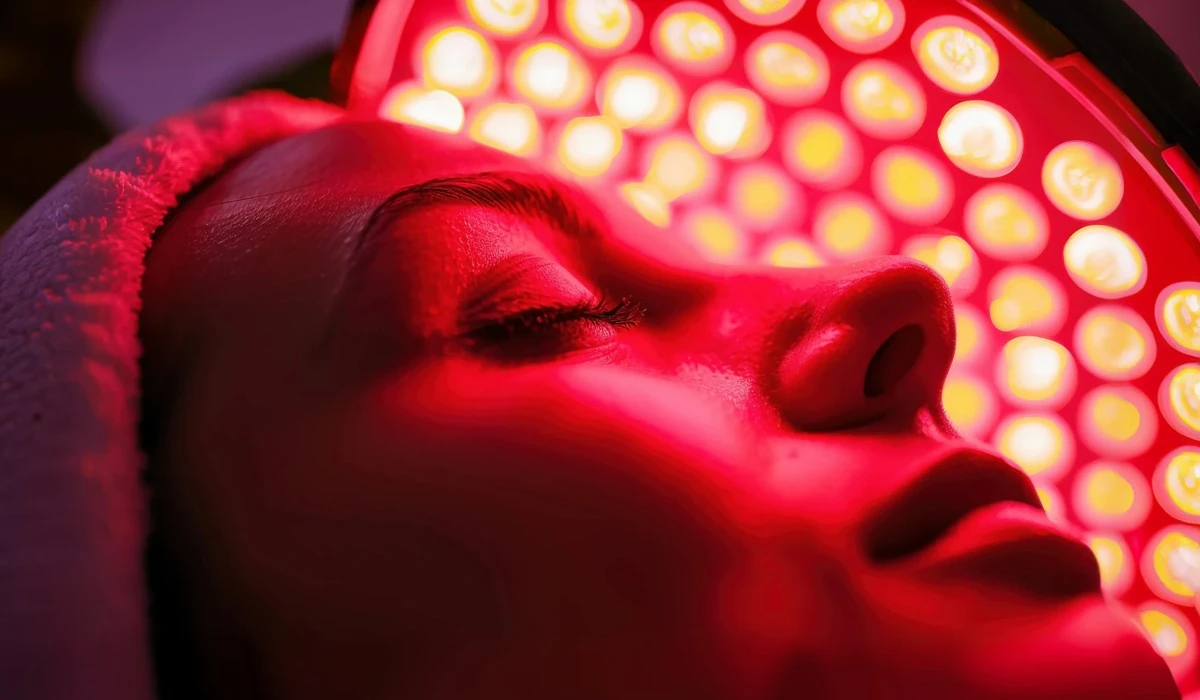
Boost Your Energy Level With Red Light Therapy
Your body runs on a specific type of spark that flickers under the weight of fluorescent office lights and processed food. Think of your physical frame as a biological battery. Most people try to recharge with caffeine or sugar when they feel drained. These habits only provide a temporary jolt to the system and leave the deeper cells starving for real power. They ignore the light-based energy source that sits deep inside every muscle and nerve.
Red Light Therapy offers a way to plug directly into that cellular power source. Modern life starves us of the specific light frequencies that keep our internal engines humming. According to a report in Wired, the therapy works by exposing the body to specific red and near-infrared light wavelengths, providing the raw energy needed for self-repair. This process changes your biology at a basic level. You can use this tool to sharpen your mind, heal your tissues, and improve your longevity through regular mitochondrial stimulation.
The Photobiomodulation Process
When you stand in front of a high-powered light panel, your skin absorbs billions of tiny light particles called photons. As noted in PMC6247385, photobiomodulation (PBM) is a simple, noninvasive procedure that utilizes red or infrared light without ionizing radiation. These photons move past the surface and travel deep into your tissue to reach living cells. This process imitates the way plants use sunlight to create energy. While humans do not use photosynthesis, we use these specific wavelengths to start a photochemical reaction.
Cytochrome C Oxidase: The Light Receptor
Research published in PMC5844808 identifies the mitochondria, and specifically the Cytochrome C Oxidase enzyme, as the primary site of light absorption in mammalian cells. This enzyme sits within the respiratory chain of the cell and acts as a tiny antenna for light. It "captures" red and near-infrared light photons to speed up cellular breathing. The primary goal of Red Light Therapy involves kick-starting this electron transport chain. When this enzyme absorbs light, it processes oxygen more productively and moves energy through the cell at a faster rate.
Breaking the Nitric Oxide Bond
Stress and age cause nitric oxide to bind to your cellular receptors. This bond blocks oxygen from entering the cell and creates a traffic jam in your energy production. It leaves you feeling sluggish and prevents your body from repairing daily wear and tear. Red Light Therapy effectively knocks that nitric oxide loose. This action clears the path for oxygen to return to the cell and restores your natural energy flow.
ATP The Universal Energy Currency
Once the light clears the nitric oxide, your cells begin to churn out Adenosine Triphosphate, or ATP. Think of ATP as the actual cash your body spends to perform any task, from thinking to running. According to a study in PMC4355185, light therapy can lead to a significant increase in ATP synthesis, which researchers suggest can increase production by 140% to 200%. Does red light therapy actually work? Yes, clinical research shows that specific wavelengths penetrate the skin to initiate biochemical changes at a cellular level. This surge in ATP provides a systemic increase in available energy that helps every organ function better.
Reducing Muscle Fatigue and Inflammation
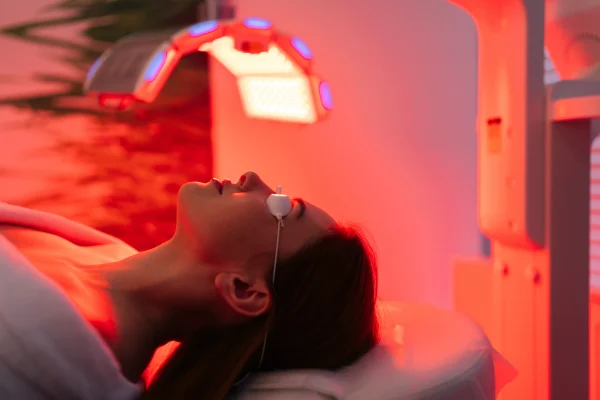
Athletes often struggle with the buildup of lactic acid and muscle damage after a hard workout. Energized mitochondria clear this metabolic waste much faster than tired ones. Scientific meta-analyses show a significant decrease in creatine kinase levels when you apply light therapy within 24 hours of exercise. This biomarker measures muscle damage, and lowering it means you can return to training sooner without the lingering soreness that usually follows a heavy lifting session.
Accelerating Tissue and Collagen Repair
Light therapy speeds up the work of fibroblasts, which are the cells responsible for skin and tissue repair. In the 1990s, NASA researchers found that high-intensity red and near-infrared LED selections significantly accelerated the healing of wounds that were deprived of oxygen. A NASA-supported study delivered an LED selection with three wavelengths (670, 720, and 880 nm) to Naval Special Warfare teams, where it was documented that these lights made wounds close 50% faster than untreated injuries. Most clinical protocols suggest 10 to 20-minute sessions three to five times per week to maintain steady cellular signaling. This steady approach ensures your skin maintains a 31% higher collagen density over time.
Circadian Rhythm and Hormonal Balance
Modern light bulbs emit blue frequencies that confuse your internal clock and ruin your sleep. Exposure to red wavelengths helps regulate melatonin and cortisol levels. In a 2013 trial published in PMC6247385, patients with thyroid issues significantly reduced their medication needs after just 10 sessions of light therapy. The results showed a reduction in the required doses of levothyroxine, with nearly 48% of participants no longer needing the medication because the light restored health to the glandular cells. Red Light Therapy serves as a total-body biohack that balances your hormones from the head down.
Neuroprotection and Brain Energy
Near-infrared light can actually pass through the skull to reach your brain cells. Research detailed in PMC6041198 demonstrates that this process, called transcranial photobiomodulation, increases blood flow to the prefrontal cortex by 30%. It helps clear the "brain fog" that often comes with age or high stress. Researchers found that 808nm light reduces the buildup of harmful proteins in the brain associated with memory loss. By focusing on mitochondrial stimulation in the brain, you improve your executive function and mental clarity.
Reversing Mitochondrial Dysfunction
The "Mitochondrial Theory of Aging" suggests that we grow old because our cellular engines break down and leak harmful molecules. Light therapy initiates a process called hormesis, which is a small, healthy burst of stress that makes cells stronger. This initiates the growth of entirely new mitochondria, a process known as biogenesis. Constantly renewing these tiny engines effectively slows down the biological clock and keeps your tissues performing like younger versions of themselves.
Skin Elasticity and Fine Lines
You see the most immediate results of healthy cells in your skin. When your cells have enough ATP, they produce more elastin and collagen. This naturally fills in fine lines and firms up sagging areas of the face. Unlike harsh chemical peels or lasers that damage the skin to initiate a response, Red Light Therapy heals the skin from the bottom up. It creates a visible glow because the blood vessels under the skin become more productive at delivering nutrients to the surface.
Dosing Irradiance and Proximity
An article in Wired highlights that home-use devices vary in power and quality, meaning you cannot just use any red light bulb from a hardware store to get these results. Clinical studies in PMC8869339 suggest that for the light to reach the mitochondria, the power density or irradiance must fall between 30 mW/cm² and 100 mW/cm². If the light is too weak, the photons never reach your mitochondria. As shown in PMC3315174, there is a biphasic dose-response known as the Arndt-Schulz Law, where excessively strong light leads to diminishing returns. You must stand at the correct distance from your device to ensure your cells receive the exact dose they need to initiate repair without causing fatigue.
Wavelengths 660nm and 850nm
The best results come from using two specific types of light at the same time. Wired reports that visible red light at 660nm stays mostly in the skin layers to help with acne and wrinkles. Furthermore, research in Nature indicates that non-visible near-infrared light at 850nm has a clear ability to penetrate deeply through the body into joints and bones. Are there side effects to red light therapy? This treatment is non-invasive and generally considered safe, with very few reported side effects when used within recommended dosage limits. Combining these wavelengths ensures you treat both the surface and the deep tissue simultaneously.
Choosing the Right Device
You have two main choices when buying a device: large panels or wearable wraps. Panels allow you to treat large areas of the body, like your entire back or chest, in a single session. Wearable wraps work well for specific joints, like a sore knee or a stiff neck. Look for devices that use the same HEAL-LITE technology developed by NASA to ensure you get professional-grade results at home. Quality is more important than size regarding the actual light output.
Setting Realistic Expectations
While the process of mitochondrial stimulation begins within seconds of exposure, you will not see a new person in the mirror overnight. Most people feel an increase in energy or a reduction in pain within the first week. Wired also states that structural changes like hair growth or skin tightening usually take four to eight weeks of steady use. Think of it like going to the gym for your cells. You need to show up regularly to see the long-term benefits of cellular health and energy production.
Empowering Your Cells for the Long Haul
Most wellness trends focus on masking symptoms with pills or temporary fixes. Red Light Therapy takes a different path and fixes the actual engine of the cell. It addresses the root cause of fatigue, aging, and slow healing by providing the body with the light it evolved to use. When you prioritize the health of your mitochondria, every other part of your health improves as a result.
Regular use of this technology provides a basic pillar for modern longevity. Simply spending a few minutes in front of the right light protects your brain, strengthens your muscles, and rejuvenates your skin. Start with short sessions, stay steady with your schedule, and pay attention to how your body responds. Integrating Red Light Therapy into your daily routine gives your cells the fuel they need to thrive in high-stress environments.
Recently Added
Categories
- Arts And Humanities
- Blog
- Business And Management
- Criminology
- Education
- Environment And Conservation
- Farming And Animal Care
- Geopolitics
- Lifestyle And Beauty
- Medicine And Science
- Mental Health
- Nutrition And Diet
- Religion And Spirituality
- Social Care And Health
- Sport And Fitness
- Technology
- Uncategorized
- Videos

