

Exercise Snacking: Why 1 Minute Beats 1 Hour
When you confine fitness to a single hour, you accidentally teach your body to hibernate for the other twenty-three. Most people operate under the assumption that a thirty-minute sweat session cancels out a day of desk work. This math fails because metabolic health relies on the frequency of movement rather than solely the intensity of a single event. A scheduled workout creates a peak in activity, yet your body remains physically stagnant for the majority of your waking life. This creates a specific physiological trap. You become an "Active Couch Potato"—someone who fits the gym in but still suffers the health consequences of prolonged sitting.
A new approach flips this script through the integration of fitness directly into your routine tasks. Exercise snacking removes the need for gym clothes or designated time slots. According to a study published in Nature Medicine, this method centers on VILPA, defined as brief bursts of vigorous intensity embedded within daily living. Instead of treating exercise as an appointment, you treat it as a constant state of operation. This method targets the gaps in your day, turning idle moments into health-boosting spikes of effort.
The Active Couch Potato Trap
Sitting for eight hours creates a physiological debt that a single gym visit cannot fully repay. Modern life forces a binary choice between "workout mode" and "sedentary mode," leaving no middle ground for natural movement.
The World Health Organization reports that over 25% of adults are insufficiently active. This statistic often includes people who actually go to the gym. Jo Blodgett, a Senior Research Fellow at UCL’s Institute of Sport, Exercise and Health, points out a critical flaw in how we view activity. Structured exercise provides benefits, but it remains a partial solution. It does not neutralize the damage caused by sitting for the rest of the day. The body requires movement to process fuels like sugar and fat. When you sit for nearly 24 hours minus a short workout, those systems stall.
Jo Blodgett suggests that the real danger lies in the total volume of stillness. A thirty-minute run is excellent, but it leaves 23.5 hours unaccounted for. To extend life expectancy and reduce heart disease risk, you must look at what happens during the hours you usually spend in a chair. The goal is to keep sedentary time under eight hours a day. Currently, most people exceed this limit easily. Exercise snacking fills the dangerous gaps between your morning alarm and your evening workout.
Decoding the VILPA Method
The most effective workouts often look like frantic, accidental rushing rather than deliberate training. You might assume that fitness requires a plan, but the body responds powerfully to chaos and unplanned exertion.
As defined by the University of Sydney, VILPA stands for Vigorous Intermittent Lifestyle Physical Activity. This concept relies on increasing effort during standard daily tasks. It creates brief exertion spikes during standard daily life. You do not need a treadmill. You simply need to identify moments where you can push your heart rate up. Jo Blodgett explains that the key indicator is breathlessness. If you can walk and talk easily, you are not hitting the target. You need to reach a level of intensity that makes conversation difficult.
Start searching for moments to increase physical demand. Walk faster to the bus stop. Carry the heavy grocery bags without a cart. These moments count as exercise snacking. The target duration for these bouts is short, typically between one and two minutes.
What is VILPA exercise?
VILPA involves short bursts of vigorous activity embedded into daily life, like running for a bus or carrying heavy groceries.
To see results, you should aim for three to four bouts every day. Research published in Nature Medicine indicates that a median VILPA duration of 4.4 minutes per day is linked to a 26-30% lower risk of all-cause mortality and a 32-34% drop in cardiovascular death risks. Additionally, the University of Sydney notes that 4.5 minutes of daily VILPA is associated with up to a 32% reduction in physical activity-related cancer incidence. This frequency activates the necessary biological responses without requiring a gym membership. These micro-movements contribute significantly to extending life expectancy.
The Metabolic Power of Short Bursts
Your muscles act as a sponge for sugar only when you wring them out frequently throughout the day. A long period of inactivity allows glucose to linger in the bloodstream, creating potential metabolic issues.
Research from the University of Bath illuminates how effective short bursts can be. Their study focused on "snacktivity" lasting just 60 seconds. Over a period of four weeks, participants who engaged in these brief snacks saw a 30% increase in sit-to-stand repetitions. They also gained 5% in leg strength and 6% in power. These numbers appear small, but they represent a major shift in how the body functions.
The metabolic process works by shuttling glucose to the muscles. When you move, your muscles demand fuel. This process lowers post-meal blood sugar levels. A 2022 study in the Journal of Applied Physiology confirmed that "activity snacks" like two minutes of walking allow the body to better utilize dietary amino acids for building muscle protein.
Does exercise snacking lower blood sugar?
Short movements after meals help muscles use glucose immediately, which lowers post-meal blood sugar levels. This effectively preserves muscle mass. Breaking up sedentary time keeps your metabolism active. You avoid the "slump" that typically follows a heavy meal. Exercise snacking ensures that your body processes nutrients effectively rather than storing them as fat.
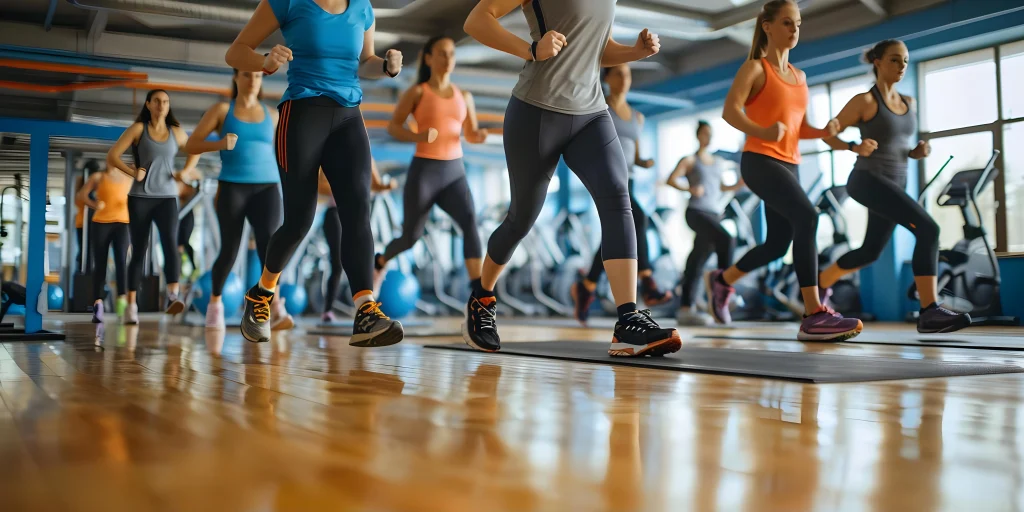
Cardio Limits and Strength Gains
While micro-movements maintain health, expecting them to build a bodybuilder physique ignores the biological need for sustained tension. A clear distinction exists between maintaining fitness and building significant muscle mass.
Monty Simmons, a personal trainer, advocates for movement fragmentation. He believes you do not need to drop dumbbells or spend hours in a weight room to see benefits. However, he also notes a hierarchy of results. Muscle building generally requires longer duration sessions, often between 30 and 60 minutes. Exercise snacking aids maintenance, but it might not replace a full hypertrophy program if your goal is massive growth.
Simmons emphasizes variety. Resistance-based snacks, like squats or push-ups, differ from aerobic fitness snacks like stair climbing. You must mix these to optimize your health. Resistance snacks might not improve your cardiorespiratory fitness as well as High-Intensity Interval Training (HIIT). Conversely, simple walking snacks won't build upper body strength.
The University of Texas conducted a study on 4-second sprints. This extreme intensity required tremendous power. The results showed fitness improvements, proving that even seconds count if the effort is high enough. However, relying solely on 4-second bursts requires a level of intensity most people cannot safely generate in an office. For general health, the 1-2 minute mark remains the standard.
Rewiring Your Daily Environment
You often ignore fitness opportunities because you are looking for a gym rather than a moment of effort. The world is full of equipment if you stop looking for chrome weights and start looking for gravity.
The strategy relies on opportunity identification. You must scan your environment for chances to move. The classic "West Wing" style meeting involves walking and talking rather than sitting in a conference room. Standing desks offer another way to break the sedentary pattern. Even household chores become exercise snacking when performed with vigor.
Jo Blodgett advises a mindset shift. Instead of looking for the easiest way to do things, you start looking for the hardest. Take the stairs instead of the elevator. Accelerate your walking pace until you feel the burn. This turns a commute into a workout.
Is sitting all day bad if I work out?
Yes, sitting for more than 8 hours creates health risks that a 30-minute workout cannot completely fix.
Dr. Martin Gibala suggests integrating fitness into life so seamlessly that you don't realize you are training. Ten-minute bursts can serve as maintenance on busy days or a boost when you have more time. The key is to avoid the "all or nothing" mentality. You do not need an hour. You need a minute, repeated often.
The Cognitive and Chemical Shift
A stagnant body forces the brain into a repetitive loop, while physical spikes break the pattern instantly. Your mental state mirrors your physical state, and prolonged sitting often leads to creative blockages.
Research from the University of Turku found that short HIIT bursts significantly increase the release of endorphins in brain areas controlling emotion, whereas one-hour aerobic sessions do not. This chemical release creates an immediate mood lift. It combats the "feast or famine" mentality where you feel guilty for missing a gym session. Exercise snacking prioritizes consistency over duration, removing the guilt.
The cognitive effect is measurable. Research comparing stair climbing to taking the elevator showed a massive difference in brain function. People who took the stairs showed a 61% increase in divergent and creative thinking scores. Movement wakes up the brain. When you feel stuck on a work problem, a two-minute exercise snack often provides the breakthrough.
Monty Simmons highlights that short sessions eliminate excuses. Everyone has one minute. This builds a habit of consistency. Over time, these small wins rewire your brain to crave movement. You stop dreading the gym and start enjoying the immediate rush of a quick snack.
Structuring Your Snack Menu
Consistency creates a metabolic rhythm that sporadic intensity fails to establish. You cannot cram all your dental hygiene into one Sunday brushing session, and you cannot cram all your movement into one Saturday run.
The ideal rhythm involves movement breaks every 15 to 30 minutes. Experts at the Mayo Clinic suggest simply taking a short break from sitting to standing every 30 minutes. This resets your posture and blood flow. For more intense exercise snacking, aim for widely spaced bouts. Lingo, a health tech company, defines snacks as non-consecutive. You need recovery time between high-intensity bursts.
Your menu should vary. Include a hierarchy of health. High intensity is best for fitness. Moderate walking is good for maintenance. Sedentary behavior is what you must avoid. A mix of stair climbing, fast walking, and bodyweight squats covers all bases.
University of Bath data suggests that results take time. Their stair climbing study spanned six weeks before visible fitness and power improvements emerged. You must commit to the lifestyle. The goal is to accumulate more than 8 hours of movement throughout the day. This equates to half your waking life. It sounds like a lot, but when you break it down into minutes, it becomes manageable.
The Future of Fitness Integration
The real flaw in modern fitness is the separation of movement from daily existence. We created a world where exercise is a chore to be completed instead of a way to live. Exercise snacking corrects this error. It proves that you do not need a gym membership to improve your heart health or extend your life. You simply need to reclaim the minutes you already have. Identifying opportunities for VILPA and respecting the 8-hour sedentary limit changes your biology. The University of Bath, UCL, and experts like Jo Blodgett and Monty Simmons all point to the same truth. Frequency matters. Intensity matters. But most importantly, integration matters. Do not wait for the perfect hour to train. Take the minute in front of you and use it.
Recently Added
Categories
- Arts And Humanities
- Blog
- Business And Management
- Criminology
- Education
- Environment And Conservation
- Farming And Animal Care
- Geopolitics
- Lifestyle And Beauty
- Medicine And Science
- Mental Health
- Nutrition And Diet
- Religion And Spirituality
- Social Care And Health
- Sport And Fitness
- Technology
- Uncategorized
- Videos