
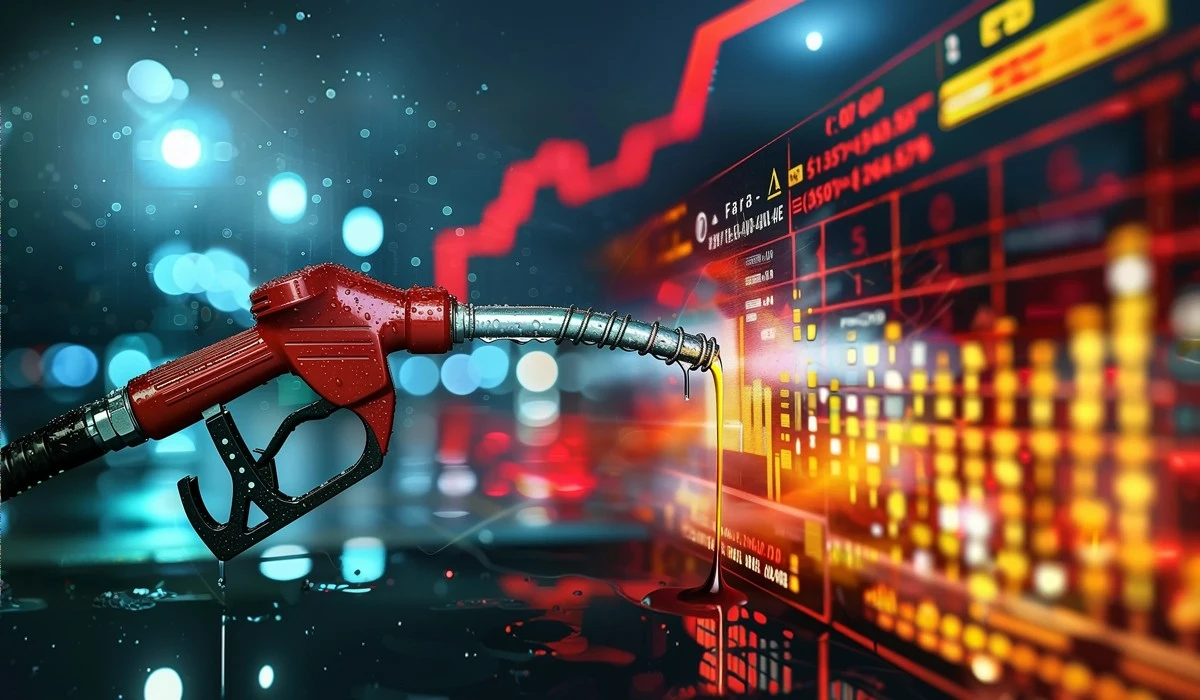
The Fuel Finder Scheme Slashes Pump Prices Now
When you buy almost anything else, you can check the price online instantly, but petrol stations have operated in a pre-digital dark age that keeps drivers guessing. Retailers have historically held all the cards, knowing that once a driver pulls onto the forecourt, they are unlikely to leave to save a few pennies elsewhere. This information gap allows stations to keep prices high even when wholesale oil costs drop. The Fuel Finder Scheme changes this situation by forcing retailers to show their hand before you ever leave your driveway.
According to government guidance published on February 2, a new mandate requires the UK's approximately 8,300 fuel sites—a figure cited by independent reports—to report their price changes to a central database. Far from a voluntary suggestion, this acts as a strict requirement designed to reignite competition. Under the new rules, retailers must update their pricing data within 30 minutes of any change at the pump. This flood of real-time data aims to eliminate the guessing game that costs households money every time they fill up.
The End of "Rocket and Feather" Tactics
Profit margins often rely on how slowly a business passes on savings to its customers. The Competition and Markets Authority (CMA) identified a frustrating pattern in fuel pricing known as "rocket and feather" tactics. As described in CMA analysis, when oil prices spike, pump prices shoot up like a rocket; conversely, when oil prices fall, pump prices drift down slowly like a feather. This delay protects retailer margins while draining driver wallets.
The Fuel Finder Scheme attacks this delay by making price movements visible immediately. If a station across town drops their price, their competitors will know instantly—and so will you. The CMA argues that competition in the retail sector has been "weak" for too long, leading to persistently high margins. Exposing these price gaps forces stations to compete for your business rather than relying on your lack of knowledge.
Why the Government Refused to Build an App
Raw data is only useful if someone turns it into a map you can actually read. Surprisingly, the government decided against building its own consumer-facing application to display this new data. Instead, they chose to function solely as a data aggregator, collecting the numbers and releasing them to the public. This strategy relies on the speed and innovation of existing tech giants to do the heavy lifting.
According to the official Open Data scheme guidance, the data is released as open-source information, available to third-party developers, journalists, and academics. This means popular navigation tools like Waze, the RAC app, and the AA will integrate the live prices directly into their platforms. Who creates the fuel finder apps for drivers? Private companies and developers build the actual apps using the government's raw data feed to show you the best deals. This approach allows drivers to find the cheapest fuel using the navigation tools they already have on their phones.
The Financial Effect on Your Wallet
Small variances in price per litre might seem negligible until you look at the annual cost. Government projections suggest that the increased transparency could save the average household around £40 per year. While that number might look modest, the variance between stations creates a much larger opportunity for savings. Motoring groups cited by the BBC claim that price differences between local forecourts can be as high as 20p per litre.
Currently, drivers are enjoying some of the lowest fuel costs in recent years. Petrol averages sit around 131.91p per litre, the lowest level since July 2021, while diesel hovers at 140.97p. However, these averages hide the expensive outliers. Highlighting the cheapest options helps drivers avoid the "rip-off" sites that charge significantly more than the market rate.
How the Fuel Finder Scheme Enforces Compliance
A rule is only as strong as the penalty for breaking it. The government has laid out a clear timeline to ensure retailers take the new reporting requirements seriously. While the mandatory reporting launched in early February, the authorities are starting with a "supportive" approach. This grace period allows petrol stations to adjust their internal systems and get used to the daily submissions.
This leniency ends in May. Once the enforcement phase begins, the CMA gains the power to impose fines on retailers who fail to update their prices. The guidance states that investigations into breaches will be "targeted and proportionate," considering the severity of the offense. Retailers cannot simply opt out; if they change a price at the pump, the digital record must match it within that tight 30-minute window.
The Technical Backbone Behind the Data
Accessibility depends entirely on standardized digital protocols that allow different computer systems to talk to each other. The scheme relies on a specific technical setup to handle the massive influx of data from thousands of sites. Retailers submit their updates via CSV files or a REST API, secured by OAuth 2.0 authentication. This ensures that the data flowing into the system is authentic and comes directly from the source.
The frequency of updates varies depending on the type of information. While fuel prices require a 30-minute turnaround, reporting on amenities like car washes, air pumps, and toilets has a much looser window of three days. How often do petrol stations update prices in the system? They must send new data within 30 minutes of changing the physical price on the pump, while CSV files update twice daily. This technical structure ensures that when you check an app, the price you see is the price you pay.
Retailers Push Back Against the Narrative
High prices often mask operational struggles rather than serving as proof of pure corporate greed. While the government pushes the narrative of "rip-off" pricing, retailers argue that their operational reality is much harsher. The Petrol Retailers Association (PRA) points out that operational costs, including wages and taxes, remain elevated. They contend that the current pump prices are already significantly lower than the peaks seen in 2022 and 2023.
Despite these cost pressures, the PRA has agreed to collaborate with the government on the launch. They emphasize that while they support transparency, the characterization of the industry as non-competitive is unfair. Retailers argue that they are not hoarding profits but merely surviving in a high-cost environment. The Fuel Finder Scheme leaves these overhead costs untouched while forcing retailers to be public about how they price their product.
Global Instability vs. Local Transparency
Local data transparency cannot stop global supply shocks from driving up the base cost of oil. While the scheme helps you find the cheapest station in your town, it cannot control the global oil markets that determine the wholesale price. Currently, oil prices are sitting at six-month highs due to rising tensions in the Middle East, specifically involving the US and Iran. This geopolitical instability threatens to reverse the recent trend of falling pump prices.
If oil costs surge, pump prices will rise regardless of how much data is shared. The difference now is that drivers will see those hikes happen in real-time across the board. Can the scheme stop rising fuel costs? While the scheme cannot lower global oil prices, it helps you find the lowest available price in your area. The transparency ensures that when prices go up, they go up because of crude oil costs, not because a retailer is trying to hide a margin increase.
The Role of Drivers in Fixing the Market
Technology provides the tool, but public participation provides the pressure. The success of this initiative relies heavily on drivers actually using the data to change their buying habits. The AA President noted that motorists were previously "captive" to retailer whims because cheaper options nearby were effectively invisible. Closing this information gap gives power back to the consumer, but only if they act on it.
The government has also called for public vigilance. Guidance suggests that drivers should report discrepancies between the app data and the actual pump price. If a station claims to be cheap online but charges more on the forecourt, regulators want to know. This crowdsourced oversight adds another layer of accountability to the system, ensuring that the data stream remains accurate and trustworthy.
Putting Power Back in Your Pocket
Price transparency removes the safety net that allowed inefficient or greedy retailers to overcharge without consequence. While the Fuel Finder Scheme does not set prices, it destroys the obscurity that made "rocket and feather" tactics so profitable. Forcing 8,300 sites to broadcast their prices in real-time hands drivers the ultimate bargaining chip: the ability to choose based on facts, not convenience. While global oil markets remain volatile, the days of driving blind into a forecourt are officially over. The power to save money is now sitting in your pocket.
Recently Added
Categories
- Arts And Humanities
- Blog
- Business And Management
- Criminology
- Education
- Environment And Conservation
- Farming And Animal Care
- Geopolitics
- Lifestyle And Beauty
- Medicine And Science
- Mental Health
- Nutrition And Diet
- Religion And Spirituality
- Social Care And Health
- Sport And Fitness
- Technology
- Uncategorized
- Videos

