
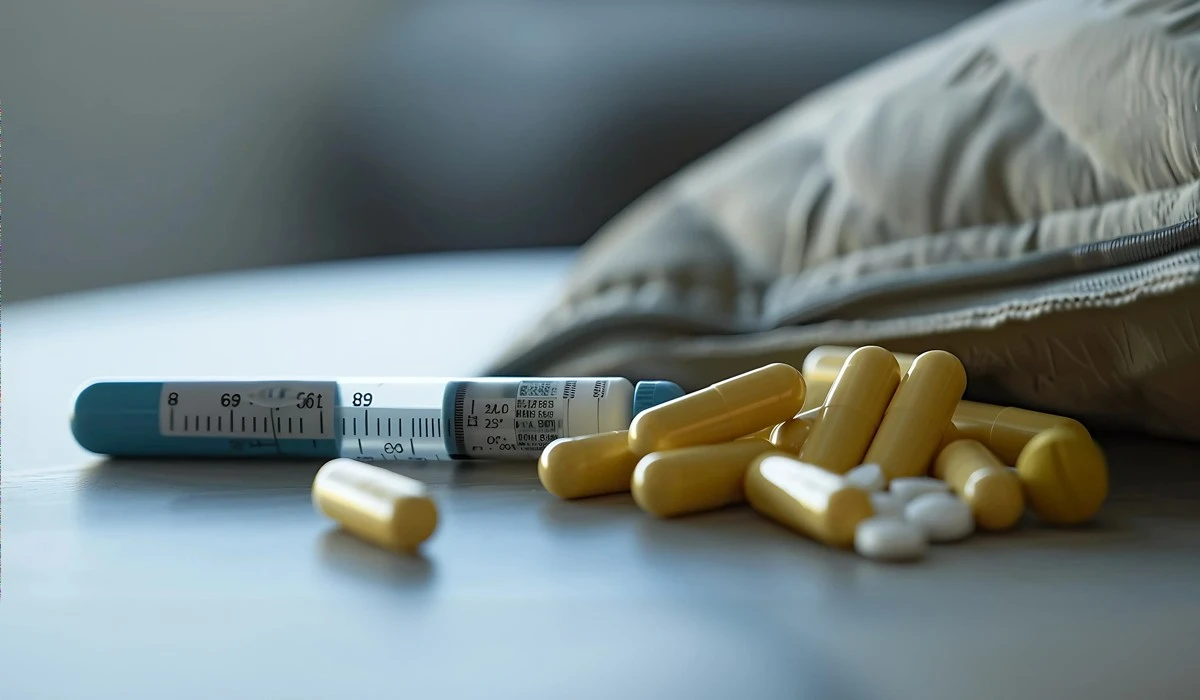
Weight Loss Jabs Spike Gallbladder Surgeries
When the body sheds fat too quickly, the gallbladder stops moving. This stagnation turns liquid bile into solid stones. Recent UK data shows a massive spike in surgeries for patients using weight-loss jabs. Over 80,000 people underwent gallbladder removals in the last year alone. Most users focus on the scale, but their internal organs struggle to keep up with the pace of change. This surge reveals a side effect of rapid metabolic shifts that many doctors did not anticipate. People often trade body mass for surgical appointments.
The liver pumps out more cholesterol during fat loss, while certain medications tell the gallbladder to rest. This combination creates a perfect environment for blockages. As more people choose these drugs, the demand for emergency surgery hits record highs. Patients avoid the operating table when they understand how these drugs alter internal flow. Weight-loss injections provide a powerful tool for health, but they also change how the digestive system handles waste.
The Surge in Gallbladder Surgery From Weight-Loss Injections
Rapid loss of weight forces the liver to dump excess cholesterol into a gallbladder that has stopped contracting. This physiological shift explains why NHS England recently recorded a decade-high peak in gallbladder removals. According to data from the NHS, surgeons performed 69,745 of these procedures between 2023 and 2024. The records show that by the 2024-2025 period, that number jumped to 80,196, representing a 15% rise in a single year. These medications slow down the gallbladder's ability to empty, which allows bile to thicken and form hard deposits.
A study by UCL researchers estimates that 1.6 million adults in the UK used weight-loss injections within the previous year. The study also suggests that most of these individuals obtained their prescriptions through private clinics rather than the NHS. As the popularity of these drugs grows, the strain on surgical wards increases. As noted in the patient information for Mounjaro, the drug carries a specific risk of gallbladder inflammation in up to one out of every 100 patients. Surgeons now see a direct correlation between the rise of these prescriptions and the amount of people requiring organ removal. While the drugs help people reach their target weight, the speed of that progress often exceeds what the gallbladder can handle.
Why Weight-Loss Injections Change Your Internal Chemistry
Research published in the journal Endocrinology shows that GLP-1 drugs mimic hormones that control hunger and signal the digestive tract to slow its physical movements. These weight-loss injections work by targeting the brain's appetite centers and slowing the stomach’s emptying process. This effect extends to the gallbladder, an organ that normally squeezes bile into the small intestine to help digest fats. When the drug suppresses these contractions, the bile sits still for too long.
Pharmacist Deborah Grayson notes that this deceleration transforms healthy bile into a thick sludge. This sludge eventually hardens into cholesterol stones. During extreme calorie restriction, the liver increases its cholesterol secretion while producing fewer bile salts. This metabolic shift makes the bile more likely to crystallize. William Hinojosa, a surgeon, explains that the combination of stagnant bile and thickening leads directly to painful attacks. Digestion slows down so much that the gallbladder simply loses its rhythm. Patients often feel successful because the weight drops quickly, yet their internal chemistry is becoming dangerously unbalanced. The lack of gallbladder stimulation from dietary fats further encourages this stasis.
Differentiating Between Drug Effects and Rapid Weight Loss
The body creates stones whenever it loses weight too fast, regardless of whether a drug or a diet triggers the change. This creates a debate among medical professionals regarding the "causality gap." Surgeon Ahmed Ahmed points out that doctors still struggle to prove if the stones come directly from the drug or simply from the rapid slim-down. Clinical research must still determine if these medications have a unique pharmacological effect on the gallbladder beyond the effect of fat loss. Ironically, bariatric surgery patients face similar risks.
Both methods trigger a massive release of stored fat and cholesterol. Researchers need trial data to compare the cost and efficacy of weight-loss injections against traditional weight-loss surgeries. At the moment, doctors find it difficult to establish a baseline. Many patients may have had asymptomatic stones before starting their treatment. Identifying new drug-induced formations requires careful monitoring that most private prescription services do not provide. The risk-benefit ratio remains a personal choice for the patient, but the choice requires better data on how these drugs influence metabolic byproducts.
Identifying Symptoms of Gallbladder Inflammation
A blockage in the bile duct produces a specific type of pain that patients often mistake for simple indigestion. This condition, known as biliary colic, usually manifests as a sharp, stabbing sensation under the right rib cage. The pain sometimes radiates to the right shoulder or the middle of the back. What are the signs of gallbladder trouble while on Wegovy? Patients typically feel sharp pain under the right rib cage or in the back, often accompanied by dark urine or fever.
Physical signs can escalate quickly if a stone blocks the bile duct completely. Some patients develop jaundice, which turns the skin and the whites of the eyes yellow. Others notice pale or clay-colored stools, indicating that bile is not reaching the digestive tract. Fever and chills alongside abdominal pain suggest a serious infection or inflammation. These symptoms require immediate medical attention to prevent permanent damage to the liver or pancreas. Recognizing these signs early allows for medical intervention before the gallbladder reaches a state of crisis.

Patient Experiences with Weight-Loss Injections and Sudden Attacks
Some patients find that the physical cost of a thinner frame includes a trip to the emergency room for organ removal. Patient Sue Peacock describes the sensation of a gallbladder attack as a feeling of impending fatality. She experienced agony that exceeded any previous illness, including severe breathing difficulties and genuine terror. Her experience highlights the intensity of biliary inflammation. In contrast, other patients view the risk as a necessary trade-off.
Steve O'Farrell lost five stone (34kg) using weight-loss injections and considers it an informed choice. He acknowledges the gallbladder risks but believes the benefits of massive weight reduction outweigh the potential downsides. For many, the low cost of the medication compared to the life-changing results makes the risk of surgery acceptable. These stories illustrate the divide between the fear of a medical emergency and the desire for metabolic health. Both patients faced the reality of how these drugs change the body's internal priorities.
Managing the Risk of Pancreatitis and Blockages
Gallstones act as the primary cause for pancreas inflammation, making gallbladder health the first line of defense. Medical Director Guy Slater explains that most cases of pancreatitis are unrelated to the pharmaceutical itself. Instead, the stones formed during weight loss migrate and block the pancreatic duct. Can you prevent gallstones while taking Mounjaro? To keep bile moving through the system, the NHS recommends losing weight at a steady pace of one to two pounds per week. The general population experiences pancreatitis at a rate of roughly 56 cases per 100,000 people annually.
Clinical trial data from the FDA shows that patients on weight-loss injections experience similar rates of pancreatitis to those on placebos. These results suggest that the medication does not directly cause pancreatic damage. However, the stones created by the medication's effect on the gallbladder remain a major threat. Removing the gallbladder often solves the problem and reduces the risk of future inflammation. Pharmaceutical companies like Eli Lilly and Novo Nordisk emphasize that they monitor adverse event reports constantly. They advise any patient experiencing side effects to consult a professional immediately.
Strategies for Safe Use and Prevention
Modern medical records show that most patients obtain these drugs through private channels rather than public healthcare. This trend makes professional oversight even more important. Surgeons recommend a controlled weight reduction strategy to lower the probability of stone development. The NHS advises people to lose weight at a steady pace of 0.5 to 1 kg per week to allow the body to process cholesterol more effectively. James Hewes, a surgeon, advocates for a slower pace to keep the gallbladder functioning.
Dose titration, which involves gradually increasing the medication over several months, helps moderate the speed of weight loss. Patients should also focus on lifestyle support. Drinking plenty of water, eating fiber-rich foods, and maintaining regular meal patterns promote consistent bile flow. If acute symptoms appear, doctors typically recommend suspending the medication immediately. For those who do develop stones, a laparoscopic cholecystectomy offers a solution. This minimally invasive outpatient procedure removes the gallbladder and stops the pain. Proper monitoring ensures that weight-loss injections remain a safe path to health rather than a shortcut to surgery.
Navigating the Future of Weight Management
The rise in gallbladder removals highlights the tension between rapid results and biological limits. Weight-loss injections offer a solution to obesity, but they also demand a new level of patient awareness. The surge in surgeries proves that the body reacts to swift changes in mass by altering how it processes bile and cholesterol. Patients must weigh the benefits of a lighter frame against the risk of an inflamed organ.
Users protect their gallbladder while reaching their goals when they slow the pace of fat loss and follow professional guidance. The medical community continues to investigate the long-term effects of these drugs to ensure that weight-loss injections serve as a sustainable tool for health. Perspective is key; a healthy weight is only valuable if the rest of the body remains intact and functional.
Recently Added
Categories
- Arts And Humanities
- Blog
- Business And Management
- Criminology
- Education
- Environment And Conservation
- Farming And Animal Care
- Geopolitics
- Lifestyle And Beauty
- Medicine And Science
- Mental Health
- Nutrition And Diet
- Religion And Spirituality
- Social Care And Health
- Sport And Fitness
- Technology
- Uncategorized
- Videos

