
Behavioral Psychology Makes Kiosk Orders 40% Bigger
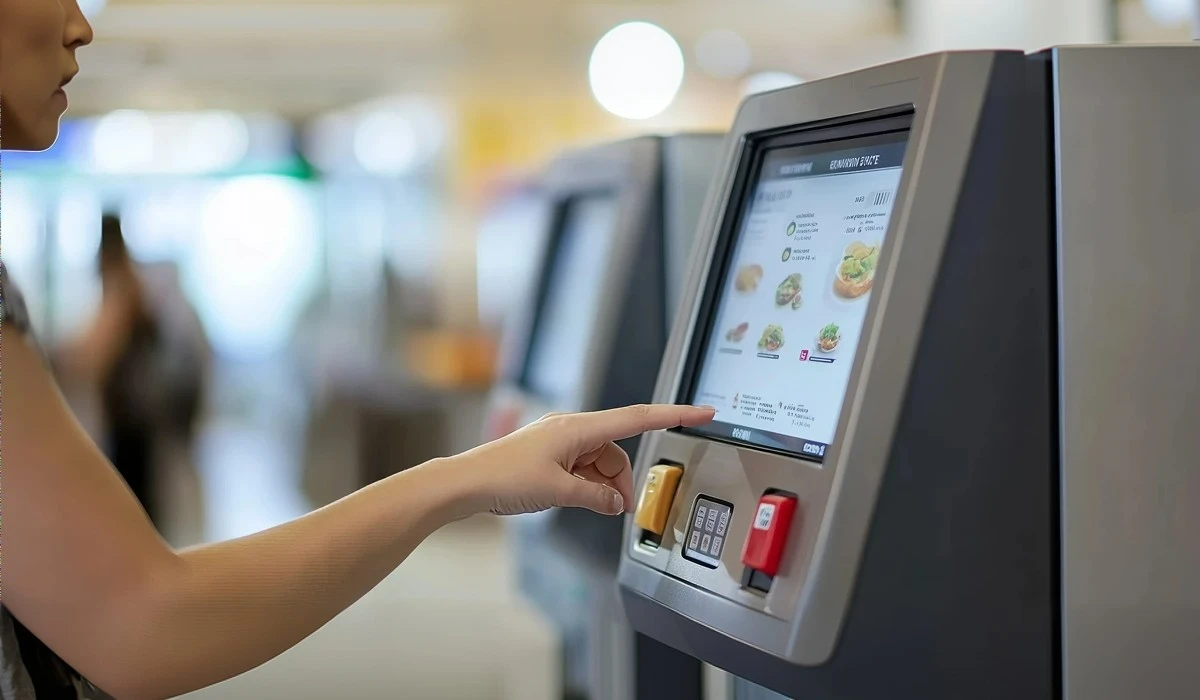
When you stand in front of a glowing touch screen to order lunch, you feel like you are in total control. You tap the burger you want. You pick the drink you like. But beneath that feeling of choice, a carefully designed script is running to guide your hand. The machine knows exactly how to push your buttons without saying a single word. It does not judge you for adding extra bacon or upgrading to a large shake. It just waits. This lack of judgment is exactly why you end up spending more money than you planned.
Retailers and restaurants use specific design tricks to change how you make decisions. They rely on behavioral psychology in self-service kiosks to turn small orders into large feasts. The screen presents options in a way that makes saying "no" difficult. You might think you are just buying lunch, but you are actually stepping into a highly tuned sales environment. The system uses your own brain against you to increase the final bill.
The Removal of Social Friction
We act very differently when we know another human being is not watching us. This simple fact drives a massive shift in how people order food. When you speak to a cashier, you filter your choices. You might worry that ordering a triple-patty burger or a large fry makes you look greedy. This fear of judgment keeps your wallet closed.
Dean Ward from Evoke Creative explains that face-to-face interactions naturally create a fear of scrutiny. We instinctively want the cashier to respect us. This desire for social approval acts as a brake on our spending. But a kiosk has no eyes. It does not care if you order enough food for two people and eat it all yourself.
Data from Vita Mojo supports this reality. They found that 61% of customers spend more at terminals than they do at counters. The removal of human contact eliminates the shame of gluttony. Dean Ward notes that customers often reject upsells from a human because they want to avoid negative perception. You might say "no thanks" to extra fries just to end the interaction quickly. The machine removes that pressure. Without the risk of embarrassment, you feel free to indulge. This leads to a 40% maximum increase in spend per order purely because the "social friction" is gone.
The Trap of High-Definition Visuals
Your brain creates a desire for things it can see clearly and vividly. Kiosks use this quirk of biology to dominate your decision-making process. A printed menu lists text, but a digital screen shows you the glistening cheese and the condensation on the soda glass.
Behavioral psychology in self-service kiosks relies heavily on these visual stimuli. The high-definition imagery does not just show you the product; it creates a craving. When you select a burger, the system immediately flashes a picture of the fries that go with it. These linked item suggestions are not random. They are visual cues designed to trigger an impulse.
The "Decoy Effect" often comes into play here. The screen might show a massive soda next to a regular one. The huge option makes the regular one look like a bad deal, or it makes the regular look small, pushing you toward the larger size. By controlling what you see, the kiosk controls what you want. The vivid pictures bypass your logical brain and appeal directly to your stomach.
Time and the Extended Decision Window
Pressure kills a sale, but patience often creates a buyer. When you stand in a line with people behind you and a cashier waiting in front of you, you rush. You order the same thing you always get because you want to get out of the spotlight. The anxiety of holding up the line forces you to act quickly.
Dean Ward points out that kiosks offer a relaxed pace that allows for consideration. The "Extended Decision Window" changes the game. You can browse the menu without feeling like a burden. This extra time allows the behavioral psychology in self-service kiosks to work its magic.
Because you are not rushing, you actually look at the add-ons. You consider the dessert. You read the description of the premium topping. The system integrates logical upsells at a point where you are ready to listen. Since no one is tapping their foot behind you, you are more likely to say "yes" to the extras. The absence of time pressure removes the cognitive load that usually blocks upsells.
Authority Bias and the Power of Experts
We blindly trust people in white coats or uniforms because we assume they know better. This tendency is called Authority Bias. It is a powerful tool for changing behavior.
In the 1940s, the RJ Reynolds ad campaign used doctors to promote Camel cigarettes. They knew that if a doctor did it, the public would assume it was safe. The specific behavior of trusting an expert overrides our own doubts. Ben Jones from Behavioural Architects notes that uncertainty leads us to follow experts. When we don't know what to choose, we look for a figure of credibility.
What is authority bias in sales? Authority bias is when customers copy the choices of experts or trusted figures to feel safe in their decision.
Modern kiosks use this by highlighting "Chef's Favorites" or "Staff Picks." Even though a doctor isn't standing there, the stamp of authority guides your hand. You align your choice with a knowledgeable source. If the system says a specific wine pairs best with your pasta, you trust it. You assume the machine or the menu creator knows the truth. This alignment lends credibility to the upsell, making you feel smart for spending more money.
Default Bias and the Path of Least Resistance
Doing nothing is actually a choice that designers make for you. The most powerful option on any screen is the one that is already selected. This is known as Default Bias.
The UK Pension Auto-enrolment in 2012 proved how effective this is. The government changed the system from "opt-in" to "opt-out." Before, you had to choose to save. After the change, you had to choose not to save. This simple switch created 10 million distinct additional savers. The default setting creates a path of least resistance.
Ben Jones explains that default settings reduce cognitive load. Thinking is hard work. Your brain prefers to coast. When a kiosk pre-selects the "Large" meal or automatically adds cheese, you have to actively work to remove it. Most people just accept the default to save mental energy. Behavioral psychology in self-service kiosks exploits this inertia. By making the more expensive option the default, the system ensures that laziness leads to higher profit.
Auditory Priming and Environmental Influence
What you hear changes what you taste and what you buy. The environment around the kiosk is often just as manipulated as the screen itself.
Studies show that background music acts as a form of auditory priming. When a store plays French music, customers subconsciously select French wines. When the music switches to German, they buy German wines. They do not realize the music is influencing them. It happens below the level of conscious thought.
Narrative persuasion also plays a huge role. Last year, the TV drama "Salla Salla" in Tunisia used this concept to change national eating habits. The show was rated #4 in the country. It wove a healthy eating narrative into the script. The result was a 22% drop in bread consumption among viewers. Takwa Khelifi from the WFP notes that raw data is insufficient for change. You need an emotional hook. Kiosks use a similar principle by using "edutainment" or storytelling in their digital displays. They don't just list calories; they tell a visual story about freshness and quality to prime you for a purchase.
The Illusion of Autonomy and Customization
Giving you the wheel makes you drive exactly where the seller wants you to go. We all have a deep motivation for autonomy. We want to feel like we own our choices.
Kiosks maximize this by offering intense customization. You can choose the exact amount of ice in your drink or the specific type of bun for your burger. This control creates a sense of ownership over the order. When you build the burger yourself, you value it more. This ownership leads to a higher spend.
How does customization increase spending? When customers build their own product, they feel a sense of ownership, which makes them willing to pay a higher price.
UX design follows the "Don't Make Me Think" rule. The interfaces are intuitive to remove friction, but they also use the "Foot-in-the-door" technique. You commit to a small purchase, like a basic taco. Then the system asks if you want to customize it. Since you already said yes to the taco, you are more likely to say yes to the guacamole. The system uses your desire for control to extract more value from you.
Decision Fatigue and the Categorization Cure
Too many choices can actually stop you from buying anything at all. This is called decision fatigue. When a customer faces a wall of text, they get overwhelmed and might walk away.
Behavioral psychology in self-service kiosks solves this by streamlining choices via categorization. The machine breaks the menu down into small, digestible chunks. First, you pick a protein. Then, a side. Then, a drink. By guiding you step-by-step, the kiosk keeps your brain fresh.
Smart baskets and RFID technology, like those used by Uniqlo, take this further. You drop your items in a bin, and the machine auto-calculates the total. You don't have to scan or think. This ease of use creates a "muscle memory." You get used to the pathway of least effort. You start to prefer the machine over the human because it requires less brain power.
Security and the Risk of Unattended Systems
Convenience always opens a door for bad actors. While kiosks increase sales, they also introduce new risks.
An unattended system is a target for fraud. Without a human watching, people might try to trick the machine. However, the data flows both ways. Trust plays a big role here. People feel a consistency with machines. They trust that the machine is accurate, unlike a human who might make an error. This comfort extends to sensitive data. People are often more comfortable entering healthcare or finance information into a kiosk than saying it aloud to a receptionist.
Why are kiosks risky? Unattended systems invite fraud because there is no human oversight to stop someone from tampering with the machine or the transaction.
But this trust requires protection. PCI compliance is mandatory to keep credit card data safe. Advanced monitoring tools are necessary to replace the eyes of the staff. The trade-off is clear: you get speed and privacy, but the system requires robust digital walls to keep thieves out.
The Future of Ordering
The shift toward self-service is not just about technology; it is about understanding the human mind. The data proves that behavioral psychology in self-service kiosks is a potent tool for increasing revenue. By removing judgment, guiding choices with visuals, and exploiting our natural laziness, these machines get us to buy more.
We think we are the ones choosing the fries, but the environment was built to ensure we did. From the "Salla Salla" broadcast changing national habits to the default buttons on a pension form, the pattern is the same. When the friction of human interaction is removed, our spending habits change. As these systems become smarter, the line between your free will and the machine's script will only get blurrier.
Recently Added
Categories
- Arts And Humanities
- Blog
- Business And Management
- Criminology
- Education
- Environment And Conservation
- Farming And Animal Care
- Geopolitics
- Lifestyle And Beauty
- Medicine And Science
- Mental Health
- Nutrition And Diet
- Religion And Spirituality
- Social Care And Health
- Sport And Fitness
- Technology
- Uncategorized
- Videos

