
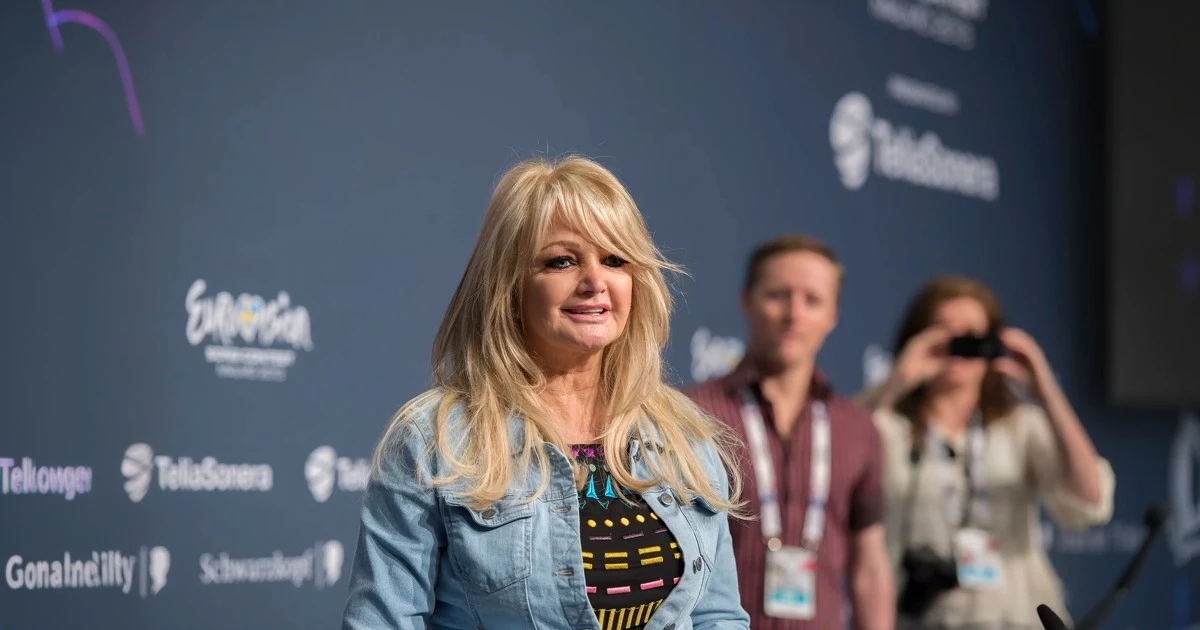
Image Credit - By Albin Olsson, Wikimedia Commons
Bonnie Tyler Hits 1bn Streams On Spotify
One in eight people on Earth recently pressed play on a single song by a woman from a small Welsh village. In an interview with Parade, the singer claims her bank account receives almost no money from those billion digital streams, describing the earnings as "about nothing." This massive gap between global fame and personal profit defines how the music industry operates today. Fans see a huge number on a screen, while the artist sees a reputation that pays in legacy rather than cash. This situation creates a strange environment where a singer remains a household name across the globe while the platforms keeping her famous keep most of the money. Bonnie Tyler stands at the center of this digital shift and proves that staying power requires lasting talent.
The Financial Reality of Bonnie Tyler
Digital platforms pay tiny fractions of a cent for every song play. Digital Music News reports that Spotify paid out over $1.4 million for her entire catalog in 2025. The publication notes that the artist herself describes her streaming earnings as negligible. This happens because record labels and publishers often take the largest portion of the revenue before the singer sees a dime. High volume does not always equal high pay in the modern age.
People across the globe still listen to her music every single day, but the money flows toward the corporate structures that own the rights. How much money does Bonnie Tyler make from Spotify? Even though her songs generate millions in revenue for the industry, Tyler told Parade that her personal profit from these digital plays remains very low. She focuses on the joy of the statistics instead of the lack of a payout. She finds immense happiness in the fact that her work reaches so many people despite the financial disparity.
The Sound of a Medical Mistake
A single moment of disobedience in a hospital room changed the course of rock history forever. Time magazine explains that Bonnie Tyler underwent surgery to remove vocal nodules in 1976. The article details how she ignored her doctor’s order for six weeks of vocal rest and let out a frustrated scream, which permanently turned her voice into a gravelly rasp. This accidental change gave her the grit that fans now recognize instantly. She didn't plan to sound like a "Female Rod Stewart" or a "Female Meat Loaf."
Before the surgery, her voice lacked that signature edge. The scream created a unique texture that allowed her to tackle songs with raw emotional power. This new sound helped her break away from the country-only branding her first record label tried to force on her. How did Bonnie Tyler get her raspy voice? Her famous vocal grit came from the surgery and the subsequent scream that prevented her vocal cords from healing in a standard way. This rasp became her greatest professional asset.
Bonnie Tyler and the Billion Stream Milestone
Reaching one billion streams on a single track places an artist in an elite group that includes the biggest modern pop stars. Billboard reports that "Total Eclipse of the Heart" achieved this milestone on Spotify in 2025, proving that a song from 1983 can compete with hits released yesterday. The publication also notes the music video has over 1.2 billion views on YouTube and continues to attract new generations of listeners.
The world population sits at roughly 8.3 billion people, meaning a significant percentage of the human race has interacted with this one piece of music. This "evergreen" status ensures that the song appears in movies, commercials, and wedding playlists every year. The track remains a staple of global culture because it captures a specific kind of operatic drama that listeners never seem to tire of. Bonnie Tyler remains relevant because her music functions as a permanent part of the cultural world.
From Coal Mines to Global Stages
A person’s early environment often dictates their work ethic more than any formal training or classroom education. According to biographies from The Guardian and Swansea University, she was born Gaynor Hopkins in 1951. These sources state she grew up in a council house in Skewen, Wales, with a coal miner father and a homemaker mother. The records show she left school at age 16 with zero qualifications and began working as a grocery store clerk to make ends meet.
This humble start gave her the resilience needed to survive the highs and lows of the music business. She changed her name several times, moving from Gaynor Hopkins to Sherene Davis before finally settling on Bonnie Tyler after finding the name in a newspaper. Her musical influences came from powerful voices like Janis Joplin and Tina Turner, specifically the track "River Deep – Mountain High." These influences shaped her desire to project strength through her music. Her path from retail labor to international stardom shows that raw talent and persistence can overcome a lack of traditional credentials.
The Power of the Eight Minute Ballad
Standard radio rules usually limit songs to three or four minutes to keep listeners from changing the station. Time magazine notes that when Jim Steinman brought an eight-minute "Wagnerian" rock ballad to the table in 1983, many industry experts felt skeptical. The publication mentions that they doubted stations would play such a long, dramatic piece of music. The song broke those rules by offering an emotional intensity that shorter tracks couldn't match. Even the four-minute radio edit felt larger than life compared to typical pop hits of the time. Steinman viewed the composition as a massive emotional blitz, and Tyler’s voice provided the perfect vessel for that energy. This collaboration proved that audiences actually crave long-form storytelling when the performer delivers it with enough passion. The song’s duration didn't hurt its success; it made the track a landmark event in music history.
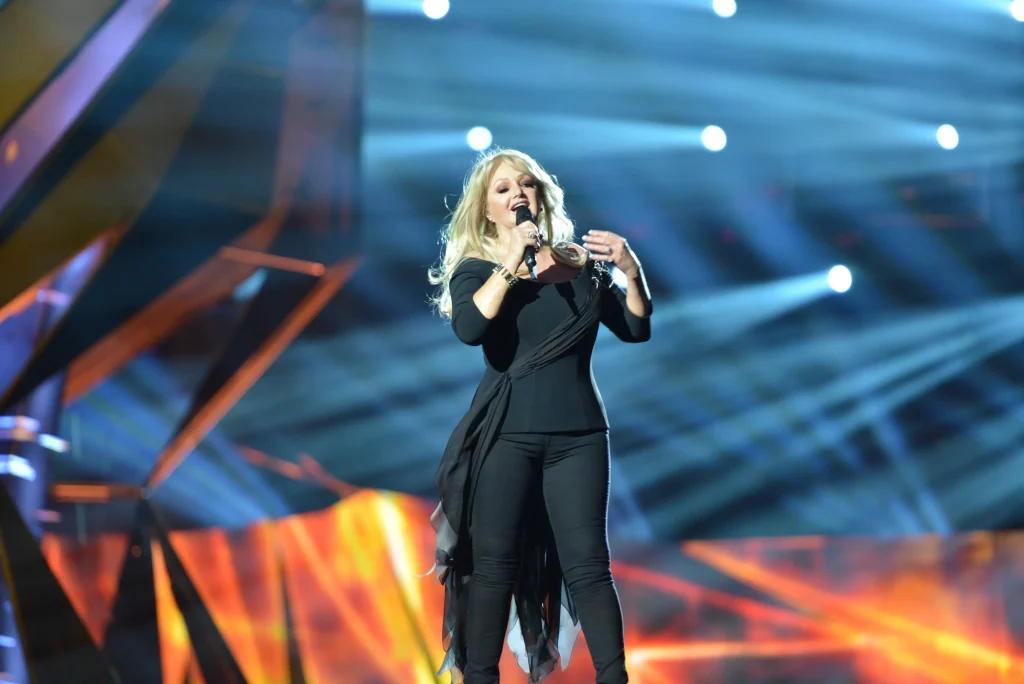
Image Credit - By Albin Olsson, Wikimedia Commons
Building a Fortune Beyond the Microphone
A smart artist understands that fame is temporary, but land and property provide a permanent safety net. While the streaming world pays Bonnie Tyler very little, her savvy investments in real estate have built a massive personal fortune. She owns 22 properties across Berkshire and London, along with farmland in Portugal and a dairy farm in New Zealand. She even owns a quarry and 65 boarding stables for horses. These assets mean she never has to worry about the declining value of a record deal or the low payout of a digital play. She turned her early career earnings into a varied portfolio that supports her lifestyle and her charitable work. The official Noah’s Ark Children’s Hospital website identifies her as an ambassador and a patron for the Bobath Children’s Therapy Centre. Her financial independence comes from bricks and dirt, not just from the songs she sings on stage.
The Unending Energy of the Stage
Most people look forward to retirement after forty years of work, but some find that the work itself provides the energy needed to keep going. Official tour listings on BonnieTyler.com and Ticketmaster show that at age 74, Tyler continues to perform and has four major UK shows scheduled for 2026. She views the crowd’s participation as her primary source of fuel during live shows. Whether she is performing in a small club or representing the UK at Eurovision, she brings the same level of intensity to the microphone.
Is Bonnie Tyler still touring? She continues to perform for fans around the world. Her experience at the 2013 Eurovision song contest in Sweden highlights her perspective on success. Even though she finished in 19th place, she described the event as an incredible experience comparable to the Grammys. She prioritizes the thrill of the performance over the ranking on a scoreboard. This attitude allows her to maintain her "blonde bombshell" image while remaining the hardworking girl from Wales.
The Enduring Legacy of Bonnie Tyler
The music industry changes its rules every decade, but some voices manage to survive every shift in technology. Bonnie Tyler moved from vinyl records and cassette tapes to the world of billion-stream digital milestones without losing her core identity. She remains a rock and pop icon because she embraced the accidental changes in her voice and the unconventional length of her biggest hits. Her story shows that an artist can dominate the global stage while remaining grounded in the reality of their finances and their roots. She proves that a billion streams represent more than just a number; they represent a permanent connection with a global audience. Bonnie Tyler continues to sing because the music provides a joy that money cannot buy and a legacy that digital platforms cannot erase. Her voice remains a constant force in a world that is always moving on to the next big thing.
Recently Added
Categories
- Arts And Humanities
- Blog
- Business And Management
- Criminology
- Education
- Environment And Conservation
- Farming And Animal Care
- Geopolitics
- Lifestyle And Beauty
- Medicine And Science
- Mental Health
- Nutrition And Diet
- Religion And Spirituality
- Social Care And Health
- Sport And Fitness
- Technology
- Uncategorized
- Videos

