
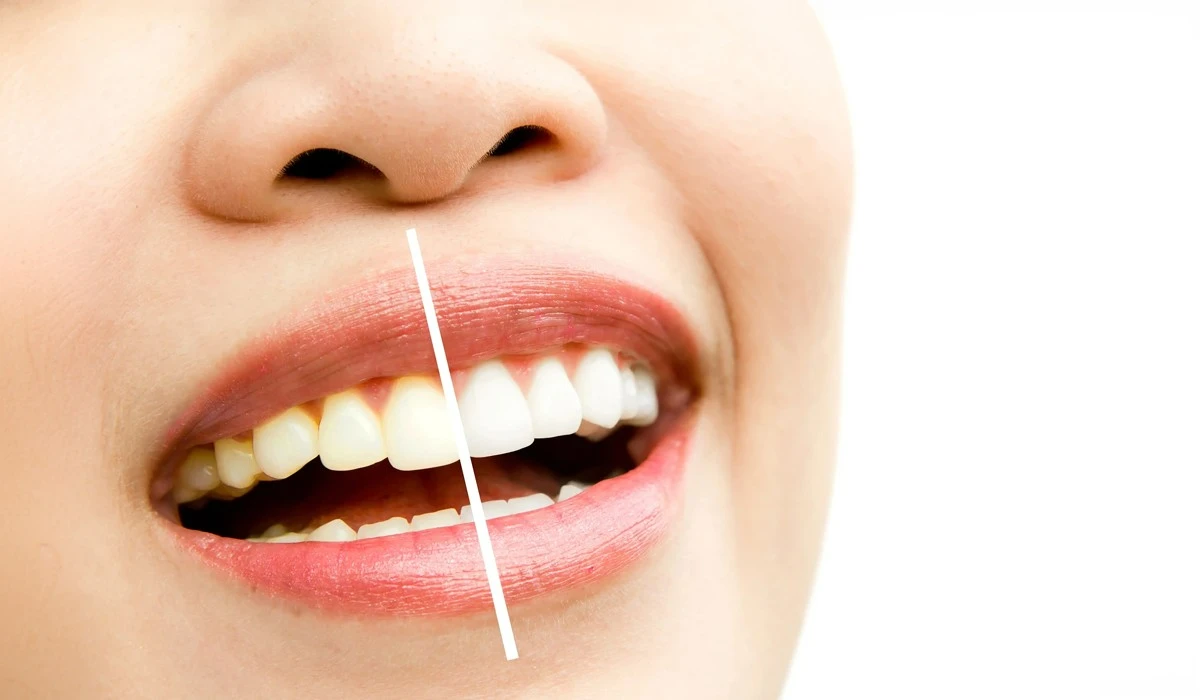
Whiten Teeth Naturally With Oil Pulling Therapy
Most people scrub their teeth with abrasive pastes and burn their gums with alcohol-based rinses to get a brighter smile. They fight a daily war against yellowing surfaces. According to research published in the Journal of Applied Microbiology, bacteria build sticky walls consisting of a matrix of polymers that water and bristles cannot penetrate. An entry in Britannica notes that this buildup creates a dull, yellow film of plaque regardless of how hard someone brushes. Many people now turn to Oil Pulling Therapy to address this at the source. This ancient practice uses simple fats to clear away the debris that standard chemicals leave behind. It offers a natural way to lift stains and improve oral health without the sting of peroxide.
The Ancient Origins and Modern Resurgence of Oil Pulling Therapy
Ayurvedic healers in India practiced this method over 3,000 years ago. As highlighted in the Journal of Ayurveda and Integrative Medicine, they referred to this practice as Kavala Graha or Kavala Gandoosha. These ancient doctors wrote about it in the Charaka Samhita, one of their most important medical texts. They believed oral health dictated the health of the entire body. The practice belongs to a daily self-care routine called Dinacharya. This routine focuses on balancing the body’s internal systems before the day begins.
For centuries, this remained a local secret in Eastern medicine. In the early 1990s, Dr. F. Karach brought the technique to the modern world. He shared his findings with the All-Ukrainian Association of the Academy of Sciences. He claimed the practice cured various systemic diseases by removing toxins from the mouth. Today, people use it as a holistic alternative to store-bought whitening strips. Modern wellness fans value it because it works with the body rather than against it. Oil Pulling Therapy connects ancient wisdom and current dental needs.
The Role of Lipids in Removing Toxins
As explained in the Journal of Biological Chemistry, bacteria in your mouth consist of a single cell that is surrounded and contained by a fatty phospholipid bilayer membrane. When you swish oil, these fatty surfaces act like a magnet. The oil attracts the bacteria because they share a similar chemical makeup. You effectively trap the microbes in the liquid oil. This process clears out Streptococcus mutans and other harmful invaders that cause decay.
Why Oil is More Effective Than Water Alone
Water and oil do not mix, but oil and saliva create a powerful reaction. As you swish, the oil turns into a soap through a process called saponification. This natural soap breaks down the tough plaque that sticks to your enamel. How long does it take for oil pulling to work? You will notice fresher breath almost immediately, but significant whitening and gum improvements usually take two to six weeks of daily practice. This change happens because the oil reaches deep between teeth where bristles cannot go. A study in the Nigerian Medical Journal suggests that the repetitive movement also creates a mechanical shearing force that leads to emulsification. The researchers found that this force dislodges biofilm from the surface of the teeth.
Reducing Harmful Bacteria (Streptococcus mutans)
Streptococcus mutans serves as the main cause of tooth decay. Britannica explains that these bacteria metabolize simple sugars into acids. These acidic byproducts then dissolve your enamel. A 2016 study in the Journal of Contemporary Dental Practice found that 10 minutes of coconut oil pulling daily significantly reduced these bacteria. This reduction happened in just two weeks. Fewer bacteria mean less acid and fewer cavities over time.
Promoting Healthier Gums and Reducing Inflammation

Healthy gums stay firm and pink. The Mayo Clinic states that when bacteria build up, gums can become red, tender, and swollen. These oil pulling benefits extend to the very edge of your gum line. The oil reduces the biofilm that irritates sensitive tissue. Clinical trials by researchers like Asokan in 2009, published in the African Journal of Traditional, Complementary and Alternative Medicines, demonstrated significant drops in plaque index scores. Research in the Nigerian Medical Journal also noted that people experience less bleeding after thirty days of this routine, shown by a statistically significant decrease in gingival index scores. The oil provides help for inflammation that rivals many chemical mouthwashes.
Natural Teeth Whitening and Surface Stain Removal
According to the Journal of Oral Implantology and Dentistry, stains from coffee and tea live in a thin layer on your teeth called the acquired pellicle. Oil dissolves this protein layer safely. Unlike harsh bleaches, oil pulling does not damage the enamel underneath. It reveals the natural, bright white color of your teeth by removing the dirty film covering them. Research in the Journal of Clinical and Diagnostic Research indicates that the process neutralizes Volatile Sulfur Compounds (VSCs) too. This study mentions that these compounds are mainly responsible for bad breath, and eliminating them addresses the problem at its source.
Essential Steps for an Effective Oil Pulling Routine
Start your oil pulling routine with exactly one tablespoon of high-quality oil. Place the oil in your mouth and begin swishing it gently. Push and pull the liquid through your teeth and across your gums. According to a report in the Journal of Ayurveda and Integrative Medicine, you should try to keep this up for fifteen to twenty minutes. This duration allows the oil to fully interact with the bacteria and plaque. If your jaw muscles tire, you are swishing too hard. Relax your face and keep the oil moving slowly.
Can I swallow the oil after oil pulling? You should never swallow the oil because it contains all the bacteria and toxins you just removed from your mouth. Always spit the used oil into a trash can to protect your plumbing. The Journal of Ayurveda and Integrative Medicine also notes that the oil turns into a milky-white color when you finish because it has become viscous. Finish by rinsing your mouth with warm salt water. This clears away any remaining residue and neutralizes acids.
Why Coconut Oil is the Modern Favorite
Most people choose coconut oil for Oil Pulling Therapy. It contains high amounts of lauric acid, roughly 45% to 50% of its content. Research in Antimicrobial Agents and Chemotherapy shows that this specific fatty acid kills germs and fungi effectively. It specifically targets Candida albicans, and as noted by StatPearls, this yeast is the primary cause of oral thrush. Coconut oil also tastes better than most other options. Its pleasant aroma makes the twenty-minute session much easier for beginners.
Traditional Alternatives: Sesame and Sunflower Oil
Sesame oil remains the traditional choice in India. According to a study in the Journal of Medicinal Food, it contains sesamin and sesamolin, which act as strong antioxidants. These compounds protect the gums from oxidative stress. As reported by EatingWell, sunflower oil also works well for a daily oil pulling routine because it provides plenty of Vitamin E. Research published in the Journal of Oral Pathology & Medicine indicates that this vitamin helps heal small sores in the mouth and supports mucosal health. Cold-pressed, organic versions of these oils work best because they retain their bioactive compounds.
The Importance of Consistency
A single session will not change your smile. You must maintain a steady oil-pulling routine to see real change. Daily swishing prevents the regrowth of plaque layers. Think of it like exercise for your mouth. Consistency builds a barrier against future stains and decay. Missing even a few days allows the bacterial biofilm to harden again.
Best Time of Day for Maximum Efficacy
Perform your oil pulling first thing in the morning. Your mouth contains the highest level of bacteria right when you wake up. Do this on an empty stomach before you drink water or eat breakfast. This ensures the oil cleans your mouth before you swallow any accumulated germs. Does oil pulling actually whiten teeth? It removes surface stains and yellow plaque effectively, but it does not change the natural bone color of your teeth as chemical bleaching does. Cleaning the surface makes your smile look much brighter and cleaner.
Environmental Safety: How to Dispose of Oil
Never spit oil down the drain. The Spruce Eats points out that coconut oil turns solid at 76 degrees Fahrenheit. This will clog your pipes and lead to expensive repairs. Always use a paper towel or a trash bin for disposal. This small step saves your home from plumbing disasters. It also prevents grease from entering the local water system.
When to See a Dentist
Experts at the Cleveland Clinic advise that Oil Pulling Therapy supports your health but does not replace professional care like brushing and flossing. It cannot fill a cavity or fix a broken tooth. Continue to brush and floss your teeth twice a day. The American Dental Association views this as a supplemental practice. See your dentist for regular checkups to ensure your mouth stays in top shape.
Be careful not to inhale the oil while swishing. A rare condition called lipid pneumonia can occur if oil enters the lungs. Keep the oil in your mouth and focus on gentle movements. Natural remedies work best alongside modern dental hygiene and careful practice.
Embracing Oil Pulling Therapy for a Brighter Smile
Achieving a bright smile involves scrubbing the surface and using a method that addresses the biological reality of oral bacteria. Adding a simple swishing habit to your morning lets you take control of your dental health. You remove the dirty film that dims your teeth and irritates your gums. The numerous oil-pulling benefits go far beyond just looks. You create a cleaner environment for your teeth to thrive. Consistency turns this ancient practice into a powerful tool for your daily wellness. Embracing Oil Pulling Therapy provides a gentle, effective way to maintain a radiant smile for years to come.
Recently Added
Categories
- Arts And Humanities
- Blog
- Business And Management
- Criminology
- Education
- Environment And Conservation
- Farming And Animal Care
- Geopolitics
- Lifestyle And Beauty
- Medicine And Science
- Mental Health
- Nutrition And Diet
- Religion And Spirituality
- Social Care And Health
- Sport And Fitness
- Technology
- Uncategorized
- Videos

