
Subway Protein Pockets Target 12% on Weight Meds
Your body no longer demands a mountain of bread when a drug tells your brain you are already full. Restaurants now face a strange reality where selling less food earns them more money. This shift changes every menu in America. A press release from Subway announces that the January 2026 Protein Pockets launch signals a large change in fast food operations. Chains stopped competing for the biggest burger and now fight for the most productive calorie. Data published by JAMA and the RAND Corporation shows that 12% of US adults currently use GLP-1 weight-loss medications to rewire their appetite. This group does not want bottomless pasta or giant subs. They want enough protein to save their muscles while they eat almost nothing else. The food industry currently strips away the filler to keep these customers coming back. Every major brand now prioritizes nutrient density over sheer volume.
Restaurants Lose Money When Giant Plates Repel Customers
Large portions now act as a deterrent for a growing segment of the population that physically cannot finish them. For decades, the American dining experience relied on the idea of abundance. People wanted the most food for the fewest dollars. That logic collapsed when medications like Ozempic and Wegovy entered the mainstream. These drugs mimic hunger hormones and slow down the digestion process.
Clinical information from the Cleveland Clinic explains that these medications primarily lower appetite and make patients feel full much faster than before. This change in biology forces a change in business. If a customer knows they will leave 70% of a meal on the table, they stop ordering that meal. Brands like Subway recognized this early. They moved away from the "Fresh Fit" slogans of the 2010s to focus on specific nutritional needs.
The industry now tracks a cultural wave of weight loss that demands smaller, punchier options. Data published by JAMA and the RAND Corporation showed that GLP-1 usage hit 12% in the United States in late 2023. This represents a large portion of the spending public. These diners want food that supports their new medical reality rather than a traditional diet. Chains must now provide "guest choice" that includes smaller sizes to prevent losing these customers to home cooking.
How The Protein Pockets Change the Snack Game
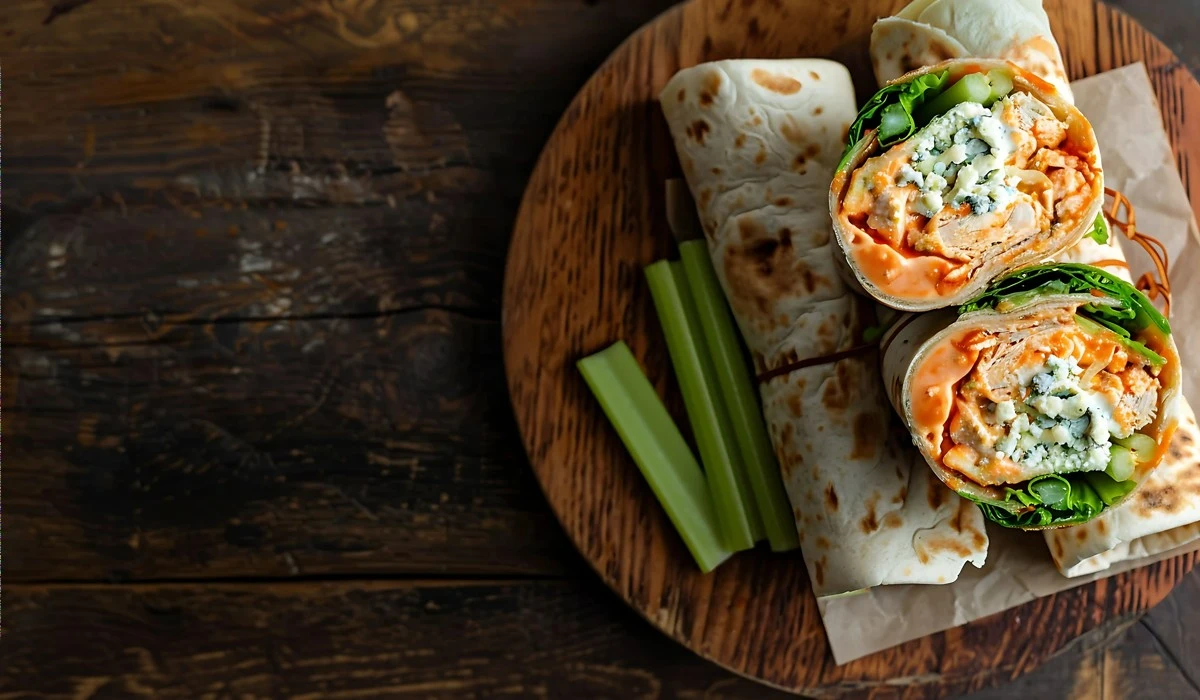
Shrinking a sandwich into a pocket allows a brand to stay relevant to people who only eat 1,200 calories a day. According to a Subway press release, the company rolled out Protein Pockets to 96% of its US locations in January 2026. Subway added this product as a direct response to data showing that people on weight-loss medication prefer snack-sized portions.
The same press release confirms that each pocket contains over 20 grams of protein, making it a practical option for those with limited stomach capacity. This high protein count helps users meet their daily goals without forcing them to eat a large sub. Damien Harmon of Subway noted that consumers now hunger for low-calorie counts paired with high protein.
The "Protein Pocket" represents a shift from a meal to a tool. It functions as a high-density snack. People use these items to bridge the gap between small meals. Subway ensures that a GLP-1 user can find a "safe" food option anywhere in the country as they sell these in nearly every store. This move also targets the "snack wrap" demand that other chains have struggled to fill. It turns a quick stop into a functional nutritional choice.
Scaling Down Classics Solves the Waste Problem at Olive Garden
Removing 400 calories from a plate keeps a diner in the seat without wasting half the food. Reporting from AOL and nutrition data from FatSecret confirm that Olive Garden recently debuted a "Lighter Portion" menu with seven different dishes in late 2024. The reports note that a standard Chicken Parm at Olive Garden typically carries 1,020 calories and 64 grams of protein. While the protein is high, the calorie count is often too much for a GLP-1 user to handle in one sitting.
The data shows the "light" version of the same dish drops the calories to 630 while still providing 36 grams of protein. This scaled-down portion targets the incidental benefit for medication users. Ricardo Cardenas of Darden Restaurants explained that the goal is simply to expand guest choice. However, the timing suggests a clear alignment with the weight-loss trend.
Many chains offer these lighter plates at lower price points to drive more frequent visits from budget-conscious and health-conscious diners. This pricing strategy makes the restaurant an accessible daily option rather than a once-a-week splurge. It also reduces food waste. When a customer finishes their plate, they feel a sense of accomplishment rather than the guilt of throwing away expensive leftovers.
New Guidelines Require the Protein Pockets Strategy
New government standards suggest humans need nearly double the protein previously thought to stay healthy. Reports from the Harvard T.H. Chan School note that the US Dietary Guidelines updated their official protein recommendations in January 2026. The previous standard suggested 0.8 grams of protein per kilogram of body weight, but the updated guidelines pushed that number to a range of 1.2 to 1.6 grams.
This change happened right as more Americans began using drugs that cause rapid weight loss. A 2025 review by Mesinovic warns that rapid weight loss often leads to muscle wasting. To protect their muscles, the study suggests that people must eat significantly more protein even as they eat less total food. Jenna Werner, a registered dietitian, points out that protein priority is the only way to maintain strength during a medical weight-loss process.
The Subway Protein Pockets and similar high-protein cups at Chipotle fit this new guideline. A news release from Chipotle highlights that their "High Protein Cup" offers 32 grams of cubed chicken. This is a formalization of "social media meal hacks" where customers used to order sides of meat to hit their macros. Now, the restaurant does the work for them. They provide the protein without the rice and beans that would fill a user up too quickly. This focus on muscle maintenance is the new "healthy."
The Evolution of the Healthy Label
In the past, "healthy" meant low fat or low calorie. Today, it means nutrient density. Brands are moving away from general terms toward specific labels like "GLP-1 Support." This helps diners navigate a menu when their appetite has shifted. Smoothie King was the first major chain to launch a specific GLP-1 menu in early 2024. They collaborated with dietitians to ensure their smoothies had zero added sugar and high fiber.
Consumers Willingly Pay More for Less Weight
A counterintuitive valuation surge occurs when manufacturers sell smaller amounts of high-quality protein for higher prices. This is known as "premiumization." People are eating less meat in total, but they are willing to pay more for the meat they do eat. Justin Bina from ASU notes that manufacturers are capturing a "GLP-1 premium."
Price sensitivity drops when a consumer focuses on quality over quantity. If you only eat one meal a day, you want that meal to be excellent. You want high-quality dairy, grass-fed beef, or lean chicken. Arla Pro research shows that dairy is seeing a resurgence as a natural, high-quality protein source.
Meanwhile, the environmental effect of this shift is significant. If Americans eat less meat, cattle production might drop. This makes protein a demand-side sustainability tool. However, this creates a market division. High-income consumers pay the premium for "clean" protein. Low-income consumers face strained access as protein prices rise across the board. The Subway Pockets aim to bridge this gap as they provide a high-protein option that remains affordable for the average person.
Unstated Risks in the New Health Menus
Marketing a smoothie as a health tool often ignores the large amount of sodium concealed in the cup. While the shift toward protein is generally positive, it creates new risks. High protein does not automatically mean a food is healthy. Many of these new "GLP-1 friendly" items omit necessary fats, carbs, and micronutrients.
For example, a Smoothie King Gladiator GLP-1 drink might have zero added sugar, but it often contains more sodium and cholesterol than a Krispy Kreme donut. This represents the obscured side of the menu pivot. Chains focus on the one metric that medication users care about—protein—and ignore the rest of the nutritional profile.
Relying solely on these processed items can lead to an imbalanced diet lacking in essential vitamins and minerals found in whole foods. A diet of just Protein Pockets and protein shakes lacks the diversity needed for long-term health. Jenna Werner warns that "healthy" has different meanings for different people. Individual nutritional requirements still matter more than a "one size fits all" GLP-1 label.
The Future of the High-Street Menu
The shift from sitting down to grabbing a high-protein snack changes where stores build their new locations. Large, expensive restaurant spaces in city centers are becoming harder to justify. Brands like Leon are restructuring to focus on service stations and airports. These are "high-flow" areas where people need a quick, high-quality hit of protein before moving on.
Leon’s mission now focuses on simple meatballs and superfood salads. John Vincent of Leon argues that fast food must return to its quality roots to survive a "toxic tax environment." The goal is muscle maintenance over calorie counting. This mirrors the strategy of Greggs in the UK, which has seen sales shift as more people choose smaller portions over heavy pastries.
Even burger chains like Shake Shack are adapting. Their "Good Fit Menu" features lettuce-wrapped burgers to offer flexibility. The brand prioritizes flexibility over a dieting label. The Subway Protein Pockets are the ultimate version of this flexibility. They are small, portable, and dense. They fit the life of a person who is constantly moving and no longer driven by the biological urge to overeat.
Summary of Major Menu Changes
- Subway: 20g+ protein snacks in 96% of locations.
- Olive Garden: 600-calorie versions of 1,000-calorie classics.
- Chipotle: Formalizing high-protein "meat only" cups.
- Smoothie King: Zero-sugar smoothies designed by dietitians.
- Leon: Focus on superfood salads and meatballs for travelers.
The New Standard of Dining
The food industry has stopped fighting the weight-loss drug trend and started fueling it. For years, restaurants survived by selling cheap calories in massive bags. That system failed as soon as the American appetite began to shrink. The rise of Subway Protein Pockets proves that the future of food is small, dense, and expensive.
Chains now act as "facilitators of a wholesome lifestyle," as an Eli Lilly spokesperson suggested. They empower users through varied sizing and help reduce food waste. The focus has moved from the stomach to the muscle. This is a permanent change in how we define value at the counter.
We are seeing the end of the "supersize" period. In its place, we have a system that rewards quality and nutritional productivity. Whether you are on a GLP-1 drug or just trying to hit the new US Dietary Guidelines, the menu is finally working with your body instead of against it. Subway Protein Pockets represent the start of a trend where less food means more health.
Recently Added
Categories
- Arts And Humanities
- Blog
- Business And Management
- Criminology
- Education
- Environment And Conservation
- Farming And Animal Care
- Geopolitics
- Lifestyle And Beauty
- Medicine And Science
- Mental Health
- Nutrition And Diet
- Religion And Spirituality
- Social Care And Health
- Sport And Fitness
- Technology
- Uncategorized
- Videos

