

NSW Shark Attacks: 48 Hour Surge Explained
Heavy rain flushes land nutrients and sewage into the ocean to create an accidental feeding zone. ABC News reports that 20 millimeters of rain flushes fecal matter and raw sewage into the harbor, which draws bait fish and predators toward the shoreline. This sudden influx of food shifts the danger from the deep sea to the very edge of the sand. According to The Guardian, four shark attacks occurred off the New South Wales coast within 48 hours, prompting officials to recommend public pools over beaches.
The Reality of the Recent Shark Attacks
Rainwater turns the clear blue ocean into a brown, nutrient-rich soup that attracts bait fish. Large predators follow these smaller fish into shallow areas they usually avoid. This movement brings humans and sharks into the same narrow strip of water at the same time. Between a Sunday afternoon and a Tuesday morning, four separate encounters occurred along the New South Wales coast.
The cluster began at 4:20 pm on Sunday at Vaucluse, where emergency services responded to reports of a 12-year-old boy bitten by a shark near the Hermitage Foreshore Walk at Shark Beach, according to ABC News. This area sits within the harbor, and while the name suggests danger, actual strikes there remain historically rare. The boy fell victim to the predator while near a six-meter ledge. By Monday morning, the focus shifted to Dee Why Beach. An 11-year-old surfer felt a massive blow against his board. He saw the predator surface before the force ejected him into the water. Bystanders rushed to help him as he scrambled back to safety.
How many shark attacks happen in Australia each year? Data from the Taronga Conservation Society show that Australia averages 20 shark incidents and approximately 2.8 fatalities per year. This historical average makes a cluster of four strikes in two days a statistical anomaly. The surge forced authorities to shut down more than 20 locations across the Northern Beaches stretch. Ironically, the heavy swells that drew surfers to the water also prevented the deployment of safety tools.
The Environmental Factors Behind NSW Shark Attacks
Storms dump massive amounts of freshwater into the sea, which changes the salt levels and clarity near the shore. These conditions favor specific species that hunt by feel rather than sight. When the water turns brackish and murky, the risk of a defensive or accidental bite increases significantly.
Bull sharks thrive in these conditions. The Florida Museum of Natural History explains that bull sharks frequent shallow, low-salinity estuaries and lagoons to use them as nurseries, while The Guardian notes that experts urge swimmers to avoid murky water with low visibility. Most experts advise people to stay out of the water for at least 48 hours after a storm because runoff attracts bait fish and hungry predators. The sewage and debris in the water create a low-visibility environment where a shark might mistake a human limb for a fish.
Current water temperatures also play a role. During the Summer and Autumn months, the sea stays above 19°C. These warm currents bring tropical species further south and closer to the beaches. When you combine warm water with high turbidity, you create the perfect setting for a close encounter. Public pools offer a safer alternative during these periods of high turbidity, as they provide a controlled environment away from the unpredictable ocean.
Survival and Heroism at Manly Beach
Severe blood loss causes a physical shutdown that prevents the victim from screaming. When a predator strikes a major artery, the body redirects all energy to the core to keep the heart beating. This physical reality means the most seriously injured victims often appear the most calm.
The Guardian reports that a shark attacked a 27-year-old man roughly 40 meters offshore at North Steyne Beach around 6:15 pm on Monday. The attack happened only 40 meters from the shore. Witnesses described the predator as a five-meter beast, though experts often lean toward identifying these coastal attackers as bull sharks. The victim suffered a massive strike to his lower limb. A surfer named Ash helped the man paddle toward the sand and told him not to look at the wound.
The man entered cardiac arrest on the sand, and medical staff eventually administered 13 units of blood during his emergency transport to the hospital. Max White, an onlooker, noted that the man remained breathing but had no awareness of his surroundings. Bystanders used a leg rope as a makeshift tourniquet to slow the profuse bleeding. Are bull sharks aggressive? Bull sharks are considered one of the most aggressive species because they frequent shallow coastal areas where they often encounter humans. The quick thinking of off-duty doctors and brave surfers on the scene saved the man’s life.
The Role of Technology and Beach Closures
Modern safety gear often fails exactly when the risk to swimmers reaches its peak. As reported by The Guardian, heavy swells recently stopped the operation of smart drumlines that normally alert authorities to shark activity, and SharkSmart data indicates that dangerous weather prevented fishing operations on 266 out of 465 trial days during previous trials. When the weather turns, humans lose their primary line of defense.
The New South Wales government uses 30 smart drumlines between Manly and Palm Beach. These units operate daily under normal conditions to catch and move dangerous sharks away from swimming zones. However, recent heavy swells prevented their operation during this 48-hour spike. Reuters indicates that heavy rainfall creates optimal conditions for sharks to enter Sydney Harbour, and research published in ScienceDirect suggests that sharks now arrive in the region earlier and stay longer due to changing climate patterns. Premier Chris Minns stated that no universal solution exists to prevent these strikes entirely. He also confirmed his opposition to culling, focusing instead on expert warnings and technology.
The warning from the Department of Primary Industries came shortly after a tragic incident in September at Long Reef beach, where a Great White shark killed Mercury Psillakis. The recent cluster of shark attacks proves that even with smart drumlines and aerial surveillance, the ocean remains a wild environment. When the drumlines stay dry due to weather, the responsibility of safety shifts entirely to the individual swimmer.
Species Behavior and Coastal Hazards
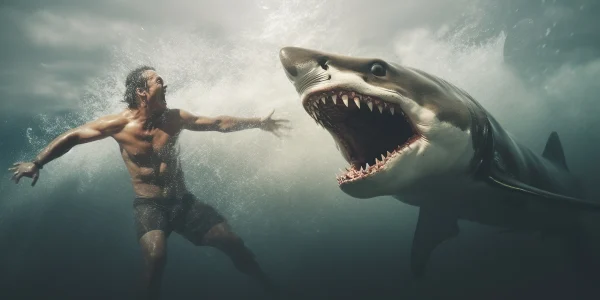
A shark’s hunting strategy changes based on how much light reaches the seafloor. In clear water, they observe and circle, but in dark water, they rely on sudden, powerful strikes to disable prey. This change in behavior turns a curious animal into a reactive hunter.
The 11-year-old victim at Dee Why described the predator hitting his craft with enough force to throw him into the air. This type of strike suggests a shark roughly 1.2 meters or about five feet long. While smaller than the "monster" seen at Manly, a shark of this size still possesses enough power to cause permanent physical impairment. John Duncan, a local observer, noted that onlookers had seen signs of a predator before the lower limb strike occurred.
Bull sharks remain the primary suspect for many of these harbor and shoreline incidents. They navigate shallow depths with ease and often follow bait fish into the surf zone. The presence of sewage runoff further complicates the situation by attracting even more marine life to the coast. This influx of biological activity turns a popular surfing spot into a high-risk zone.
The Human Cost of Predator Encounters
The trauma of a shark strike extends far beyond the physical wounds of the victim. Those who witness the event or participate in the rescue often carry the weight of the experience for years. In small surfing communities, these events change how everyone views the water.
Joseph McNulty praised the courageous efforts of the peers who jumped into action during the attacks. He described the extraction of the victims as heroic but noted the traumatic sights the young witnesses had to process. At Vaucluse, the 12-year-old boy was lucky to be near people who could pull him from the water immediately. At Manly, the presence of an off-duty doctor during the crisis proved vital. Christie Marks from NSW Ambulance highlighted that the profuse blood loss could have been fatal without that immediate medical intervention.
Ironically, the victims often focus on the shore rather than their injuries. The 27-year-old at Manly stayed quiet from agony, focusing every ounce of his remaining strength on reaching the sand. His survival relied on a chain of human decisions: the surfer who helped him paddle, the bystander with the leg rope, and the paramedics with the defibrillator.
Managing Future Risks Along the Coastline
Staying safe in the ocean requires an understanding of how land weather dictates sea behavior. You cannot judge the safety of the water by the size of the waves alone. You must also look at the color of the water and the proximity of river mouths.
The Guardian confirms that a fourth shark attack occurred on Tuesday when a predator bit a surfer at Limeburners Creek. This continued the pattern of strikes moving along the coast. It reinforced the advice from the Department of Primary Industries to exercise extreme caution. They emphasize that while technology helps, it cannot replace personal awareness. Swimmers should avoid the water during dawn and dusk, or when the water looks brown and murky, as this remains the most effective way to stay safe.
The Guardian relays advice from authorities that swimmers should use local pools because poor water quality and shark activity currently make beaches unsafe. While surfers often ignore warnings to catch a heavy swell, the recent data suggests the risk increases significantly when the water clarity drops. The cluster of incidents serves as a reminder that the ocean is a changing system where humans are guests.
Resolution: The Future of NSW Shark Attacks
The recent spike in shark attacks in NSW highlights a tension between human recreation and natural predator cycles. Heavy rain and warm summer temperatures created a specific environment that brought sharks and people into a dangerous collision. While technology like smart drumlines offers some protection, nature often renders these tools useless during high-risk weather. The survival of the victims in these four cases came down to the rapid response of bystanders and the skill of medical teams. Moving forward, coastal safety will rely on a better understanding of how environmental factors, like river runoff and water turbidity, influence shark behavior. Respecting the water means recognizing when the ocean has shifted from a playground to a feeding ground.
Recently Added
Categories
- Arts And Humanities
- Blog
- Business And Management
- Criminology
- Education
- Environment And Conservation
- Farming And Animal Care
- Geopolitics
- Lifestyle And Beauty
- Medicine And Science
- Mental Health
- Nutrition And Diet
- Religion And Spirituality
- Social Care And Health
- Sport And Fitness
- Technology
- Uncategorized
- Videos

