
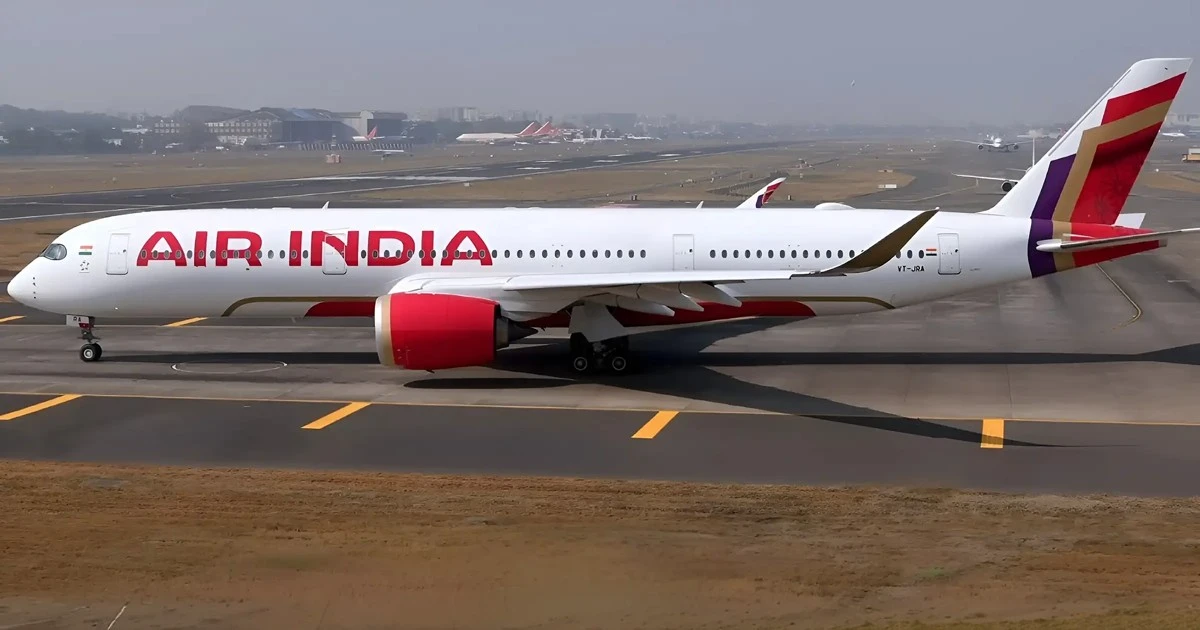
Image by- Pramodkraj12, CC BY 4.0
Air India Flight 101 Cargo Collision Explained
Aviation safety focuses heavily on the sky, yet the most immediate threats often sit unnoticed on the tarmac. A pilot controls the aircraft, but the ground environment dictates whether that control remains effective. On January 15, 2026, a routine taxiing procedure exposed a critical gap in ground operations at Delhi’s airport. According to Reuters, Air India warned of probable disruptions after Flight 101 Airbus A350 faced this ground failure following its landing in New Delhi.
Rather than turbulence or pilot error, a breakdown in ground handling protocols placed a metal container directly in the path of a jet engine. This collision grounded a flagship aircraft and started a high-level investigation into airport safety standards. The passengers remained safe, but the event highlighted how quickly a single loose object can disable a massive machine. The aviation industry relies on a clean path for every aircraft. When that path becomes obstructed, even the most advanced technology cannot prevent damage.
The Unexpected Return of AI 101
Global flight paths rely on open borders, and a single closed airspace starts a chain reaction of logistical failures. The flight began normally when the aircraft departed Delhi (DEL) for New York (JFK) at 03:13 AM. The A350 climbed out of Indian airspace, carrying approximately 240 passengers and a crew estimated between 6 and 8 members. The flight plan relied on specific international corridors to reach the United States without delay.
Mid-air over Gujarat, the situation changed. A notification arrived regarding an airspace closure over Iran. Geopolitical restrictions often force immediate operational changes. The flight crew analyzed the available fuel and route options. Continuing was not viable. The decision was made to return to Delhi. This unscheduled return shifted the operational context. AI 101 was now landing hours before its planned return, entering a busy airport environment during early morning operations.
The return itself was safe. FlightGlobal reported that the aircraft turned back to Delhi and touched down on runway 28.at 05:25 AM local time. The pilots successfully navigated the descent and moved to the taxiing phase. As reported by News of Bahrain, the plane landed safely and began taxiing when the container ingestion occurred. The logistical complexity of an unscheduled return often stresses ground resources. The aircraft moved toward the parking bays, unaware that the path ahead contained a hazard that had no business being there.
Visibility and the Taxiway Hazard
Low visibility transforms routine ground maneuvers into a game of chance where hazards remain obscured until collision. The environmental conditions on the morning of January 15 played a decisive role in the incident. Dense fog blanketed the airport, reducing visual range significantly. Yahoo News noted that due to heavy fog, visibility at the time was considered “marginal.” In these conditions, pilots rely heavily on lighting systems and the assurance that taxiways remain clear of obstacles.
The aircraft proceeded along the designated path. It moved through the taxiway intersection known as the N/N4 junction. This area sits near Bay 242, a spot typically designated for Air Mauritius ground service equipment. The fog masked the surface of the tarmac. From the high cockpit of an A350, spotting a low-profile object on the ground is difficult even in clear weather. The fog made it nearly impossible. The pilots followed the centerline, trusting the ground controllers and the established safety protocols.
Ground operators usually maintain visual contact with aircraft. However, the fog creates a barrier. It separates the pilots from the ground environment. The crew of AI 101 could not see the debris lying in wait. They continued their taxi toward the parking stand. The intersection should have been empty. Instead, it contained a heavy metal cargo unit. The collision became inevitable.
Equipment Failure at the Intersection
A massive jetliner remains vulnerable to the structural integrity of a single, rusted wheel on a ground cart. The debris on the tarmac did not appear by magic. It originated from a specific failure within the ground support equipment. A tug operated by the BWFS was transporting cargo through the same area just moments before the aircraft arrived. The Indian Express notes that BWFS is a firm handling operations such as cargo services and customer management at about 6 of the major airports in India. Their equipment is essential for airport logistics.
The tug pulled a series of luggage carts, often called dollies. As the vehicle crossed the vehicular lane at the N/N4 junction, a mechanical failure occurred. A wheel on one of the dollies failed. This structural collapse caused the cart to lose its balance. The container it carried toppled over. It fell directly onto the taxiway juncture. The failure of a small component on a baggage cart created a hazard capable of disabling a long-haul jet.
This specific type of equipment failure points to maintenance standards. Ground support equipment endures heavy usage. Why did the cargo container fall? The luggage unit toppled because a wheel on the transport dolly failed while crossing the intersection. The metal container sat immobile on the concrete. It was heavy, rigid, and located precisely where the aircraft’s right engine would pass. The chain of events moved from a mechanical breakdown to an operational crisis.
The Human Decision to Flee
Panic overrides protocol when ground staff face the immense physical presence of an approaching aircraft. The driver of the BWFS tug realized the container had fallen. At that moment, a critical window of opportunity existed. The debris could have been reported. The approaching aircraft could have been warned. However, the driver looked up and saw the landing lights of the A350 cutting through the fog.
The driver made a split-second decision. He prioritized his own safety and the removal of the remaining equipment. He cleared the tug and the still-attached carts from the path. However, he abandoned the fallen container. Airline sources indicate the driver saw the approaching jet and chose to flee the scene rather than signal for a stop. He left the heavy metal unit sitting in the taxiway intersection.
This abandonment removed the last layer of defense for the aircraft. If the driver had communicated the hazard, Air Traffic Control could have halted the AI Flight. Instead, the driver’s retreat sealed the incident. The human factor here involved a failure in emergency response rather than an error in handling the tug. The fear of the oncoming jet led to a decision that guaranteed the collision. The container remained as a trap for the taxiing aircraft.
The Engine Ingestion Incident
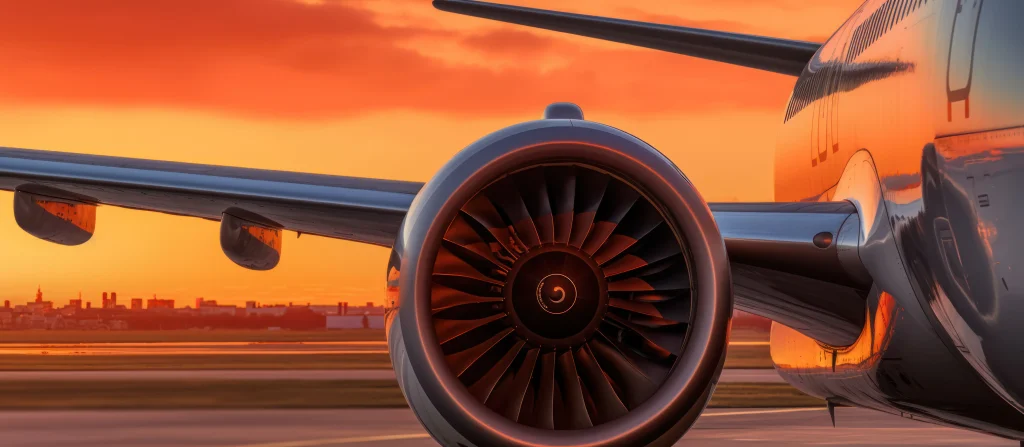
Modern jet engines consume massive amounts of air, creating a vacuum that pulls in nearby loose objects with destructive force. The A350 continued its path through the N/N4 junction. Defense Mirror reported that the aircraft’s No. 2 engine was damaged after it pulled in a cargo container. The intake of a modern turbofan engine is powerful. It functions like a massive vacuum cleaner, pulling in air to generate thrust.
The cargo container was sucked into the engine. The collision was violent. Metal struck the spinning blades of the turbine. The strike caused immediate internal damage. Foreign Object Debris (FOD) ingestion is among the most high risk dangers to engine integrity. The engine is designed to compress air rather than crush steel. The presence of the container shattered the delicate balance of the engine's internal components.
The pilots would have received immediate indications of engine distress. The aircraft came to a halt. The collision disabled the right engine effectively. What damage did the engine sustain? The right engine consumed the metal cargo container, leaving fragments inside the machinery and grounding the aircraft. The aircraft was no longer capable of flight. It had to be towed to a parking stand for inspection. The damage turned a multimillion-dollar asset into a grounded vessel requiring extensive repairs.
The Investigation and Oversight
Official inquiries often reveal that a singular accident stems from months of accumulating procedural lapses. The DGCA initiated a detailed probe immediately. A Deputy ASO from the Northern Region took charge of the investigation. The focus shifted from the immediate aftermath to the root causes. The probe required an examination of both the mechanical failure of the dolly and the procedural failure of the driver.
Investigators found metal fragments on the tarmac. These pieces confirmed the ingestion of the container. The MCA released a statement confirming the sequence of events. They noted the operator fled the scene with the leftover cargo. The investigation aims to determine why the driver failed to report the dropped load. It also looks at the maintenance records of the BWFS equipment.
AI 101 became the center of a larger scrutiny regarding ground handling. The airline prioritized safety over schedule, accepting the disruption to ensure no further risks were taken. The aircraft required a thorough technical assessment. Engineers had to determine the extent of the damage to the fan blades and the core of the engine. The investigation serves as a tool to prevent recurrence, but it also highlights the fragility of ground safety nets.
Broader Safety Context and Audits
A spike in minor incidents frequently signals a deeper erosion of safety standards across an entire operational network. The incident with AI 101 did not happen in a vacuum. It occurred against a backdrop of existing safety concerns. A safety audit conducted by the DGCA in June 2025 had already flagged several issues. These findings included weathered runway paint and flawed simulator training. The audit also highlighted crew fatigue and unauthorized cockpit access.
These prior warnings suggest a system under stress. The environment that allowed a dolly wheel to fail and a driver to flee was already showing signs of strain. India Today reported that on the same day as the cargo ingestion, Air India 2380, a Boeing 787-9 flying from Delhi to Singapore, performed an air turnback due to a fire hazard. Two significant events in one day point to operational volatility.
The combination of equipment failure, human error, and environmental factors creates a complicated risk profile. Are there other safety concerns? Recent audits highlighted runway markings that have faded and crew fatigue, suggesting systemic issues beyond this single event. The scrutiny following the cargo collision will likely revisit these audit findings. The industry must address the foundational issues of maintenance and training to prevent future ground collisions.
Operational Consequences for Air India
Grounding a long-haul aircraft disrupts the tight schedule of an international airline. The A350 is a key asset for Air India’s long-haul routes. Taking it out of service for engine repairs creates a gap in the fleet. The route from Delhi to NY requires specific aircraft capabilities. The loss of this plane forces the airline to reshuffle its resources.
Passengers on the affected flight faced delays, but their safety remained compromised by the logistical failure rather than physical injury. The airline moved the passengers to the terminal safely. However, the operational cost is high. Engine repairs are expensive and time-consuming. The aircraft sits idle while engineers replace damaged components.
The incident forces a re-evaluation of ground contracts. BWFS faces scrutiny for the equipment failure and the operator's conduct. The airline must ensure that its ground partners meet the same safety standards as its flight crews. AI 101 serves as a case study in how ground support directly affects flight availability. The collision erased the aircraft from the schedule as effectively as a major technical fault.
The Ground Reality
Resolving a collision requires fixing the ground protocols that allowed debris to sit in the path of a jet. The incident involving AI 101 reinforces the need for absolute vigilance on the tarmac. A combination of dense fog, a broken wheel, and a panic-driven decision disabled a state-of-the-art aircraft. The safety of the passengers was preserved, but the operational failure was total.
The DGCA investigation will likely produce new mandates for ground handling. Equipment checks may become more rigorous. Driver training regarding emergency debris reporting will likely see an overhaul. The aviation industry cannot afford to lose aircraft to ground collisions. The tarmac must remain a sanctuary for aircraft rather than becoming an obstacle course. Air India Flight 101 will fly again, but its grounding serves as a permanent reminder of the stakes involved in ground operations. The path must be clear before the engines turn.
Recently Added
Categories
- Arts And Humanities
- Blog
- Business And Management
- Criminology
- Education
- Environment And Conservation
- Farming And Animal Care
- Geopolitics
- Lifestyle And Beauty
- Medicine And Science
- Mental Health
- Nutrition And Diet
- Religion And Spirituality
- Social Care And Health
- Sport And Fitness
- Technology
- Uncategorized
- Videos