
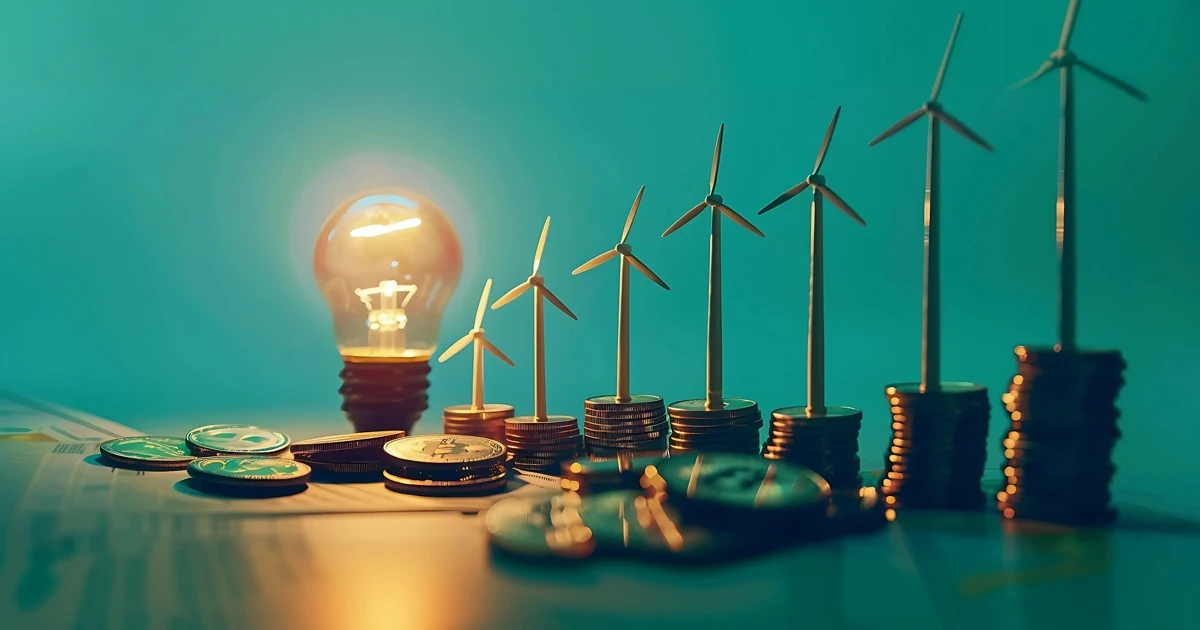
Household Energy Costs Keep Crushing Families
Utility companies generate profit through infrastructure spending instead of the electricity they provide to homes. This financial structure encourages constant construction even when cheaper alternatives exist. A report by TCF shows that nearly one in twenty American households, or roughly 14 million families, now face utility debt so severe that companies sent it to collections as of June 2025. While political leaders promise lower bills, research published by the NEADA highlights that residential electricity prices jumped 10.5% between January and August 2025. This spike represents the fastest price increase in a decade. Families now navigate an environment where power costs outpace general inflation by 3 times.
The pressure forces people into a survival struggle where they must choose between light and food. According to the Just Solutions Collective, power companies disconnected 3.5 million households across the country in 2024. These shutoffs create what experts call a soul-crushing experience for those caught in the middle. As winter approaches, reporting from WCNC indicates that NEADA projects heating expenses will hit $976 on an average per home. This burden hits different groups with varying intensity and signals a massive shift in how Americans access basic necessities. Looking past the monthly bill reveals the forces that dictate price tags.
The New Math of Household Utility Debt
Utility companies prioritize rapid collection over long-term payment plans to keep their credit ratings high. This focus on speed leads to faster disconnections for families who fall behind. The average overdue balance sat at $597 in 2022 and climbed to $789 by early 2025. Many people wonder why their bills keep climbing despite their efforts to save energy. Increased grid demand and the high cost of maintaining aging power lines caused residential electricity prices to jump 10.5% in 2025.
Severe utility debt rose by 3.8% during the first six months of 2025. Currently, 1 in 20 houses faces the risk of utility debt collections. In specific regions like Appalachia and the South, that risk doubles to 1 in 12 households. The TCF commentary also notes that for deep subprime households with credit scores below 580, average past-due utility balances jumped from $643 to $834.
Financial experts see these numbers as a universal warning sign. When people cannot pay for power, they usually struggle with every other part of their budget. Many residents now treat electricity as a flexible expense. They pay just enough to keep the lights on while sacrificing nourishment or prescriptions. This lifestyle of deprivation creates a cycle where debt grows by thousands of dollars per client compared to pre-covid levels.
Why Rising Energy Costs Outpace Your Paycheck
Mega-mergers in the energy sector remove the competition that usually keeps consumer prices stable. The utility industry once consisted of 83 separate companies, but that number has shrunk to just 13 massive corporations. These monopolies operate under rules that allow them to charge consumers for every dollar they spend on new projects. This system results in a $5 billion annual overcharge for families in the USA. Companies focus on infrastructure construction because their profits depend on construction volume.
The disconnect between political rhetoric and reality remains sharp. While some leaders claim prices are plunging, the data shows a 6.9% year-over-year increase in electricity prices by late 2025. This rate far exceeds the growth of the average worker's paycheck. Energy costs now act as a primary driver of financial instability for the middle class.
Ironically, even homes with green technology face new hurdles. In North Carolina, solar-equipped homes saw a 10% bill hike in late 2025. This happened because utility companies adjusted their rate structures to recoup money lost from people generating their own power. These policy shifts carry massive political consequences as families realize that individual productivity cannot overcome corporate rate hikes.
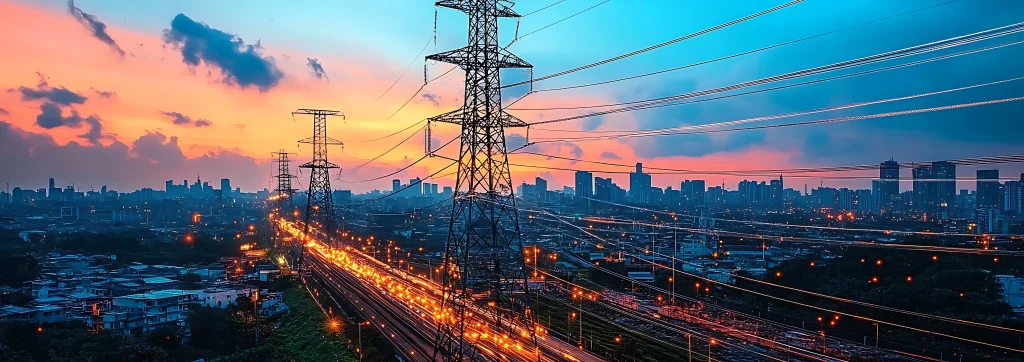
The Data Center Strain on Local Power Grids
The expansion of artificial intelligence requires massive amounts of electricity that the current grid was never designed to handle. A Department of Energy report indicates that data centers run 24 hours a day and require cooling, which puts a permanent strain on local power supplies; these centers consumed about 4.4% of total U.S. electricity in 2023. To meet this demand, utility companies must build new substations and high-voltage lines. As Utility Dive reports, utilities often shift the expansion cost-burden onto residential families rather than making tech companies pay for the full upgrades. This creates a situation where a grandmother in a small apartment pays for the infrastructure used by a global tech giant.
Some states are trying to fight back against this trend. In Virginia, lawmakers proposed "fair share" taxes on data centers. They want to use this revenue to shield residential ratepayers from price spikes. Without these protections, the average person effectively subsidizes the growth of AI. This grid strain also makes the system less reliable during peak summer and winter months.
As companies race to build AI infrastructure, they also demand a "priority" status on the grid. This means that during a power shortage, residential neighborhoods might lose power before a data center does. This shift in priority changes the relationship between a city and its residents. It turns electricity from a public service into a commodity sold to the highest bidder.
Energy Insecurity and the Survival Gap
Families often view the power bill as a debt they can delay until the utility company sends a final shutoff notice. This delay creates a dangerous trap. Once a company cuts the power, the resident must pay the full debt plus reconnection fees. In Texas, over 60% of low-income residents live in "energy poverty." They spend a huge portion of their income just to keep their homes at a safe temperature.
Many people ask about their rights during extreme weather. Reporting in Finance & Commerce reveals that only 41 states have cold-weather rules that forbid shutoffs, meaning nine states—including Florida and Tennessee—allow companies to disconnect power even when temperatures drop to dangerous levels. This lack of safeguards leaves vulnerable populations at risk of freezing in their own homes.
The equity gap also follows racial and economic lines. Asian and Black consumers report the highest average overdue balances, often reaching $900. A consumer survey summarized by PaylessPower found that Millennials face a 22% electricity shutoff rate, the highest of any age group. This generation often lacks the savings to cover a sudden 10% jump in their monthly bill. These households live on a financial tipping point where one cold week can lead to a total loss of utility access.
Political Shifts and Clean Energy Rollbacks
Canceling renewable energy projects forces power grids to rely on older, more expensive fuel sources that fluctuate with global markets. Federal policy changes in early 2025 led to the cancellation of several offshore wind projects. While some argued this would save money, it actually caused residential rates to climb by 13% in those regions. Without a diverse mix of energy sources, the grid becomes vulnerable to price spikes in oil and natural gas. This reliance on traditional fuels directly contradicts promises of cheaper energy.
The Treasury Department often claims that utility rates are a "state problem" that federal officials cannot control. However, federal policy influences everything from fuel subsidies to environmental regulations. When the federal government slashes funding for programs like LIHEAP, they remove the last safety net for millions of people. These budget cuts happen at the exact same time that consumer debt is reaching record highs.
Local control only goes so far when global fuel prices rise. When the government rolls back clean energy initiatives, it often removes the very tools that could stabilize prices over the long term. This creates a toxic combination of rising overhead for the utility and financial fragility for the customer. The result is a bleak outlook with no imminent improvement in sight.

Demographic Fault Lines in Utility Arrears
Low credit scores allow utility companies to demand higher deposits and trigger shutoffs more quickly than for high-score customers. This system creates a barrier for people trying to improve their financial standing. If your credit score is below 580, you are more likely to see your power cut after just one missed payment. This demographic reality explains why the Northeast US has some of the highest monthly bills in the country, often exceeding $300. The combination of high usage and low credit creates a cycle of constant debt.
The average overdue balance for American households currently stands at $789, which marks a 32% increase since the baseline surge in 2022. This number continues to climb as families struggle with the 6.9% annual increase in electricity prices. The debt remains a permanent part of their monthly budget for many families.
The generation gap also plays a role in how people handle energy costs. Younger adults are more likely to rent older, less effective apartments with poor insulation. They pay more for the same amount of comfort as someone in a newer building. This productivity tax hits Millennials and Gen Z harder than older generations who may own more modern or renovated homes.
Regional Hardships and Future Projections
Cold-weather states face a double hit of rising fuel prices and increased demand during the winter months. CBS News reported that Con Edison data showed 168,000 shutoffs in a single year, which represents a five-fold increase over the previous year. The South and Appalachia also see high rates of collections. In those areas, lower debt balances often reflect faster disconnection policies rather than less financial hardship. The companies there simply turn off the power sooner to avoid large debts.
Experts project a 9.2% spike in heating expenses for the winter of 2025. This increase stems from a mix of weather patterns and higher fuel costs. For the average family, this means a total winter heating bill of nearly $1,000. These projections suggest that the energy poverty seen in Texas could soon spread to more affluent regions of the country.
The outlook remains heavy for those on fixed incomes. While homeowners once viewed solar investment as a way out, new utility fees for solar users have dampened that hope. Ibrahim Awadallah and other experts suggest that the financial pressure will continue. Without significant changes to how utility profits are calculated, the burden will stay on the shoulders of the residential ratepayer.
The Future of Residential Power
The current energy crisis stems from a system that rewards utility companies for spending money rather than saving it. As long as construction and infrastructure projects drive corporate profits, companies will find reasons to raise rates. The 14 million Americans in debt represent a basic shift in the affordability of modern life.
Families now live in a reality where electricity now acts as a luxury that requires constant financial juggling rather than a guaranteed service. The 10.5% jump in prices and the $789 average debt show that the old ways of managing utility costs no longer work. Fixing rising energy costs requires a total rethink of how we regulate the 13 companies that control the nation's power rather than just switching to LED bulbs or turning down the thermostat. Until then, the struggle to keep the lights on will remain a daily reality for millions of households across the country.
Recently Added
Categories
- Arts And Humanities
- Blog
- Business And Management
- Criminology
- Education
- Environment And Conservation
- Farming And Animal Care
- Geopolitics
- Lifestyle And Beauty
- Medicine And Science
- Mental Health
- Nutrition And Diet
- Religion And Spirituality
- Social Care And Health
- Sport And Fitness
- Technology
- Uncategorized
- Videos

