
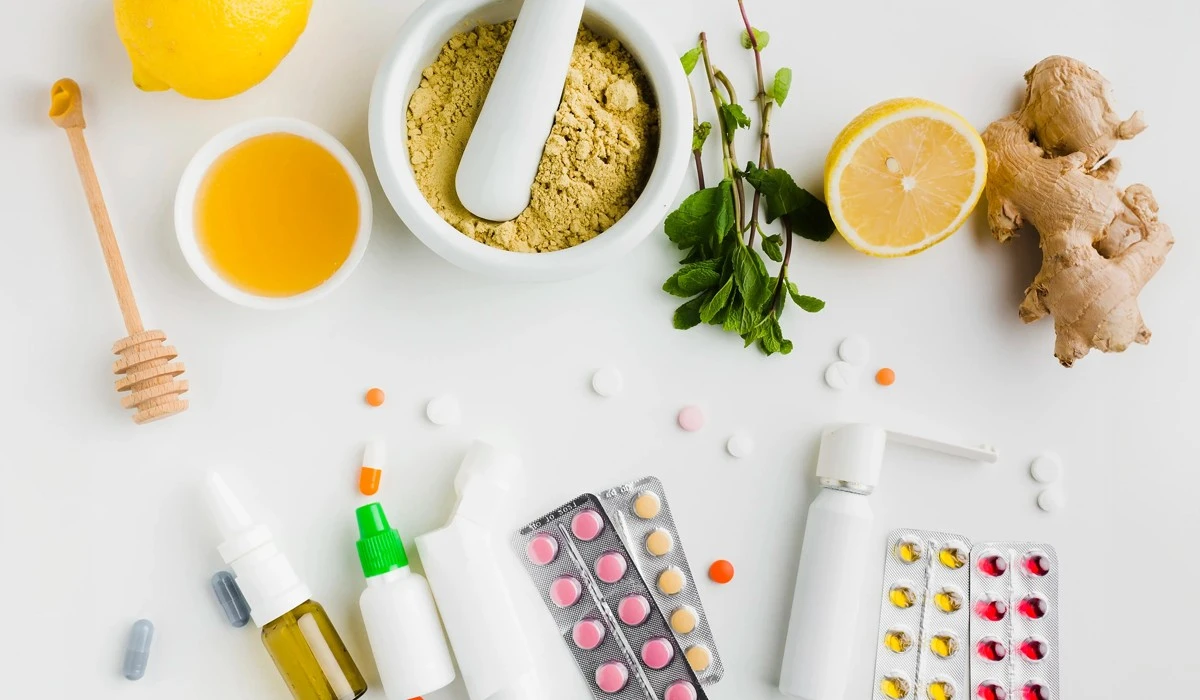
Herbal Antibiotic: Target and Heal Your Gut
When you swallow a standard pill for an infection, you effectively drop a bomb on your digestive tract. This bomb wipes out the bad bugs, but it also destroys the helpful bacteria that keep you happy and focused. You feel the fallout through bloating, brain fog, and a sluggish metabolism. Nature offers a different path through selective healing. Choosing a targeted herbal antibiotic allows you to remove specific invaders while leaving your internal garden intact.
These plant-based antibiotics use sophisticated chemistry to identify and neutralize threats without causing total collateral damage. Plants spent millions of years developing defenses against soil pathogens. We now use that same biological design to restore human health. Focusing on these botanical tools stops the cycle of recurring gut issues. You begin to build a resilient basis for your entire body.
The Science of Plant-Based Antibiotics in the Gut
Plants do not have a moving immune system like humans. Instead, they produce secondary metabolites to survive. These chemicals include alkaloids, phenols, and terpenes. These compounds serve as the plant's personal defense squad. When we consume a herbal antibiotic, we borrow these chemical weapons to fight our own internal battles. These substances specifically target the cell walls of harmful bacteria.
Historically, humans relied on these botanical defenses for centuries. Pedanius Dioscorides cataloged over 600 plants in his De Materia Medica around 70 CE. He established the empirical basis for using nature to kill pathogens. Later, in 1652, Nicholas Culpeper published The English Physitian. He taught common people how to use local plants to treat infections. This knowledge remains relevant today as we face rising drug resistance.
Ironically, these natural compounds often outperform synthetic versions in involved environments. They disrupt the chemical communication between bacteria. This prevents the "bad guys" from teaming up and mounting a large-scale attack. Can you take a herbal antibiotic every day? Most experts suggest that while these compounds are natural, they are best used in targeted 4–6 week protocols to address specific imbalances rather than as a permanent daily supplement. Short bursts allow the body to reset without creating a new dependency.
Why a Targeted Herbal Antibiotic Preserves Your Microbiome
Synthetic antibiotics often act like a forest fire. They kill everything in their path. This leads to a vacant terrain where opportunistic fungi and resistant bacteria take over. A herbal antibiotic acts more like a skilled gardener pulling specific weeds. Research shows that garlic extract inhibits Escherichia coli at rates ten times higher than beneficial Lactobacillus casei. This selective action keeps your digestive system functional during treatment.
Protecting the mucosal lining is the most important part of gut healing. This lining acts as a physical barrier between your gut contents and your bloodstream. Synthetic drugs often irritate this delicate skin. Conversely, many plant-based antibiotics actually support the mucosal barrier. They reduce inflammation while they hunt for pathogens. This dual action prevents "leaky gut" during the recovery process.
Maintaining this balance prevents the dreaded antibiotic-associated diarrhea. According to a report in Nature, a diverse microbiome produces more short-chain fatty acids. A study published in PMC indicates that these fatty acids fuel your colon cells and keep your energy levels stable. Use of nature’s tools ensures you don't lose these vital workers.
Top Botanical Choices for Gut Restoration
The world of natural medicine offers several heavy hitters for digestive health. These plants provide consistent results in clinical settings. They offer a way to treat overgrowth without the harsh side effects of pharmaceuticals.
Oil of Oregano: The Biofilm Breaker
Pathogenic bacteria often hide behind protective shields called biofilms. These shields make them up to 1,000 times more resistant to treatment. Oil of oregano contains a powerful phenol called Carvacrol. Carvacrol acts by penetrating the lipid bilayer of bacterial cell walls. This causes the bacteria to leak vital ions and eventually collapse.
Studies show that Carvacrol can reduce the metabolic activity of biofilms by 70% to 90%. This "de-shielding" process exposes the bacteria to the rest of your immune system. According to a report in PMC, most practitioners recommend using enteric-coated capsules. The study notes that this ensures the oil reaches the small intestine rather than dissolving in the stomach. A typical dose ranges from 200 to 600 mg daily for maximum results.
Garlic and Allicin: Nature’s Broad-Spectrum Power
According to research in PMC, garlic contains a sulfur compound called Allicin, which is a potent plant-based antibiotic that specifically targets yeast and fungi. A study published in Nature adds that Allicin works by reacting with the thiol groups of essential bacterial enzymes. This reaction halts the production of proteins that the bacteria need to survive. It effectively starves the pathogen from the inside out.
Allicin is particularly useful for those struggling with methane-dominant overgrowth. It works quickly to reduce gas production and improve motility. Unlike synthetic antifungals, garlic also supports blood flow to the digestive organs. This increased circulation helps the body clear out dead microbes and toxins more effectively.
Berberine-Rich Herbs: Goldenseal and Barberry
Berberine is an alkaloid found in several gold-colored plants. It is a favorite among functional medicine practitioners for treating SIBO. Berberine kills Gram-positive and Gram-negative bacteria with high precision. It also improves the integrity of the "tight junctions" in your gut wall. This makes it a multi-purpose tool for infection and structural repair.
Standard protocols often use 1,500 to 4,500 mg of berberine daily, split into three doses. As noted by a report in Frontiers in Pharmacology, this herb also helps balance blood sugar levels. Since pathogens often feed on excess sugar, berberine cuts off their food supply. It creates an environment where harmful microbes simply cannot thrive.
Integrating Immune-Boosting Herbs for Total Body Resilience
Killing the bacteria is only the first step. You must also strengthen the host to prevent the return of the infection. According to research published in PubMed, about 70% of your immune system lives in the Gut-Associated Lymphoid Tissue (GALT). If your gut is weak, your immunity suffers. Using immune-boosting herbs alongside your treatment ensures your body can defend itself in the future.
Astragalus is a premier choice for this task. It contains polysaccharides that stimulate the secretion of Immunoglobulin A (sIgA). This is the first line of defense in your gut mucosa. Think of sIgA as a security guard that catches invaders before they enter your system. Pairing Astragalus with a herbal antibiotic creates a comprehensive defense strategy.
Resilience also comes from medicinal mushrooms like Reishi. As noted in research from PMC, these fungi contain beta-glucans that train your immune cells to be more alert. What are the strongest immune-boosting herbs for gut health? Echinacea and Elderberry are excellent for acute needs, but Astragalus and Medicinal Mushrooms are the gold standard for long-term gut-immune modulation. These herbs provide the sustained support needed to stay healthy year-round.
How to Use Your Herbal Antibiotic Safely
Safety requires a "start low, go slow" philosophy. When pathogens die off, they release endotoxins like lipopolysaccharides (LPS). This can cause a temporary flare-up of symptoms known as a Herxheimer reaction. You might feel fatigue, headaches, or increased bloating. This is a sign that the treatment is working, but you must manage the pace.
Hydration and binders help mitigate these symptoms. According to a report by NCBI, activated charcoal or zeolite clay traps these released toxins in the digestive tract. This allows your body to flush them out through normal waste. Taking a binder two hours away from your herbs prevents the binder from soaking up the medicine. This keeps the protocol effective while keeping you comfortable.
Consistency matters more than high doses. Most people see the best results when they follow a strict schedule for 4 to 6 weeks. How long does it take for herbal antibiotics to work? While minor bloating may improve in days, most protocols require two to four weeks of consistent use to effectively shift the microbial balance. Skipping doses allows bacteria to adapt and potentially develop resistance.
Evidence-Based Benefits of Choosing Nature First
Modern science now validates what herbalists knew for centuries. A landmark 2014 study by Chedid et al. compared herbal therapy to the pharmaceutical drug Rifaximin. The researchers focused on Small Intestinal Bacterial Overgrowth (SIBO). They found that the herbal antibiotic protocol was 46% effective in resolving the condition. Rifaximin followed behind with a 34% success rate.
The study also highlighted the safety of plant-based antibiotics. The herbal group reported significantly fewer side effects. Only one person in the herbal group experienced diarrhea. In contrast, the pharmaceutical group saw cases of hives and even anaphylaxis. This research reinforces the idea that nature provides a safer and often more effective alternative for chronic gut issues.
Recent trials in 2023 further support these findings. Scientists confirmed that berberine is non-inferior to standard drugs for normalizing breath tests. These studies give patients the confidence to choose botanical options. You are not just using "home remedies." You are using scientifically backed medicine that respects the complexity of the human body.
Beyond the "Kill" Phase: Diet and Lifestyle Pairing
Supplements cannot fix a poor diet. To maintain the gains from your herbal antibiotic, you must change the environment. Pathogens thrive on processed sugars and refined flours. During and after your treatment, focus on whole foods. Research published in PMC notes that fiber acts as prebiotics, which feeds the beneficial bacteria you want to keep.
After the 6-week protocol, you enter the "re-inoculation" phase. This is when you introduce fermented foods like sauerkraut or kefir. These foods provide live cultures to help rebuild your internal community. You also need to support your Migrating Motor Complex (MMC). This is the "cleansing wave" that sweeps your gut clean between meals.
Natural prokinetics like ginger help stimulate this cleansing wave. Taking 1.2 grams of ginger before bed ensures that food moves through your system properly. This prevents bacteria from sitting in one place and multiplying. A healthy lifestyle provides the infrastructure that allows your immune-boosting herbs to work effectively.
Reclaiming Gut Harmony with Nature’s Pharmacy
Healing your gut requires a shift in perspective. Instead of seeing your body as a battlefield, view it as a garden that needs careful tending. A targeted herbal antibiotic provides the precision needed to remove harmful invaders while protecting your beneficial flora. Utilization of the elaborate chemistry found in plant-based antibiotics helps you avoid the destructive cycle of standard treatments.
Remember that total wellness involves aspects beyond killing bugs. Integrating immune-boosting herbs ensures your body stays strong enough to prevent future relapses. Consult with a qualified healthcare professional to design a protocol that fits your specific needs. Nature offers the tools; you only need to use them with intention and consistency. Reclaim your health by trusting the sophisticated biological design of the botanical world.
Recently Added
Categories
- Arts And Humanities
- Blog
- Business And Management
- Criminology
- Education
- Environment And Conservation
- Farming And Animal Care
- Geopolitics
- Lifestyle And Beauty
- Medicine And Science
- Mental Health
- Nutrition And Diet
- Religion And Spirituality
- Social Care And Health
- Sport And Fitness
- Technology
- Uncategorized
- Videos

