
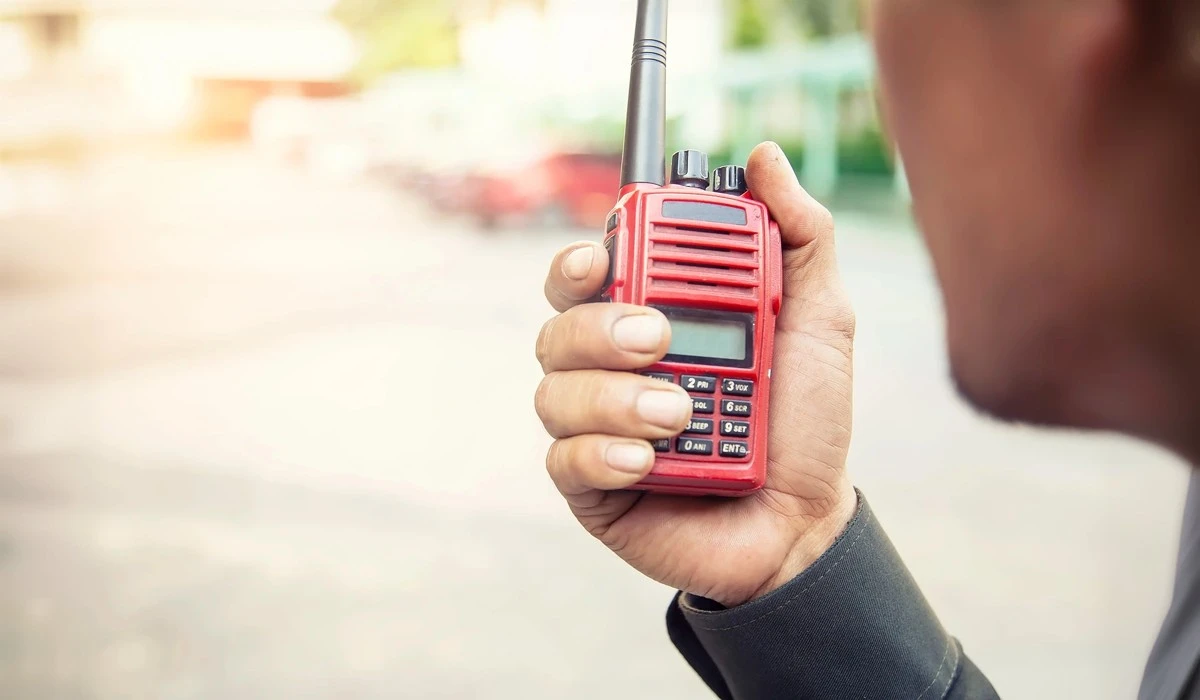
Ham Radio: Why It Beats Cell Phones in Crisis
The smartphone is the ultimate illusion of independence. It grants us the world, yet it’s enslaved to a physical web of buried wires and lonely cell towers. When the power fails, the 'superpower' is revealed for what it truly is: a dead slab of glass and a broken connection. As reported by Reuters, severe flooding and power outages during major storms can cause telecommunication services to fail almost immediately. According to the Federal Communications Commission, past disasters have knocked down more than three million customer telephone lines, leaving residents without a way to seek assistance.
Cell phones communicate with towers rather than talking directly to other phones. If a storm severs a wire miles away, your phone becomes a useless weight in your pocket. This creates a dangerous trap where we rely on a system that breaks exactly when we need it most. Ham Radio offers a different way to stay safe. It lets you skip the middleman and send your voice directly to someone else. Learning to use this tool turns you from a victim into a lifeline. You gain the ability to communicate across the street or across the globe without needing a single bar of cell service.
Why Ham Radio is your ultimate lifeline when towers fail
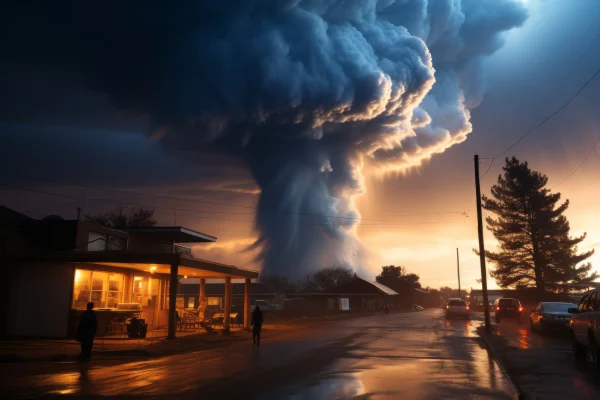
Cellular networks rely on a chain of hardware that fails during a crisis. Cell towers need backhaul to function. This means they connect to fiber optic cables buried in the ground or microwave links on rooftops. When debris or floods sever these physical lines, the tower becomes useless even if it has power. Reports from Reuters show that the September 11 attacks disabled downtown telecommunications headquarters and knocked essential equipment out of service. The same news outlet noted that Hurricane Sandy later disabled 25% of all cell towers across a ten-state area in 2012.
A storm that knocks out the power often knocks out the internet, too. Cell phones require a massive grid of electricity and data to work. Radio waves travel through the air without any help from a corporation. This independence makes radio the most reliable tool for survival. You control the transmitter and the power source. This puts the power of communication back into your own hands.
Bypassing the Grid with Ham Radio
Radio waves operate differently from digital data. They do not need a middleman to travel from point A to point B. When you use Ham Radio, your device sends a signal directly to another person’s receiver. This peer-to-peer connection removes the threat of network congestion. In the 2013 Boston Marathon bombing, cell networks reached peak volume instantly. No one could make a call. Meanwhile, radio operators maintained clear channels for medical teams to save lives.
This direct connection bypasses the fragile infrastructure of the city. You do not need a satellite or a fiber optic line to talk to your neighbor. You only need a charged battery and a piece of wire. This simplicity ensures that your message gets through when the rest of the world goes dark.
Becoming proficient in ham radio basics for emergency readiness
Learning ham radio basics starts with understanding how to talk to others legally. According to the Electronic Code of Federal Regulations, the FCC establishes specific rules to manage amateur airwaves and ensure orderly emergency communication. While a license is usually necessary for transmission, these regulations specify that an amateur station may use any available radio communication means during immediate life-threatening situations if normal systems are down. This rule ensures that anyone can call for help during a disaster if they find a radio.
Every licensed operator also uses a unique call sign like W1AW. This acts as a legal identifier and keeps emergency traffic organized. You learn how to navigate different bands, such as VHF for local talk and HF for long-distance reach. Understanding these frequencies allows you to find help regardless of where you are.
Good communication also requires a clear protocol to avoid confusion. Operators use the ITU Phonetic Alphabet to spell out important information. You say Alpha, Bravo, Charlie instead of just letters. This ensures 100% accuracy when you spell out a medical need over a static-filled frequency. Following these ham radio basics keeps the airwaves clear for everyone during a search and rescue mission.
High-stress moments require short and fast messages. Professionals keep transmissions under three minutes to prevent the radio from overheating. This also keeps the channel open for other distress calls. Learning these simple rules makes you a valuable part of an emergency response team. You learn to speak with clarity when everyone else is panicking.
Ham Radio vs. Smartphones: A reliability breakdown
Smartphones strictly use line-of-sight signals to reach a tower. If a mountain or a tall building stands between you and the signal, your phone dies. Ham Radio can bypass these obstacles using Near Vertical Incidence Skywave (NVIS). This technique bounces signals off the atmosphere like a mirror. Research published by the University of Twente indicates that specific radio techniques can provide coverage within a radius of up to 400 miles, even in mountainous or rough terrain.
How far can a ham radio reach without a repeater? While handheld units typically reach 2 to 5 miles, the ARRL explains that high-frequency setups can communicate across thousands of miles through signals reflected off the ionosphere. This reach makes it the ultimate backup for your family. While 5G signals suffer from rain fade during heavy storms, lower-frequency radio bands cut right through rain and snow. Moisture in the air absorbs high-frequency phone signals, but radio waves keep moving.
Dedicated radio units also offer much better durability than phones. A smartphone features a fragile glass screen that cracks during a fall. High-quality ham radio equipment uses die-cast metal frames and weather-resistant cases. These devices survive drops on concrete and heavy rain. They function in extreme heat and cold, where a phone battery might swell or die.
Essential ham radio equipment for your emergency kit
Picking the right ham radio equipment makes a massive difference in a disaster. Most beginners start with a Handheld Transceiver, or HT. These small radios fit in a pocket and go into emergency bags easily. What is the best ham radio for a beginner? I recommend an affordable and reliable handheld unit like a Baofeng UV-5R or a Yaesu FT-60R to start learning the ropes. These radios allow you to monitor police and fire frequencies while you learn.
These handheld units provide the portability you need during an evacuation. You can clip them to your belt and stay in touch with your group while moving. They use rechargeable batteries but also accept AA battery packs. This flexibility ensures you never run out of power when you are away from home.
The antenna matters even more than the radio itself. A standard rubber duck antenna has very low reach because it is too short. Swapping it for a high-gain telescopic antenna can double your signal strength instantly. You must also watch your Standing Wave Ratio (SWR). If your SWR is too high, power reflects back into your radio.
A simple piece of wire thrown into a tree often works better than a thousand-dollar setup. Learning to build a basic dipole antenna is a core part of ham radio basics. This skill allows you to turn a roll of copper wire into a powerful global transmitter. A simple SWR meter helps you tune your antenna for the best performance.
Powering your station when the grid goes dark
Power outages kill cell phones within a few hours. Your phone battery is small and difficult to replace in the field. Emergency radio setups use Lithium Iron Phosphate (LiFePO4) batteries instead. These batteries provide a steady 13.2V output until they are almost empty. They also have a very low self-discharge rate of only 2% per month. They stay charged in your emergency kit for months at a time without losing power.
Standard car batteries fail quickly under the heavy load of a radio. Peukert’s Law explains that high-current transmissions reduce the usable capacity of a lead-acid battery by half. LiFePO4 batteries avoid this problem entirely. They handle high discharge rates without losing their charge. This keeps your radio at full transmit power even during long conversations.
You can also use solar panels to keep talking forever. A 50-watt solar panel with a Maximum Power Point Tracking (MPPT) controller can fill a radio battery in six hours of sunlight. This creates an infinite supply of power for your ham radio equipment. This setup keeps you connected for weeks or months during a long-term grid failure.
You become your own power company. You do not have to worry about finding a wall outlet or a gasoline generator to stay safe. A small folding solar panel and a lithium battery provide all the energy you need. This setup is lightweight enough to carry in a backpack.
The power of the global Ham Radio community
The true power of Ham Radio comes from the people using it. Groups like the Amateur Radio Emergency Service (ARES) provide structure during a disaster. These volunteers work with the Red Cross and FEMA to pass messages when other systems fail. They provide ground truth during severe weather. This means they report actual flooding or tornado sightings that weather radar might miss due to the curve of the Earth.
Historically, radio operators have saved thousands of lives. Amateur operators stepped in during Hurricane Sandy to coordinate rescues and the delivery of supplies. They use the Radio Amateur Civil Emergency Service (RACES) protocol during national emergencies. This system allows the government to activate a network of trained citizens to protect the public.
You do not have to learn everything by yourself. Experienced operators, often called Elmers, help newcomers learn ham radio basics. Joining a local club gives you access to repeaters and years of technical knowledge. These networks provide real-time information when the internet goes dark.
You join a global family that prioritizes safety and community service. This human network is just as strong as the radio waves themselves. When you call for help on a radio, you are not just sending a signal into the void. You are reaching out to a dedicated group of people who are trained to listen.
Building your first emergency communication plan
A piece of gear is only as good as your plan. You must establish family check-in frequencies before the power goes out. Choose a simplex frequency for direct radio-to-radio talking. This ensures you can find your loved ones even if local repeaters lose power or go down in a storm. Keep a written list of these frequencies in your emergency bag.
Use the national calling frequency of 146.520 MHz to listen for others. Having a primary and a backup frequency ensures you always have a place to meet. This plan works whether you are at home or separated during an evacuation. It removes the guesswork from a high-stress situation.
Run regular radio drills to stay sharp and ready. Test your batteries and check your antennas for damage every few months. Practice using the ITU alphabet and making quick, clear transmissions with your family. A crisis is the worst time to read an instruction manual for the first time.
Most people wait until the disaster hits to buy gear. By then, it is too late to learn how to use it. Training now ensures that you can handle the stress when the grid eventually fails. Building these habits now creates a shield of safety for your entire family. You will know exactly what to do when the phones stop ringing.
Why Ham Radio is the ultimate safety net
Cell phones provide convenience, but Ham Radio provides security. Current conditions are such that a single downed wire can silence an entire city. You do not have to be part of that silence. Learning the basics and getting the right gear gives you a voice that works anywhere. Stop relying on bars that disappear during a storm. Take control of your own connectivity and build a safety net that never fails.
Recently Added
Categories
- Arts And Humanities
- Blog
- Business And Management
- Criminology
- Education
- Environment And Conservation
- Farming And Animal Care
- Geopolitics
- Lifestyle And Beauty
- Medicine And Science
- Mental Health
- Nutrition And Diet
- Religion And Spirituality
- Social Care And Health
- Sport And Fitness
- Technology
- Uncategorized
- Videos

