
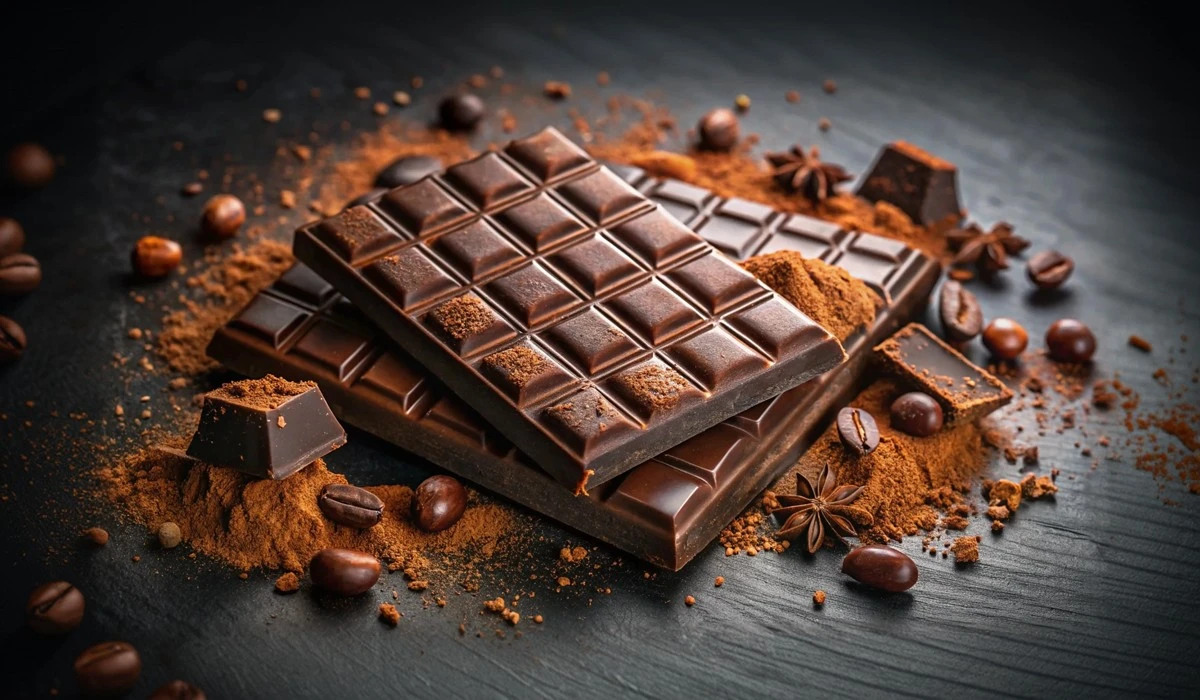
Chocolate Shrinkflation Ruins Taste and Cost
Companies often change the recipe rather than the price tag to fool your wallet and your tongue. You might stare at the shelf and notice the higher cost, but you likely miss the cheaper oil replacing the rich cocoa butter inside the wrapper. The package looks familiar, yet the product inside slowly morphs into something entirely different. This strategy keeps profit margins high while consumers pay more for a lower-quality experience. This shift drives the aggressive wave of chocolate shrinkflation currently sweeping through UK supermarkets. We must examine exactly what is happening to the snacks you love.
The Real Cost of Your Sweet Tooth
Price tags tell only half the story; the real expense lies in the vanishing weight of your favorite bars. You pay significantly more money today for less product than you did just a few years ago. Shoppers facing the shelf see the price hike, but they often overlook the physical reduction of the chocolate itself.
Data from the last four years reveals a stark reality for British consumers. A standard bar of Cadbury Dairy Milk now costs £2.75, up from £1.86. At the same time, the weight of that bar dropped by 10%. You pay 48% more for a product that is lighter in your hand. Other brands show even more drastic changes. A tub of Mars Celebrations shrank by 23% in size, yet the price climbed from £4.25 to £6.11. Terry's Chocolate Orange followed the same pattern, losing 8% of its mass while the price surged by 51%.
This trend of chocolate shrinkflation hits family budgets hard. Influencers testing these changes found that getting value for money now requires hours of research. A simple £100 shopping trip yields far less chocolate than before. The math is brutal for the average shopper. You get less sugar for your shilling, and the companies bank on you not doing the division while standing in the aisle.
Skimpflation: The Taste You Can't Quite Place
When cutting the size stops saving enough money, manufacturers start attacking the ingredients list itself. Companies swap out premium components for cheaper substitutes to protect their bottom line. This practice, known as skimpflation, fundamentally alters the flavor and texture of the product.
Reviewers on TikTok and social media frequently complain that popular bars taste different today. They report an oilier texture and a significant reduction in milkiness compared to past versions. This happens because brands replace expensive ingredients like cocoa butter with cheaper vegetable fats. Some products even lose the legal right to call themselves "milk chocolate."
Why does chocolate taste different now? Companies replace expensive cocoa butter with cheaper vegetable oils or fillers to save money and maintain profits.
Once a bar contains too much vegetable fat or too little cocoa, the label must change to "chocolate flavour." This slight wording adjustment signals a major drop in quality. Brands like Blue Riband, Toffee Crisp, and Penguin now fall into this downgraded category. Mondelez spokespeople insist they maintain recipe integrity and have not increased vegetable oil use. However, consumer advocates argue that these recipe tweaks downgrade the experience. The product might look the same, but the mouthfeel betrays the cost-cutting reality.
The Global Cocoa Crisis Explains the Chaos
A bad harvest in West Africa eventually shrinks the snack in your pocket. The chocolate industry relies on a fragile supply chain that is currently snapping under pressure. Prices on the shelf react directly to chaos in the fields.
Cocoa prices exploded recently. Two years ago, a tonne of cocoa cost roughly $3,500. By late 2024, that price peaked at over $12,000 before settling around $7,800. This massive spike forces manufacturers to make desperate choices. Extreme weather in key regions like Africa, Brazil, and Thailand destroyed harvests. Farmers also face rising costs for fertilizer, fuel, and wages.
These supply chain shocks take time to travel from the farm to the supermarket. Analysts describe an 18-month lag between a harvest failure and the full price impact hitting the consumer. The high prices you see now reflect problems that started nearly two years ago. Chocolate shrinkflation is the industry's primary shield against these exploding input costs. Manufacturers claim these hikes and cuts are unavoidable to survive the market turbulence.
How Fillings Disguise the Drop in Quality
Adding a biscuit crunch or a fruit layer isn't always about flavor; it is often about taking up space with cheaper materials. Solid chocolate is expensive to produce. Air, wafers, and fondant cost significantly less.
Industry reports show that innovation pipelines now focus heavily on skimpflation strategies. New product launches frequently feature "fillings" that dilute the cocoa density per bar. A partnership between Cadbury and Biscoff, for example, allows the manufacturer to sell a bar with less actual chocolate and more biscuit.
Is chocolate getting smaller? Yes, brands reduce product weight while maintaining or raising prices to offset rising ingredient costs and protect margins.
This strategy works because it masks the reduction in value. Shoppers perceive a new flavor or a crunchy texture as a bonus. In reality, the manufacturer successfully lowered the production cost of that unit. The "chocolate" portion of the bar shrinks, but the physical size of the bar might stay similar due to the bulky, cheap filling. This tactic keeps the consumer buying without immediately realizing they are paying premium chocolate prices for sugar and flour.

Legal Loopholes and Labeling Tricks
A single word change on a package lets companies bypass strict quality requirements. The definition of chocolate is a legal battlefield, and brands know exactly where the lines are drawn.
In the UK, milk chocolate must contain a minimum of 20% cocoa solids and 20% milk solids. However, some industry analysis cites a higher standard of 25% solids for certain classifications. When a recipe dips below these thresholds due to cost-cutting, the branding shifts. The wrapper might still look like the chocolate bar you grew up with, but the fine print says "chocolate flavour coating."
Governments are starting to intervene. Countries like France, Italy, and Hungary now require retailers to flag "shrinkflation" on store shelves. They want shoppers to know when a product gets smaller. The UK is slower to act but plans to introduce unit pricing transparency rules in April. Legal specialists note that these laws force retailers to expose the tactics manufacturers use. Until then, the burden falls on the shopper to read the tiny numbers on the back of the pack.
Shoppers Are Fighting Back with Their Wallets
Brand loyalty breaks when customers realize they are paying a premium for a downgrade. Shoppers eventually draw a line between a fair price increase and feeling scammed.
History shows that pushing consumers too far backfires. In 2016, Toblerone increased the gap between its famous triangles to save weight. Sales dropped by 7% the following year. The backlash was so severe that the company reversed the decision in 2018. Today, we see similar signs of resistance. Volume sales are down by 2% even though overall spending is up by 10%. People are spending more money but physically buying less food.
What is skimpflation in food? Skimpflation happens when manufacturers swap quality ingredients for cheaper alternatives to cut production costs without lowering the price.
Many consumers now switch to premium brands or supermarket own-brand alternatives. They prefer transparency. A small business owner from Temprd noted that customers are willing to pay more if the quality remains high. They reject the deception of hidden size cuts. Trust is a currency, and big brands are spending it rapidly.
The Future of Affordable Treats
The era of cheap chocolate is ending as the supply chain fundamentally shifts. Experts predict that high prices will persist for the foreseeable future. The pressure on cocoa supplies is structural, not temporary.
Analysts warn that the current wave of chocolate shrinkflation is likely here to stay. Manufacturers will continue to test the limits of what consumers will accept. We might see more "innovation" that introduces cheaper ingredients under the guise of new flavors. Luxury options like Knoops matchas already show price hikes of 53%, and some items, like Cocoba giant buttons, disappear temporarily when margins vanish.
The market splits into two paths. One path offers cheap, "chocolate-flavoured" confections packed with fillers. The other path offers real chocolate at a luxury price point. The middle ground—the affordable, decent-quality family bar—is vanishing.
The End of the Standard Bar
We are witnessing a permanent shift in how we buy and eat sweets. The conflict between rising global costs and consumer expectations forces companies to choose between raising prices or lowering standards. Most choose a mix of both. Chocolate shrinkflation is not just a temporary adjustment; it is a long-term strategy to manage a volatile resource. As cocoa becomes more expensive, the treats on the shelf will continue to change. You must decide if the smaller, oilier bar is still worth the price, or if it is time to look for a new favorite.
Recently Added
Categories
- Arts And Humanities
- Blog
- Business And Management
- Criminology
- Education
- Environment And Conservation
- Farming And Animal Care
- Geopolitics
- Lifestyle And Beauty
- Medicine And Science
- Mental Health
- Nutrition And Diet
- Religion And Spirituality
- Social Care And Health
- Sport And Fitness
- Technology
- Uncategorized
- Videos