
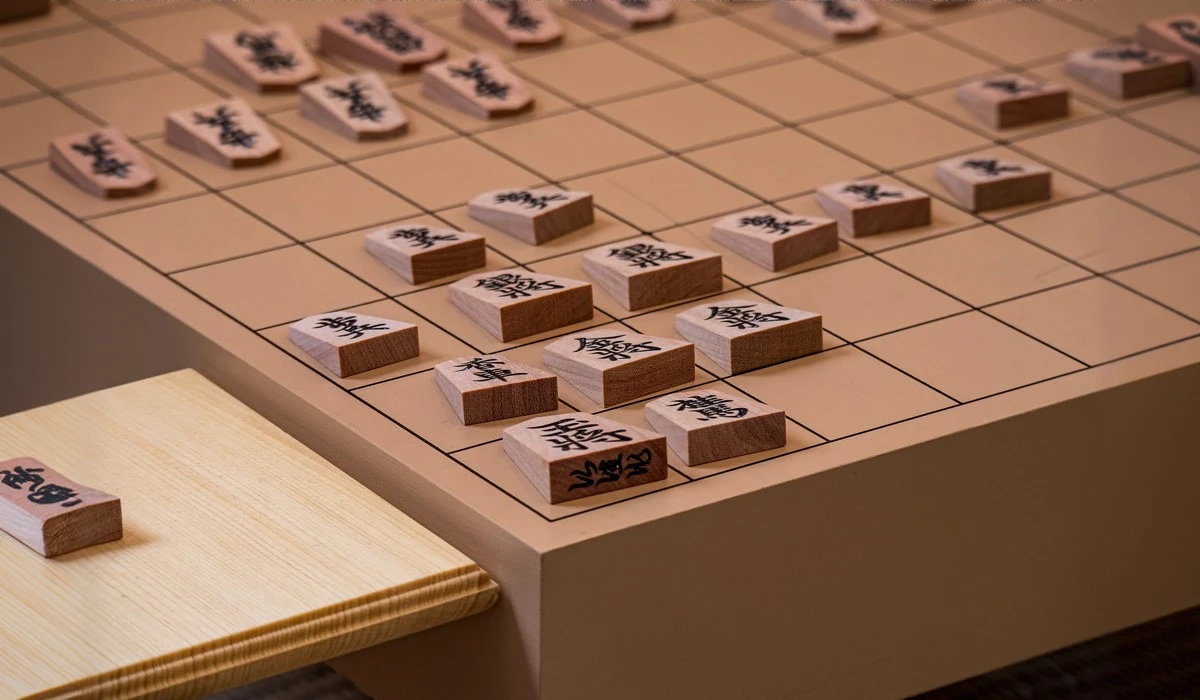
Shogi Star Fukuma Forfeits For Birth
Rules often disguise themselves as protectors of fairness when they actually serve as gatekeepers of the status quo. In the high-stakes world of professional strategy, the board usually dictates the winner, but sometimes the biggest obstacles exist in the rulebook rather than the gameplay. A player’s rank determines their livelihood, yet the regulations governing that rank often fail to account for basic human biology. Kana Fukuma, a top-tier strategist and holder of six major titles, recently exposed how rigid scheduling creates a forced ultimatum between professional ambition and motherhood. Her challenge to the system forces a hard look at whether competitive integrity requires stripping players of their autonomy.
The Binary Ultimatum of Competition
Regulations designed for a standard competitor often collapse when that competitor does not fit the traditional mold. Kana Fukuma faced a decision that no male player ever encounters: choose career advancement or start a family. The current structure penalizes life events that fall outside the strict cadence of the tournament calendar.
At 33 years old, Fukuma stands at the pinnacle of her profession. However, the birth of her first child in December 2024 triggered a mandatory exclusion window that fundamentally altered her competitive year. The rules enforce a break of six weeks before birth and eight weeks after. On paper, this looks like a safety measure. In practice, it functions as a career penalty. Fukuma had to withdraw from multiple tournaments leading up to her delivery date. These withdrawals were not voluntary pauses; the system treated them as forfeits.
Why did Kana Fukuma withdraw from tournaments?
Mandatory regulations surrounding her due date forced her to step away, resulting in automatic forfeits of her scheduled matches. The impact goes beyond a few missed games. Withdrawal means losing the chance to defend titles or challenge for new ones. Fukuma expressed a deep desire for penalty-free leave, yet the system offered no safety net. She noted that her professional ambition previously caused her to hesitate regarding motherhood. Shogi defines her life focus, and the fear of demotion nearly convinced her to sacrifice her personal identity for the game.
A System Lagging Behind Reality
Institutions frequently react to modern problems with outdated tools. The structure of professional shogi in Japan divides into the gender-neutral "kishi" system and the women-only "joryu kishi" system. While the game itself is purely mental, the administrative framework governing it relies on physical presence at specific times and places.
The controversy centers on the inflexibility of this framework. Fukuma submitted a written request to the association just this past Tuesday, followed by a press conference on Wednesday. Her grievance highlights a glaring gap: the lack of flexible scheduling. Currently, if a player cannot appear due to childbirth, they lose. There is no pause button.
What is the difference between kishi and joryu kishi?
"Kishi" refers to the main professional tier which is gender-neutral but male-dominated, while "joryu kishi" is a separate professional system exclusively for women. The association defends these strict timelines by citing the maintenance of competitive fairness. They argue that rescheduling matches creates logistical chaos. However, this definition of fairness assumes every player has the same biological constraints. By refusing to adjust dates or venues, the administration inadvertently favors those who never have to carry a child.
The Safety Excuse and Career Ceilings
Bureaucracies often use "safety" as a shield to deflect criticism regarding rigid policies. The Japan Shogi Association maintains that the mandatory exclusion window prioritizes maternal health. While medical recovery is vital, the application of this rule strips the player of agency.
Fukuma argued that these regulations violate personal autonomy. She views the current setup as an infringement on reproductive rights. When a governing body decides when a player is "safe" to play without consulting the player’s own medical team, it crosses a line from protection to control.
The timeline reveals a reactive approach. While the main articles discuss established rules, supporting documents clarify that specific regulations were only created and distributed in April 2024, following an earlier inquiry by Fukuma. This suggests the system scrambled to codify restrictions rather than creating a supportive environment. The association claims they consult with experts, yet the result remains a hard stop on a woman's career during her prime years.

Kana Fukuma and the Stakes of Ranking
Rank acts as the currency of the professional world; losing it equates to professional bankruptcy. Fukuma’s fight is not just about missing a few games but about preserving the standing she spent decades building. She debuted professionally in 2003 and has spent over twenty years climbing the ladder.
Her proposed reforms include rank protection during maternity leave. In tennis, "protected rankings" allow players to return from injury or pregnancy without starting from scratch. Shogi currently lacks this safeguard. Fukuma fears that the forced hiatus will drop her standing, making her climb back to the top unnecessarily difficult.
This anxiety directly impacts her future goals. Fukuma is targeting qualification as Japan’s first female "kishi" next year. Every match counts toward this historic ambition. A forced drop in rank or missed qualification spots due to rigid scheduling could derail this objective entirely. The system effectively tells her that making history and being a mother are mutually exclusive goals.
The Domino Effect of Forfeits
A rule intended to manage one player often distorts the entire competitive landscape. When Fukuma withdraws, she doesn't just disappear from the bracket; her absence shifts the path for everyone else.
The replacement mechanics create a strange hierarchy of luck. According to the rules, if a titleholder withdraws, the next-ranked challenger takes their spot. If a challenger withdraws, the next-ranked competitor steps in. This changes the difficulty of the tournament for other players. Some might advance without playing a strong opponent, while others face unexpected matchups.
The association argues that these replacements maintain the flow of the tournament. In reality, they alter the legitimacy of the results. A champion crowned because the top contender was in a delivery room holds a title with an asterisk. Fukuma’s forced exit impacts the "fairness" the association claims to protect, creating a skewed playing field where availability trumps skill.
Bureaucracy Versus Human Rights
Administrative convenience often masquerades as ethical deliberation. The Japan Shogi Association stated they are in ongoing deliberation with specialists to balance maternal health and competitive integrity. This response, issued during their recent apology, highlights the slow pace of institutional change.
Fukuma frames this as a human rights concern. She cites personal autonomy violations, arguing that a professional body should not dictate family planning decisions through penalties. The "ultimatum" she describes—family or profession—is a relic of a past era.
The friction intensified this week. On Tuesday, Fukuma formally submitted her request for change. By Wednesday, the association issued an official apology and held a press conference. This rapid sequence of events suggests the pressure is working. The public disclosure of these internal struggles forces the organization to defend its stance openly.
Public Perception and Modern Standards
Society often judges sports organizations by how well they adapt to modern values. The public reaction to Kana Fukuma’s situation has been sharp. Critics label the association’s stance as "misogyny," pointing out that physical sports manage to accommodate maternity leave far better than this intellectual game.
The comparison to tennis is frequent and damning. If a sport requiring peak physical conditioning can pause a ranking, a board game played while sitting should certainly manage it. The refusal to implement flexible scheduling looks less like a logistical hurdle and more like a cultural refusal to accommodate women.
How does the Japan Shogi Association view maternity leave?
They officially prioritize maternal safety and competitive fairness but are currently facing criticism for rules that penalize female players for childbirth. The "event" in Osaka on December 10, 2025, served as a focal point for this discourse. With eight major women’s titles at stake in the circuit, the treatment of the top titleholder sends a message to every aspiring female player. If the best player in the world cannot safely have a child without professional penalty, the system discourages women from entering the field at all.
Conclusion: The Move for Autonomy
True fairness requires a system that adapts to the people who power it. Kana Fukuma challenged the Japan Shogi Association to recognize that professional excellence and motherhood should not be enemies. Her struggle exposes a rigid structure that penalizes biological reality under the guise of safety and scheduling. By demanding rank protection and flexible reforms, she is not asking for special treatment; she is asking for the right to exist as both a competitor and a parent. As she eyes the historic "kishi" qualification next year, the association faces its own critical move: evolve the rules or risk losing its most talented players to an outdated philosophy.
Recently Added
Categories
- Arts And Humanities
- Blog
- Business And Management
- Criminology
- Education
- Environment And Conservation
- Farming And Animal Care
- Geopolitics
- Lifestyle And Beauty
- Medicine And Science
- Mental Health
- Nutrition And Diet
- Religion And Spirituality
- Social Care And Health
- Sport And Fitness
- Technology
- Uncategorized
- Videos

