
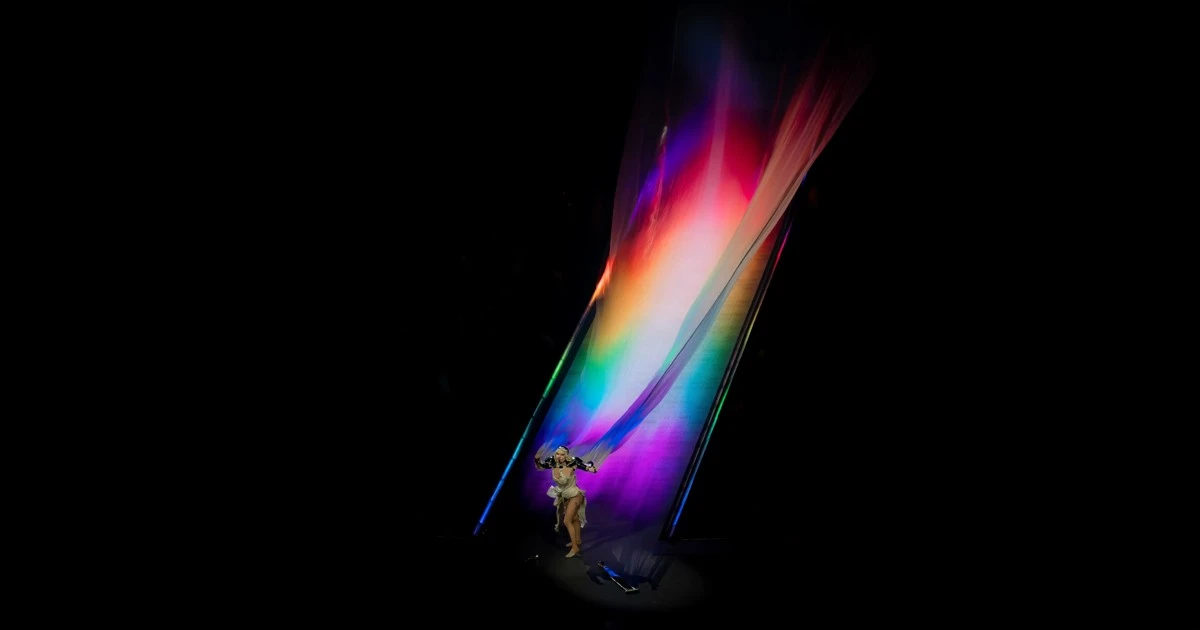
Image by- Amy Horrill, CC BY-SA 4.0
Johnson Wen Ejected From Lady Gaga Concert
Reputation travels through security checkpoints faster than any ticket holder. When you build a personal brand around breaching boundaries, you eventually face a wall that no disguise can bypass. Suncorp Stadium security proved this on Tuesday night when, as People reported based on social media videos, they intercepted a known figure before he could launch his next stunt. Johnson Wen, a 26-year-old infamously known as the "Pyjama Man," attempted to attend the Lady Gaga concert in Brisbane only to face immediate ejection.
This incident marks a shift in how venues handle viral pranksters. Security teams no longer wait for a disruption to occur; they act on intelligence profiles to neutralize potential risks at the door. Wen’s removal wasn't about what he did that night. It was about what he has done before. He arrived halfway through the tour’s progress, likely expecting to add another viral moment to his Instagram feed. Instead, the venue prioritized the protection of the artist and the crowd, deeming him a "person of interest" who could not be permitted to stay.
The Preemptive Strike at Suncorp Stadium
Risk assessment protocols identify threats long before they reach the stage. Suncorp Stadium officials operated on a clear directive regarding the protection of the performers and the audience. They spotted Johnson Wen and removed him from the locations before he could execute any plan.
The venue issued a strong statement regarding their decision, telling The Sydney Morning Herald—in a report cited by The Independent—that a "known serial offender may attempt to attend and disrupt" the event. This proactive approach highlights the growing intolerance for performance interruptions. In the interest of the artist's security, security designated him as a person of interest. They barred him from attending. Johnson Wen confirmed the interaction himself, simply stating he was "kicked out."
This swift action prevents the chaos that defines Wen's online persona. Security teams communicate data on known disruptors to prevent copycat behaviors and maintain order. The venue’s refusal to grant him entry sends a message to other would-be disruptors. Your history follows you.
A Pattern of Disruption Across Borders
A digital reputation creates physical barriers in the real world. Johnson Wen has spent years curating a specific image based on challenging security measures at high-profile events. His track record includes incidents spanning multiple continents and artists. This history creates a predictable pattern that security teams now recognize instantly.
As noted by People, he operates under the Instagram moniker "Pyjama Man," a persona built on startling celebrities and breaching stage security. People, along with reporting from Billboard and 7NEWS, notes that his disruptions include rushing the stage during a Katy Perry concert in Sydney and interfering with a performance by The Weeknd in Melbourne in 2024. These aren't isolated mistakes. They are calculated moves designed to generate views and clout.
Wen often employs disguises to evade initial detection. He uses wigs, fake moustaches, and sunglasses to blend into the crowd before making his move. However, these tactics lose effectiveness as his notoriety grows. The very fame he seeks makes him recognizable to the personnel tasked with stopping him. His removal from the Lady Gaga concert scenario proves that his face is now as famous among security directors as it is among his followers.
The Singapore Incident That Changed Everything
Legal consequences escalate rapidly when physical boundaries break. While the Brisbane ejection was preventive, the events in Singapore last month involved direct legal repercussions. On November 13, Wen took his antics too far during an Ariana Grande promotional event.
He breached the secure zone. This wasn't a harmless prank. He alarmed the stars and the security detail. The Singapore courts took a strict stance on his behavior. They sentenced the 26-year-old to 9 days behind bars. This sentence reflects the severity of his actions. He trespassed and threatened the personal safety of high-profile figures.
Why is Johnson Wen famous in the news? He gained notoriety for rushing stages and disrupting concerts for social media clout.
The incident in Singapore involved more than just Grande. Cynthia Erivo, her co-star, was also present. The situation required immediate physical intervention. The disruption forced the legal system to step in, transforming Wen from an internet nuisance into a convicted offender. This jail sentence serves as a permanent mark on his record, complicating his ability to travel and attend future events.
Cynthia Erivo’s Protective Instincts
Crisis situations reveal who freezes and who acts. When Johnson Wen made his move toward Ariana Grande in Singapore, Cynthia Erivo did not wait for security to handle the threat. She reacted instantly to protect her friend and co-star.
Erivo physically wrestled Wen away from Ariana. She placed herself between the disruptor and the target. In an interview with NBC, Erivo explained her mindset during the chaotic moment. She stated that her sole desire was to ensure her friend's safety. Her reaction was primal and protective.
Erivo recognized the potential danger of the situation, remarking that while she was confident he didn't intend harm, the inherent unpredictability of such situations meant her first instinct was to ensure her friend was OK. This statement highlights the fear these types of stunts cause. Performers cannot distinguish between a prankster and a violent attacker in the heat of the moment. Erivo’s quick thinking ended the threat, but the emotional impact on the artists remains real.
Understanding the Legal Consequences for Johnson Wen
view "harmless" pranks as serious threats to public order. The Singapore judiciary did not see a funny video; they saw a breach of peace. Reports from Channel News Asia and France24 describe how Judge Christopher Goh delivered a scathing assessment of Wen's character during the sentencing hearing.
Judge Goh directly informed Wen that he seemed to be pursuing attention, without considering the security of others involved in his acts. This statement strips away the "fun" veneer Wen tries to project. The judge highlighted the selfishness inherent in disrupting a public event for personal gain.
The consequences extended beyond the nine-day jail term. The Immigration and Checkpoints Authority (ICA) confirmed strict border control measures against him. According to Channel News Asia, they barred Wen from re-entering Singapore. His antics cost him his freedom temporarily and his access to an entire country permanently.
What punishment did Johnson Wen receive? He was sent to 9 days behind bars and debarred from re-entering Singapore.
This legal outcome creates a precedent. It shows that international jurisdictions will cooperate to penalize disruptors. Wen told the judge he would "not do it again," but his subsequent attempt to enter the Lady Gaga concert suggests otherwise.
Security Protocols and Artist Safety
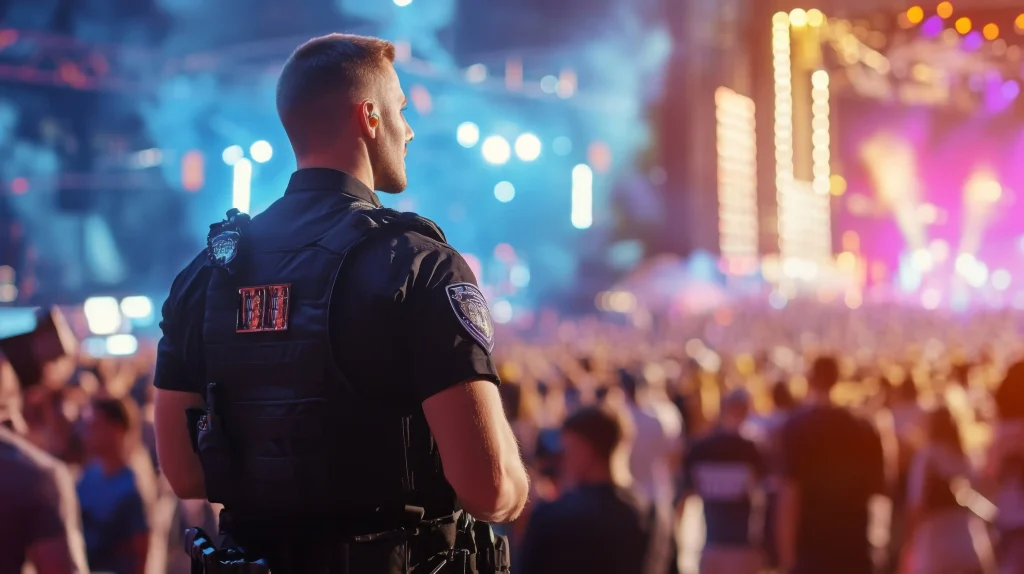
Past tragedies force venues to treat nuisances as potential disasters. The Suncorp Stadium statement referenced the "interest of the artist's safety" as the primary reason for barring Johnson Wen. This is not hyperbole. The live music industry operates under a shadow of genuine threats.
The 2017 Manchester concert attack remains a pivotal moment in concert security history. That tragedy, which resulted in 22 deaths, changed how venues assess risk. Security teams cannot afford to assume a stage invader is benign. Every breach acts as a simulation for a worst-case scenario.
When someone like Wen rushes a stage, he triggers emergency protocols designed for active attackers. He forces security personnel to make split-second decisions that could result in injury. By removing him before the show began, Suncorp Stadium prioritized the mental and physical well-being of everyone in the building. They refused to let a known variable test their emergency response systems.
The Psychology of the Serial Disruptor
Fame addiction often masks itself as fan devotion. Johnson Wen displays classic signs of prioritizing engagement over reality. His Instagram activity following the Singapore arrest reveals a disconnect between his legal situation and his online persona.
After his release, he posted videos "thanking Grande." He celebrated being "free." These posts frame his arrest as part of the content cycle rather than a wake-up call. He uses the negative attention to fuel his relevance. The nickname "Pyjama Man" gives him a brand to uphold, creating a pressure to constantly outdo his previous stunts.
His actions appear inconsistent due to this underlying motivation. For instance, in court, he expressed regret to the judge, promising to change his behavior and acknowledging his past troubles. Yet, weeks later, he appeared at Suncorp Stadium. The addiction to the spotlight overrides the verbal promises made to authority figures. He treats courtrooms and stadiums as stages for his performance art.
The Disguise and the Detection
Visual deception fails when behavioral patterns remain constant. Wen relies on props to bypass the initial layers of security. He uses wigs, fake moustaches, and sunglasses to obscure his identity. These tools allow him to slip past ticket scanners who process thousands of faces an hour.
However, modern security involves more than just glancing at faces. Security teams share intelligence on specific threats. They know what to look for: the solitary figure, the nervous energy, the specific body language of someone preparing to sprint. Wen’s disguises might fool a casual observer, but they do not fool professionals trained to spot anomalies.
His removal from the Brisbane venue suggests he was identified despite any attempt to hide. Security personnel likely tracked him from the moment he entered the perimeter. The disguise itself becomes a red flag. Normal fans do not wear fake moustaches to a pop concert. The very effort to hide reveals his intent to disrupt.
The Discrepancy in Narrative
Conflicting reports often emerge when legal and public relations strategies collide. A subtle contradiction exists between the main claims regarding Wen's removal and the supporting details of the night.
The main report states clearly that Wen did not disrupt the performance in Brisbane; he was removed solely due to his history. However, supporting sources suggest ambiguity regarding his intent. It remains unclear if Wen actually intended to interrupt the Lady Gaga concert or if he simply wanted to attend as a fan.
Is Johnson Wen dangerous? While not violent, his stage invasions create dangerous situations that force security and artists to react defensively.
Regardless of his specific intent that Tuesday night, the venue took the safer path. They operated on the principle that past behavior predicts future actions. They could not take the risk of waiting to see if he would stay in his seat. The ambiguity of his intent did not matter; the certainty of his past actions dictated the response.
The Role of Social Media in Escalation
Algorithms reward the very behavior that laws try to suppress. Wen’s actions feed a digital ecosystem that craves shock value. Every video of him wrestling security or running on stage garners views, comments, and shares. This positive reinforcement loop drives him to take greater risks.
He creates content that requires him to break rules. If he stops disrupting, his engagement drops. This dynamic traps him in a cycle of escalation. He must go bigger, get closer, and act wilder to maintain his audience's attention.
The Singapore incident was a peak in this cycle. He touched the stars. He went to jail. For a normal person, this hits rock bottom. For a content creator like Johnson Wen, this is peak season. The "free" posts on Instagram prove he views the jail sentence as a badge of honor rather than a punishment. Suncorp Stadium’s refusal to let him in breaks this cycle. It denies him the footage he needs to sustain his online narrative.
The End of the Run for Johnson Wen
The era of the harmless stage invader is over. Venues now possess the intelligence and the authority to stop disruptors at the gate. Johnson Wen found out that his reputation as the "Pyjama Man" is no longer a ticket to fame; it is a liability that keeps him on the curb.
His ejection from the Lady Gaga concert in Brisbane serves as a definitive statement. The protection of artists like Lady Gaga and Ariana Grande supersedes the desire for viral content. Courts in Singapore and security teams in Australia have drawn a line. When you treat public safety as a game, you eventually run out of players willing to tolerate you. Johnson Wen is free from jail, but he is no longer free to disrupt. The show goes on, but he will be watching from the outside.
Recently Added
Categories
- Arts And Humanities
- Blog
- Business And Management
- Criminology
- Education
- Environment And Conservation
- Farming And Animal Care
- Geopolitics
- Lifestyle And Beauty
- Medicine And Science
- Mental Health
- Nutrition And Diet
- Religion And Spirituality
- Social Care And Health
- Sport And Fitness
- Technology
- Uncategorized
- Videos

