
Nigeria: Are Christians Being Persecuted?
Nigeria: A Nation Under Siege or a Victim of False Narrative?
A contentious debate rages over the nature of violent conflict in Nigeria. Influential American political figures allege a systematic persecution of Christians, a claim vehemently denied by Nigeria's government. Donald Trump, the former United States president, has issued stark warnings to the West African nation. He has threatened punitive action should the country's government fail to halt the killing of its Christian citizens. This narrative, however, simplifies a deeply complex and multifaceted crisis. The reality on the ground appears far more intricate than a straightforward story of religious persecution. Officials in Abuja argue that the country's security challenges stem from terrorism that affects Nigerians of all faiths, not just a single group. Unpacking the truth requires a careful examination of the competing claims, the data used to support them, and the various conflicts tearing at the fabric of Africa’s most populous country.
An American Political Storm
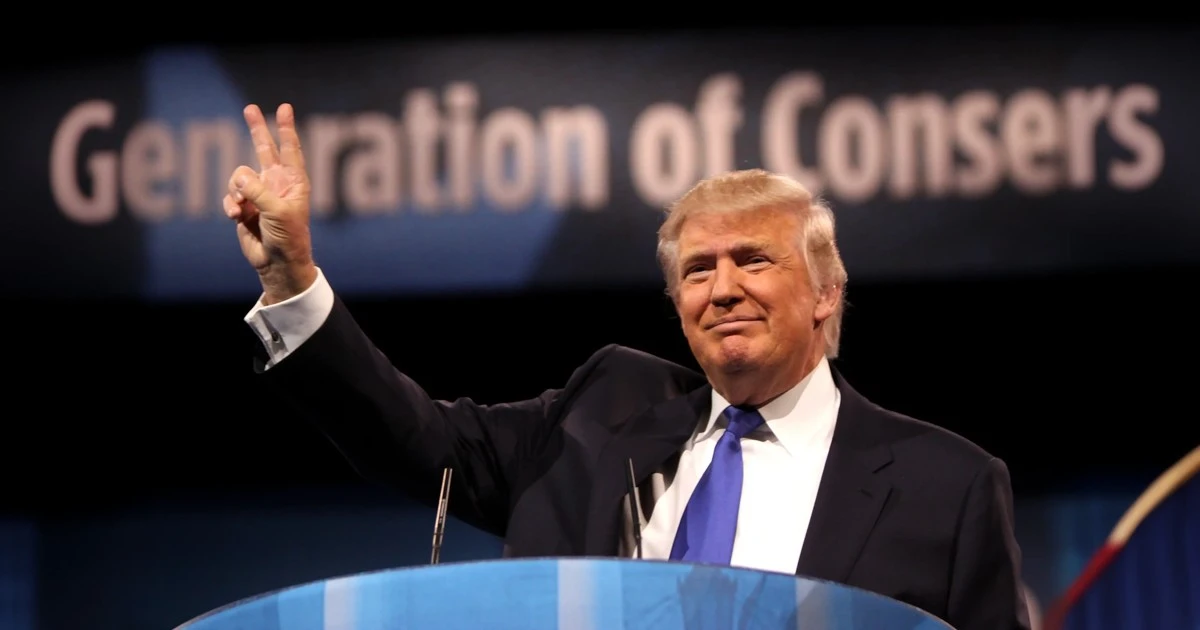
Donald Trump has become a forceful participant in the discourse surrounding Nigeria's security issues. He promised to take measures against the country that it would not find palatable. Speaking via his Truth Social platform, the former president adopted an aggressive tone, characterising Nigeria as a nation in disgrace. His interest in the matter did not arise in a vacuum. It follows months of sustained campaigning by various politicians and activists in Washington. These groups have consistently made claims about Islamist militants specifically and systematically targeting Nigerian Christians. The narrative has gained considerable traction, shaping perceptions of the conflict within the United States, thereby influencing political rhetoric directed at the Nigerian state. This intense focus from prominent American voices has created significant international pressure for the government in Nigeria to address the violence devastating its northern and central regions.
The Power of a "Genocide" Label
The language used to describe the violence has escalated dramatically. Bill Maher, a well-known American comedian and television host, labelled the situation a "genocide" in September. He specifically referenced the actions of the extremist group Boko Haram. Maher claimed the group had killed more than 100,000 people since 2009 and had also set fire to 18,000 churches. These shocking figures have resonated widely, spreading rapidly across social media platforms and fuelling outrage. The term "genocide" carries immense weight, legally and morally, and its application to the Nigerian context has intensified the debate. While campaigners see it as a necessary descriptor for the scale of the suffering, Nigeria's government considers it a gross and dangerous misrepresentation of a complex internal security crisis that does not discriminate by faith.
A Texan Senator's Campaign
Ted Cruz, a Senator for Texas, stands out as a key political figure championing this cause. He has been actively promoting this particular issue for a considerable time. On 7 October, he posted figures on the social media platform X that echoed the figures used by Maher. Cruz wrote that, beginning in 2009, jihadists had massacred over 50,000 Christians in Nigeria. His post also claimed the destruction of more than 2,000 Christian schools and 18,000 churches. His office, in a communication with the BBC, clarified his position. The senator's office clarified he was not alleging a "genocide" but was instead describing a sustained campaign of "persecution." This distinction is subtle but important in diplomatic and legal terms. Nonetheless, Cruz levelled an accusation against Nigerian authorities, claiming they actively disregarded and even helped enable the mass killing of Christian people.
Questioning the Source Data
The alarming statistics fuelling this international narrative largely originate from one key source. A Nigerian non-governmental organisation, the International Society for Civil Liberties and Rule of Law (known as InterSociety), has produced the data frequently cited by US politicians. During a podcast, Senator Cruz explicitly referenced a document this organisation published in 2023. His office also supplied the BBC with numerous online articles, with the majority tracing back to research by InterSociety. For data that could potentially shape American foreign policy towards a major African nation, the work produced by InterSociety is worryingly opaque. The organisation's reports lack the detailed, verifiable sourcing that is standard for credible human rights monitoring, raising serious questions about the accuracy of its dramatic conclusions.
Examining InterSociety's Figures
In a comprehensive document released in August, InterSociety presented its latest findings. The document, which amalgamated previous research with revised figures for 2025, made a startling claim. It asserted that jihadist groups operating in Nigeria had killed over 100,000 Christians over the 16-year period starting in 2009. The same report also noted the deaths of 60,000 individuals described as "moderate Muslims" within this timeframe. When pressed to provide a detailed breakdown of its sources, InterSociety declined. This refusal makes independent verification of its totals nearly impossible. The organisation explained its methodology involves summarising statistics from older reports and adding them to new findings. An examination of the references that InterSociety does quote, however, reveals that they do not always support the final published figures, creating a significant credibility gap.
Discrepancies in the 2025 Death Toll
A closer look at InterSociety's data for the current year alone reveals further inconsistencies. The organisation concluded that from January to August, jihadists took the lives of slightly more than 7,000 Christians. Campaigners have circulated this figure widely, including Republican Congressman Riley M Moore, a significant proponent on this topic. InterSociety’s report included 70 different media articles as part of its sourcing. An independent analysis of these sources showed that in approximately half of these source articles, the faith of the victims was never stated. For instance, the NGO referenced a report from Al Jazeera about an attack, claiming the casualties were "predominantly Christian," a detail absent from the original article. This pattern of misrepresentation casts serious doubt on the reliability of the overall total.
An Unverifiable Tally
The numbers simply do not add up. When the BBC tallied the fatalities mentioned in the 70 references provided by InterSociety, the total came to around 3,000. This is less than half of the 7,000 fatalities the organisation claimed for the same period. Several of the violent attacks also appeared to be counted multiple times, potentially inflating the count further. To explain this significant shortfall, InterSociety stated that its final figures include other elements. It calculates its estimates for fatalities occurring during captivity. The organisation also incorporates eyewitness testimonies, which it states cannot be disclosed for security reasons. While these factors may account for some deaths, the reliance on unpublished and unverifiable data makes its headline figures impossible to substantiate.
Abuja's Official Rebuttal
Nigeria's government has pushed back strongly against these claims. Officials in Abuja describe the narrative of Christian persecution as a profound distortion of reality. The government does not deny the existence of lethal violence within its borders. Instead, it argues that the targets are chosen based on ideology, not religion. According to the official statement, terrorists attack anyone who rejects their murderous worldview. This includes Muslims, Christians, and people who adhere to no particular faith. Other groups that monitor politically motivated violence in Nigeria support this view. They suggest the Christian death toll is significantly lower than claimed and that Muslims, in fact, make up the majority of those killed by the various jihadist factions operating in the country's north.
A Nation Facing Multiple Crises
Nigeria is grappling with several distinct security emergencies simultaneously, and these ought to be treated as distinct. The violence from jihadist factions is only one part of a much larger and more complex picture. Christian Ani, who works as a Nigerian security analyst, has stated that while Christians have indeed been attacked, this is a component of a wider strategy by extremists to create widespread terror. He argues there is no justification for the claim that aggressors are deliberately and exclusively targeting Christians. The nation's population of 220 million is divided almost equally between Christians and Muslims. The majority of the attacks take place in the northern region, where Muslims form the majority of the population, a demographic fact that complicates any simple religious explanation for the violence.
The Jihadist Stronghold
The primary jihadist threat has historically been focused within the nation's north-eastern region. Boko Haram, a group infamous for the kidnapping of the Chibok schoolgirls more than ten years ago, has been active since 2009. Its insurgency has been a brutal and bloody affair, but its operations have mostly been confined to a majority Muslim region. In recent years, additional jihadist factions have appeared, including the potent Islamic State West Africa Province (ISWAP). This group also operates primarily in the north-east. Officials in Nigeria have undoubtedly struggled to control these violent groups and the powerful criminal networks that also plague the region. Nearly every week brings fresh stories of deadly attacks or mass abductions, feeding a cycle of insecurity and fear.
The Fulani Herder Controversy
InterSociety’s reports include Fulani herders on its list of those responsible, consistently labelling them "jihadists." This classification is a source of intense controversy within Nigeria. The Fulani are a large, predominantly Muslim ethnic group residing throughout West Africa. Their traditional livelihood involves raising sheep and cattle. In Nigeria, long-standing conflicts exist between these nomadic herders and settled farming communities. Many researchers in this field dispute characterising this conflict as being religious. They argue it is primarily a matter of accessing vital and increasingly scarce resources, particularly land and water. These confrontations have happened with Muslim and also Christian communities nationwide, suggesting the root cause is economic and environmental rather than theological.
Beyond Religious Motivations
Security analysts offer a different perspective on the herder-farmer clashes. Christian Ani contends that labelling the herders as jihadists is a significant overreach. He believes the violence is barely connected to religious ideology and is far more connected to the activities of lawless and criminal actors operating under the guise of pastoral disputes. Confidence McHarry, a senior analyst at SBM Intelligence, a consultancy focused on Africa, agrees. He states that the confrontations frequently result from ethnic tensions and intense rivalry for resources. McHarry notes that as herders force communities out and assault places of worship, the conflicts increasingly get viewed through a religious lens, even if that was not the original motivation. Factoring in bandits, mostly ethnic Fulanis in the north-west, further complicates the picture as these groups are known to kill Christians and also Muslims without discrimination.
The Biafran Lobbying Connection
The narrative of targeted Christian persecution has been amplified within the United States through groups with a specific political agenda. For several years, Ipob, or the Indigenous People of Biafra, has raised the issue with American politicians. Ipob is a group that Nigeria has proscribed as a terrorist organisation. It seeks an independent state within the nation's predominantly Christian south-eastern region. Promoting the idea that the central government cannot or will not protect Christians serves its separatist cause. Nigeria's military has even made accusations that InterSociety is connected to Ipob, a charge the non-governmental body has repeatedly refuted. The involvement of such groups indicates that the information reaching Washington is not always from neutral observers but from actors with a vested interest in a particular outcome.
A "Highly Orchestrated Effort"
A different Biafran separatist movement also asserts it played a central role in this campaign. The Biafra Republic Government in Exile (BRGIE) has described its work in advancing the "Christian genocide" narrative inside the US Congress as a meticulously planned campaign. The movement said it retained professional lobbying firms to advance its cause. It also claimed to have met with various American officials, one of whom was Senator Cruz. When asked to comment on this relationship, the senator's office declined. The explicit goal of these separatist movements is the dissolution of the Nigerian state. Their active lobbying efforts in Washington introduce a significant political dimension to the debate, suggesting that the narrative of religious persecution is being used as a tool to achieve secessionist aims.
The US State Department's Shifting Stance
The international dimension of this issue is further highlighted by steps taken by the US State Department. In December 2020, under the Trump administration, Nigeria was added to the "Countries of Particular Concern" (CPC) roster for engaging in or tolerating "systematic, ongoing, egregious violations of religious freedom." This designation was celebrated by campaigners. However, in November 2021, the Biden administration controversially removed Nigeria from the list, drawing sharp criticism from some US lawmakers and Christian advocacy groups. They argued the situation had not improved. The State Department defended its decision, stating that while Nigeria faced significant security challenges, the situation did not meet the legal standard for the CPC designation. This reversal underscores the contested nature of the evidence and the political complexities surrounding the issue.
The Human Cost of Conflict
Beyond the disputed death tolls, the violence has created a staggering humanitarian crisis. Millions of Nigerians have been forced to flee their homes, becoming internally displaced persons (IDPs). Christians as well as Muslims have been uprooted by the relentless attacks from jihadists, bandits, and the ongoing clashes between herders and farmers. Life in the sprawling IDP camps is precarious. Residents face shortages of food, water, and medicine, and they remain vulnerable to further attacks. Women and children are particularly at risk of exploitation and violence. This shared suffering of displaced populations from all backgrounds undermines the simplistic narrative of a one-sided religious war. The reality is a nationwide catastrophe of displacement and loss that cuts across faith lines.
Roots of the Violence
A comprehensive understanding of Nigeria's crises requires looking beyond the immediate acts of violence. Deep-seated socio-economic problems provide fertile ground for conflict. Endemic poverty, widespread youth unemployment, and high levels of inequality create a vast pool of disaffected individuals who are susceptible to recruitment by extremist factions and criminal syndicates. Climate change acts as a powerful conflict multiplier. Increasing desertification in northern areas forces herders toward the south into farming territories, dramatically increasing the friction over territory and water sources. These environmental pressures are a primary driver of the herder-farmer conflict. Any sustainable solution to the violence must therefore address these fundamental root causes rather than focusing exclusively on the symptoms of religious or ethnic tension.
The Nigerian Military's Struggle
The security response from Nigeria's government has been fraught with challenges. The military is engaged on multiple fronts, fighting insurgents within the north-eastern region, bandits inside the north-western region, and managing intercommunal violence in the central states. As a result, the armed forces are overstretched and struggling to effectively protect all communities. Furthermore, the military's operations have been hampered by accusations of human rights violations, which have eroded public trust in some areas. The government has also experimented with other strategies, including amnesty programmes for former fighters and de-radicalisation initiatives. However, the sheer scale of the insecurity has so far overwhelmed these efforts. The state’s difficulty in establishing a monopoly on violence remains a central feature of the ongoing crisis.
Voices for Peace
Amid the conflict, there are crucial efforts to foster peace from within Nigerian society. Interfaith dialogue initiatives bring Christian and Muslim leaders together to de-escalate tensions and promote mutual understanding. These religious figures often command significant respect within their communities and can play a vital role in preventing local disputes from spiralling into wider religious violence. At the grassroots level, numerous community-based organisations work to resolve conflicts, rebuild trust, and foster resilience. These local peacebuilders offer a powerful counter-narrative to the rhetoric of inevitable religious war. Their work highlights a path towards coexistence, but their voices are often drowned out by the louder, more divisive narratives that dominate international headlines. True progress requires amplifying and supporting these internal efforts for peace.
A Reality Beyond Simple Labels
The situation in Nigeria is a tragedy of immense proportions, but it defies simple categorisation. The violence is real, and the suffering of its victims, Christian and Muslim alike, is undeniable. However, framing this complex web of crises solely as the persecution of Christians is a reductionist view that ignores the ethnic, economic, environmental, and political dimensions of the conflict. The data used to support the most alarming claims is often opaque and hard to substantiate. Furthermore, the narrative is actively promoted by political actors with their own agendas. A nuanced understanding is essential. Addressing Nigeria's security challenges requires moving beyond simplistic labels and tackling the deep-rooted governance failures and socio-economic grievances that fuel the violence affecting all of its citizens.
Recently Added
Categories
- Arts And Humanities
- Blog
- Business And Management
- Criminology
- Education
- Environment And Conservation
- Farming And Animal Care
- Geopolitics
- Lifestyle And Beauty
- Medicine And Science
- Mental Health
- Nutrition And Diet
- Religion And Spirituality
- Social Care And Health
- Sport And Fitness
- Technology
- Uncategorized
- Videos

